How to Eat Slower and Feel Better
6 October 2026
Most people eat too fast. That is not a moral failing. It is a predictable response to modern life. You have a short lunch break. Your phone is buzzing. The food tastes good. Before you know it, the plate is empty and you are not even sure you tasted the middle of the meal.
The problem is that your body was never designed for this pace. Digestion, appetite regulation, and even the simple pleasure of eating depend on time. When you compress a meal into five or seven minutes, you bypass systems that evolved over hundreds of thousands of years. The result is not just a vague sense of discomfort. It is bloating, overeating, sluggishness, and a strange dissatisfaction that makes you want to snack an hour later.
Eating slower is not a wellness trend. It is a mechanical fix for a mechanical problem. And unlike many health changes, this one does not require a new diet, expensive supplements, or a complete lifestyle overhaul. It requires attention to a behavior you have practiced thousands of times without thinking.
This article is not going to tell you to chew each bite thirty-two times and meditate on every grain of rice. That advice exists, and it works for some people, but it is not the only path. What follows is a practical, evidence-informed guide to slowing down in a way that fits real life. You will find out why speed matters, what happens when you change it, and how to make the shift stick.
Why Eating Speed Matters More Than You Think
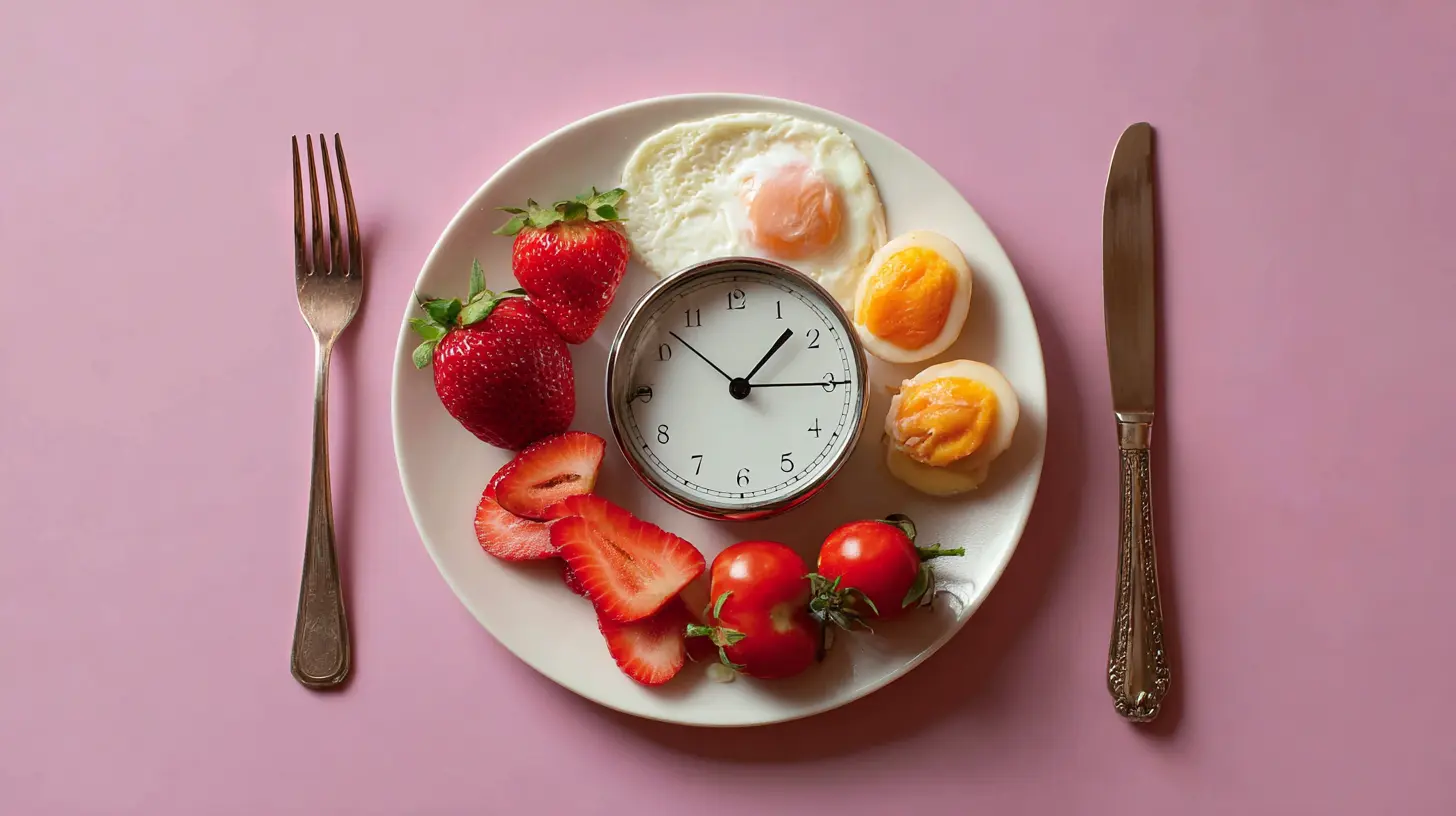
The human body has a signaling problem. When you eat, your stomach stretches and releases hormones that tell your brain you are getting full. One of those hormones, leptin, is produced by fat cells and helps regulate long-term energy balance. Another, cholecystokinin, is released by the small intestine in response to fat and protein. These signals do not travel instantly. They take time, often fifteen to twenty minutes, to reach the brain in sufficient strength to register as fullness.If you finish a meal in six minutes, you have eaten the entire plate before the first satiety signal arrives. The food is already in your stomach, but your brain has not caught up. You feel stuffed, not satisfied. You may also feel a compulsion to eat more because the reward systems in your brain have not received the "enough" message.
This is not a small effect. Studies that track eating speed consistently find that faster eaters consume more calories per meal and are more likely to have a higher body mass index over time. The relationship is not perfect, because genetics, food choices, and activity levels all matter. But the pattern is strong enough that eating speed is now considered a meaningful risk factor for weight gain and metabolic issues.
There is another layer. Chewing is not just a mechanical process. It is the first stage of digestion. Saliva contains enzymes, including amylase, that begin breaking down carbohydrates before food reaches the stomach. When you swallow half-chewed food, you outsource that work to your stomach and intestines. They can handle it, but they handle it less efficiently. This is why fast eaters often report bloating, gas, and a heavy feeling after meals. The food is sitting there, waiting for acid and enzymes to do work that should have started in your mouth.
The Physiology of a Slow Meal
A slow meal changes the sequence of events in your digestive tract. It gives saliva time to mix with food. It allows the stomach to expand gradually, which triggers stretch receptors that signal fullness. It gives the small intestine time to release hormones that regulate appetite and blood sugar. It also gives your brain time to register the sensory experience of eating, which matters more than most people realize.Taste, texture, temperature, and aroma all contribute to satiety. When you eat quickly, you miss most of these cues. The meal becomes a blur. You might finish and feel like you barely ate, even though your stomach is full. This is why slow eaters often report feeling more satisfied with smaller portions. They are not eating less because they are restricting. They are eating less because their brain actually registers the meal.
There is also a blood sugar angle. Eating quickly tends to produce sharper spikes in glucose, especially with refined carbohydrates. Slower eating, combined with more thorough chewing, can flatten that curve. This matters for people with insulin resistance, prediabetes, or type 2 diabetes. It also matters for anyone who experiences an energy crash an hour after lunch. A steadier blood sugar response means steadier energy.

What Happens When You Slow Down: Real-World Benefits
The benefits of eating slower are not abstract. They show up in specific, noticeable ways.First, you eat less without feeling deprived. This is the most immediate and obvious change. When you stretch a meal from seven minutes to twenty, you give satiety hormones time to work. You may find that you are satisfied with two-thirds of what you normally eat. That is not because you are trying harder. It is because your body is finally getting the message.
Second, digestion improves. Less bloating. Less gas. Less of that heavy, sluggish feeling after a big meal. This is especially true if you are prone to reflux or indigestion. Slower eating reduces the amount of air you swallow, which is a common cause of bloating. It also gives your stomach time to process food in a more controlled way.
Third, you enjoy food more. This sounds soft, but it is not. Pleasure is a biological signal. When you taste food fully, you are more likely to feel satisfied. When you rush, you are more likely to chase satisfaction with more food, more snacks, or something sweet. Slow eating is not about restriction. It is about getting more out of less.
Fourth, you notice when you are full. This sounds obvious, but many fast eaters have lost the ability to detect fullness until they are uncomfortably stuffed. Slowing down reconnects you with that signal. You start to notice the difference between "I could eat more" and "I am satisfied" and "I am full." That awareness is the foundation of intuitive eating.
Fifth, you reduce the risk of overeating at the next meal. When you finish a meal feeling satisfied rather than stuffed, you are less likely to snack mindlessly an hour later. You are also less likely to arrive at your next meal ravenous, which is a common trigger for fast eating.
Common Mistakes and Misconceptions
Before getting into the how, it is worth clearing up some misunderstandings.Misconception One: Slow Eating Means Chewing Everything Thirty Times
Chewing more is helpful, but the exact number is not the point. The goal is to break food down enough that it is easy to swallow and mixes well with saliva. For soft foods, that might be ten chews. For dense foods like steak or raw vegetables, it might be twenty or more. The number matters less than the habit of putting your fork down between bites and paying attention to the texture.Misconception Two: You Need to Eat Mindfully at Every Meal
Mindfulness is a useful tool, but it is not the only tool. Some people find that formal mindfulness practices, like putting down their fork and focusing on the breath, feel forced or impractical. That is fine. You can slow down without meditating. Simple mechanical changes, like using a smaller spoon or eating with your non-dominant hand, can be just as effective.Misconception Three: Slow Eating Is Only for Weight Loss
Weight management is a common reason to slow down, but it is not the only one. Athletes may benefit from slower eating because it improves digestion and nutrient absorption. People with GERD may benefit because it reduces reflux. Anyone who feels tired after meals may benefit because it stabilizes blood sugar. The point is that eating speed affects almost every aspect of the eating experience.Misconception Four: You Can Slow Down by Willpower Alone
Willpower is unreliable. It fluctuates with stress, sleep, and blood sugar. If you rely on willpower to eat slowly, you will succeed on good days and fail on bad ones. The better approach is to change your environment and your habits so that slow eating becomes the default. That means using smaller utensils, plating smaller portions, and building in pauses that are not dependent on self-control.Practical Strategies That Actually Work
Here is where most articles get vague. They tell you to "be present" and "savor each bite" without explaining how. What follows are specific, testable strategies. Not all of them will work for you. Try a few, see what fits, and discard the rest.Use Smaller Utensils
This is one of the simplest and most effective changes. A smaller fork or spoon forces you to take smaller bites. Smaller bites take longer to chew and swallow. You also tend to take more bites per meal, which stretches the meal out naturally. This is not a trick. It is a mechanical constraint that works whether you are paying attention or not.Put Your Fork Down Between Bites
This is the classic advice, and it works for a reason. When you put your fork down, you interrupt the automatic cycle of scoop, lift, chew, swallow, scoop. That interruption creates a pause. In that pause, you can check in with your hunger and fullness. You can also take a breath. Over time, this becomes a habit that does not require conscious effort.Take Sips of Water Between Bites
Water does two things. It slows you down, and it helps you feel full. This is not about drinking so much that you dilute your stomach acid. It is about taking a small sip after every few bites. The sip forces a pause. It also cleanses your palate, which can make the next bite taste more distinct.Eat with Your Non-Dominant Hand
This feels awkward at first, which is the point. When you eat with your non-dominant hand, you cannot rely on muscle memory. You have to think about what you are doing. That extra cognitive load slows you down. It also makes you more aware of the mechanics of eating, which can be surprisingly illuminating.Set a Timer for the First Five Minutes
This is a training tool, not a permanent habit. Set a timer for five minutes and commit to not finishing your meal before it goes off. This gives you a concrete target. You are not trying to eat slowly forever. You are just trying to stretch the first part of the meal. Once that becomes comfortable, you can extend it.Choose Foods That Require Chewing
Not all foods are created equal when it comes to eating speed. A smoothie can be consumed in ninety seconds. A steak takes twenty minutes. If you want to slow down, choose foods that require chewing. Raw vegetables, whole grains, fibrous meats, and nuts all take time. This is not about avoiding soft foods. It is about recognizing that some foods are inherently faster to eat and adjusting your expectations accordingly.Create Friction in Your Environment
If you eat at your desk, you will eat fast. If you eat in front of the TV, you will eat fast. If you eat standing up, you will eat fast. The environment matters. Create friction by eating at a table, with the TV off, and with your phone in another room. This is not about being rigid. It is about removing the cues that trigger speed.Use a Smaller Plate
This is a portion control strategy that doubles as a speed strategy. A smaller plate makes a normal portion look larger, which can reduce the urge to eat quickly. It also forces you to take smaller bites if you are using smaller utensils. The combination of a smaller plate and a smaller fork is surprisingly effective.
When Slow Eating Is Not the Answer
Slow eating is not a universal solution. There are situations where it is not appropriate or not helpful.If you have a history of disordered eating, focusing on eating speed can become another form of control. It can turn into a rule that creates anxiety. If you find that slow eating makes you obsessive or restrictive, it is worth talking to a professional. The goal is to feel better, not to add another layer of stress.
If you have a medical condition that affects swallowing or digestion, such as achalasia or gastroparesis, you should talk to your doctor before making changes to how you eat. Slow eating may help, but it may also need to be adjusted based on your specific condition.
If you are in a situation where eating quickly is necessary, such as a short break during a demanding shift, do not beat yourself up. Slow eating is a practice, not a mandate. Do it when you can. Let it go when you cannot.
The Role of Culture and Social Context
Eating speed is not just a personal habit. It is shaped by culture. In some countries, meals are long, social events with multiple courses and extended conversation. In others, eating is treated as a refueling stop. Neither approach is inherently right or wrong, but it is worth recognizing that your default speed is not entirely your choice. It is influenced by the people around you and the norms you grew up with.If you want to eat slower, it helps to eat with people who eat slower. Conversation is a natural speed regulator. When you are talking, you are not chewing. When you are listening, you are not scooping. This is why meals with friends and family tend to last longer than meals eaten alone. If you usually eat alone, consider putting on a podcast or a video that you can pause between bites. It is not the same as conversation, but it creates a similar rhythm.
How Long Does It Take to Change?
This is the question everyone asks, and the honest answer is: it depends. Some people notice a difference in a single meal. They slow down, eat less, and feel better. Others need weeks of practice before the new pace feels natural. The key is consistency, not intensity. You do not need to eat slowly at every meal. You just need to practice often enough that it becomes a habit.A useful benchmark is twenty minutes. That is roughly how long it takes for satiety hormones to reach the brain. If you can stretch your meals to twenty minutes, you will give your body time to send the "I am full" signal. You do not need to count minutes. You just need to aim for a pace that feels unhurried.
A Final Word on Feeling Better
Eating slower is not a cure-all. It will not fix a bad diet, a stressful job, or a lack of sleep. But it is a lever that affects many things at once. It changes how much you eat, how well you digest, how satisfied you feel, and how much you enjoy your food. It is one of the few health changes that costs nothing, requires no special equipment, and can be started at your next meal.The goal is not perfection. The goal is awareness. If you can notice when you are eating fast, you can choose to slow down. If you can slow down, you can feel better. That is the whole equation. Everything else is just details.
all images in this post were generated using AI tools
Category:
Mindful EatingAuthor:

Sophia Wyatt