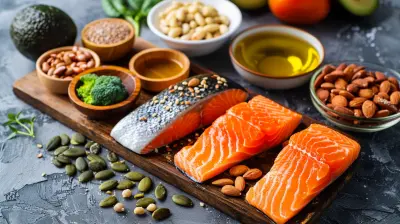
Debunking the Myths Surrounding Saturated Fats
14 May 2026
For years, saturated fats have been labeled as the enemy of heart health. We’ve been told they clog arteries, cause weight gain, and are best avoided altogether. But is that really the case? Or is it just another chapter in the long history of misunderstood nutrition science?
Let’s take a deep dive into the myths surrounding saturated fats and uncover the truth about how they actually impact our health.
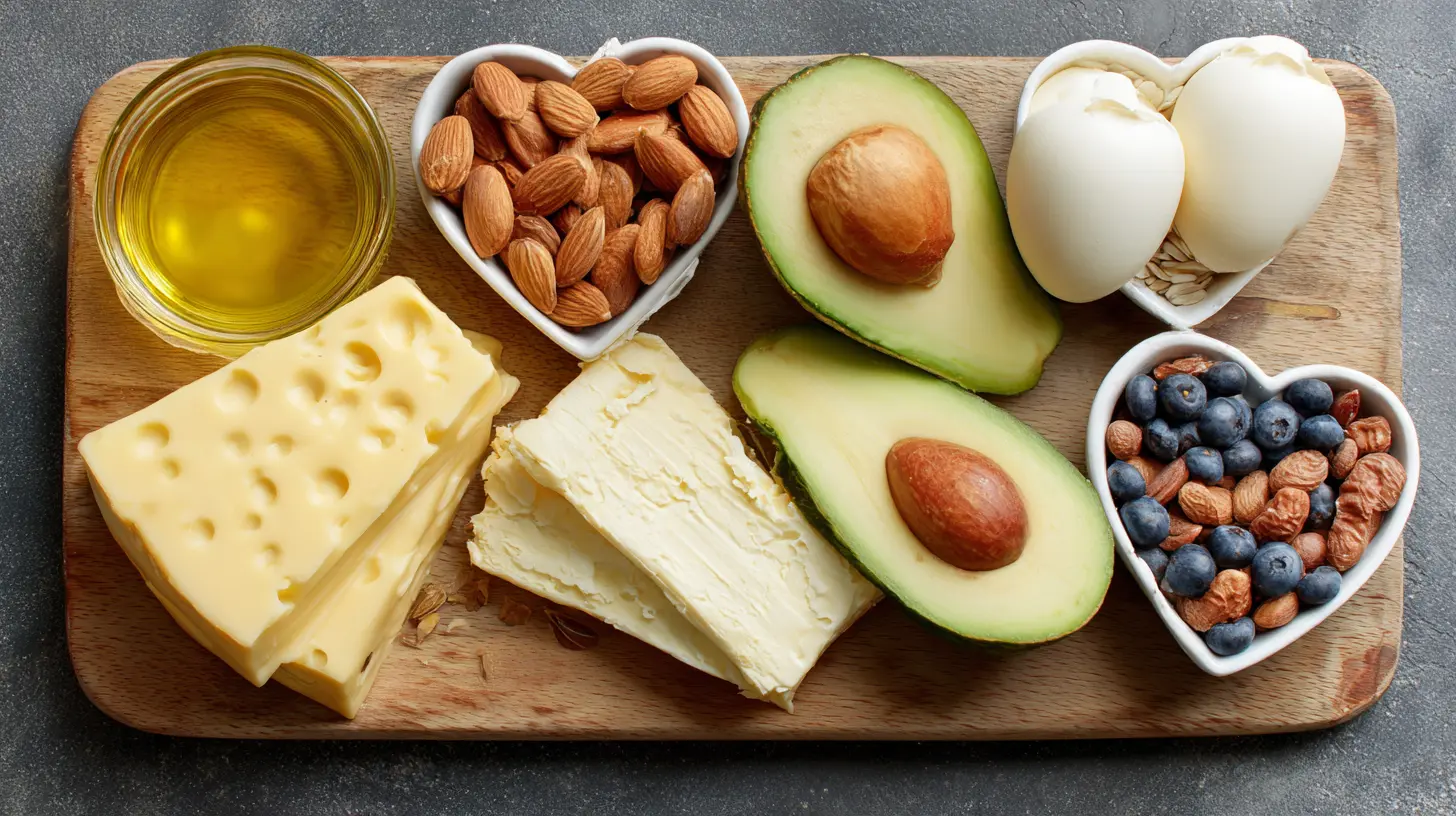
The Origins of the Fear Around Saturated Fats
The war on saturated fats dates back to the mid-20th century when scientists started pointing fingers at dietary fats as the primary cause of heart disease. The infamous Seven Countries Study, led by Ancel Keys in the 1950s, linked high saturated fat intake to heart disease. This study shaped dietary guidelines for decades, encouraging people to replace animal fats with vegetable oils and margarine.However, what many people don’t realize is that this study had its flaws. It didn’t take into account other lifestyle factors such as smoking, sugar intake, and overall diet composition. Plus, more recent research has put a serious dent in the idea that saturated fats are the enemy.
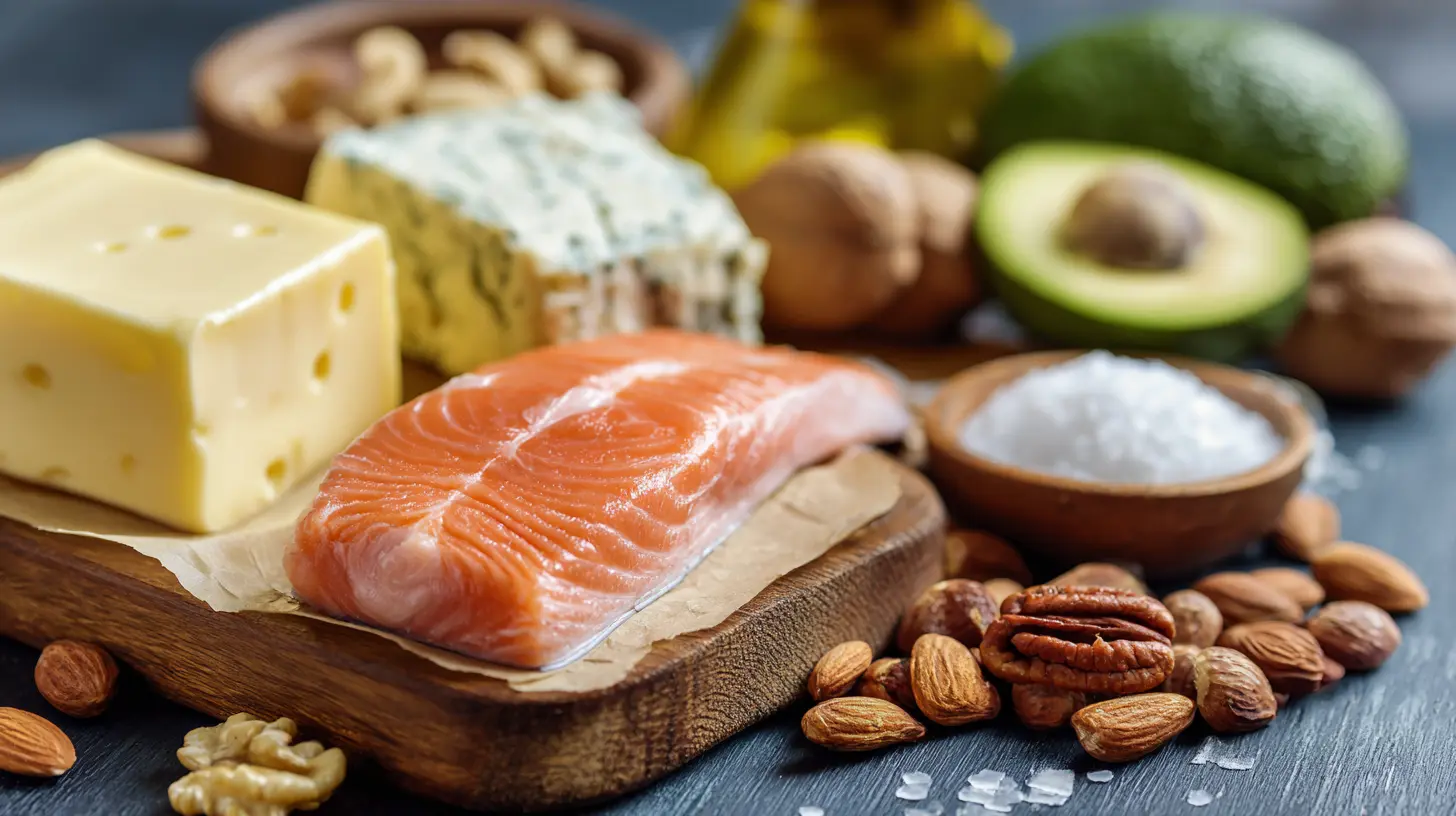
Myth #1: Saturated Fats Cause Heart Disease
One of the biggest and longest-standing myths about saturated fats is that they directly cause heart disease. This belief has led doctors, dietitians, and even governments to recommend low-fat diets.What Does Science Say?
Recent studies have questioned this long-held assumption. A meta-analysis published in the American Journal of Clinical Nutrition reviewed 21 studies and found no significant evidence that saturated fat intake is directly linked to an increased risk of heart disease.In fact, some research suggests that saturated fats might even raise HDL (the "good" cholesterol) while changing LDL (the "bad" cholesterol) into a less harmful form. So, while they might increase cholesterol levels overall, that doesn’t necessarily mean they’re harmful.
Cholesterol Isn’t the Villain We Thought
For decades, we were told that high cholesterol causes heart disease. But here’s where it gets interesting: your body actually needs cholesterol to function. It’s essential for hormone production, cell repair, and even brain function.More importantly, not all LDL cholesterol is bad. Small, dense LDL particles are the ones associated with a higher risk of heart disease, while larger, fluffy LDL particles are much less harmful. Some studies suggest that saturated fats increase the larger LDL particles rather than the dangerous smaller ones.
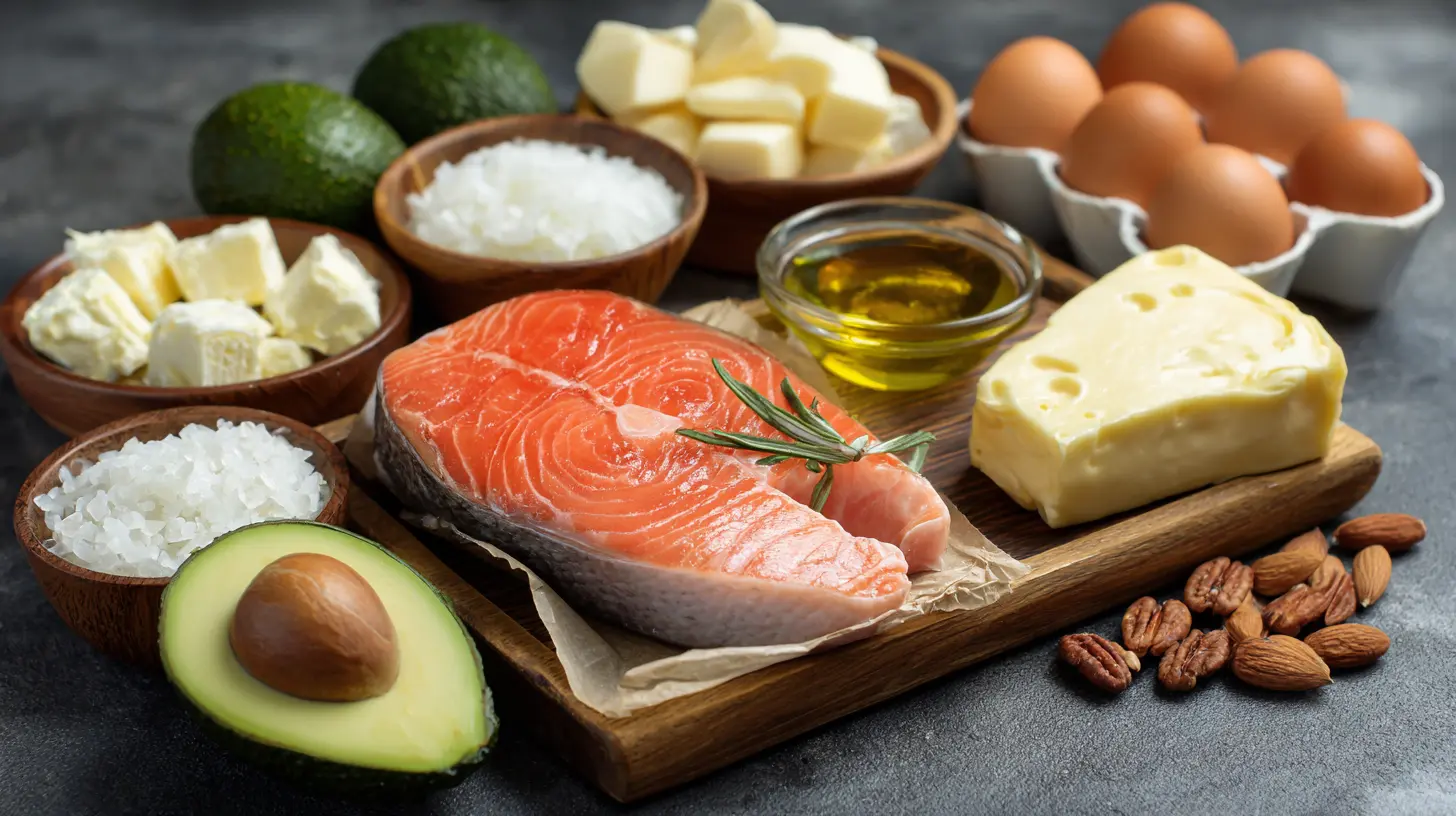
Myth #2: Eating Saturated Fats Leads to Weight Gain
Many people assume that eating fat makes you fat. It sounds logical, right? But the truth is a bit more complex.Calories Matter, But So Does Nutrient Quality
Weight gain happens when you consume more calories than your body burns, no matter where those calories come from. While fats are more calorie-dense than carbs or protein (9 calories per gram vs. 4 calories per gram), the source of those calories is crucial.Saturated fats from whole, unprocessed foods—like grass-fed beef, eggs, and coconut oil—can actually be more satisfying than processed carbs and sugars, helping you stay fuller for longer and avoid overeating.
In fact, low-fat diets often lead to an increase in sugar consumption, which has a much stronger link to weight gain and metabolic issues than dietary fats do.
Myth #3: Saturated Fats Are Bad for Brain Health
Your brain is about 60% fat, and a significant portion of it is made up of saturated fats. It only makes sense that your body needs this type of fat to function properly.Fats and Brain Function
Saturated fats play a critical role in brain health. They:- Support cell membranes: Every cell in your body, including brain cells, relies on healthy fats to maintain structure and integrity.
- Aid in neurotransmitter signaling: Without proper fat intake, brain communication can slow down.
- Help prevent cognitive decline: Some studies suggest that diets rich in healthy fats may lower the risk of conditions like Alzheimer’s.
Think about it this way: If your brain was a car, fats would be the motor oil keeping everything running smoothly. When you deprive yourself of healthy fats, you're essentially running on low-quality fuel.
Myth #4: Vegetable Oils Are Healthier Than Saturated Fats
For decades, people swapped butter for margarine and cooking oils like canola, soybean, and sunflower oil, believing they were making a heart-healthy choice. But here’s the catch: many vegetable oils are highly processed and high in omega-6 fatty acids, which can contribute to inflammation when consumed in excess.The Problem with Vegetable Oils
Unlike natural sources of saturated fats, refined vegetable oils:- Are often chemically processed using heat and solvents.
- Contain high amounts of oxidized fats, which can contribute to inflammation and chronic diseases.
- Have a poor omega-6 to omega-3 ratio, leading to an imbalance that supports inflammation.
Interestingly, some studies suggest that people who replaced saturated fats with vegetable oils saw no significant reduction in heart disease risk—and in some cases, even experienced worse outcomes.
The Right Way to Approach Saturated Fats
So, does this mean we should eat saturated fats without limits? Not exactly. Like everything in nutrition, balance is key.What Are the Best Sources of Saturated Fats?
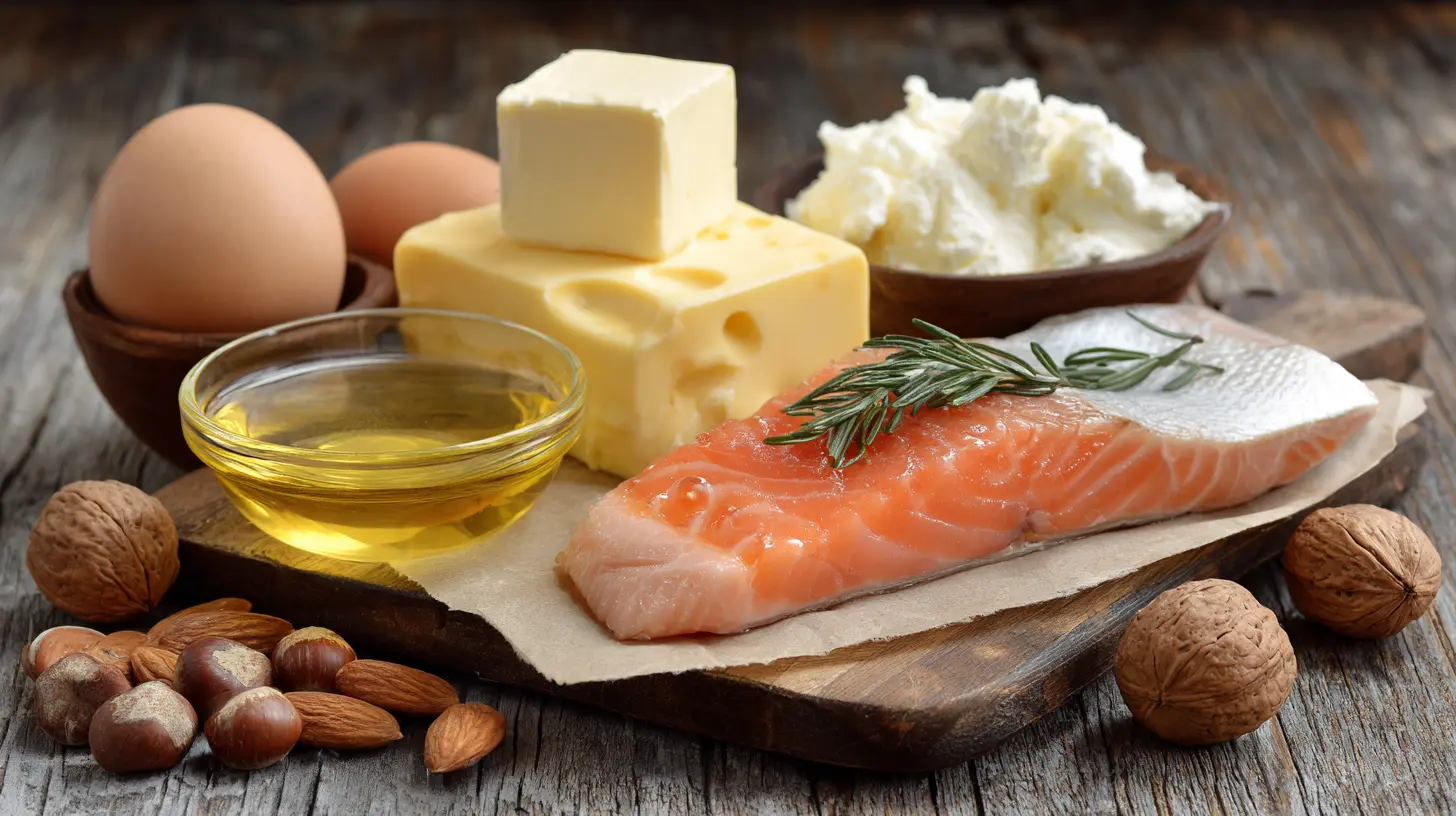
Instead of fearing fats, focus on quality sources of saturated fats, such as:- Grass-fed butter and ghee: Rich in fat-soluble vitamins like A, D, and K.
- Coconut oil: Contains medium-chain triglycerides (MCTs), which can boost energy and metabolism.
- Pasture-raised eggs: A great source of healthy fats, protein, and essential nutrients like choline.
- Dark chocolate (at least 70% cocoa): Not only delicious but packed with antioxidants.
- Full-fat dairy (if well-tolerated): Provides important nutrients like calcium and probiotics.
Moderation and Variety Are Key
Instead of demonizing entire food groups, the best approach is to eat a balanced diet that includes healthy fats, proteins, and complex carbs. Whole, unprocessed foods should always take priority over ultra-processed, refined foods.Final Thoughts: It’s Time to Reconsider Saturated Fats
For too long, saturated fats have been unfairly vilified. The truth is, they are a vital part of a healthy, well-balanced diet when sourced from natural, minimally processed foods.So, the next time someone tells you to ditch butter or avoid eggs because of the saturated fat content, you’ll know better. The key is not in cutting out saturated fats altogether but in focusing on whole, nutrient-dense sources while keeping a balanced approach to diet and lifestyle.
What’s the takeaway?
Saturated fats aren’t the enemy—processed junk food, excessive sugar, and a sedentary lifestyle are much bigger concerns. Let’s shift the conversation away from fear and toward a more informed, science-backed understanding of what truly contributes to good health.all images in this post were generated using AI tools
Category:
Healthy FatsAuthor:

Sophia Wyatt
Discussion
rate this article
2 comments
Karson Coleman
This article provides clear insights into saturated fats and their role in our diets. It's important to challenge common misconceptions and rely on science for our nutritional choices. Thank you for shedding light on this topic.
June 7, 2026 at 3:03 AM
Sophia Wyatt
Thank you for your thoughtful comment! I'm glad you found the article insightful. It's essential to base our dietary choices on science.
Diesel McGowan
This article really challenges common beliefs about saturated fats. I'm curious to see how the evidence stacks up against longstanding myths. What are the main takeaways that could change our approach to healthy eating?
May 31, 2026 at 3:59 AM
Sophia Wyatt
Thanks for your interest! The main takeaways are that saturated fats aren't inherently harmful and can be part of a balanced diet. Quality and source matter more than we thought, so focusing on whole, unprocessed foods is key.