Understanding the Gut-Brain Connection: How Your Bowels Affect Mental Health
8 June 2026
Introduction
Ever had a gut feeling about something? Turns out, that’s not just a saying—it’s science! Your gut and brain are in constant communication, influencing everything from your mood to your immune system. The gut isn't just about digestion; it's a key player in mental health.
In this article, we’ll break down the fascinating relationship between your gut and brain, how your digestive system impacts your mental well-being, and what you can do to keep both in top shape.
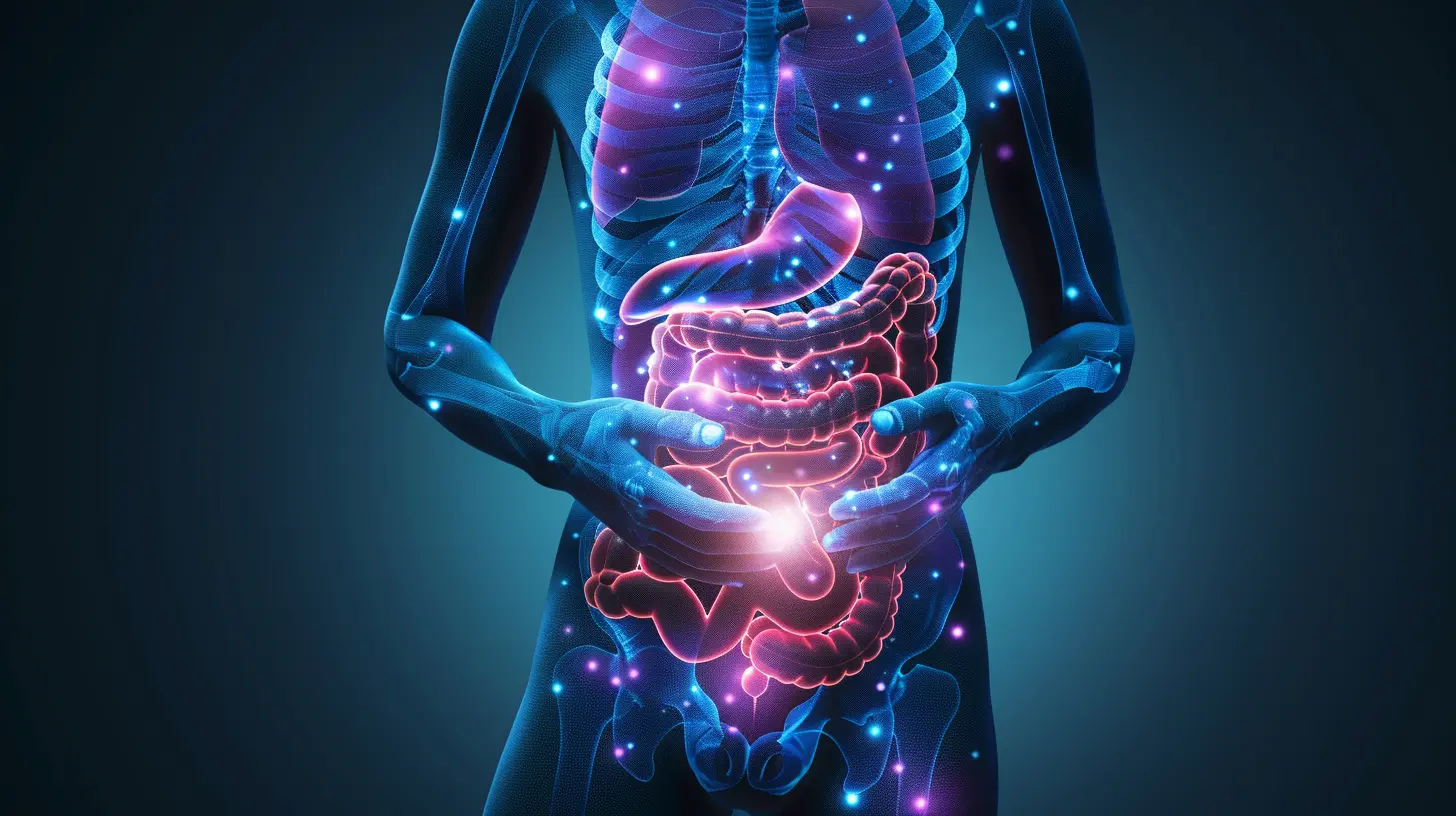
What Is the Gut-Brain Connection?
The gut-brain connection refers to the communication network between your digestive system and central nervous system. This link is made possible by the gut-brain axis (GBA), a two-way street that sends signals back and forth.Think of it like a phone call between your stomach and brain. These two chat through various pathways, including:
- The Vagus Nerve – The body's superhighway for signals between the brain and gut.
- Neurotransmitters – Chemicals like serotonin and dopamine that control mood.
- The Gut Microbiome – Trillions of bacteria in your stomach impact brain function and emotions.
So, if your gut is out of balance, your mental health may suffer, too.
The Role of the Gut Microbiome
Your digestive tract is home to over 100 trillion microbes, collectively known as the gut microbiome. This vast ecosystem influences digestion, immune function, and—believe it or not—mental well-being.But how does gut bacteria affect your brain?
1. Gut Bacteria and Neurotransmitters
A large portion of serotonin, the "feel-good" neurotransmitter, is produced in your gut. If your gut bacteria are out of whack, serotonin production can drop, leading to issues like anxiety and depression.2. Inflammation and Mental Health
An unhealthy gut can cause chronic inflammation, releasing harmful substances that travel to the brain. Inflammation has been linked to depression, brain fog, and even neurodegenerative diseases.3. Stress and Your Gut
Ever had a nervous stomach before a big event? That's because stress impacts digestion. But it works both ways—a troubled gut can send distress signals to your brain, making you feel anxious or overwhelmed.
Symptoms of an Unhealthy Gut
Your body often tells you when something’s wrong. If your gut microbiome is off balance, you might experience:✅ Digestive Issues – Bloating, constipation, diarrhea, or stomach pain
✅ Chronic Fatigue – Constant exhaustion even with enough sleep
✅ Mood Swings & Irritability – Anxiety, depression, or sudden mood shifts
✅ Food Intolerances – Sensitivities to certain foods
✅ Brain Fog – Difficulty concentrating or remembering things
If any of these sound familiar, your gut might need some TLC.
How to Improve Gut Health for Better Mental Well-being
1. Eat a Gut-Friendly Diet
Your gut bacteria thrive on what you eat, so focus on:- Probiotic Foods – Yogurt, kefir, sauerkraut, kimchi, and miso boost good bacteria.
- Prebiotic Foods – Garlic, onions, bananas, and asparagus feed healthy microbes.
- Fiber-Rich Foods – Whole grains, legumes, and fruits keep digestion smooth.
On the flip side, limit junk food, processed sugars, and artificial additives—they can destroy beneficial bacteria.
2. Manage Stress
Since stress and gut health are closely linked, reducing daily stress can do wonders. Try:- Meditation & Deep Breathing – Calms the nervous system.
- Regular Exercise – Keeps the gut microbiome balanced.
- Quality Sleep – Poor sleep disrupts gut bacteria and triggers inflammation.
3. Stay Hydrated
Water plays a vital role in digestion and nutrient absorption. Aim for at least 8 glasses daily to keep things flowing smoothly.4. Avoid Overusing Antibiotics
While antibiotics are sometimes necessary, overuse can wipe out good bacteria, throwing your gut off balance. Always take them responsibly and consider probiotics afterward.5. Consider Supplements
If you're struggling with gut issues, supplements like probiotics, prebiotics, and omega-3s may help restore balance.The Gut-Brain Connection and Mental Health Disorders
Science is discovering more links between gut health and mental conditions. Some key findings include:- Depression & Anxiety – People with these conditions often have an imbalanced gut microbiome.
- Autism Spectrum Disorders (ASD) – Studies suggest gut health plays a role in ASD symptoms.
- Parkinson’s & Alzheimer’s – Poor gut health has been linked to neurodegenerative diseases.
This is a growing field, but one thing is clear: a healthy gut is crucial for a healthy mind.
Final Thoughts
Your gut and brain are like best friends—when one suffers, the other does too. By taking care of your gut, you're also looking after your mental health. Small changes, like eating probiotic-rich foods, reducing stress, and staying hydrated, can make a world of difference.So next time you're feeling off, don't just blame your brain—check in with your gut!
all images in this post were generated using AI tools
Category:
Bowel HealthAuthor:

Sophia Wyatt
Discussion
rate this article
1 comments
Everett Hunter
This article highlights the crucial link between gut health and mental well-being. It's fascinating how our digestive system can influence thoughts and emotions.
June 9, 2026 at 4:26 PM
Sophia Wyatt
I appreciate your insight! The gut-brain connection really is a game changer for understanding our overall health.