How to Practice Emotional Detox Through Self-Reflection
20 January 2026
Let’s be real for a moment. When life feels like a tangled mess of chaos, we often clean out our closets, start new diets, or binge-watch some motivational videos. But what about emotionally cleaning house? Ever considered that your head and heart might be carrying emotional clutter that’s slowing you down?
Emotional detox isn't just some fluffy feel-good trend. It's the much-needed mental spa day your soul's been begging for. And the best way to dive into this inner rinse? You got it—self-reflection. But, not the kind where you just stare off into space and zone out. I’m talking about real, raw, heart-to-heart moments… with yourself.
This guide isn’t just another list of clichés. We're going deep. So grab your mental mop because it's time to get squeaky clean from the inside out.
What Is Emotional Detox, Really?
You might be thinking, “Emotional detox? Sounds like some moon-crystal, incense-burning nonsense.” But stay with me.Emotional detox is the intentional process of identifying, processing, and releasing emotional buildup that no longer serves you. Just like your body needs a break from junk food, your mind needs to reset from emotional gunk—like hurt, anger, stress, or even guilt.
Our daily lives are emotionally demanding. Work stress, social media comparison, old traumas pretending they're forgotten—we carry these around like invisible backpacks full of bricks. An emotional detox helps you unpack that baggage.
Sounds powerful, right? That’s because it is.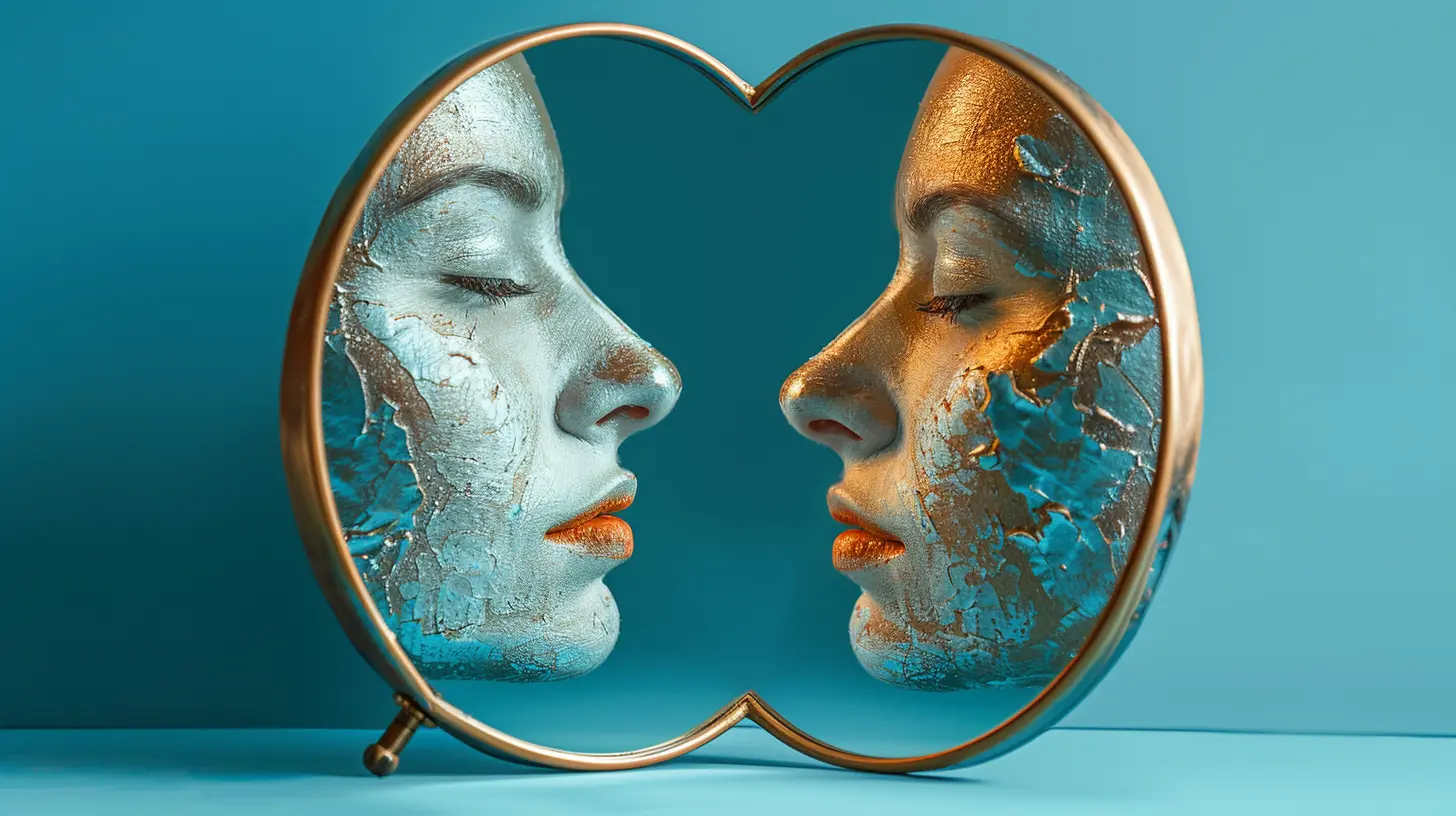
Why Is Self-Reflection the Key?
Here’s the deal—true emotional detox isn’t about just crying in the shower or venting once to your best friend. While that might help in the moment, it doesn’t get to the root of the problem.Self-reflection is like holding a mirror up to your inner world. You get to see your thoughts, beliefs, and patterns more clearly. Think of it as emotional exfoliation—you’re gently scrubbing away the layers you didn't even realize were there.
It lets you pause, observe, and understand. Not judge. Not fix. Just understand.
Self-reflection gives you clarity. And clarity? That’s your superpower.
Signs You’re Overdue for an Emotional Detox
Let’s call it out—sometimes we don’t even realize that we're emotionally overloaded. Here are a few red flags waving in your emotional rearview mirror:- You feel constantly drained or moody.
- You're stuck in a loop of overthinking.
- Old wounds are popping up like unwanted guests.
- You're emotionally reactive over small things.
- You feel numb or disconnected from others (and yourself).
- Your sleep and energy are off.
Sound familiar? Then yeah, it might be time to roll up your sleeves and go inward.
Step-By-Step: How to Practice Emotional Detox Through Self-Reflection
Ready to dive into the deep end of your emotional pool? Don’t worry—I’ll throw you a floatie. Here’s how to unravel the knots and let your soul breathe again.1. Create Space for Stillness
First things first: Get quiet.In a world where noise is constant—notifications, podcasts, conversations—stillness is underrated. But it’s where all magic begins.
Find a quiet space. Maybe it’s your bedroom with a cup of tea, your car parked at the beach, or a morning walk before the world wakes up. Turn off distractions. Silence isn’t empty; it’s full of answers.
Stillness helps your thoughts surface. That’s when you can start seeing what’s really going on beneath your daily routine.
2. Ask Yourself the Right Questions
Here’s where the reflection part kicks in. Don’t just say, “I don’t feel good.” Ask why. Then keep digging.Here are some powerful prompts to get your gears turning:
- What emotion have I been avoiding lately?
- What situations trigger me and why?
- Am I holding onto something I need to release?
- What belief do I have about myself that’s weighing me down?
- Who do I need to forgive—others or maybe myself?
Write your answers down. Seriously. Grab a journal and let it all spill. Think of it as brain vomit—it won't be pretty, but it's cleansing.
3. Name Your Emotions
You ever try to fight a monster you can’t see? Nearly impossible.Naming your emotions gives you power over them. Instead of saying "I feel bad," try identifying it more clearly. Is it jealousy? Shame? Loneliness? Fear?
Putting a name to the feeling shines a light on it. And emotions don’t thrive in the light.
4. Process, Don’t Suppress
Here’s the trap—most people suppress emotions. Bottle them up. Bury them deep. Cover them with productivity or positivity. But what you resist will persist.Processing emotions means sitting with them. Feeling them. Letting them pass through you.
It may look like crying. Screaming into a pillow. Talking it out with someone you trust. Writing a letter you never send. Dancing to a sad playlist.
Do what works for you. Just don’t shove it down. Because repressed emotions rot from the inside.
5. Reframe the Narrative
After you've peeled back the emotional layers, you’ll likely see some patterns. Maybe you always feel unworthy, or you’re stuck in a loop of blaming others for your unhappiness.Now’s your chance to rewrite the story.
Ask yourself:
- What’s the truth I’ve ignored?
- How would I treat a friend going through this?
- What can I shift in my perspective?
This isn't about toxic positivity—it’s about shifting from victim to empowered observer. Life doesn’t happen to you. It happens for you, when you’re willing to learn from it.
6. Release What Isn’t Yours
Sometimes, we carry pain that isn’t even ours. We absorb others’ anger, expectations, or projections without even realizing it.Ask yourself:
- Is this emotion mine?
- Who does this really belong to?
Then visualize releasing it. Out loud, say: “I release what’s not mine to carry.” It might sound cheesy, but your subconscious listens. And it listens well.
Letting go is like unclenching your emotional fists. You can’t receive peace when your hands are full of hurt.
7. Practice Ongoing Conscious Awareness
Here's the truth—emotional detox isn't a one-time event. It's a lifestyle.Check in with yourself daily. Use micro-moments to pause, reflect, and shift. You don’t need an hour-long meditation session every day—just a few minutes of presence.
Ask:
- “How am I truly feeling right now?”
- “Is this reaction coming from a healed place?”
Self-awareness is your emotional compass. Keep it close.
Tools to Supercharge Your Emotional Detox
Let’s sprinkle in a few secret weapons that can amplify your journey.Journaling
This is the OG of self-reflection. Stream-of-consciousness writing gives your inner world a space to breathe. No rules, no filters. Just you and the page.Meditation
Even five minutes of focused breathing can create emotional space. Try guided meditations focused on letting go or inner healing.Breathwork
Big emotions are stored in the body. Breathwork helps you loosen that grip. Deep breathing sends the signal—it’s safe to release.Therapy or Coaching
Sometimes you need a co-pilot. Having a safe, non-judgmental space with a professional can fast-track your emotional release and insight.Benefits That Go Beyond the Surface
You’re probably wondering—what’s on the other side of all this inner work?- 🌿 More peace
- 🤯 Less overthinking
- 🎯 Clearer decisions
- 🧘 Better sleep
- 💬 Healthier relationships
- ❤️ A deeper connection to yourself
Emotional detox through self-reflection peels back who you think you have to be… so you can breathe as who you really are.
Final Thoughts: The Journey Inward Is the Bravest One
Let’s be honest—sitting with your emotions can be uncomfortable. But here’s the thing: peace doesn't come from avoiding pain. It comes from walking through it with open eyes and an open heart.Self-reflection isn’t some chore. It's the purest form of self-respect.
The more you practice it, the lighter you’ll feel. Like finally taking off a heavy coat you forgot you were wearing. Emotional detox isn't about becoming perfect—it's about becoming real.
So, next time your mind feels cluttered and your heart feels heavy, take the time to look inward. Ask the hard questions. Sit in silence. Write it out. Cry it out. Release it all.
Let your soul take a deep, healing breath.
You’ve got this.
all images in this post were generated using AI tools
Category:
Self CareAuthor:

Sophia Wyatt
Discussion
rate this article
2 comments
Quill McAleer
Thank you for this insightful article! The emphasis on self-reflection as a tool for emotional detox is truly valuable. I appreciate the practical tips provided and look forward to implementing them in my daily routine.
February 11, 2026 at 4:54 PM
Sophia Wyatt
Thank you for your kind words! I'm glad you found the article helpful and the tips practical. Wishing you success on your emotional detox journey!
Karson Potter
Essential for mental clarity.
January 26, 2026 at 4:37 AM
Sophia Wyatt
Absolutely! Emotional detox through self-reflection greatly enhances mental clarity by allowing us to process feelings and gain insights.