Top Strategies for Faster Muscle Recovery in 2026
15 April 2026
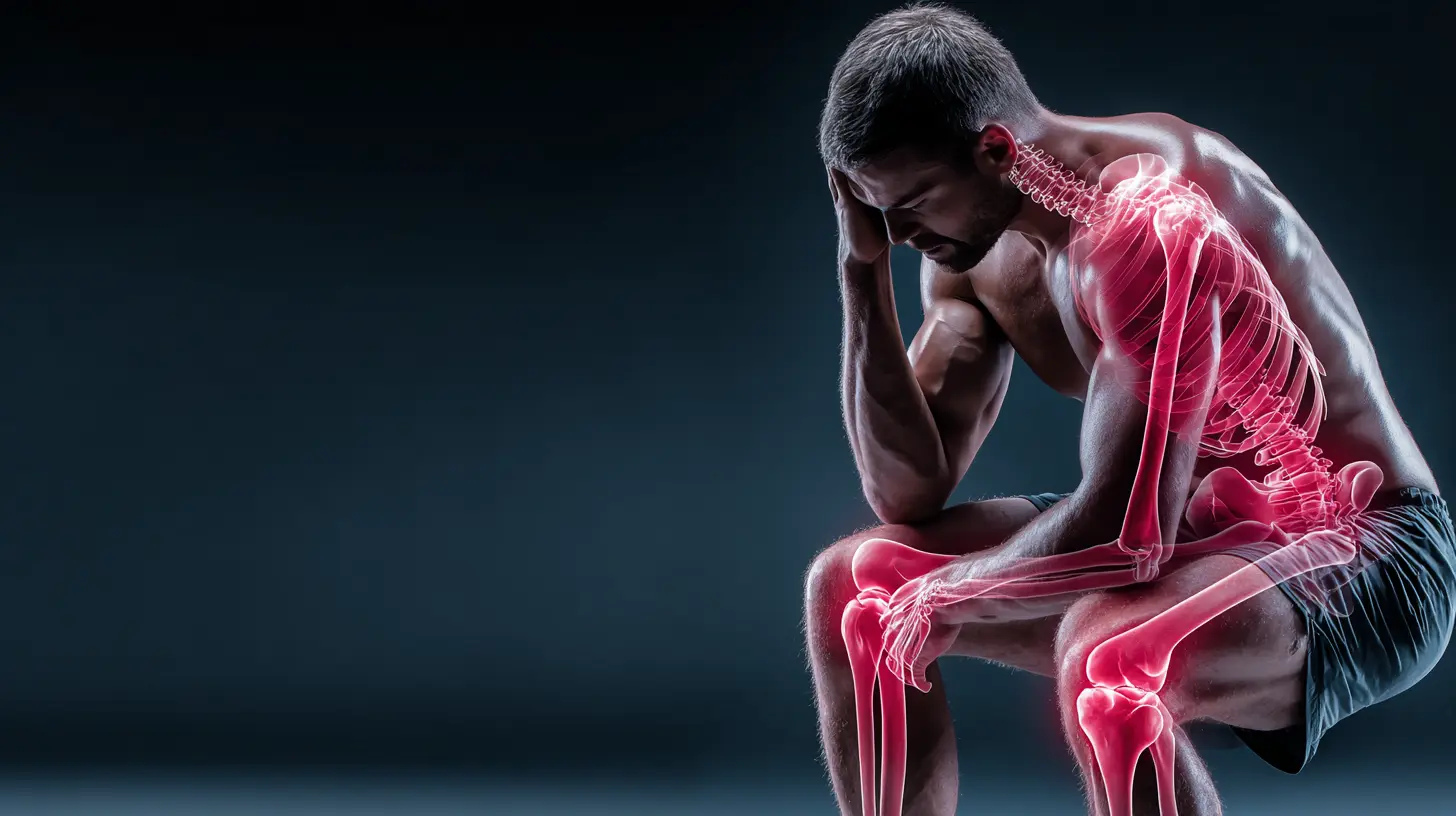
Alright, muscle-havers and soreness-survivors, gather ‘round. Let’s have a real talk. You know that feeling. The day after a legendary workout where you finally nailed those deadlifts or crushed that spin class. You wake up, try to sit up, and your body screams at you in a language composed entirely of creaks, groans, and profound regret. You shuffle to the bathroom, walking like a marionette operated by a toddler. Ah, DOMS. Delayed Onset Muscle Soreness, or as I like to call it, "Proof You Actually Did Something."
For decades, we’ve been chugging protein shakes, icing everything in sight, and stretching in ways that would confuse a pretzel. But friends, welcome to 2026. The future of recovery isn’t about just dealing with soreness; it’s about hacking your body’s own repair systems, outsmarting inflammation, and bouncing back faster than a caffeinated kangaroo. It’s less "ice bath martyrdom" and more "biohacking brilliance."
So, put down that questionable gallon of milk (unless you really love it), and let’s dive into the top, no-nonsense, actually-fun-to-try strategies for faster muscle recovery that are making waves right now. This isn't sci-fi; this is your new reality.

The 2026 Mindset: Recovery Isn’t Laziness, It’s Your Secret Weapon
First, let’s reframe this whole thing. Think of your workout as the act of depositing money into your muscle bank. You’re breaking down tissue (making the deposit). But the real growth, the real strength gains? That happens during recovery, when your body repairs those micro-tears and builds them back stronger (collecting the interest). If you never recover, you’re just making withdrawals and ending up bankrupt, tired, and injured.In 2026, the smartest athletes aren’t just the ones with the best workout plans; they’re the ones with the most sophisticated recovery protocols. It’s the difference between a car that gets driven into the ground and a high-performance vehicle that gets meticulous tuning after every race. Which one do you think performs better, longer? Exactly.

Strategy 1: Hyper-Personalized Nutrition: It’s Not Just Chicken and Broccoli Anymore
Gone are the days of one-size-fits-all macros. In 2026, recovery nutrition is as personalized as your Netflix recommendations.The DNA of Your Dinner: We now have access to affordable nutrigenomic testing. This isn't magic; it's science that can tell you, based on your genes, whether you metabolize carbs efficiently post-workout, if you have a higher need for anti-inflammatory fats like Omega-3s, or if you’re prone to certain nutrient deficiencies that hamper repair. It’s like getting the owner’s manual for your specific body model.
The Rise of "Food as Tech": Think beyond the powder. We’re seeing smart foods engineered for recovery. Imagine a yogurt infused with specific probiotic strains proven to reduce exercise-induced intestinal permeability (aka "leaky gut" from intense sessions). Or a chocolate bar formulated with precise ratios of fast-acting protein, tart cherry extract for inflammation, and adaptogens like rhodiola to blunt cortisol spikes. It’s recovery you can unwrap.
The Timing Tango: The "anabolic window" has been stretched, but strategic timing still matters, especially for how you feel. The new rule? Context is king. A 45-minute moderate jog? Your next normal meal is fine. A brutal two-hour leg day that left you seeing stars? That’s when you deploy the 30-60 minute post-workout "recovery missile": a blend of quick protein (whey or pea) and some easily digestible carbs (like a banana or some rice cakes) to shuttle nutrients into those battered muscles ASAP. It’s less about panic and more about purposeful refueling.
Strategy 2: Tech-Enabled Sleep: Your Overnight Repair Shift
Sleep has always been the ultimate recovery tool. But in 2026, we’re not just trying to sleep better; we’re engineering it.Sleep Gadgets That Actually Work: We’ve moved past basic sleep trackers. Now, we use non-EEG sleep coaches—often a comfortable headband or pad—that use sound waves or gentle pulses to guide your brain into deeper, more restorative stages of sleep (slow-wave and REM sleep). It’s like having a lullaby for your neurons, ensuring your growth hormone (your body’s chief repair mechanic) gets its most productive shift.
Temperature Tuning: Your body needs to drop its core temperature to initiate sleep. Smart mattress pads or bedding systems now actively cool you down as you fall asleep, then maintain the optimal temperature throughout the night. No more waking up in a sweaty puddle. It’s like giving your muscles a cool, constant recovery environment for 8 hours straight.
The Digital Sunset, Evolved: You know about blue light blockers. The 2026 twist? Smart lighting systems that automatically adjust the color temperature in your home as the sun sets, mimicking a natural sunset and priming your melatonin production without you having to think about it. It turns your entire evening into a pre-recovery ritual.
Strategy 3: Smart Compression & Biomodulation: Wearable Recovery
Forget the old, scratchy compression socks your grandpa wore. The new generation is dynamic and data-driven.Dynamic Compression Wear: These aren’t just tight clothes. These are garments with built-in, AI-powered sensors that read muscle stiffness and localized inflammation. After your workout, they can initiate a gentle, rhythmic pulsing compression—like a robotic massage—to enhance lymphatic drainage and blood flow precisely where it’s needed most. It’s like having a sports physio wrapped around your legs while you binge-watch your favorite show.
The Red Light Revolution (Made Smarter): Red light therapy panels are so 2024. The future is targeted photobiomodulation wearables. Think of a sleek sleeve or pad you wrap around a sore knee or shoulder. It delivers specific wavelengths of red and near-infrared light directly to the tissue, powered by your phone. The science suggests it boosts mitochondrial function (the energy powerhouses of your cells), reducing inflammation and oxidative stress at the cellular level. It’s like giving your tired muscle cells a gentle, energizing pep talk with light waves.
Strategy 4: The Mental Game: Neurological Reset
Here’s the wild part: a huge chunk of fatigue and perceived soreness is neurological. Your nervous system is basically the project manager of your body, and after a hard workout, it’s stressed out and overworked. Calming it down accelerates recovery.Vagus Nerve Hacks: The vagus nerve is your body’s superhighway for the "rest and digest" signal. In 2026, athletes are using simple, tech-assisted tools to stimulate it. This can be as simple as a guided humming app (humming vibrates the vocal cords and stimulates the nerve) or a small wearable device that sends a gentle, imperceptible electrical pulse to the neck area to promote a state of calm. A calm nervous system is a recovering nervous system.
The 10-Minute "Body Scan" Meditation (For People Who Hate Meditation): I’m not asking you to levitate. Just lie down for 10 minutes post-shower and, starting from your toes, just notice each body part without judgment. Feel the ache in your quads? Just acknowledge it. The tightness in your shoulders? Note it and breathe into it. This practice of interoception (feeling what’s inside) has been shown to reduce the brain’s alarm response to soreness, dial down systemic stress hormones, and improve sleep quality. It’s like doing a systems check and hitting the "acknowledge all alarms" button so your brain can focus on repair.
Strategy 5: Active Recovery Reimagined: It’s Not a Light Jog
"Active recovery" used to mean a boring walk on the treadmill. Not anymore.Blood Flow Restriction (BFR) Training (The Safe, Smart Way): Using specialized, automated cuffs that precisely control pressure, you can perform very light exercises (like 20% of your max) with a partial restriction of blood outflow. This creates a metabolic storm in the muscle without the mechanical damage, flooding the area with growth factors and promoting repair. It’s the ultimate "signal without the damage" tool, perfect for a recovery day. (Crucial Note: This should only be done with proper, FDA-cleared devices and understanding—no DIY with knee wraps!).
Contrast Water Therapy… At Home: You don’t need two ice baths. The 2026 hack? End your daily shower with 90 seconds of cold (as cold as you can tolerate) followed immediately by 3-4 minutes of comfortably warm water. Repeat this cycle 2-3 times. The rapid vasoconstriction and vasodilation act like a pump for your circulatory and lymphatic systems, flushing out metabolic waste. It’s invigorating, free, and incredibly effective.

Putting It All Together: A Day in the Life of a 2026 Recovery Pro
Let’s paint a picture. It’s Tuesday. You had an insane upper-body workout this morning.* Post-Workout (12:00 PM): You drink your personalized recovery shake (formulated from your nutrigenomic profile). You slip on your dynamic compression sleeves on your arms for 30 minutes while you work.
* Evening (7:00 PM): After dinner, you spend 10 minutes with your targeted red light pad on your shoulders while doing a vagus nerve humming exercise from your app. Your home lighting has already shifted to a warm, sunset glow.
* Bedtime (10:00 PM): You do your 10-minute "body scan" in bed. You put on your sleep coaching headband and set your smart mattress pad to cooling mode. You sleep deeply for 8 hours.
* Next Morning (7:00 AM): You wake up. You move to sit up. And… wait for it… you don’t wince in agony. You feel refreshed. Your muscles feel worked, but not destroyed. You’re ready to tackle the day, and maybe even enjoy your next workout.
See? It’s not about one miracle cure. It’s about stacking these smart, sustainable, and often enjoyable strategies into your life. Recovery in 2026 is smarter, more personalized, and integrated seamlessly into your routine. It’s about working with your biology, not just suffering through it.
So, stop treating your body like a rental car you’re trying to drive into the ground. Start treating it like the high-performance, deeply weird, and wonderful machine it is. Invest in its recovery, and it will pay you back in strength, energy, and gains for years to come. Now, who’s ready to stop hurting and start thriving?
all images in this post were generated using AI tools
Category:
Workout RecoveryAuthor:

Sophia Wyatt
Discussion
rate this article
2 comments
Zeke Kearns
Embrace the journey to a stronger you! Prioritizing recovery is key to building resilience and achieving your fitness goals. Let these strategies empower you to bounce back quicker, ensuring every workout counts. Your best self is just around the corner!
April 22, 2026 at 4:38 AM
Sophia Wyatt
Thank you for the encouragement! Recovery truly makes a difference in reaching fitness goals. Let's keep pushing forward!
Carina Hamilton
In the dance of healing, time will bend, With mindful care and nature’s blend. Embrace the rhythms, let muscles renew, In 2026, strength will bloom anew.
April 18, 2026 at 4:13 PM
Sophia Wyatt
Thank you for your poetic insight! Emphasizing mindful care and natural practices is indeed key to enhancing muscle recovery.