The Science Behind Portion Control and Long-Term Weight Management
29 August 2026
Most people think weight loss is about willpower. They believe that if they just tried harder, they could resist the second slice of pizza or the extra scoop of ice cream. But the real battle is not fought in the mind alone. It is fought in the gut, the brain, and the environment around you. Portion control is not a punishment. It is a scientifically backed strategy that works with your biology, not against it. And when done correctly, it is one of the most sustainable ways to manage your weight for years, not just for a few weeks.
Why Portion Control Fails for Most People
The biggest mistake people make is treating portion control as a temporary diet. They measure their food for a month, lose some weight, then go back to eating normally. Within six months, the weight returns. This happens because they never understood what portion control actually does to their body. It is not just about eating less. It is about resetting your hunger signals, your satiety hormones, and your brain's reward system.When you consistently eat oversized portions, your stomach stretches over time. This is not permanent, but it does raise the threshold for feeling full. Your brain releases less cholecystokinin, the hormone that tells you to stop eating. Your ghrelin, the hunger hormone, stays elevated because it expects large volumes of food. So when you suddenly cut portions, your body fights back with intense cravings and hunger pangs. That is not a lack of willpower. That is a physiological response to a sudden change.
The solution is not to go cold turkey. It is to gradually reduce portions while keeping nutrient density high. This allows your stomach to shrink back to its natural size and your hormones to recalibrate. This process takes about two to three weeks of consistent eating. Most people quit before that adjustment period ends, which is why they think portion control does not work.
The Plate Method: Simpler Than Counting Calories
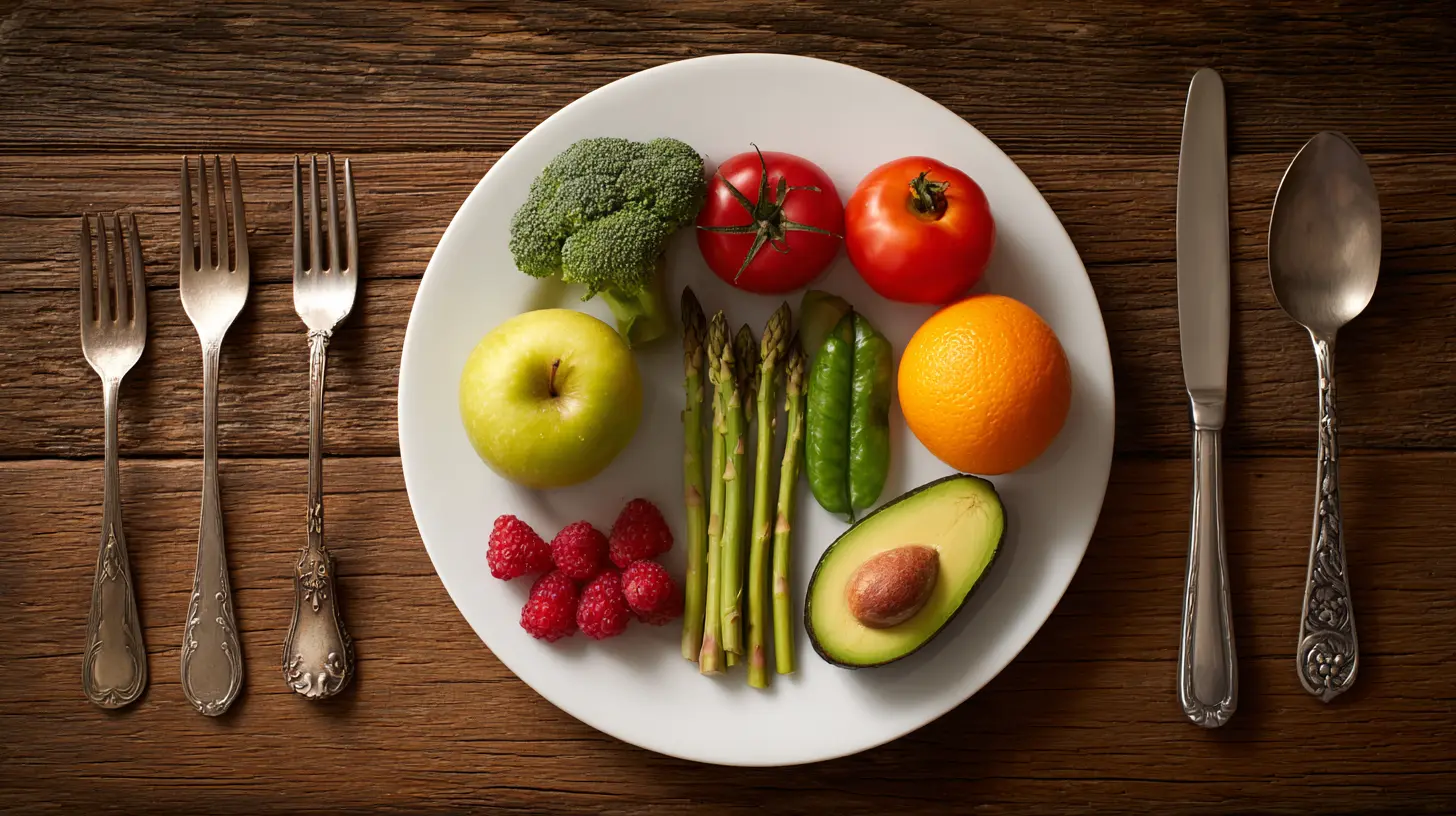
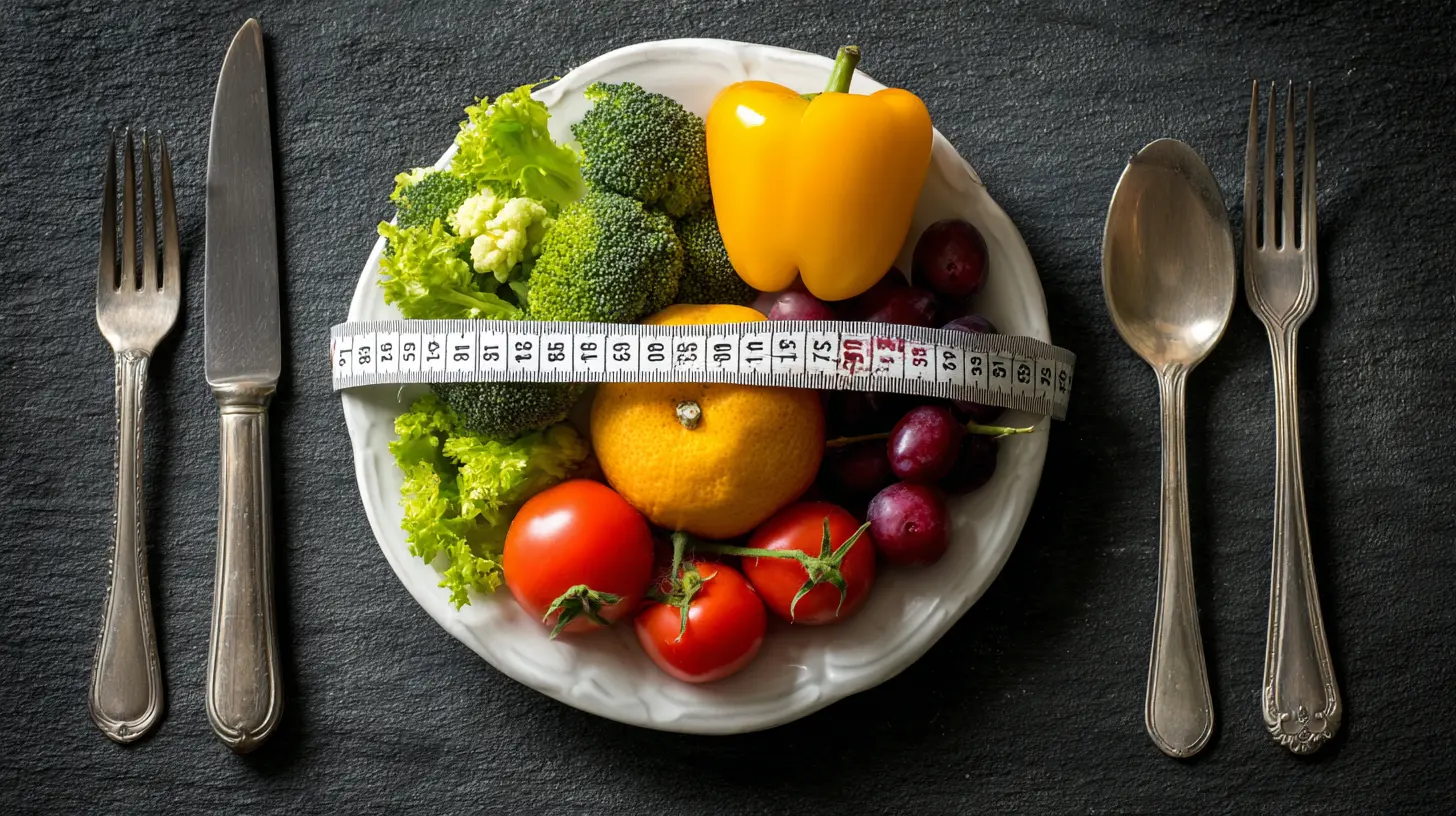
Counting calories is accurate but exhausting. You cannot weigh every gram of food for the rest of your life. That is where the plate method comes in. It is a visual, practical approach that requires no apps, no scales, and no math. The idea is simple: divide your plate into sections.Half of your plate should be non-starchy vegetables. Think broccoli, spinach, peppers, cauliflower, or green beans. A quarter of your plate should be lean protein. Chicken breast, fish, tofu, eggs, or legumes. The remaining quarter is for complex carbohydrates. Brown rice, quinoa, sweet potatoes, or whole wheat pasta. Add a small amount of healthy fat, like olive oil or avocado, and you have a balanced meal.
Why does this work? Vegetables are high in water and fiber but low in calories. They physically fill your stomach and trigger stretch receptors that signal fullness. Protein takes more energy to digest and keeps you satisfied for hours. Complex carbohydrates provide steady glucose release, avoiding the blood sugar spike and crash that leads to cravings. The plate method is not a rigid diet. It is a template that you can adapt to any cuisine or preference.
The trade-off is that this method does not account for cooking methods. A deep-fried vegetable is not the same as a steamed one. You still need to be mindful of sauces, oils, and dressings. But for most people, the plate method is a massive improvement over their current eating habits. It is also easier to maintain because it does not require constant calculation.
The Role of the Brain: Why Visual Illusions Matter
Your brain decides how full you feel, not just your stomach. This is where the science gets fascinating. In a well-known concept called the Delboeuf illusion, the same amount of food looks different depending on the size of the plate. A scoop of pasta on a small plate looks abundant. The same scoop on a large plate looks skimpy. Your brain uses visual cues to predict how much you will eat, and this prediction influences your actual satiety.This is not a trick or a hack. It is a neurological reality. When you serve food on a smaller plate, your brain perceives the portion as larger. You eat the same amount of food but feel more satisfied. Conversely, when you use a large plate, you tend to serve more food because the empty space makes the portion look small. You may eat 20 to 30 percent more without even noticing.
The practical application is straightforward. Use a nine-inch plate instead of a twelve-inch one. Use smaller bowls for cereal and soup. Use smaller glasses for juice and soda. This does not change the food itself, but it changes your perception. And perception drives behavior.
But there is a catch. If you use a smaller plate but still go back for seconds, the effect is lost. The plate method works only if you commit to one serving. To make this easier, serve food in the kitchen rather than placing large serving dishes on the table. When the food is not in front of you, you are less likely to take an extra helping. This is called the proximity effect, and it is a powerful tool.
The Protein Leverage Hypothesis
One of the most overlooked aspects of portion control is the protein content of your meals. The protein leverage hypothesis suggests that your body has a target for protein intake. If you do not meet that target, you will keep eating until you do, even if you consume excess calories from fats and carbohydrates.Imagine eating a breakfast of white toast with jam and orange juice. This meal is high in carbs but low in protein. Your body quickly uses the glucose, but the protein target is unmet. Within two hours, you are hungry again, and you eat a snack. Then lunch, then another snack. By the end of the day, you have consumed far more calories than if you had started with a protein-rich breakfast.
Now imagine the same breakfast but with three eggs and a slice of whole grain toast. The protein content is much higher. Your body reaches its protein target earlier, and the hunger signals are suppressed. You naturally eat less at lunch and dinner without conscious effort.
This is why portion control is not just about volume. It is about macronutrient composition. A portion of chicken breast and a portion of white rice have the same volume, but they affect your appetite very differently. To make portion control sustainable, you need to prioritize protein at every meal. Aim for 25 to 30 grams of protein per meal. This is roughly the size of your palm for meat or two eggs plus a serving of Greek yogurt.
The downside is that high-protein foods can be more expensive and require more preparation. But the benefit is that you will feel fuller with fewer calories, which makes the portion sizes easier to maintain.
The Timing Factor: When You Eat Matters
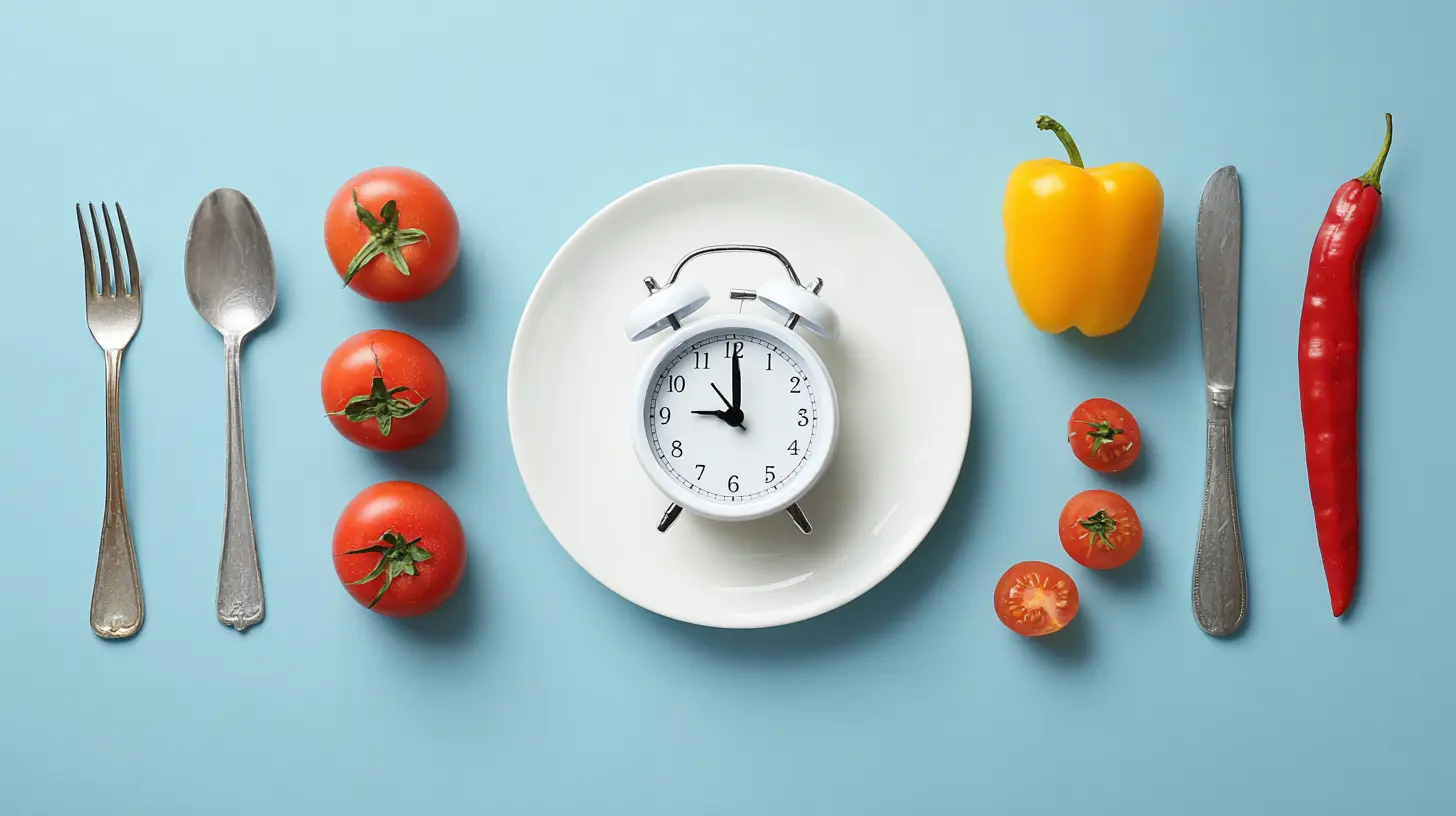
Portion control is often discussed in terms of what and how much. But when you eat is equally important. Your body has a circadian rhythm that affects digestion, metabolism, and hunger hormones. Eating large portions late at night can disrupt this rhythm.In the evening, your body prepares for rest. Insulin sensitivity decreases, meaning your body is less efficient at processing carbohydrates. If you eat a large, carb-heavy meal at nine PM, your blood sugar stays elevated for longer, and more of those calories are stored as fat. late-night eating often leads to poor food choices, like chips, ice cream, or leftover takeout.
This does not mean you should skip dinner or eat nothing after six PM. That is an unrealistic and unhealthy rule. Instead, shift the bulk of your calories to earlier in the day. Breakfast and lunch can be larger portions. Dinner should be the smallest meal of the day, focusing on protein and vegetables rather than heavy carbs.
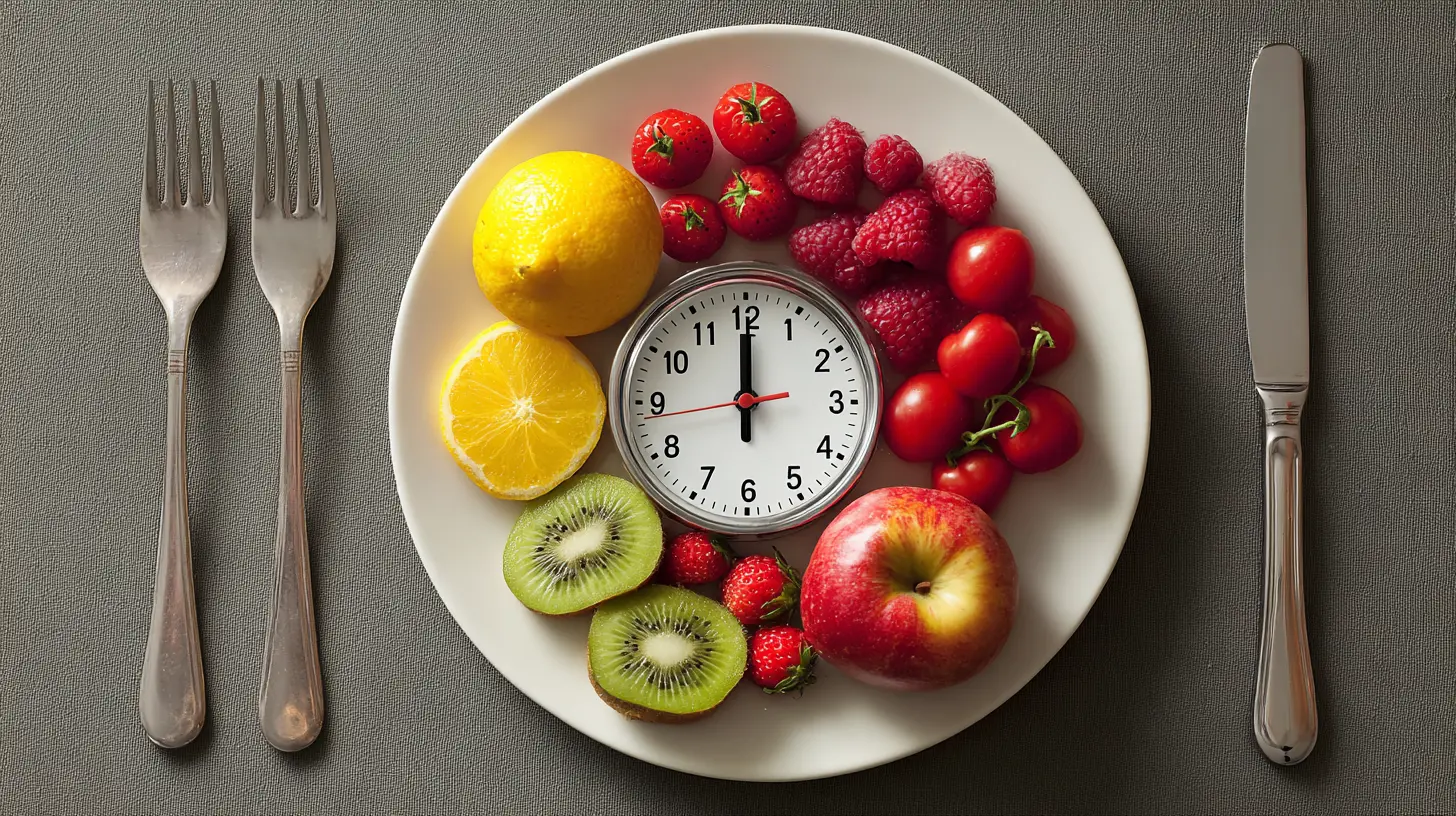
A practical approach is to front-load your calories. Eat a substantial breakfast with protein and fiber. Have a moderate lunch. Make dinner lighter. This aligns with your body's natural insulin sensitivity, which is highest in the morning and decreases throughout the day. People who eat this way often report better energy levels and fewer cravings in the evening.
The trade-off is that this pattern may not fit social situations. Dinners with friends or family are often the largest meals. You can still participate, but you can adjust by eating a smaller lunch or adding an extra walk after dinner. The goal is not perfection but consistency over time.
The Hidden Calories in Liquid Portions
Many people focus on solid food and completely ignore what they drink. This is a critical oversight. Liquid calories bypass your body's satiety mechanisms. Your brain does not register a 300-calorie soda the same way it registers a 300-calorie sandwich. The sandwich fills your stomach and triggers fullness signals. The soda does not.Sugary drinks, fruit juices, sweetened coffee, and alcohol are the biggest culprits. A large sweetened iced tea at a fast food restaurant can contain over 200 calories. A glass of orange juice is around 120 calories. A single craft beer is 200 calories. These add up quickly, and they do not reduce your hunger at all. You drink them, and you still eat the same amount of food.
The solution is not to eliminate all drinks except water. That is unrealistic. But you can apply portion control to liquids. Use a smaller glass. Limit juice to four ounces or less. Choose unsweetened versions of your favorite drinks. Alternate alcoholic beverages with sparkling water. This simple change can save hundreds of calories per day without making you feel deprived.
One important note is that diet drinks are not a perfect solution. Artificial sweeteners may not have calories, but they can affect your gut microbiome and potentially increase cravings for sweet foods. This is not true for everyone, but it is worth paying attention to how your body responds. If diet soda makes you crave sugar, it is better to avoid it and drink plain water or unsweetened tea.
The Environmental Cues That Sabotage You
Your environment is a silent saboteur. You may have the best intentions, but if your kitchen is stocked with large bags of chips and family-sized boxes of cereal, you will eat more. This is not a character flaw. It is a response to visual food cues.Studies on eating behavior show that people eat more when food is visible, when it is easy to reach, and when it is in large packages. The concept of unit bias explains why you eat the whole bag of chips even if it is a small bag. If it is a family-sized bag, you may still eat the whole thing, just more slowly.
To make portion control work long-term, you need to redesign your environment. This means buying food in single-serving packages when possible. It means storing snacks in opaque containers instead of clear ones. It means keeping unhealthy foods out of sight, preferably in a high cabinet or the back of the pantry. It means putting fruits and vegetables at eye level in the fridge.
The most effective strategy is to pre-portion your snacks. When you buy a large bag of almonds, divide it into small zip-top bags with about one serving each. When you are hungry, you grab one bag, not the whole container. This creates a friction point that slows you down and makes you more mindful.
However, this approach has a limitation. Pre-portioning takes time and effort. You have to do it every week. If you are busy, you may skip it and revert to old habits. A better long-term solution is to simply stop buying large quantities of unhealthy snacks. If it is not in your house, you cannot eat it. You may have to make a special trip to the store for a treat, but that extra effort often makes you eat less.
The Importance of Eating Speed
How fast you eat matters as much as how much you eat. Your brain takes about 20 minutes to register fullness. This is because the stretch receptors in your stomach send signals to the brain, but those signals take time to build up. If you eat a meal in five minutes, you have consumed the entire portion before your brain realizes you are full.By the time the fullness signal arrives, you are already uncomfortably stuffed. This leads to overeating at one meal, which can throw off your portion control for the entire day. The solution is to slow down. Put your fork down between bites. Chew each bite thoroughly. Take sips of water during the meal. Try to make the meal last at least 20 minutes.
This is not just a behavioral trick. It has a physiological basis. When you eat slowly, your body releases incretin hormones that enhance insulin secretion and promote satiety. Eating slowly also reduces the peak blood sugar response after a meal, which helps prevent the energy crash that leads to cravings.
The challenge is that modern life is fast-paced. You may have only 15 minutes for lunch. In that case, you can still slow down by removing distractions. Do not eat at your desk while working. Do not watch TV while eating. Focus solely on the food. This mindfulness makes you more aware of portion sizes and hunger levels.
The Rebound Effect and How to Avoid It
One of the most frustrating aspects of portion control is the rebound. You stick to your portions for weeks, then one day you binge. You feel guilty, and you give up entirely. This is a predictable pattern, and it has a scientific explanation.Strict portion control triggers psychological deprivation. When you feel that certain foods are forbidden, you desire them more. This is called the ironic process theory. The more you try to suppress a thought, the more it comes back. When you finally give in, you do not just eat a little. You eat a lot because your brain is trying to compensate for the deprivation.
The solution is to build flexibility into your portion control. Do not aim for perfect adherence. Aim for 80 percent adherence. This means that most of the time, you eat controlled portions. But once or twice a week, you allow yourself a treat without guilt. This could be a slice of cake at a birthday party or a larger portion of pasta at a restaurant.
This is not a cheat day. It is a planned, intentional deviation. The key is that you do not let one meal turn into a whole day or a whole week of overeating. After the treat, you return to your normal portions at the next meal. This approach prevents the psychological backlash that leads to binges.
Another way to avoid the rebound is to use the 80/20 rule. Eighty percent of your meals are carefully portioned and nutrient-dense. Twenty percent are flexible. You can eat whatever you want, but you still practice portion awareness. You might have a burger, but you skip the fries. You have a slice of pie, but you share it. This balance is more sustainable than strict rules.
The Role of Sleep and Stress
Portion control does not happen in a vacuum. Your sleep and stress levels directly affect your ability to control portions. When you are sleep-deprived, your body produces more ghrelin and less leptin. Ghrelin makes you hungry. Leptin makes you feel full. This combination is a recipe for overeating.A single night of poor sleep can increase your calorie intake the next day by several hundred calories. This is because your brain seeks quick energy from high-carb, high-fat foods. You crave donuts, not broccoli. If you are chronically sleep-deprived, your portion control efforts will be constantly undermined.
Similarly, stress raises cortisol levels. Cortisol increases your appetite, particularly for sugary and fatty foods. It also promotes fat storage around the abdomen. When you are stressed, you are more likely to eat emotionally, and emotional eating is almost always portion-blind.
To make portion control work, you need to address these underlying factors. Aim for seven to nine hours of sleep per night. Practice stress management techniques like deep breathing, walking, or journaling. These are not just feel-good activities. They are biological interventions that make portion control easier.
If you are sleep-deprived, do not blame yourself for overeating. Recognize that your hormones are working against you. Prioritize sleep for a week and see how your appetite changes. Most people are surprised by how much easier it is to stick to portions after a good night's rest.
Common Mistakes and Misconceptions
There are several myths about portion control that need to be debunked. The first is that you have to eat small meals every two to three hours to boost your metabolism. This is not true. Meal frequency does not significantly affect metabolism. What matters is total daily calorie intake and protein distribution. You can eat three balanced meals or five smaller ones. Choose the pattern that fits your lifestyle.The second misconception is that portion control means eating tiny amounts. This is false. A portion is a specific amount, but it can be generous. For example, a portion of vegetables is one to two cups. That is a lot of food. A portion of cooked pasta is one cup, which is about the size of a tennis ball. You can eat a satisfying meal with these portions, especially if you fill half your plate with vegetables.
Another mistake is relying on restaurant portions as a reference. Restaurant servings are often two to three times larger than standard portions. If you eat out frequently, you are probably overeating without knowing it. The best practice is to ask for a to-go box at the start of the meal and put half of your entree away before you start eating. This is not wasteful. It is strategic.
Finally, many people think that healthy food does not need portion control. This is incorrect. Nuts, avocado, olive oil, and whole grains are healthy, but they are also calorie-dense. A cup of almonds has over 800 calories. You can gain weight eating "healthy" foods if you eat them in excess. Portion control applies to all foods, regardless of their health status.
Practical Steps to Start Today
You do not need to overhaul your entire life to benefit from portion control. Start with one meal. Pick breakfast, for example. Use a smaller plate. Fill half with vegetables or fruit, a quarter with protein, and a quarter with whole grains. Drink water instead of juice. Eat slowly for 20 minutes. Do this for one week.The next week, apply the same principles to lunch. Then to dinner. Then to snacks. This gradual approach allows your body to adapt without feeling deprived. You are retraining your brain and your hormones, not just your behavior.
Keep a food diary for a few days. Not to count calories, but to become aware of your portions. Most people are shocked by how much they actually eat. Seeing it in writing makes the problem concrete. After a week, you can stop the diary and rely on visual cues.
Finally, be patient. Portion control is not a quick fix. It is a skill that takes practice. You will have days when you overeat. That is normal. The goal is not perfection. The goal is to be better than you were last month. Over time, these small changes compound into significant weight loss and long-term health improvements.
The science is clear. Your body can adapt to smaller portions. Your brain can learn new visual cues. Your hormones can reset. But this only happens if you are consistent and forgiving. Do not fight your biology. Work with it. Use smaller plates. Prioritize protein. Slow down. Manage your stress. And remember that one meal does not define your progress. What matters is what you do most of the time, not some of the time.
all images in this post were generated using AI tools
Category:
Portion ControlAuthor:

Sophia Wyatt
Discussion
rate this article
1 comments
Sari McKellar
Understanding portion control is key to sustainable weight management. It empowers us to enjoy our food while making mindful choices for better health outcomes.
September 14, 2026 at 3:56 AM