How to Tackle Dark Spots and Hyperpigmentation
25 December 2025
Let’s keep it real — dark spots and hyperpigmentation can be stubborn little gremlins on your face that refuse to pack their bags and leave. They show up uninvited: after a breakout, from too much sun, or thanks to your hormones acting like they own the place. But guess what? You don’t have to live with them forever. Banish those blotchy villains and say hello to brighter, more even-toned skin! 🦸♀️
In this no-fluff, straight-talking guide, we're diving deep into how to tackle dark spots and hyperpigmentation without losing your mind (or your paycheck). Forget about filters — let’s start fixing things at the root.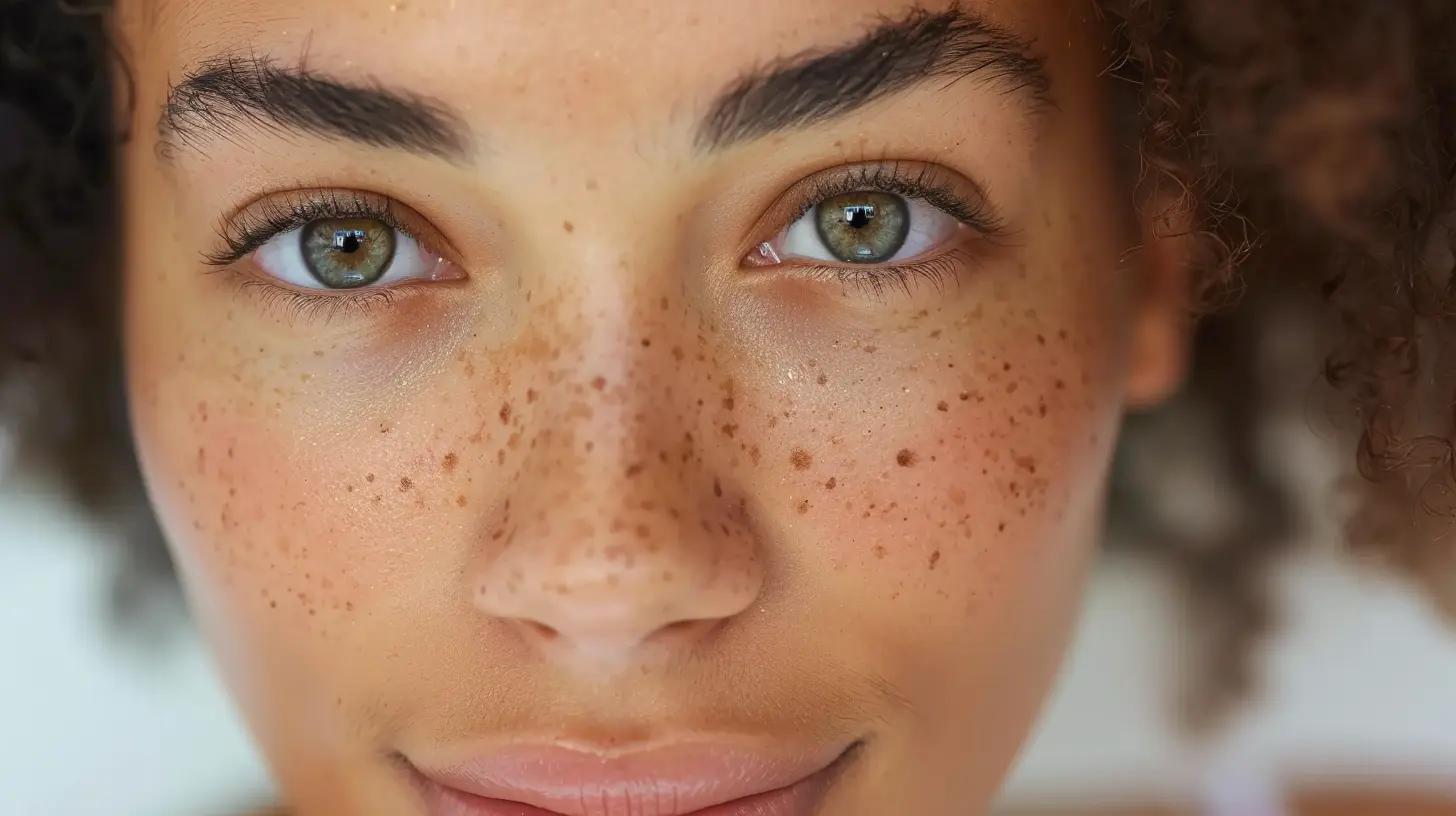
💥 What the Heck Is Hyperpigmentation Anyway?
Before we start throwing serums at the problem, let’s get to know our enemy. Hyperpigmentation is basically when your skin decides to play favorites and produces too much melanin (the stuff that gives your skin its color) in certain spots. The result? Patches that are darker than your regular skin tone.The Usual Culprits:
- Post-inflammatory hyperpigmentation: Break out? Scratched a pimple? BAM — dark spot.- Sun exposure: That summer tan? It could be the sidekick to age spots and uneven patches.
- Hormonal changes: Enter melasma, AKA “the mask of pregnancy” (but it can strike other times too!).
- Medication or medical conditions: Some meds and diseases can throw your melanin into overdrive.
If any of this sounds familiar, don’t panic. Your skin isn’t betraying you — it's just asking for a little TLC. 👏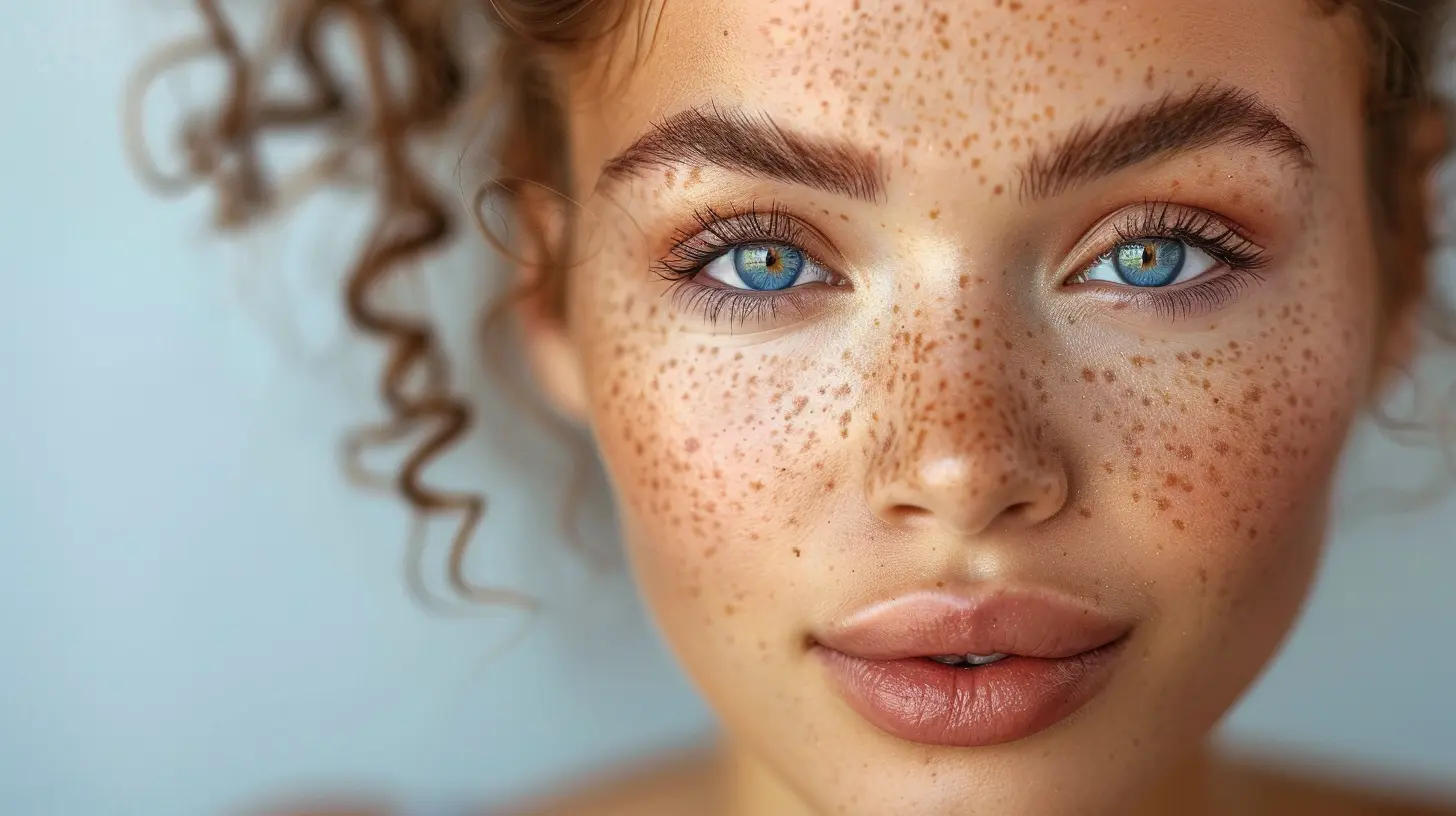
✨ First Things First: Protection Is Queen
I’m gonna say it louder for the people in the back: sunscreen is non-negotiable.Using SPF is not optional if you’re serious about treating dark spots. UV rays are sneaky little devils that can worsen hyperpigmentation faster than you can say, “Where’d that spot come from?”
Your SPF Game Plan:
- Use broad-spectrum SPF 30 or higher every. single. day. (Yes, even on cloudy days.)- Reapply every two hours if you’re outdoors.
- Bonus points for mineral-based sunscreens (zinc oxide or titanium dioxide), which tend to be gentler on sensitive skin.
Staying protected is the easiest way to make sure you’re not undoing all your hard work while trying to fade spots. Think of sunscreen as your skin’s bodyguard — firm, reliable, and always watching your back.
🧪 The Ingredients That Mean Business
Let’s be real — not all skincare was created equal. Some ingredients are just hyped-up water in a pretty bottle. But lucky for you, I’ve narrowed it down to the real MVPs — the ones that actually help fade dark spots.1. Vitamin C – The Brightness Booster 🍊
This antioxidant is your go-to glow-up agent. It mops up free radicals (those nasty things from pollution and UV rays), boosts collagen, and brightens your skin like a ring light.- Use in the AM before applying sunscreen.
- Look for concentrations between 10–20% for good results.
- Watch out — it can be unstable, so grab products in dark bottles and keep them away from heat.
2. Niacinamide – The Peacekeeper
This form of vitamin B3 is the calm, chill friend your skin needs. It reduces inflammation, limits pigment transfer, and helps with oil control.- Super gentle, even for sensitive skin.
- Plays well with most other ingredients.
- Ideal for use morning or night — or both.
3. Retinoids (Retinol, Tretinoin) – The Cell Turnover Queen
Retinoids speed up cell turnover, which means your dull, spotty top layer gets pushed off faster — revealing fresher, clearer skin underneath.- Start slow if you're new (think 2-3 times a week).
- Use at night only; follow with moisturizer.
- Don't forget SPF in the morning — your skin will be extra sensitive.
4. Alpha Arbutin – The Gentle Fader
Arbutin inhibits melanin production in a super calm, non-irritating way. It's like the polite ninja of hyperpigmentation treatments.- Works great in serums.
- Combine with vitamin C or niacinamide for an extra punch.
5. Azelaic Acid – The Underdog
This multitasker fights acne, evens tone, and reduces redness. Bonus? It’s safe during pregnancy and breastfeeding.- Use in the AM or PM.
- Great for rosacea-prone skin.
- Often found in prescription strength too.
🧼 Skincare Routine to Kick Hyperpigmentation’s Butt
You don’t need a 12-step routine. Let’s simplify your skincare strategy for max results:Morning Routine:
1. Gentle Cleanser – Cleans without stripping.2. Vitamin C Serum – Brighten up!
3. Niacinamide (optional) – Soothe and balance.
4. Moisturizer – Hydrate that gorgeous face.
5. Sunscreen SPF 30+ – Non-negotiable.
Night Routine:
1. Double Cleanse (if wearing makeup or SPF).2. Exfoliate 2x a week – Think AHA (glycolic) or BHA (salicylic) to clear dead skin.
3. Retinol or Azelaic Acid – Fade and smooth.
4. Moisturizer – Always seal it in.
Stick with it. It usually takes 6-12 weeks to see significant changes, but with consistency, you’ll be glowing like a damn disco ball.
🚫 What NOT to Do (Because Sabotage Is Real)
Let’s shut down the things that could be quietly undoing all your progress.1. Don’t Pick at Your Skin
I get it, a pimple can be annoying. But picking it is like sending an engraved invitation to hyperpigmentation — just don’t.2. Don’t Over-Exfoliate
More is not more. Overdoing it with acids and scrubs can irritate your skin and actually make dark spots worse.3. Don’t Mix Random Actives
Layering retinol, AHAs, and vitamin C like you’re making a skincare cocktail — stop. Always know what plays well together. Or better yet, keep it simple.4. Don’t Skip Sunscreen
Yes, I’m repeating it. That’s how important it is. If you skip SPF, nothing else matters. Period.🧖♀️ Got Money to Spend? Here’s When to See a Pro
If OTC (over-the-counter) products aren’t cutting it, or if your pigmentation is severe, a dermatologist can change the game. Here’s what they’ve got in their magic bag of tricks:Chemical Peels
Professional-grade exfoliation that removes the top layers of skin and triggers new skin regeneration.Laser Treatments
More aggressive (and often pricier) options like fractional lasers or IPL (intense pulsed light) can target deeper pigment.Prescription Creams
Hydroquinone, tretinoin, and corticosteroids in precise doses to zap pigmentation fast (but always under supervision).Sometimes a quick chat with a pro can save you months of frustration. And your skin will thank you later.
🧡 Real Talk: Patience is Your Bestie
I wish I could tell you there’s a magic wand somewhere, but fading dark spots takes time. Like, weeks or even months. The key is consistency and patience. Talk sweet to your skin, give it what it needs, and don’t give up just because you don’t see instant transformation.Think of your skin like a plant — it won’t bloom overnight, but with enough sunlight, water, and love (read: SPF, serums, and hydration), it’ll flourish.
💬 Final Thoughts
Hyperpigmentation doesn’t have to be your forever-plus-one. With the right ingredients, a fierce routine, and a dash of patience, you can absolutely tackle dark spots and rock that even, radiant complexion. Don’t let a few dark patches dim your light — you’re just one serum away from your glow-up. Now go slay!all images in this post were generated using AI tools
Category:
Healthy SkinAuthor:

Sophia Wyatt
Discussion
rate this article
2 comments
Makayla Green
Great tips! Tackling dark spots can feel overwhelming, but it’s comforting to know that with the right care and a little patience, we can make a difference. Loving the reminder that we’re all in this journey together—let’s embrace our skin and celebrate the progress! 🌟
January 23, 2026 at 5:50 AM
Sophia Wyatt
Thank you for your kind words! Embracing the journey and supporting each other is key. Together, we can achieve healthy, radiant skin! 🌟
Xeno Morrow
Consistent sunscreen use helps!
December 26, 2025 at 4:05 PM
Sophia Wyatt
Absolutely! Consistent sunscreen is crucial in preventing further dark spots and protecting your skin from UV damage.