The Role of Hydration in Your Immune System
29 September 2026
Your immune system is a complex network of cells, tissues, and organs that work together to defend your body against harmful invaders. While nutrition, sleep, exercise, and stress management often dominate conversations about immune health, one foundational element frequently gets overlooked: water. Hydration is not just about quenching thirst or keeping your skin glowing. It directly influences how well your immune system functions, from the barriers that block pathogens to the cellular communication that coordinates your body's defense response.
Understanding the connection between hydration and immunity gives you a practical lever you can pull every single day. It costs almost nothing, requires no prescription, and produces measurable effects on how your body resists and recovers from illness.

Why Water Matters More Than You Might Think
Every cell in your body depends on water to function. Blood plasma is roughly 90 percent water. Lymph, the fluid that carries immune cells through your lymphatic system, is primarily water. Mucus membranes that line your respiratory and digestive tracts rely on moisture to trap and expel pathogens. When your body is well hydrated, these systems operate efficiently. When it is not, the entire defense network slows down.Think of your immune system as a city's emergency response team. The cells are the firefighters, police officers, and paramedics. Water is the road network they use to reach emergencies. If the roads are blocked or flooded, response times increase, coordination breaks down, and the damage grows. Hydration keeps those roads clear.
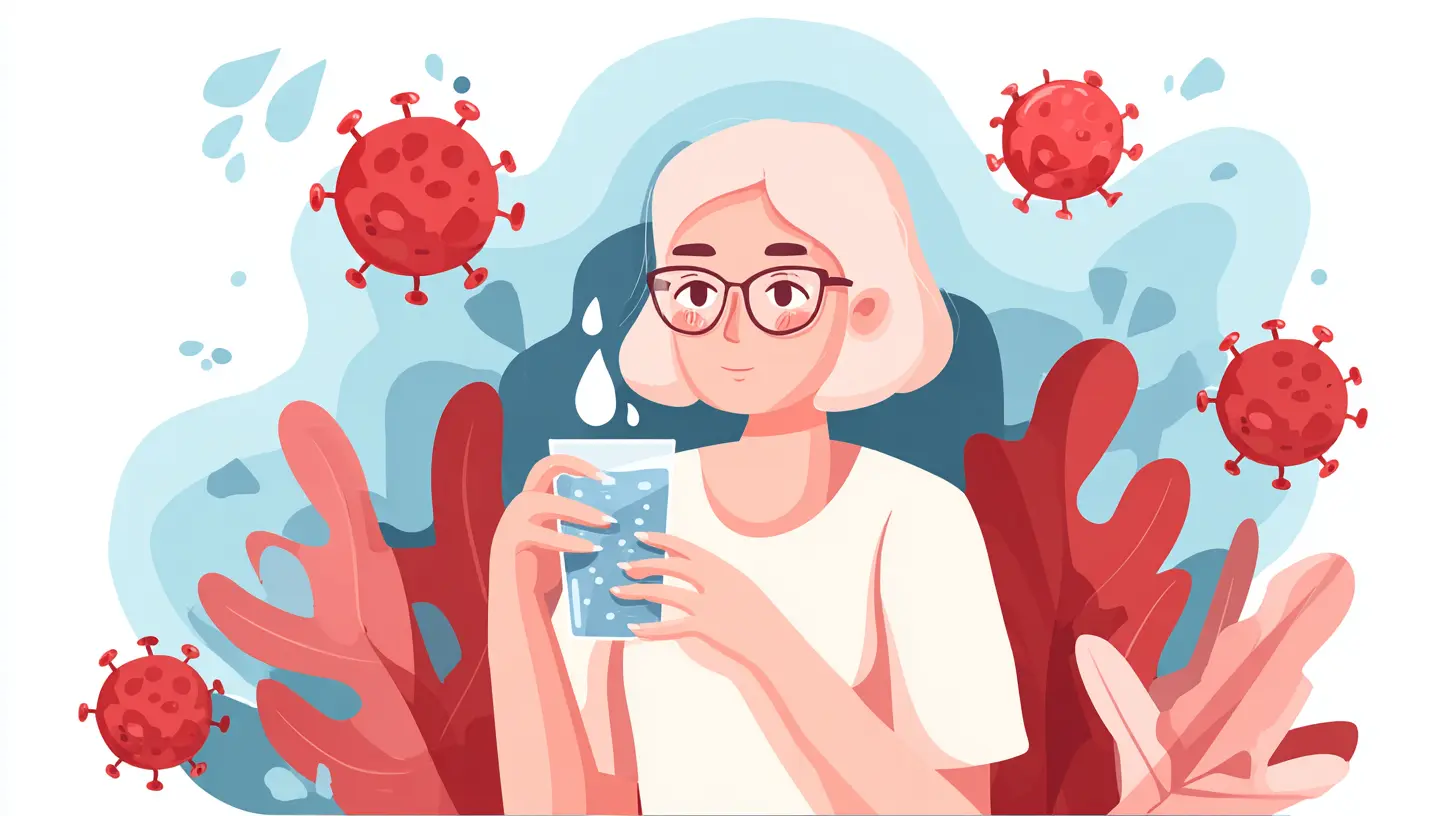
The Biological Mechanisms Linking Hydration to Immunity
To appreciate why hydration matters, you need to understand a few key mechanisms.Lymphatic System Function
Your lymphatic system is a network of vessels and nodes that transports lymph, a clear fluid containing white blood cells such as lymphocytes and macrophages. Unlike the cardiovascular system, which has a pump (your heart), the lymphatic system relies on muscle movement and hydration to keep fluid moving. When you are dehydrated, lymph becomes thicker and flows more slowly. This sluggish movement means immune cells reach infection sites later and waste products are cleared less efficiently.Mucosal Barriers
Your respiratory tract, gastrointestinal tract, and eyes are lined with mucous membranes that serve as physical barriers against pathogens. Mucus traps viruses, bacteria, and other particles. Tiny hair-like structures called cilia then sweep the trapped invaders out of your body. Proper hydration keeps mucus thin and movable. When you are dehydrated, mucus becomes thick and sticky, cilia cannot function properly, and pathogens have more opportunities to penetrate deeper tissues.Blood Volume and Circulation
Water makes up the majority of your blood volume. Adequate blood volume ensures that oxygen, nutrients, and immune cells circulate efficiently throughout your body. Dehydration reduces blood volume, which can impair circulation to peripheral tissues and slow the delivery of immune reinforcements to areas under attack.Cellular Signaling
Immune cells communicate through chemical signals called cytokines. These signaling molecules travel through bodily fluids. Dehydration can disrupt the delicate balance of these signals, potentially leading to either an underactive immune response or excessive inflammation. Both extremes are problematic.Temperature Regulation
Fever is one of your body's primary defense mechanisms. It creates an environment less favorable for many pathogens and enhances certain immune functions. However, fever increases fluid loss through sweating and increased respiration. Without adequate hydration, your body struggles to sustain a fever safely and may resort to other, less effective strategies.
Dehydration and Increased Susceptibility to Illness
Research consistently suggests that even mild dehydration can impair immune function. Studies on athletes and military personnel show that physical stress combined with dehydration leads to higher rates of upper respiratory infections. While extreme cases make the connection obvious, the subtler effects of chronic mild dehydration are more relevant for most people.Consider this scenario. You sleep poorly, skip breakfast, drink two cups of coffee, and head to work. By mid-afternoon, you have had no water. Your throat feels scratchy. You assume you are catching a cold. In reality, your mucous membranes have dried out, your cilia are sluggish, and your immune system is operating at reduced capacity. The scratchy throat is a signal that your first line of defense is compromised.

Hydration and Specific Immune Components
Different parts of your immune system respond to hydration in distinct ways.White Blood Cells
Neutrophils, macrophages, and natural killer cells all depend on proper fluid balance to migrate to infection sites. Dehydration can reduce their motility and phagocytic activity, meaning they engulf pathogens less effectively.Antibodies
Antibodies are proteins produced by B cells that neutralize specific pathogens. They circulate in blood and lymph. Reduced fluid volume means lower concentrations of antibodies reaching target tissues.Complement System
The complement system is a group of proteins that enhance the ability of antibodies and phagocytic cells to clear pathogens. These proteins require an aqueous environment to function properly.Gut Microbiome
Your gut houses a vast community of microorganisms that play a critical role in immune regulation. The mucosal layer protecting your intestinal lining depends on hydration. When this layer dries out, the barrier becomes more permeable, potentially allowing harmful bacteria and toxins into the bloodstream. This condition, sometimes called leaky gut, can trigger systemic inflammation and weaken immune defenses.How Much Water Do You Actually Need?
The classic advice to drink eight glasses of water per day is a simplification. Your actual needs depend on body size, activity level, climate, diet, medications, and health status. A more useful approach is to monitor your body's signals.Signs of Adequate Hydration
- Urine is pale yellow to light straw colored- You rarely feel thirsty
- Your mouth and lips are moist
- You urinate several times per day
- You have consistent energy levels
Signs of Dehydration
- Dark yellow or amber urine- Dry mouth, lips, or skin
- Fatigue or dizziness
- Headaches
- Reduced urination frequency
- Difficulty concentrating
General Guidelines
Most healthy adults need between 2 and 3.5 liters of total water per day from all sources, including food and other beverages. Fruits, vegetables, soups, and herbal teas contribute significantly. If you exercise intensely, live in a hot climate, or are recovering from illness, your needs increase.
Hydration Strategies That Support Immune Health
Not all hydration strategies are equal. How you hydrate matters as much as how much you drink.Drink Consistently Throughout the Day
Chugging a large amount of water at once leads to rapid excretion. Your body can only absorb so much at a time. Sipping steadily allows for better absorption and sustained hydration.Include Electrolytes When Appropriate
Plain water is sufficient for most daily needs. However, if you sweat heavily, have diarrhea, or are vomiting, you lose electrolytes such as sodium, potassium, and magnesium. In these situations, adding a pinch of salt to water or using an oral rehydration solution can improve absorption and restore balance. Commercial sports drinks often contain excessive sugar, so consider making your own electrolyte drink with water, a small amount of salt, and a squeeze of lemon or orange.Eat Water-Rich Foods
Cucumbers, watermelon, celery, lettuce, tomatoes, strawberries, and citrus fruits have high water content. They also provide vitamins and phytonutrients that support immune function.Limit Dehydrating Beverages
Alcohol and caffeine have mild diuretic effects. Moderate consumption is generally fine, but relying on them for hydration is counterproductive. For every alcoholic or caffeinated drink, consider following it with a glass of water.Pair Water with Immune-Supporting Nutrients
Hydration works best when combined with nutrients that support immunity. Vitamin C, vitamin D, zinc, and antioxidants all play roles in immune function. Water helps transport these nutrients to the cells that need them.Common Mistakes and Misconceptions
Myth: Coffee and Tea Cause Dehydration
While caffeine has a mild diuretic effect, the fluid in coffee and tea still contributes to your total water intake. Moderate consumption does not lead to net dehydration. However, very high caffeine intake can increase fluid loss, so balance is key.Myth: If You Are Not Thirsty, You Are Hydrated
Thirst is a lagging indicator. By the time you feel thirsty, you may already be mildly dehydrated. Older adults often have a diminished thirst response, making conscious hydration more important.Mistake: Drinking Too Much Water
Hyponatremia, a condition caused by dangerously low sodium levels, can occur if you drink excessive amounts of water without electrolytes. This is rare but serious. Endurance athletes and people with certain health conditions need to be particularly careful.Mistake: Ignoring Medications That Affect Hydration
Diuretics, certain blood pressure medications, and some antidepressants can increase fluid loss. If you take these, discuss hydration strategies with your healthcare provider.
Hydration During Illness and Recovery
When you are sick, your fluid needs increase. Fever, sweating, vomiting, and diarrhea all deplete your body's water reserves. Proper hydration during illness supports immune function and speeds recovery.What to Drink When You Are Sick
- Water- Herbal teas with honey and lemon
- Broth or soup
- Oral rehydration solutions
- Diluted fruit juice
What to Avoid
- Alcohol- Excessive caffeine
- Sugary sodas
- Very cold beverages if they irritate your throat
When to Seek Medical Help
If you cannot keep fluids down, experience severe diarrhea or vomiting, or show signs of severe dehydration such as confusion, rapid heartbeat, or sunken eyes, seek medical attention immediately.Hydration for Different Life Stages
Children
Children have higher water needs relative to their body weight and are more susceptible to dehydration. Encourage regular water breaks, especially during play and hot weather. Offer water-rich snacks like watermelon and cucumber.Older Adults
As you age, your sense of thirst diminishes and your kidneys become less efficient at conserving water. Older adults should drink regularly, even when not thirsty. Certain medications can further increase dehydration risk.Pregnant and Breastfeeding Women
Fluid needs increase during pregnancy and lactation. Adequate hydration supports the immune system of both mother and child. Breast milk is primarily water, so nursing mothers need to drink consistently.Athletes and Active Individuals
Exercise increases fluid loss through sweat and respiration. Hydrate before, during, and after physical activity. For sessions lasting longer than an hour, consider electrolyte replacement.
The Gut-Immune-Hydration Connection
Your gut is home to trillions of bacteria that influence immune function. The intestinal lining is a single layer of cells that must remain moist and intact to prevent harmful substances from entering your bloodstream. Hydration supports the production of mucus, which houses beneficial bacteria and serves as a barrier against pathogens.When you are dehydrated, this mucus layer thins, and the intestinal barrier becomes more permeable. This can lead to inflammation and a weakened immune response. Drinking enough water, eating fiber-rich foods, and consuming fermented foods can all support gut health and, by extension, immune health.
Practical Daily Hydration Plan
Here is a simple framework you can adapt to your lifestyle.Morning
Start your day with a glass of water before coffee or breakfast. This rehydrates you after hours of sleep and kickstarts your metabolism.Mid-Morning
Keep a water bottle at your desk or in your bag. Sip regularly. If you feel hungry, drink water first. Thirst is often mistaken for hunger.Afternoon
Have a cup of herbal tea or a glass of water with lunch. If you exercise in the afternoon, drink an extra glass before and after.Evening
Drink water with dinner. Limit fluids close to bedtime if you wake frequently to urinate, but do not skip evening hydration entirely.Throughout the Day
Eat water-rich fruits and vegetables. Monitor your urine color. Adjust based on activity, weather, and how you feel.
When Hydration Alone Is Not Enough
Hydration is a foundation, not a cure-all. If you are chronically ill, immunocompromised, or experiencing persistent symptoms, water alone will not solve the problem. Immune health depends on a combination of factors including sleep, nutrition, stress management, exercise, and medical care. Hydration amplifies these efforts but does not replace them.Similarly, if you have kidney disease, heart failure, or other conditions that require fluid restriction, follow your doctor's advice. More water is not always better.
Final Thoughts
Hydration is one of the simplest, most accessible tools you have for supporting your immune system. It keeps your lymphatic system flowing, your mucosal barriers intact, your gut microbiome balanced, and your immune cells ready to respond. It costs almost nothing and requires no special equipment. Yet millions of people walk around mildly dehydrated every day, unaware that their fatigue, headaches, and frequent colds may be linked to something as basic as not drinking enough water.You do not need to obsess over every ounce. You do need to pay attention. Drink consistently. Eat water-rich foods. Adjust for activity, climate, and illness. Listen to your body's signals and respond. Your immune system will thank you, not just when you are sick, but every day you stay well.
all images in this post were generated using AI tools
Category:
Hydration TipsAuthor:

Sophia Wyatt