The Impact of Aromatherapy on Skin Health and Complexion
29 July 2026
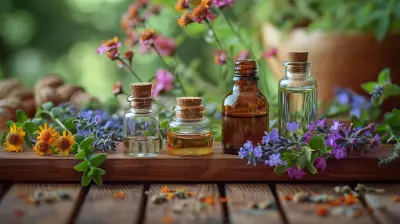
Aromatherapy might sound like something you’d only experience during a luxurious spa day, but guess what? It's way more than fancy scents in a diffuser. The truth is, aromatherapy can actually work wonders for your skin. Yep, those tiny bottles of essential oils may hold the secret to healthy, glowing skin—if used right.
So if you’ve been battling dullness, dryness, breakouts, or fine lines, stick around. We’re diving deep into the impact of aromatherapy on skin health and complexion—and trust me, your skin will thank you for it.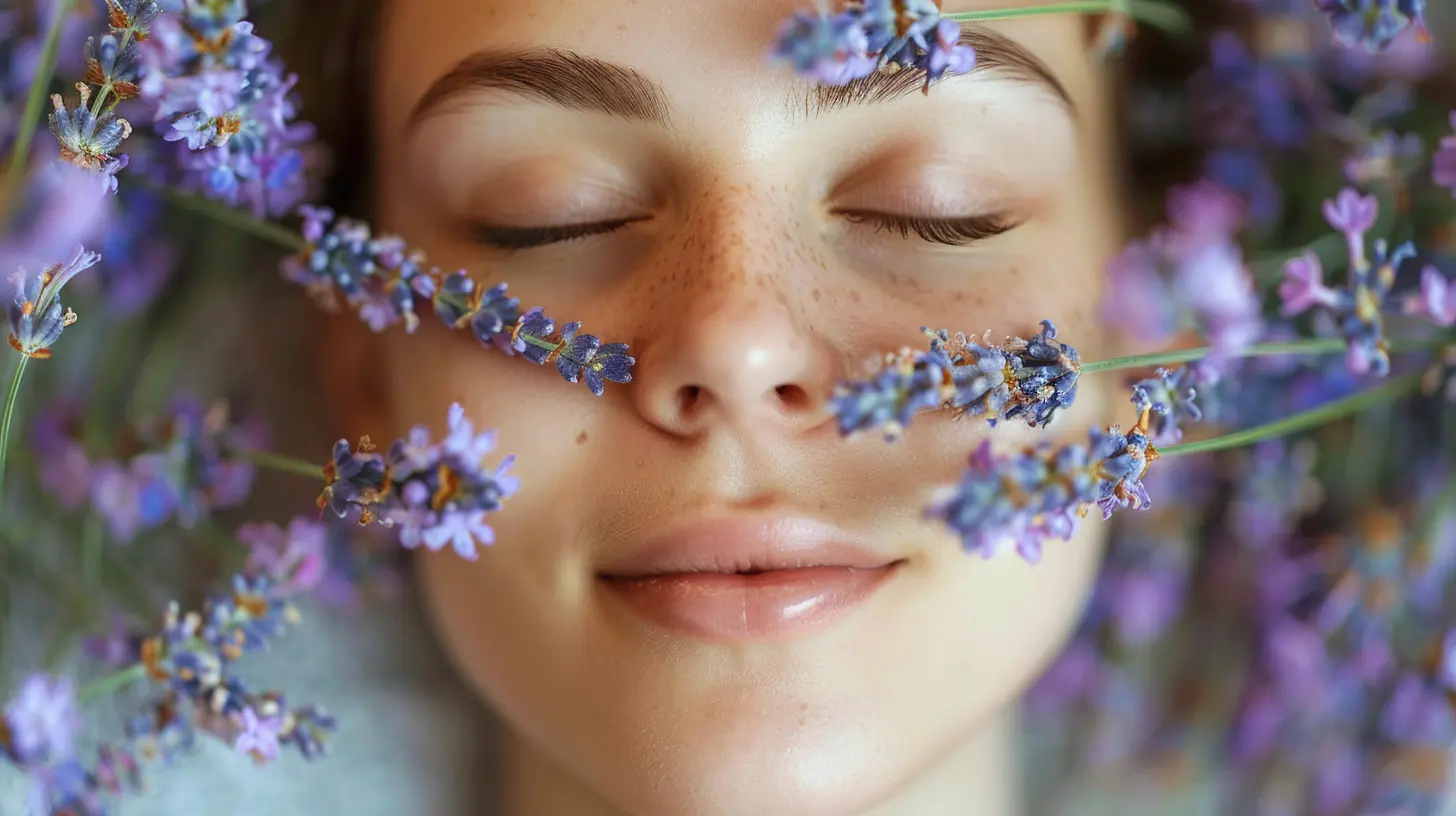
What Is Aromatherapy Exactly?
Before we get into how it helps your skin, let's get one thing straight—what the heck is aromatherapy?In simple terms, aromatherapy is the practice of using natural plant extracts—essential oils—to promote health and well-being. These oils can be inhaled or applied to the skin and are often used for stress relief, better sleep, and, you guessed it—skin improvement.
Each essential oil has its own superpower. Some fight bacteria. Some calm inflammation. Others promote cell turnover. It’s like having a toolkit of nature’s best skincare ingredients at your fingertips.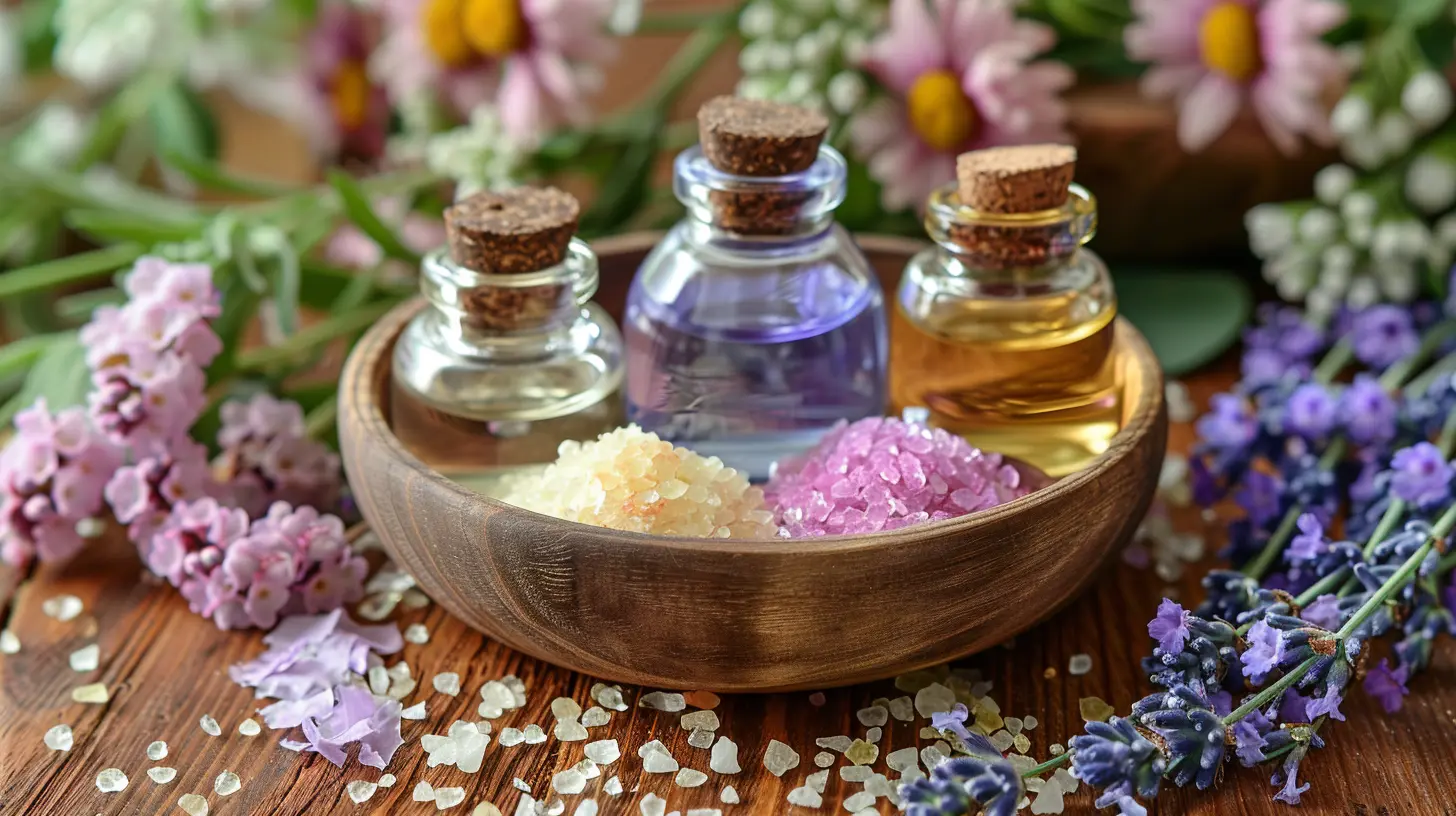
Why Your Skin Loves Aromatherapy
Okay, so your nose gets happy sniffing lavender, but what does that have to do with your skin?Here’s the deal: Your skin reflects what’s going on inside, and stress, poor circulation, and inflammation can all show up on your face—literally. Aromatherapy tackles these internal culprits while also working directly on your skin when applied topically (safely, of course).
Let’s break it down.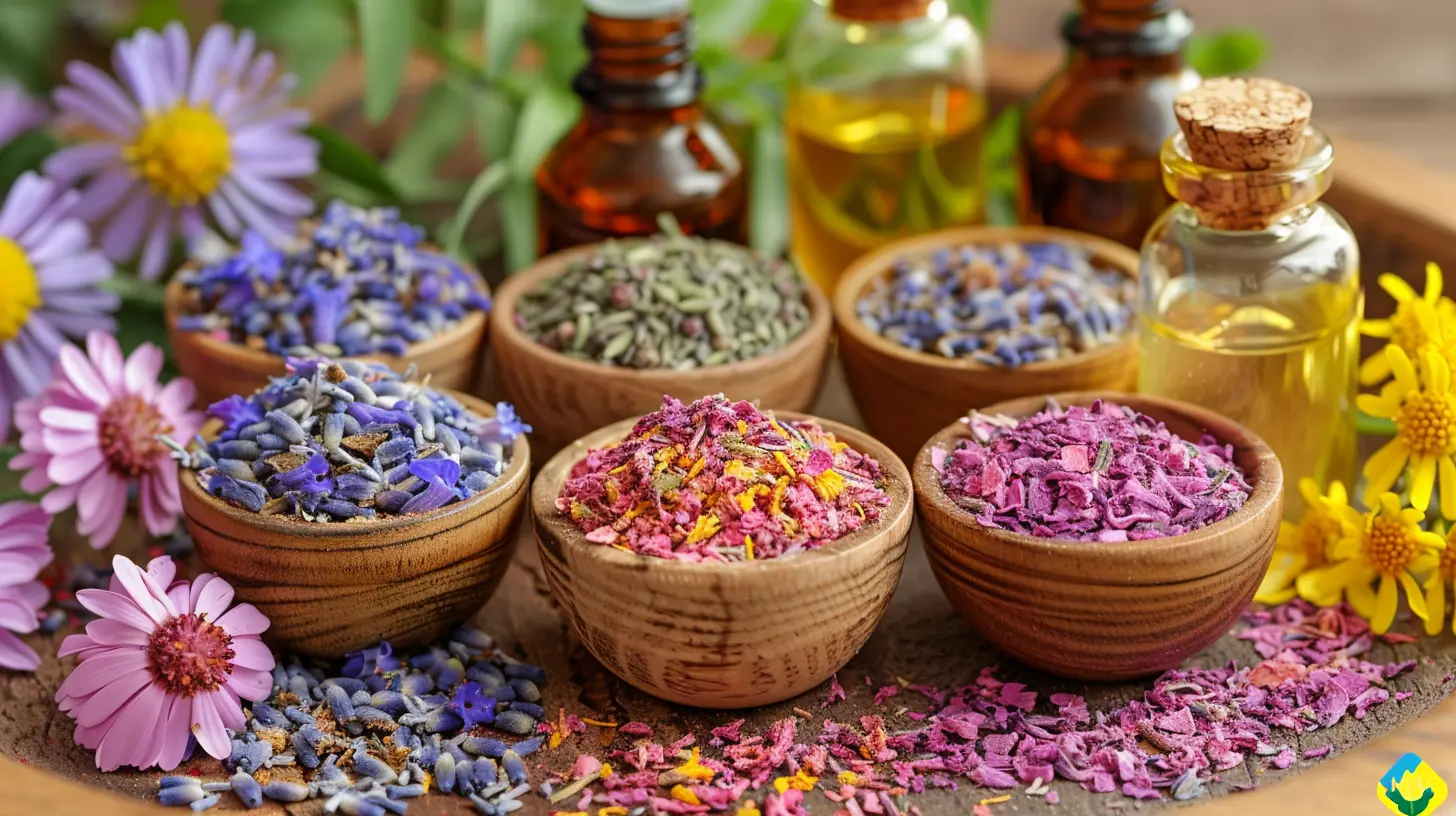
Essential Oils: The Skin’s Best Friend?
1. Lavender Oil – The Soothing Savior
Ever had a breakout right before a big event? Stress much? Lavender oil isn't just nice to sniff before bed—it’s actually great for calming irritated skin and reducing redness. It's anti-inflammatory, antibacterial, and can even help balance your skin tone.Also, since it helps you relax, using lavender aromatherapy can reduce stress-induced acne. Two birds, one oil.
How to use it: Add a few drops to a carrier oil (like jojoba or sweet almond) and gently massage into your skin. Or throw a few drops in a warm bath. You deserve it.
2. Tea Tree Oil – The Acne Assassin
Got breakouts? Tea tree oil is like a magic eraser for pimples. It’s antibacterial, which means it goes to war against acne-causing bacteria. It also helps dry out whiteheads and keeps your pores clear.Caution: This one’s strong. Always dilute with a carrier oil before applying to your skin. A little goes a long way.
3. Rose Oil – The Glow Booster
Rose oil smells dreamy, sure, but it’s also packed with vitamins, antioxidants, and minerals. It hydrates, smooths, and brightens your complexion—all while smelling like a bouquet straight from heaven.If your skin feels dull or tired, this one’s your go-to.
4. Frankincense Oil – The Anti-Aging Hero
This oil has stood the test of time—literally. Used for thousands of years, frankincense helps reduce the appearance of wrinkles, tightens the skin, and promotes cell regeneration. Think of it as a time machine in a bottle.5. Geranium Oil – The Balancer
Got oily or combination skin? Geranium oil helps balance sebum (oil) production, tightens pores, and improves skin elasticity. Plus, it smells floral and fresh. What's not to love?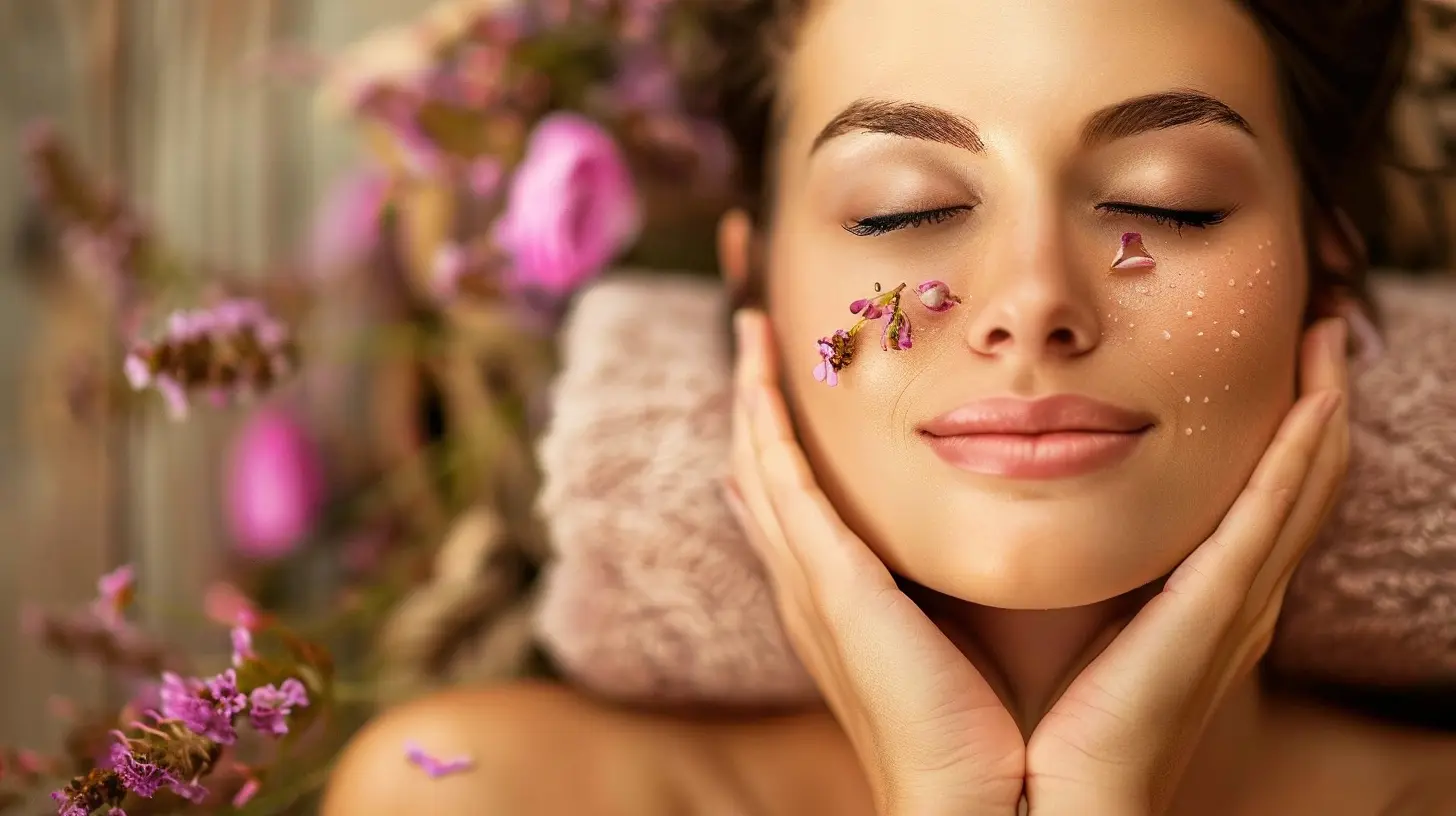
The Science Behind It All
I get it—you might be thinking, “This sounds great, but is it legit?”Totally fair. The science is still growing, but there's promising evidence backing essential oils for skin health. Studies suggest that oils like lavender, tea tree, and frankincense have antimicrobial, anti-inflammatory, and antioxidant properties—all of which support skin repair, fight infections, and slow down aging.
On top of that, inhaling certain essential oils boosts circulation and reduces cortisol (the stress hormone). Less stress = healthier skin.
How Aromatherapy Enhances Complexion
So, how exactly does it make your skin glow?✔ Reduces Inflammation
Inflammation is often the root cause of redness, acne, and premature aging. Oils like chamomile, lavender, and helichrysum are known anti-inflammatories that help soothe angry skin.✔ Promotes Skin Regeneration
Essential oils like rosehip and frankincense support the skin’s renewal process, helping to fade scars, even out your skin tone, and improve texture over time.✔ Boosts Circulation
Better blood flow = more oxygen and nutrients for your skin = natural glow. Oils like rosemary and ginger stimulate circulation when massaged into the skin.✔ Detoxifies and Purifies
Some essential oils act like a mini spa detox. Lemongrass, juniper berry, and grapefruit oil help flush out toxins through the skin, reducing puffiness and breakouts.How to Incorporate Aromatherapy into Your Skincare Routine
Alright, now that we’ve hyped up essential oils, let’s talk about real-world application. How can you make this part of your everyday skincare game?? 1. Facial Oils and Serums
Create your own customized face oil by mixing a few drops of essential oil with a carrier oil. Just make sure to choose the right oils based on your skin type.Example:
- Oily Skin: Jojoba oil + tea tree + geranium
- Dry Skin: Argan oil + lavender + rose
- Mature Skin: Rosehip oil + frankincense + carrot seed
? 2. Aromatherapy Baths
Add a few drops of essential oil mixed with a splash of carrier oil or milk to your bathwater. Relax, breathe deeply, and let the oils soak into your skin.? 3. Nighttime Diffusion
Using a diffuser with skin-loving oils at bedtime doesn’t just help you sleep—it reduces stress that might be messing with your skin.? 4. Facial Steaming
Add essential oils to hot water, drape a towel over your head, and let your pores open up. This helps your skin absorb nutrients more effectively.? 5. DIY Masks and Scrubs
Mix essential oils into homemade face masks or sugar scrubs. Just be sure not to go overboard—essential oils are potent stuff.Safety First! What You Must Know
Look, essential oils are powerful. That’s part of what makes them so effective—but it also means you’ve got to be careful.- Always dilute essential oils with a carrier oil before applying to your skin.
- Patch test before going full-face. Your skin might not vibe with every oil.
- Less is more. Don’t drown your skin in it.
- Avoid sensitive areas. Don’t use near your eyes or mouth.
- Pregnant or nursing? Talk to your doc first. Some oils aren’t safe during pregnancy.
- Choose high-quality oils. Go for 100% pure, therapeutic-grade essential oils. No synthetic junk.
Common Skin Issues Aromatherapy Can Help With
Let’s match the skin problem with its essential oil sidekick:| Skin Concern | Recommended Oils |
|----------------------|-------------------------------------------|
| Acne | Tea Tree, Lavender, Geranium |
| Dryness | Rose, Sandalwood, Chamomile |
| Oily Skin | Geranium, Lemon, Clary Sage |
| Redness/Irritation | Chamomile, Lavender, Helichrysum |
| Wrinkles/Fine Lines | Frankincense, Rosehip, Myrrh |
| Scarring | Helichrysum, Rose, Frankincense |
| Dull Skin | Grapefruit, Lemon, Rose |
Real Talk: What Results Can You Expect?
Here’s the honest truth—you’re not going to wake up with perfect skin after one lavender massage.Aromatherapy isn’t a magic wand (though it sometimes feels like it). It works best as a consistent part of your routine. It's all about supporting your skin’s natural functions, not replacing them.
Give it a few weeks. With regular use, you’ll likely notice softer skin, fewer breakouts, and that lit-from-within glow everyone raves about.
Final Thoughts: Should You Try It?
Absolutely. Aromatherapy is a simple, natural, and incredibly versatile way to elevate your skincare game. Whether you’re looking to calm your face down, brighten things up, or ease into a more holistic beauty routine—essential oils have your back.Just remember: keep it gentle, be consistent, and listen to your skin.
Your skincare routine doesn’t have to be complicated. Sometimes, all it takes is a few drops of nature’s best to glow like never before.
all images in this post were generated using AI tools
Category:
AromatherapyAuthor:

Sophia Wyatt