The Benefits of Fermented Foods for Your Bowels
22 July 2026
Introduction
Your gut health is crucial to your overall well-being, and what you eat plays a significant role in keeping your digestive system in top shape. You've probably heard the term "gut microbiome" thrown around, but what does it really mean? Simply put, it's the ecosystem of bacteria living in your digestive tract, working hard to break down food, absorb nutrients, and keep things running smoothly.
One of the best ways to support your gut microbiome? Fermented foods. These gut-friendly powerhouses are packed with beneficial bacteria, also known as probiotics, which can work wonders for your digestion. But how exactly do they help, and why should you consider adding more of them to your diet? Let’s break it down. 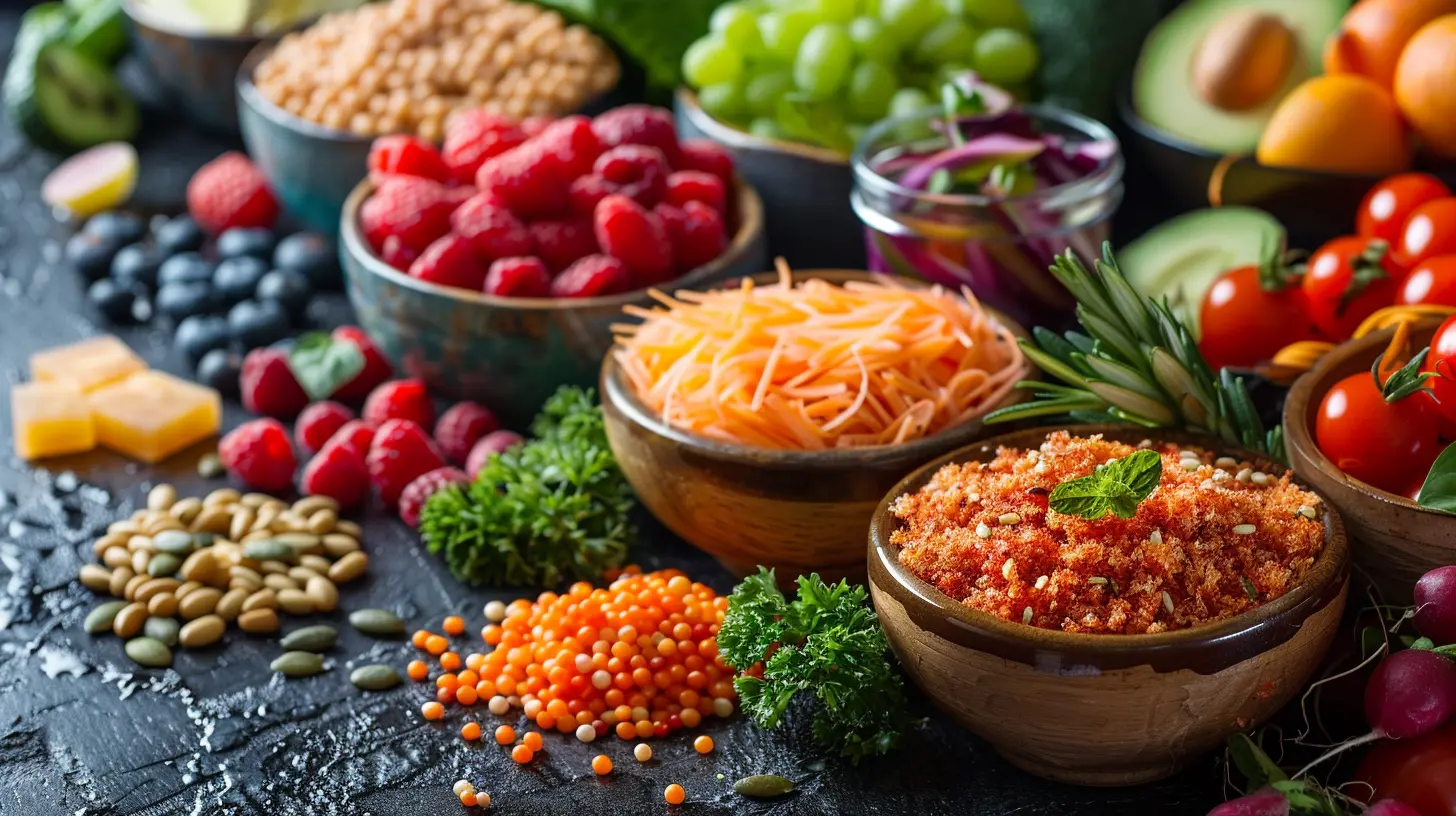
What Are Fermented Foods?
Fermentation is a natural process in which microorganisms like bacteria and yeast break down sugars in food, producing beneficial compounds like probiotics, organic acids, and enzymes. This process not only preserves food but also enhances its nutritional profile.Some of the most popular fermented foods include:
- Yogurt
- Kefir
- Sauerkraut
- Kimchi
- Miso
- Tempeh
- Kombucha
- Pickles (naturally fermented)
Unlike processed foods with artificial additives, fermented foods are alive, teeming with beneficial bacteria that can improve your gut health and digestion. 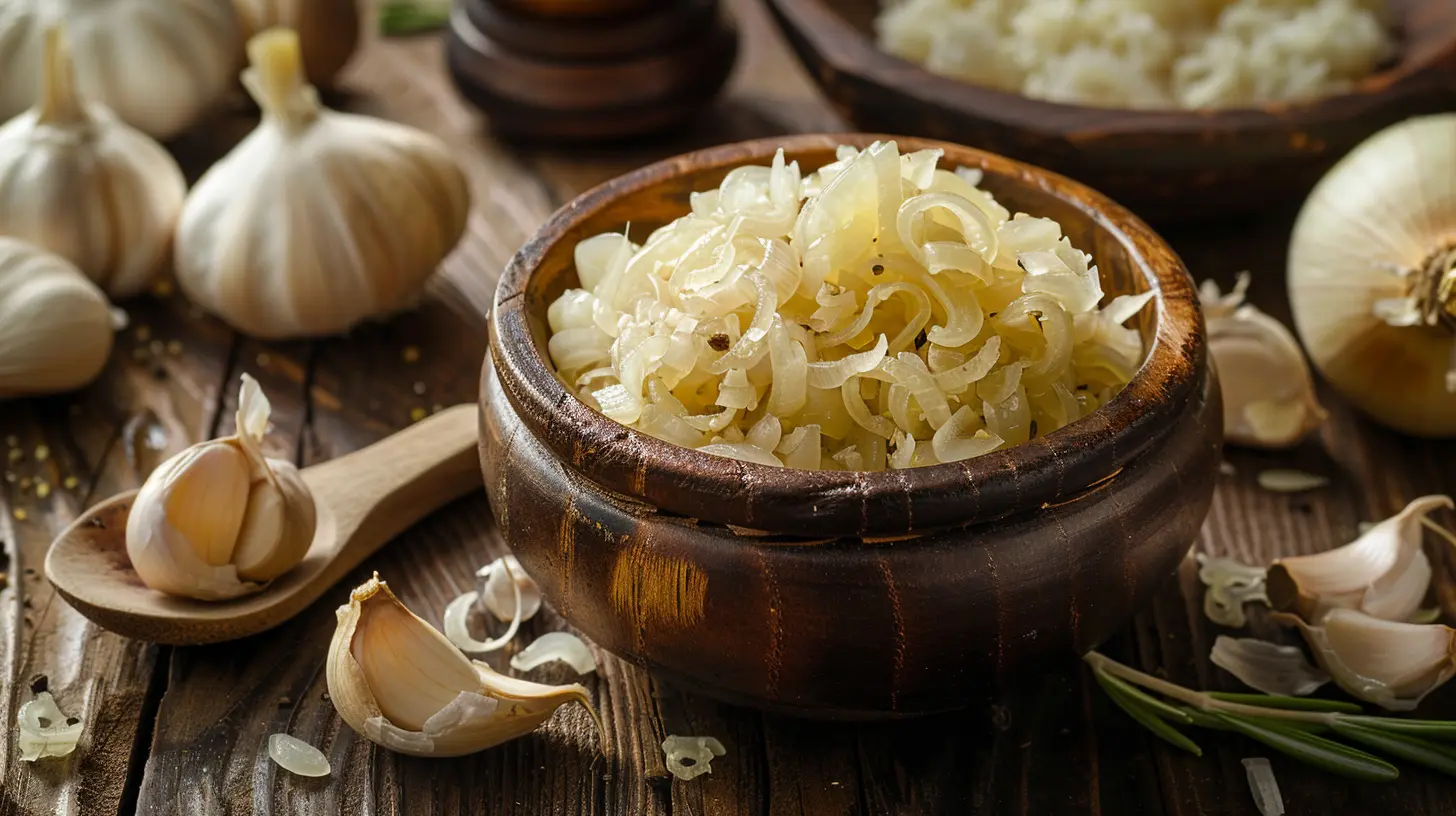
How Fermented Foods Benefit Your Bowels
1. Restore Healthy Gut Bacteria
Your gut is home to trillions of bacteria—some good, some not so good. The key to a happy gut is maintaining a balance between the two. Fermented foods introduce good bacteria (probiotics) into your digestive system, helping to replenish and diversify the microbiome.A well-balanced gut means better digestion, reduced bloating, and improved bowel movements. If you've ever struggled with constipation or diarrhea, probiotics from fermented foods might help regulate your system naturally.
2. Improve Digestion and Nutrient Absorption
Ever feel like no matter how healthy you eat, you're not getting the full benefits of your food? It might be because your gut isn’t absorbing nutrients properly.Fermented foods contain enzymes and organic acids that break down food more efficiently, allowing your body to absorb more vitamins and minerals. This means you get more nutrition from your meals without having to eat extra.
3. Help Prevent and Relieve Digestive Issues
Conditions like IBS (Irritable Bowel Syndrome), leaky gut, and acid reflux can be linked to an out-of-balance gut. Because fermented foods support the growth of good bacteria, they can help reduce inflammation in the gut lining, leading to fewer flare-ups and a calmer digestive system.Research suggests that probiotics found in fermented foods can ease symptoms of IBS, including bloating, gas, and irregular bowel movements. If you suffer from persistent gut issues, adding fermented foods to your diet may be a natural way to find relief.
4. Boost Your Immune System
Did you know that about 70% of your immune system is located in your gut? Your gut bacteria play a huge role in defending your body against harmful pathogens.When your gut microbiome is healthy, it can produce antimicrobial substances that fight off harmful bacteria and viruses. So, if you want to strengthen your immune system and reduce the chances of falling sick, fermented foods are a great ally.
5. Reduce Inflammation in the Gut
Chronic inflammation in the gut can lead to a variety of digestive disorders, including Crohn’s disease and ulcerative colitis. The beneficial bacteria in fermented foods produce short-chain fatty acids (SCFAs), which help lower inflammation and promote a healthy gut lining.Including fermented foods in your diet can help maintain a balanced intestinal environment, reducing discomfort and promoting long-term digestive health.
6. Aid in Weight Management
Struggling with weight management? Your gut bacteria might be to blame. Studies suggest that an imbalance in gut bacteria can lead to weight gain and difficulty losing weight.Fermented foods help regulate appetite and promote a healthy metabolism by improving digestion and controlling hunger hormones. When your digestive system is functioning optimally, your body can process food efficiently, preventing bloating and unnecessary weight gain.
7. Enhance Mental Health Through the Gut-Brain Connection
Your gut and brain are directly connected through the gut-brain axis, meaning the health of your gut affects your mood, mental clarity, and even stress levels.Probiotics from fermented foods have been shown to reduce symptoms of anxiety and depression by increasing the production of serotonin, the "feel-good" hormone. A happy gut often means a happier mind. 
How to Incorporate Fermented Foods into Your Diet
You don’t have to overhaul your entire diet to reap the benefits of fermented foods. Start small and gradually introduce them into your meals:- Swap your morning coffee for kefir or kombucha.
- Add a spoonful of sauerkraut or kimchi to your lunch or dinner.
- Make yogurt a regular snack topped with berries and honey.
- Use miso paste in soups or salad dressings.
- Enjoy tempeh as a plant-based protein source in stir-fries and sandwiches.
The key is consistency. Eating fermented foods regularly will help your gut flourish with good bacteria. 
Are There Any Precautions?
While fermented foods offer incredible benefits, they're not for everyone in excess. If you’re new to them, start with small portions to see how your gut reacts. Some people experience mild bloating or gas initially, but this usually subsides as your gut adjusts.If you have conditions like histamine intolerance or SIBO (Small Intestinal Bacterial Overgrowth), consult with a healthcare professional before adding fermented foods to your diet.
Also, watch out for store-bought varieties that contain added sugars or preservatives. Opt for natural, unpasteurized versions, as pasteurization can kill off beneficial bacteria.
Conclusion
Fermented foods are one of the simplest and most effective ways to support gut health. From improving digestion and boosting immunity to reducing inflammation and even supporting mental well-being, the benefits are truly impressive.Your gut is the foundation of your health—taking care of it should be a priority. Next time you're planning your meals, consider adding a serving of sauerkraut, yogurt, or kombucha to your plate. Your bowels (and your whole body) will thank you!
all images in this post were generated using AI tools
Category:
Bowel HealthAuthor:

Sophia Wyatt
Discussion
rate this article
1 comments
Charlotte McLemore
Great article! Fermented foods are a fantastic way to boost gut health. It's amazing how they can improve digestion and increase overall well-being. Incorporating these foods into your diet can make a real difference. Excited to try some new recipes based on your suggestions!
July 31, 2026 at 3:17 AM
Sophia Wyatt
Thanks for your kind words! I'm glad you found the article helpful. Enjoy trying out the recipes!