The Truth About Gluten’s Effect on Your Bowels
21 August 2026
Gluten. That little troublemaker lurking in your bread, pasta, and even some sauces. It’s been blamed for bloating, digestive drama, and even brain fog. But is it really the villain it’s made out to be, or is the anti-gluten brigade blowing things out of proportion? Buckle up, because we’re diving deep into gluten’s impact on your gut, and trust me, it’s about to get real.
What Even Is Gluten, Anyway?
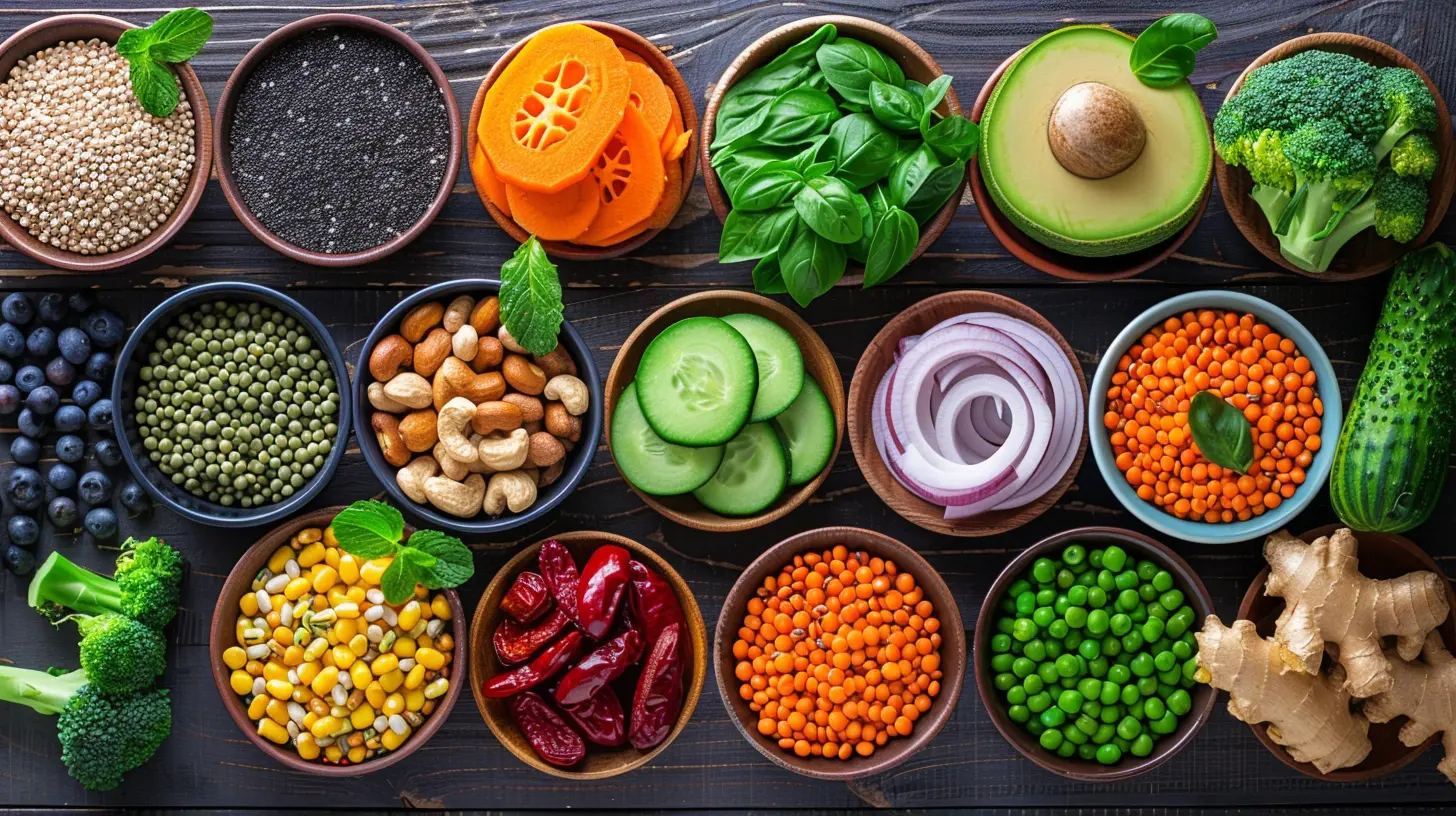
Before we throw gluten under the bus, let’s define it. Gluten is a group of proteins found in wheat, barley, and rye. It’s what gives bread its chewiness and pizza dough its stretchy, doughy goodness. Sounds harmless, right? Well, not for everyone.
When Gluten Becomes Your Gut’s Worst Enemy
For some people, gluten is like that toxic friend who pretends to be nice but secretly causes chaos behind the scenes. The effects can range from mild discomfort to full-blown destruction of the intestines. Let’s break it down.1. Celiac Disease: The Ultimate No-Gluten Zone
If you have celiac disease, gluten isn’t just "bad for you"—it’s a full-on gut assassin. This autoimmune disease causes the body to attack the small intestine whenever gluten enters the system. The result? Inflammation, nutrient malabsorption, diarrhea, bloating, and a whole lot of misery. Long-term exposure can even lead to serious complications like anemia and osteoporosis.And here’s the kicker—many people with celiac disease don’t even realize they have it. They just assume their stomach issues are "normal." Spoiler alert: frequent diarrhea and chronic bloating are not normal.
2. Non-Celiac Gluten Sensitivity: The Murky Middle Ground
Not celiac, but still feel like a balloon after eating pasta? You might have non-celiac gluten sensitivity (NCGS). This is when your body reacts badly to gluten, but there’s no autoimmune response involved. The symptoms? Pretty much a digestive horror story—bloating, gas, diarrhea, constipation, and even brain fog.While some skeptics argue that NCGS isn’t technically a real condition, the thousands of people who feel like death after eating gluten would beg to differ. The science is still evolving, but many experts agree that gluten sensitivity is a very real thing.
3. Irritable Bowel Syndrome (IBS) and Gluten: A Messy Relationship
If you’ve got IBS, your gut is already on edge. Adding gluten into the mix? That’s like throwing gasoline on a fire. While gluten itself might not cause IBS, it can definitely trigger symptoms in some people. Many IBS sufferers find relief when they ditch gluten, though for some, it might be more about the other compounds in wheat (like fructans).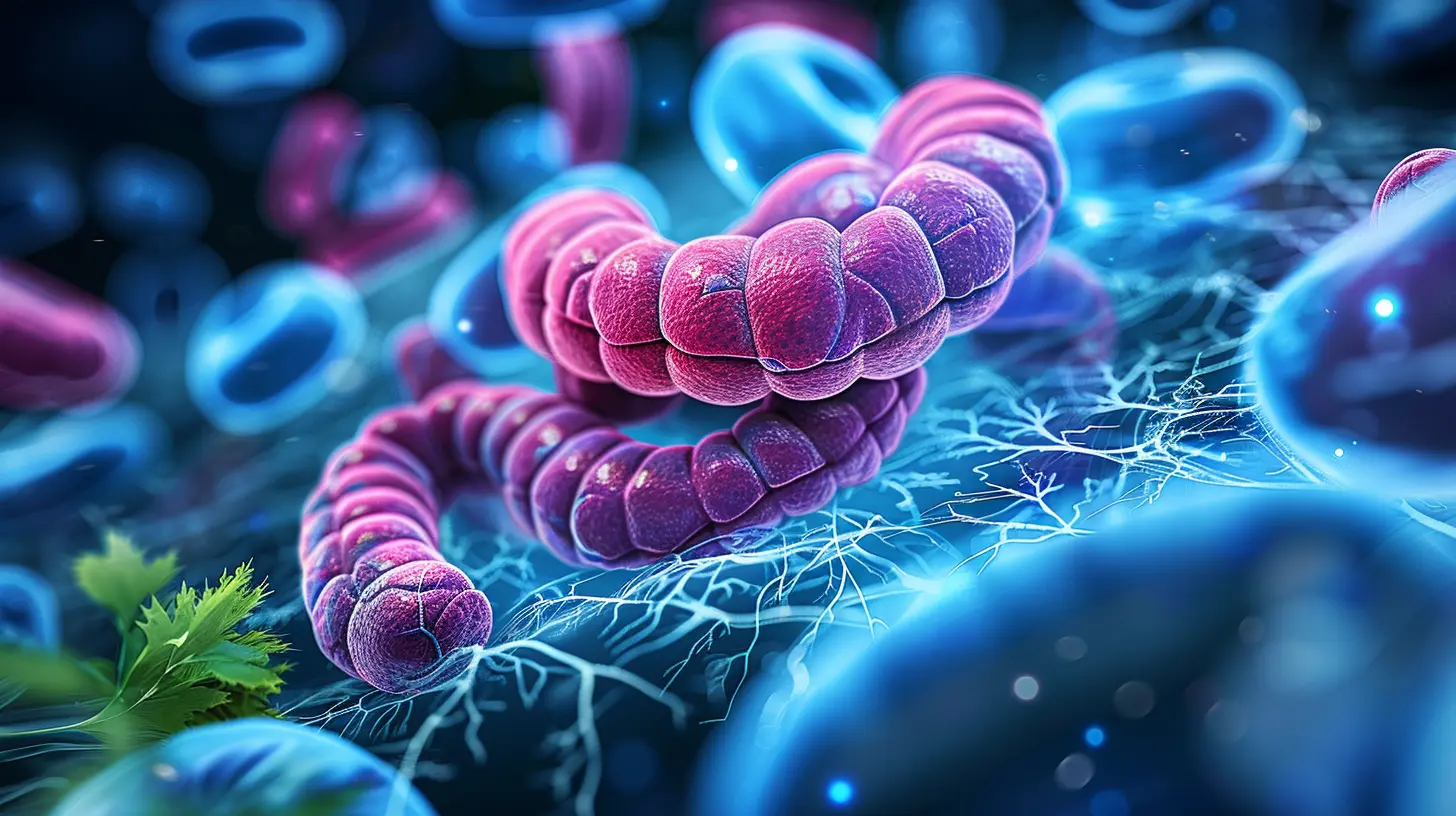
Gluten and Your Gut Lining: A Battle You Didn’t Even Know Was Happening
Your intestinal lining is supposed to act like a bouncer at an exclusive club—keeping the good stuff in and kicking the bad stuff out. But gluten? It’s like that shady guest who sneaks in uninvited and stirs up trouble.Leaky Gut: Fact or Fiction?
There’s been a lot of buzz around gluten causing “leaky gut”, but what does that even mean? Essentially, leaky gut happens when the intestinal barrier becomes permeable, allowing toxins and undigested food particles to slip into the bloodstream. And guess what? Some studies suggest that gluten could be a trigger.A protein within gluten called zonulin may loosen the tight junctions in the gut lining, making it easier for unwanted substances to pass through. While the research is still ongoing, if your gut already struggles to keep things in check, gluten could be making things worse.
Signs That Gluten Might Be Messing With Your Gut
So, how do you know if gluten is the culprit behind your digestive problems? Here are some red flags:✅ Bloating so intense you look five months pregnant
✅ Gas that could clear a room
✅ Diarrhea (or constipation) that won’t quit
✅ Unexplained stomach cramps
✅ Fatigue that hits like a truck after eating gluten
✅ Skin issues (eczema, rashes, breakouts)
If you’re ticking off multiple symptoms, it might be time to consider a gluten-free trial and see if your body thanks you for it.
Breaking Up with Gluten: Is It Worth It?
Going gluten-free isn’t just for trendy influencers on Instagram—it’s a necessity for some, and a life-changing decision for others.Who Needs to Go Gluten-Free?
- Celiac disease warriors—No exceptions. Gluten is a no-go.- Non-celiac gluten-sensitive folks—If gluten makes you feel like trash, cutting it out may bring relief.
- People with IBS—If gluten (or wheat) triggers your symptoms, ditching it could calm your gut down.
Who Doesn’t Need to Go Gluten-Free?
- People with zero gut issues—If your stomach is happy, why fix what isn’t broken?- Those assuming gluten-free = automatically healthy—Spoiler: Gluten-free junk food is still junk food.
How to Cut Gluten Without Losing Your Sanity
So, you’re thinking about dumping gluten. Good for you! But let’s be real—giving up fluffy bread and crispy pizza crust is no small feat. Here’s how to do it without feeling like life is over:1. Find your go-to substitutes. There are tons of gluten-free options now—think almond flour, rice pasta, and gluten-free bread that actually tastes good.
2. Become a label detective. Gluten hides in sneaky places—soy sauce, salad dressings, even some medications. Read your labels!
3. Plan your meals. The last thing you want is to be starving and surrounded by nothing but gluten-packed foods.
4. Listen to your body. If ditching gluten makes your gut and your energy levels improve, you’re on the right track.
The Bottom Line: To Gluten or Not to Gluten?
At the end of the day, gluten isn’t pure evil—unless your body treats it like public enemy #1. If you have celiac disease, gluten sensitivity, or IBS, cutting it out could be life-changing. But if gluten isn’t giving you any trouble, you don’t need to fear it.Your gut is your best friend. Treat it right, listen to its signals, and if gluten is the villain in your digestive drama, don’t be afraid to kick it to the curb. Your bowels (and your bloating) will thank you.
all images in this post were generated using AI tools
Category:
Bowel HealthAuthor:

Sophia Wyatt
Discussion
rate this article
1 comments
Imani McCallum
Great article! It sheds light on gluten's impact in a balanced way. Understanding how our bodies react can lead to better health choices. Keep up the good work in spreading awareness about nutrition!
September 12, 2026 at 2:47 PM