The Ultimate Guide to Stronger, Shinier Hair in 2027
7 September 2026
Let's be honest. You have probably spent more time analyzing your hair than your retirement portfolio. You have stood in front of the bathroom mirror, tilting your head at odd angles, wondering why the left side looks like a haystack while the right side looks like a shampoo commercial. You have spent hundreds of dollars on bottles that promised "glass-like shine" and instead delivered "crispy noodle texture."
Welcome to 2027. The good news? We have finally stopped pretending that a single miracle ingredient will fix everything. The bad news? You still have to wash your hair, and no, dry shampoo does not count as washing.
This guide is not a list of trendy products. It is a practical, slightly sarcastic, deeply researched manual on how to treat your hair like the complex biological structure it actually is. We are going to talk about proteins, lipids, water hardness, scalp pH, and why your grandmother's advice about brushing your hair 100 times was terrible.
Buckle up. Your hair is about to get its act together.
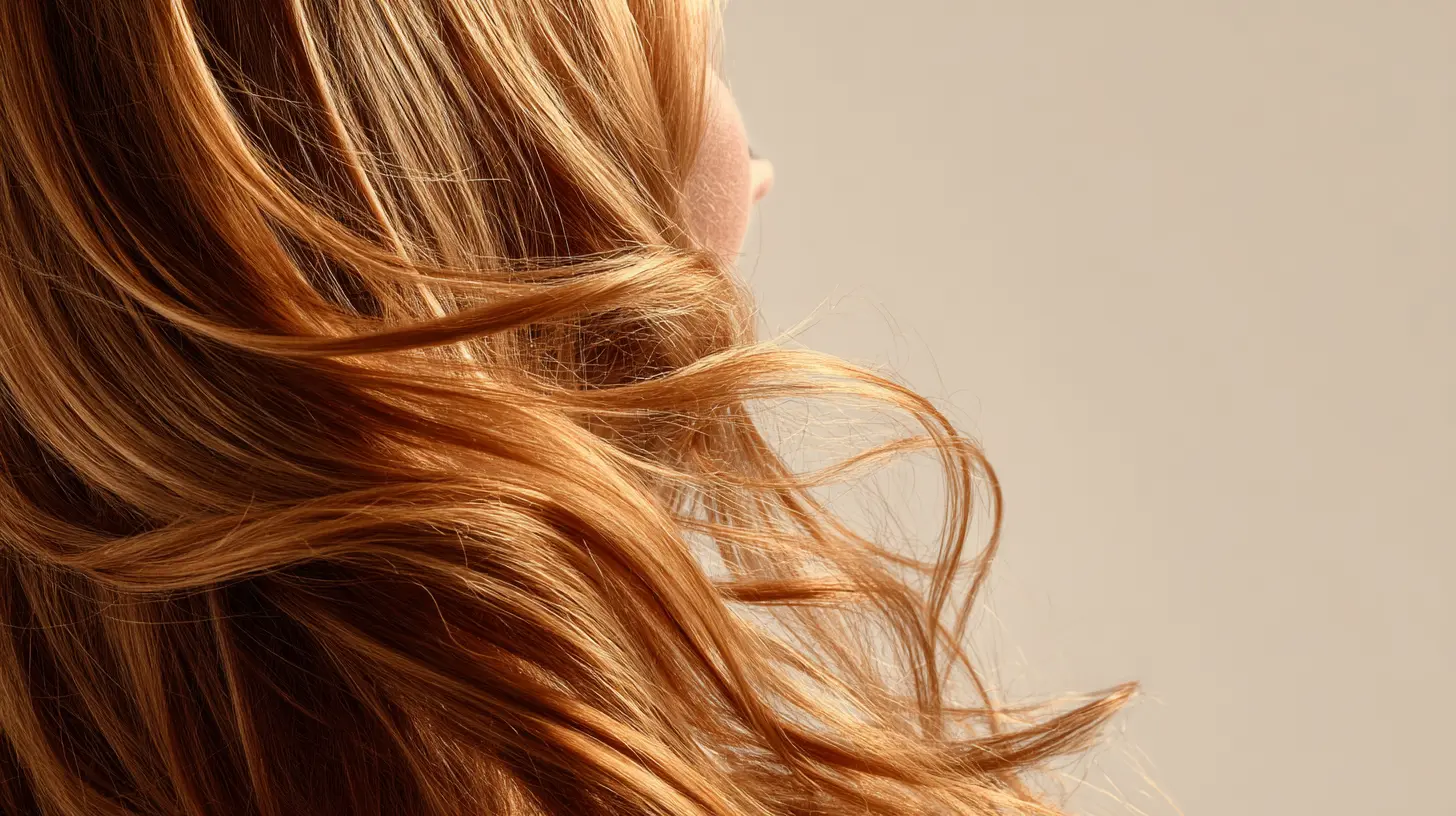
The Truth About Hair Structure (And Why You Keep Breaking It)
Hair is dead. Let that sink in. The strand sticking out of your head is not alive. It cannot heal itself. It cannot repair split ends. It cannot "drink" moisture from the air like a thirsty fern. Once that keratin fiber emerges from the follicle, it is on its own, subject to every bad habit you have.But here is the twist. While the hair shaft is dead, the follicle is very much alive. And the follicle is where all your battles are won or lost. The hair you see today was actually manufactured months ago. If you are treating your scalp poorly right now, you are not damaging the hair on your head. You are damaging the hair that will grow in three months from now.
Think of it like a factory. The hair shaft is the finished product sitting on the loading dock. The follicle is the assembly line inside the building. If you keep throwing rocks at the loading dock, you dent the boxes. But if you stop paying the factory workers and let the machines rust, you get nothing but defective products for the next year.
Most people obsess over the loading dock. They buy serums, masks, and leave-in conditioners to polish the dents. Meanwhile, their factory is running on fumes, poor blood flow, and a diet of energy drinks.
The first step to stronger hair is understanding this lag time. If you change your habits today, you will not see the results for at least six to eight weeks. That is the average hair growth cycle for the anagen phase. If you are not patient, you will quit right before the good hair arrives. That is how the hair industry makes its money. They know you will give up at week four.

The Protein vs. Moisture Balance (It Is Not a War)
Here is a sentence that will save you years of confusion: your hair is mostly protein, but it needs water to stay flexible. That is it. That is the whole game.Keratin makes up about 85 to 90 percent of your hair. It is a structural protein, arranged in coiled chains held together by disulfide bonds, hydrogen bonds, and salt bonds. These bonds determine whether your hair is straight, wavy, curly, or a chaotic mess that changes its mind daily.
When you hear people talk about "protein overload," they are describing a condition where the hair has too many broken protein fragments stuck to the surface, making it feel stiff, brittle, and straw-like. When you hear about "moisture overload," that is the opposite. The hair has absorbed so much water that the cuticle swells and the strand becomes mushy, limp, and prone to stretching.
The mistake? Treating these as enemies. They are not enemies. They are partners. Think of protein as the framework of a building and moisture as the plaster. Too much framework and you have a skeleton with no walls. Too much plaster and you have a wet pile of mud.
How do you know which one you need? Do the stretch test. Take a wet strand of hair and gently pull it. If it stretches and then snaps back like a rubber band, you have enough protein. If it stretches and keeps stretching before breaking, you need more protein. If it snaps immediately without stretching, you need more moisture.
But here is the nuance that most articles miss. Your hair's porosity determines how well it absorbs and retains either. Low porosity hair has tightly packed cuticles. It repels water and products. High porosity hair has raised cuticles with gaps. It absorbs everything quickly but loses it just as fast.
If you have low porosity hair, you do not need heavy protein treatments. You need lightweight, hydrating products and heat to help open the cuticle. If you have high porosity hair, you need protein to fill those gaps and then a sealant, like a lightweight oil, to lock it all in.
The worst thing you can do is blindly follow a "weekly protein mask" routine without knowing your porosity. That is like taking vitamins without knowing which ones you are deficient in. You are just creating expensive urine.
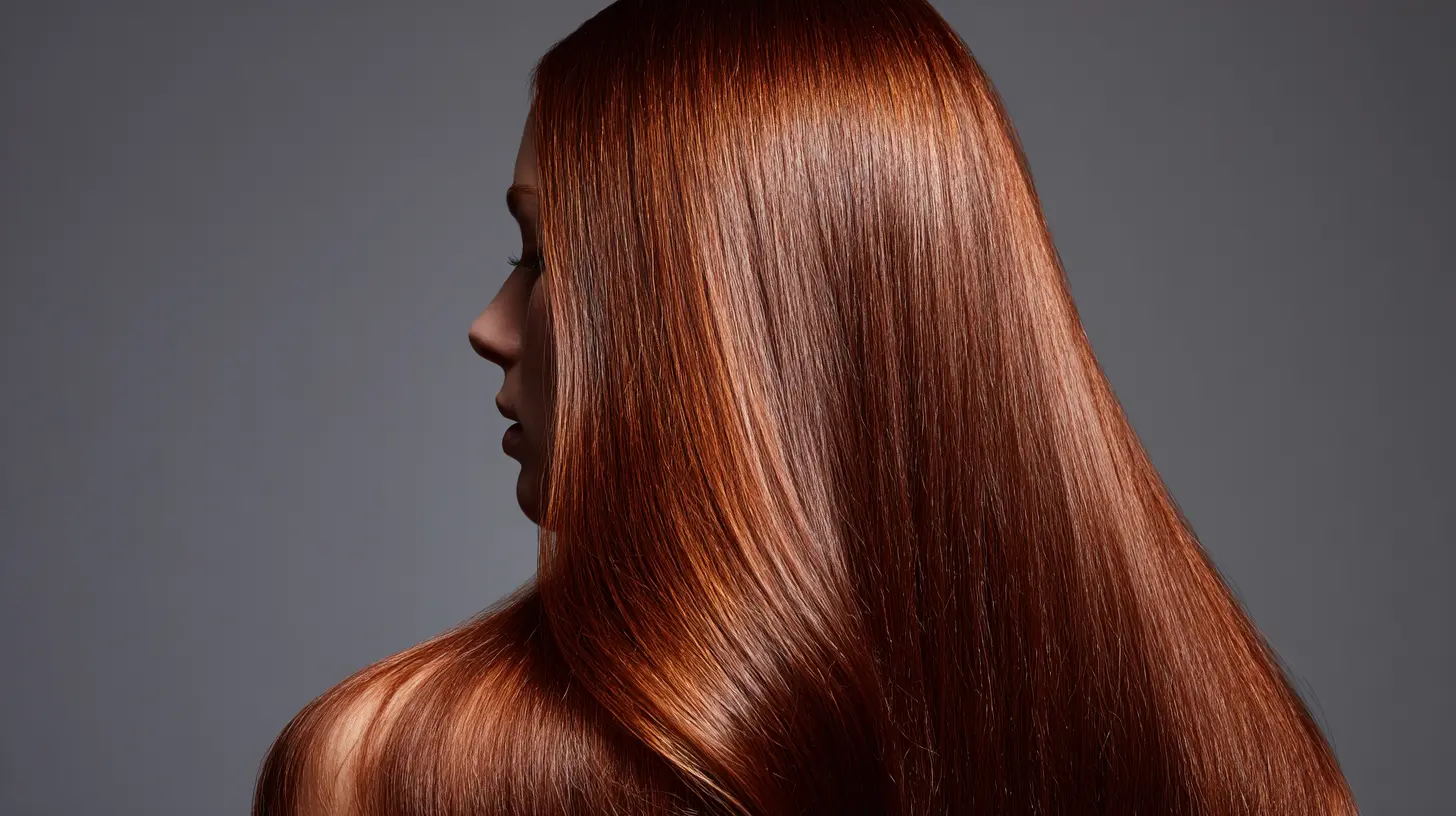
The 2027 Approach to Shampoo (Yes, You Still Need It)
The "no-poo" movement had a good run, but let us look at the reality. Your scalp produces sebum, an oily substance that protects the skin and hair. Sebum is not dirt. It is actually quite good for your hair in small amounts. But it also collects dead skin cells, product residue, dust, and pollution particles.If you never wash your hair, you are letting that mixture sit on your scalp for days. That can lead to folliculitis, which is a fancy word for inflamed hair follicles. It can also lead to dandruff, itchiness, and a smell that no essential oil can mask.
The real question is not "should I shampoo?" but "how often and with what?"
In 2027, we have moved past the sulfates-are-evil panic. Sulfates are surfactants. They are effective cleansers. They are not inherently bad. The problem is that they can strip too much oil from low-porosity or dry hair, leaving it squeaky clean in the worst way. Squeaky clean means the cuticle is raised and unprotected.
If you have fine, straight hair that gets oily by noon, a gentle sulfate shampoo every other day is fine. If you have thick, curly, or coily hair, you might only need to shampoo once a week. The key is to listen to your scalp, not a calendar.
Here is a practical tip that dermatologists actually recommend but rarely gets highlighted. Dilute your shampoo. Mix one part shampoo with three parts water in a bottle before applying. This reduces the concentration of surfactants and makes the wash gentler while still removing buildup. It is a cheap trick that works for almost everyone.
Also, stop scrubbing your scalp with your fingernails. Use your fingertips. You are not trying to exfoliate your skull. You are trying to lift oil from the skin's surface. Nails cause micro-tears, which lead to inflammation, which leads to hair thinning. Be gentle. Your hair is not a dirty pan that needs steel wool.

Conditioner: The Art of Not Overdoing It
Conditioner works by coating the hair shaft with cationic surfactants, fatty alcohols, and oils. These ingredients smooth down the cuticle, reduce friction, and add slip. That is why your hair feels easier to comb after conditioning. It is not because the conditioner "nourished" your hair. It is because it created a temporary film.That film is important. It protects the hair from mechanical damage during brushing, styling, and even sleeping. But you can have too much of a good thing.
Over-conditioning leads to limp, flat hair that lacks volume. It can also cause buildup, especially if you use silicone-heavy conditioners and never clarify. Silicones are not the devil. They are excellent for adding shine and reducing frizz. But they are not water-soluble. They need a clarifying shampoo to remove them.
Here is the trade-off. If you use silicones, you get instant smoothness but you must clarify weekly or biweekly. If you avoid silicones, you get less buildup but you may struggle with frizz and tangles, especially in humid weather.
The best approach is to use a silicone-free conditioner for daily use and reserve a silicone-based product for special occasions or high-humidity days. That way, you get the benefits without the buildup.
And please, for the love of all that is holy, do not apply conditioner to your scalp unless you have a very dry scalp condition. Conditioner is for the mid-lengths and ends. The scalp already produces its own oil. Adding more just weighs down the roots and makes your hair look greasy by lunchtime.
Heat Styling: The Honest Truth
Heat styling is not a crime. It is a tool. But it is a tool that requires respect, like a chainsaw or a credit card with a high limit.The damage from heat occurs when the temperature exceeds the boiling point of water inside the hair shaft. When water inside the hair turns to steam, it expands and creates bubbles. These bubbles disrupt the protein structure, leading to brittle, dull hair. This is called "bubble hair" and it is irreversible.
The threshold for damage is around 300 degrees Fahrenheit (about 150 degrees Celsius). Most flat irons go up to 450 degrees. That is a lot of room for error.
If you must use heat, follow these rules. Use a heat protectant that contains polymers or silicones. These create a barrier that distributes heat more evenly and reduces moisture loss. Do not rely on "heat protectant" sprays that are mostly water and alcohol. Check the ingredients. Look for dimethicone, cyclopentasiloxane, or hydrolyzed proteins.
Set your tool to the lowest effective temperature. For fine hair, that is around 300 degrees. For thick or coarse hair, you may need 350 to 375. If you need more than 400 degrees, your tool is not the problem. Your technique is. You are either not sectioning your hair properly or you are going over the same strand too many times.
Also, stop running the iron down the entire length of the hair. The ends are older and more damaged. They need less heat. Focus the heat on the roots and mid-lengths, then let the ends straighten from residual heat. This one change can reduce damage by half.
The Scalp Microbiome: The Frontier You Have Been Ignoring
In 2027, the scalp is the new skincare frontier. And for good reason. Your scalp is skin. It has a microbiome, a community of bacteria, fungi, and other microorganisms that live on the surface. When that community is balanced, your scalp is healthy. When it is disrupted, you get itching, flaking, redness, and hair loss.What disrupts it? Over-washing, under-washing, harsh surfactants, and leaving sweat on your scalp after a workout. Also, stress. Stress changes the composition of sebum, making it more attractive to certain fungi that cause dandruff.
The fix is not a $100 probiotic scalp serum. The fix is basic hygiene and patience.
Wash your scalp after heavy sweating. Do not go to bed with wet hair, because that creates a warm, damp environment for Malassezia, the fungus responsible for most dandruff. If you have persistent flakes, try a shampoo with zinc pyrithione or ketoconazole. Use it twice a week for a month. If it does not improve, see a dermatologist. Do not self-diagnose for a year like the rest of us.
One more thing. Exfoliating your scalp is a real practice, but it is not for everyone. Physical scrubs with sugar or salt can cause micro-tears. Chemical exfoliants, like salicylic acid, are gentler. They dissolve the bonds between dead skin cells. If you have buildup or flakes, a salicylic acid scalp treatment once a week can help. If you have a sensitive scalp, skip it. You are not missing out on much.
Diet and Supplements: What Actually Works
Let us clear the air. Your hair is made of protein. It also requires certain vitamins and minerals to be produced properly. But eating a handful of biotin gummies will not give you a mane like a fantasy novel character if you are already getting enough biotin from your diet.Biotin deficiency is rare. Most people get plenty from eggs, nuts, and legumes. Taking extra biotin just makes your urine expensive. The same goes for collagen supplements. Your body breaks down collagen into amino acids and then decides where to use them. It does not automatically send them to your hair.
What actually matters? Iron, zinc, vitamin D, and omega-3 fatty acids. Iron deficiency is a leading cause of hair thinning, especially in women. If you are losing more hair than usual, ask your doctor for a ferritin test. That measures your stored iron. A level below 30 nanograms per milliliter is often associated with hair loss, even if your hemoglobin is normal.
Zinc is important for hair tissue growth and repair. Low zinc levels are linked to telogen effluvium, a condition where hair falls out after a stressful event. Vitamin D plays a role in the hair growth cycle. Low levels are associated with alopecia areata, an autoimmune condition.
But here is the nuance. Supplementing these without knowing your levels is a gamble. Too much zinc can cause copper deficiency, which also causes hair loss. Too much vitamin D can cause calcium buildup. The safest approach is to get a blood test, then supplement only the deficiencies.
And do not forget protein. If you are on a very low-calorie diet or skipping meals, your body will prioritize essential organs over hair. Hair is not essential for survival. Your body will happily shut down hair production to keep your heart and brain running. That is why crash diets often lead to hair loss three months later.
The Myth of "Hair Growth" Products
Here is the uncomfortable truth. You cannot make hair grow faster. The rate of hair growth is determined by genetics, age, and hormones. The average is about half an inch per month. Some people grow faster, some slower. No serum, oil, or laser cap will change that baseline significantly.What you can do is prevent breakage. If your hair is breaking off at the same rate it is growing, you will never see length. That is why people think a product "stopped" their hair growth when it actually just stopped the breakage.
The most common cause of breakage is mechanical damage. Tugging, brushing wet hair aggressively, wearing tight ponytails, and sleeping on rough cotton pillowcases. These are all within your control.
Switch to a satin or silk pillowcase. Cotton absorbs moisture and creates friction. Satin reduces friction and helps retain moisture. This is not a luxury purchase. It is a practical one. A $15 satin pillowcase can do more for your hair than a $50 serum.
Also, stop brushing wet hair with a fine-tooth comb. Wet hair is more elastic and more prone to stretching and snapping. Use a wide-tooth comb or your fingers. Start from the ends and work your way up. Do not start at the roots and yank downward. That is how you get knots and breakage.
The 2027 Hair Care Routine (A Simple Framework)
Let us put this all together into a routine that does not require a chemistry degree or a second mortgage.For most people, a good baseline is this. Wash your scalp two to three times a week with a gentle sulfate-free shampoo. Condition the mid-lengths and ends every time you wash. Use a deep conditioning mask once a week if your hair is dry or damaged. Use a clarifying shampoo once every two weeks if you use styling products or live in a hard water area.
Apply a leave-in conditioner or a lightweight oil to damp hair after washing. This seals in moisture and reduces friction. Do not apply oil to dry hair unless you want to look like you just came from a frying pan.
Air dry when possible. If you must use a blow dryer, use the low heat setting and keep the nozzle moving. Do not hold it in one spot. That is how you cook your hair.
Trim your hair every eight to twelve weeks. This does not make hair grow faster, but it prevents split ends from traveling up the shaft. A split end that is not trimmed will continue to split, making the hair look thinner and more damaged.
Common Mistakes That Are Sabotaging Your Progress
Let us run through the greatest hits of hair sabotage.Washing your hair every day with hot water. Hot water strips natural oils and raises the cuticle. Use lukewarm or cool water for the final rinse. It helps flatten the cuticle and adds shine.
Rubbing your hair dry with a towel. This is pure friction. It causes cuticle damage and frizz. Instead, gently squeeze out excess water and wrap your hair in a microfiber towel or an old t-shirt. Let it absorb the water.
Using the same product year-round. Humidity, temperature, and water quality change with the seasons. Your hair changes too. What works in the summer may turn your hair into a grease slick in the winter. Adjust your routine based on the environment.
Ignoring your water quality. Hard water contains calcium and magnesium. These minerals build up on the hair, making it dull and stiff. If you live in a hard water area, consider a shower filter. They are not perfect, but they help. Or use a clarifying shampoo more often.
Applying hair oil to the scalp. Unless you have a very dry scalp, this is unnecessary. It clogs follicles and can lead to buildup. Oil belongs on the ends.
Final Thoughts: Patience Is the Real Active Ingredient
Here is the part nobody wants to hear. Hair care is boring. It is repetitive. It is about doing small things consistently, not about finding the one magical product that changes everything overnight.The hair industry wants you to believe that you are one purchase away from perfect hair. You are not. You are about six months of consistent, gentle care away from better hair. And that is only if you stop doing the things that damage it in the first place.
So, in 2027, do yourself a favor. Stop chasing the next viral trend. Stop buying products based on pretty packaging. Start paying attention to your scalp, your diet, your water quality, and your styling habits. Treat your hair like the delicate, dead protein structure it is. Give it time, give it protection, and give it a break.
Your hair will not transform overnight. But in three months, you will look in the mirror and notice that the ends are not as frayed. In six months, you will realize you have not had a bad hair day in a while. And in a year, you will wonder why you ever wasted so much money on products that promised everything and delivered nothing.
Stronger, shinier hair is not a secret. It is a system. And now you have the manual.
all images in this post were generated using AI tools
Category:
Healthy HairAuthor:

Sophia Wyatt
Discussion
rate this article
1 comments
Lily Nelson
This guide is a treasure trove for anyone seeking healthier hair. I appreciate the practical tips and the science behind them. Excited to try these methods and see the transformation in my own hair... Thank you!
September 9, 2026 at 3:31 AM
Sophia Wyatt
Thank you for the kind words! I'm glad you found the tips helpful. Looking forward to hearing about your hair transformation!