Creating a Peaceful Eating Environment at Home
20 November 2026
Creating a peaceful eating environment at home isn't just about the food on your plate. It's about the ambiance, the mood, and the experiences that surround your meal. A tranquil setting can enhance the enjoyment of your food, improve digestion, and foster better conversations. Whether you're dining solo or with family, the right atmosphere makes all the difference. Let's delve into how you can create a serene eating space that promotes mindfulness and satisfaction.

The Importance of a Peaceful Eating Environment
Eating is a sensory experience. The sights, smells, and sounds all contribute to how we perceive our meals. A peaceful environment encourages relaxation, allowing you to focus on the flavors and textures of your food. Studies suggest that a calm atmosphere can lead to better digestion, as stress can inhibit normal digestive functions.Enhancing Mindfulness
One of the core benefits of a peaceful eating environment is the promotion of mindfulness. When you eat in a serene space, you're more likely to engage with your meal fully. This can lead to improved satisfaction and may help prevent overeating. Mindful eating encourages you to taste your food, appreciate its nuances, and listen to your body's hunger cues.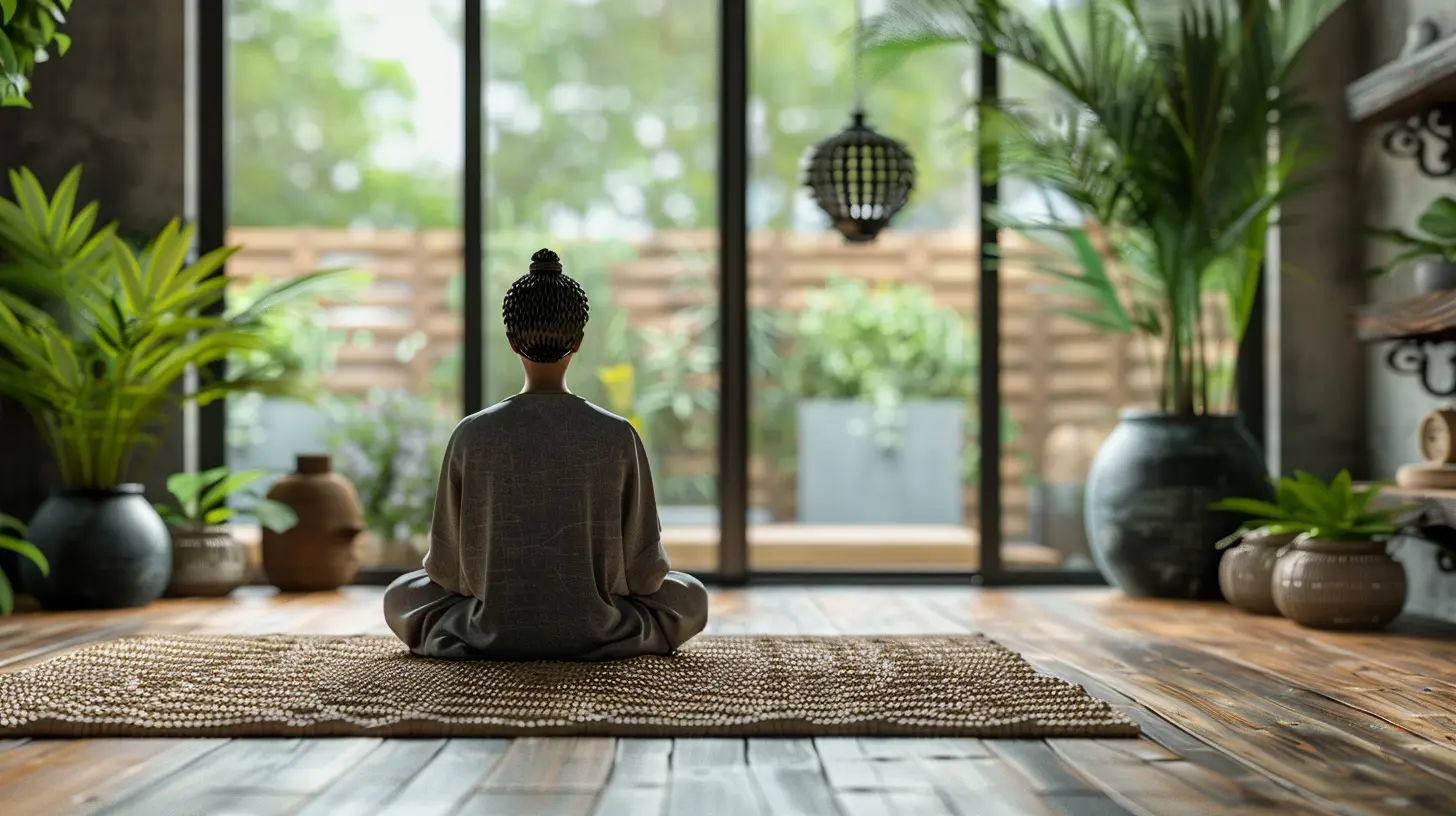
Key Elements of a Peaceful Eating Environment
Creating a tranquil space requires attention to several key elements. Each aspect plays a role in how you experience your meal.1. Atmosphere and Ambiance
Lighting
Lighting is pivotal in setting the mood. Soft, warm lighting can create a cozy and inviting atmosphere. Consider using dimmers or candles to adjust brightness according to the time of day. For example, a candlelit dinner can turn an ordinary meal into a special occasion. Conversely, harsh fluorescent lights can create a sterile environment that detracts from the dining experience.Sound
The sounds surrounding your meal can also affect your mood. Soft background music can enhance a peaceful atmosphere, but it's important to choose the right volume and genre. Instrumental music often works best, as lyric-heavy songs can distract from the experience. consider minimizing disruptive noise from appliances or electronics during meals.Cleanliness
A tidy space promotes calmness. Take a moment to clean the dining area before meals. This includes clearing away clutter, wiping down surfaces, and setting the table. A clean environment signals to your brain that it's time to focus on eating, not on distractions.2. Table Setting
Dishes and Utensils
The choice of dinnerware can influence the overall experience. Opt for plates and utensils that you find appealing. Elegant dishware can elevate the meal, while mismatched or chipped items may detract from it. Consider using fabric napkins instead of paper for an added touch of sophistication.Arrangement
How you arrange your table matters too. A well-set table can make a meal feel more special. Place utensils in the correct order, use placemats to define space, and consider incorporating a centerpiece, like fresh flowers or a simple candle, to draw attention.3. Personal Touches
Decor
Personalizing your dining space with decor can create a more inviting atmosphere. This could involve displaying art or photographs that inspire you or incorporating elements that reflect your personality. A well-decorated space can create a sense of belonging and make meals more enjoyable.Plants
Adding greenery to your dining area can enhance the air quality and aesthetics. Plants have a calming effect and can make the environment feel more alive. Consider easy-to-care-for options like succulents or herbs, which can even double as fresh ingredients for cooking.
Creating a Routine
Consistent Meal Times
Establishing consistent meal times can create a sense of normalcy and predictability. When you know that dinner is at six every evening, for example, it becomes something to look forward to. This routine can help everyone in the household to slow down and prepare for the meal, fostering a sense of community.Digital Detox
In today's fast-paced world, it's easy to let technology invade our dining spaces. Consider implementing a digital detox during meals. Encourage everyone to leave their devices in another room. This can lead to more meaningful conversations and a deeper connection with the food and people around you.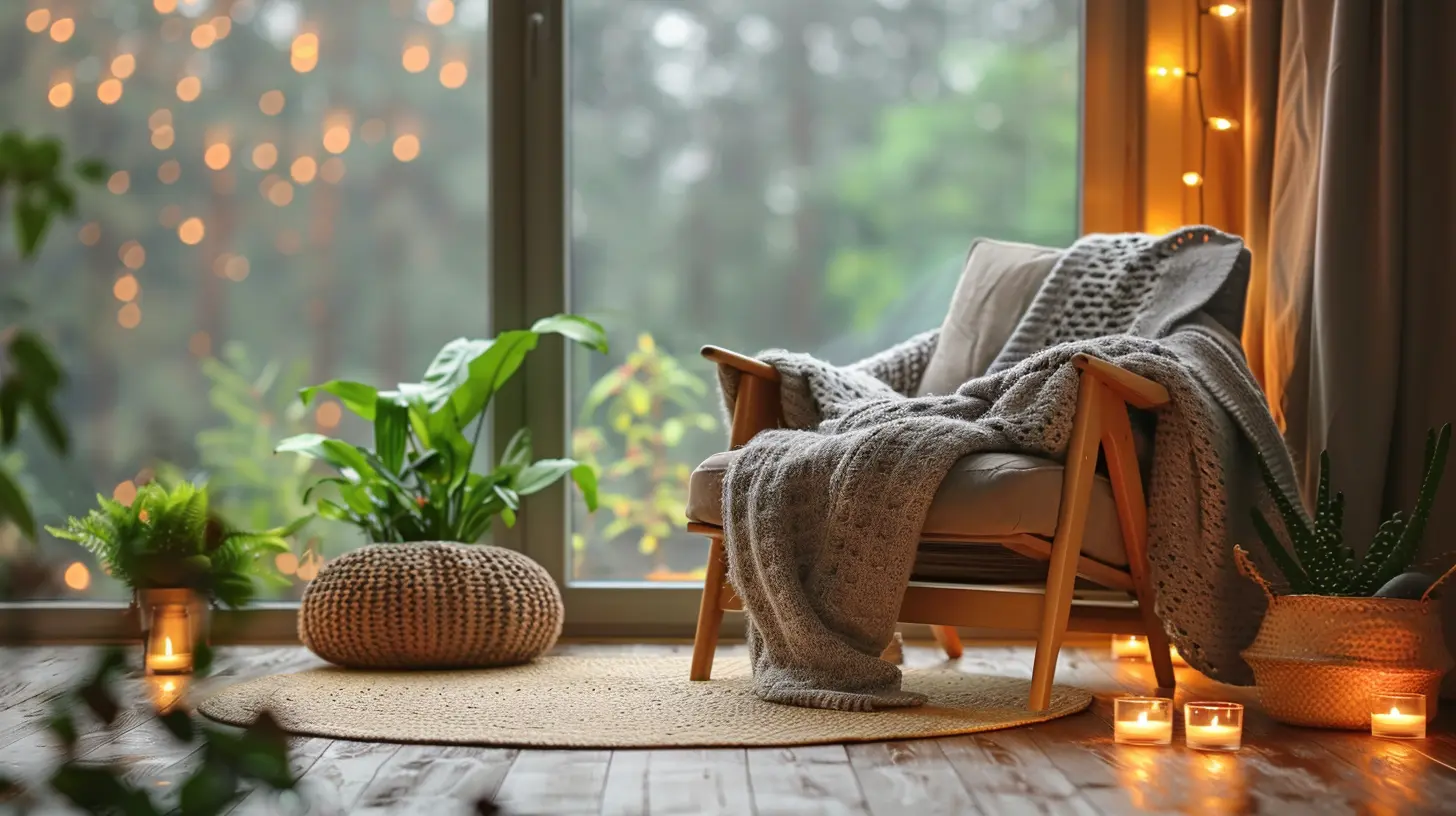
Mindful Eating Practices
Slow Down
Encourage yourself and others to eat slowly. This practice not only enhances the enjoyment of flavors but also promotes better digestion. Chewing thoroughly and savoring each bite can help you feel more satisfied with your meal.Engage All Senses
Take the time to appreciate the meal using all your senses. Notice the colors on your plate, the aromas wafting up, and the textures as you take each bite. This engagement fosters mindfulness and can transform your eating experience.Gratitude
Incorporating a moment of gratitude before meals can enhance the overall experience. Take a moment to appreciate the food, those who prepared it, and the opportunity to enjoy it. This simple practice can elevate your meal from a mundane task to a cherished ritual.Common Mistakes to Avoid
Distractions
One of the most significant pitfalls in creating a peaceful eating environment is allowing distractions. This includes television, smartphones, or even overly stimulating conversation. While some chatter is healthy, avoid topics that are contentious or could lead to stress.Overcomplicating
While it's great to have a well-set table, don't feel pressured to go overboard. A peaceful setting doesn't have to be complicated. Sometimes, simplicity is key. A clean table with good food and pleasant company is often all you need.Ignoring Personal Preferences
Everyone has different tastes and comfort levels. Be mindful of the preferences of those dining with you. Whether it's the type of music playing or the choice of decor, creating a peaceful environment means accommodating the needs of others as well.
Real-World Examples
Let's consider a few scenarios that illustrate how to create a peaceful eating environment.Family Dinner
Imagine a family dinner where everyone is present: the table is set with bright, colorful plates, soft music plays in the background, and a beautiful centerpiece of fresh flowers sits in the middle. The family members leave their phones in the other room, allowing for uninterrupted conversation. This setup encourages everyone to engage with each other and the food, creating a memorable experience.Solo Dining
On the other hand, consider a solo dining experience. The individual lights a scented candle, tunes into soft jazz, and prepares a simple but delicious meal. They take the time to appreciate each bite, reflecting on the day's events. This mindful approach turns what could be an ordinary meal into a moment of self-care.Practical Tips for Implementation
Start Small
If the idea of overhauling your dining space feels overwhelming, start small. Focus on one aspect at a time, whether it's improving the lighting or decluttering the table. Gradually, you can build toward a more peaceful environment.Get Everyone Involved
If you live with others, involve them in the process. Host a family meeting to discuss how to create a better dining atmosphere. This can foster a sense of ownership and collaboration, making it more likely that everyone will adhere to the changes.Regular Reflection
After implementing changes, take time to reflect on what works and what doesn't. Encourage family members to share their thoughts on the dining experience. This feedback can help you refine your approach and continue to enhance the atmosphere.
Conclusion
Creating a peaceful eating environment at home is a rewarding endeavor. It involves thoughtful consideration of the atmosphere, the table setting, and the practices you engage in around mealtime. By fostering a tranquil space, you enhance not only your dining experiences but also your overall well-being. Remember that it's about more than just the food; it's about the connections you make and the joy you find in each meal.
all images in this post were generated using AI tools
Category:
Mindful EatingAuthor:

Sophia Wyatt