The Necessity of Anger in Today's Climate
March 29, 2025 - 03:55
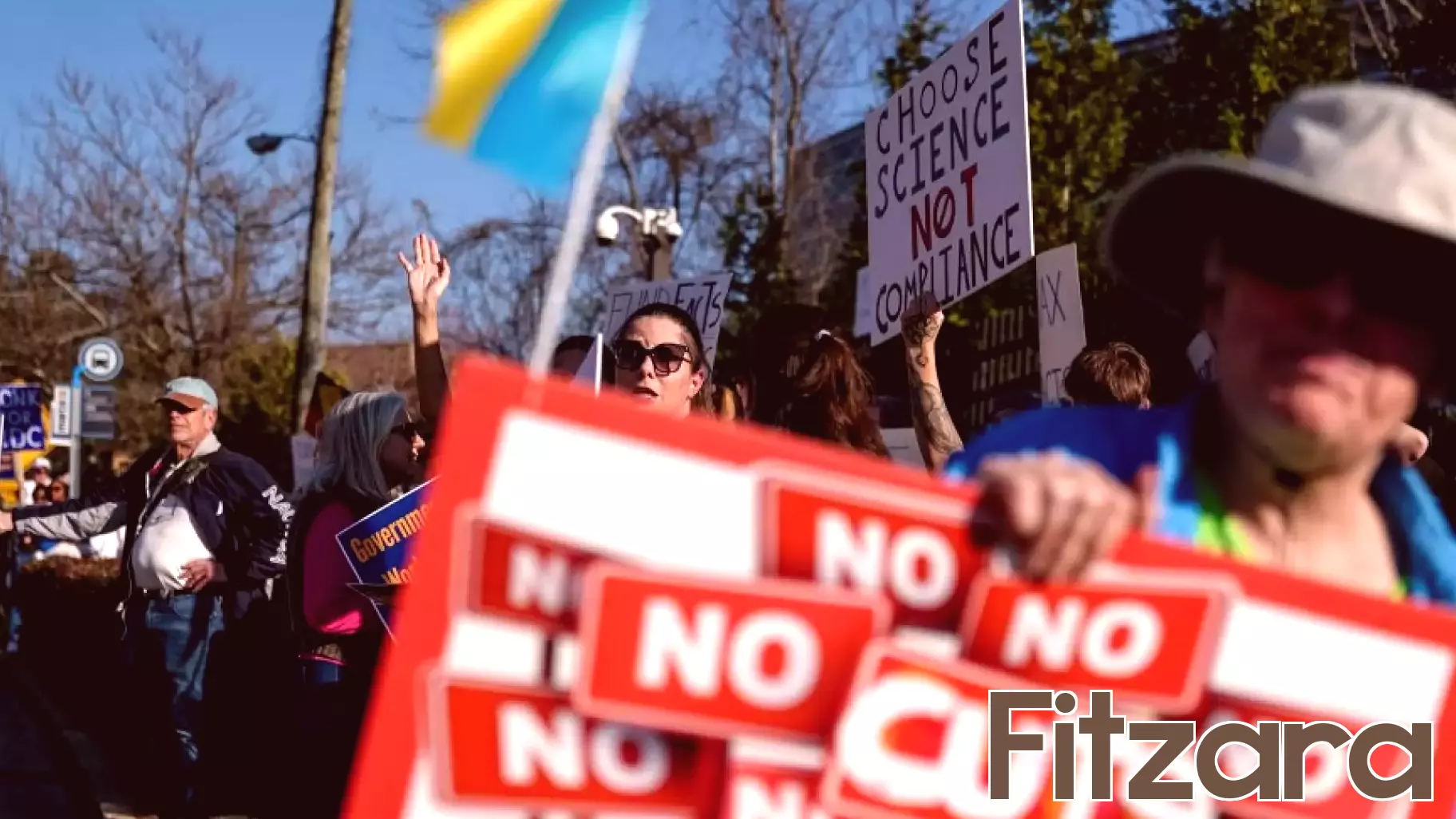
Anger is often viewed negatively, seen as a weakness or a sign of poor emotional regulation. However, in the current social and political climate, cultivating a sense of anger may be essential for driving change. Many professionals, including those in the medical field, believe that a collective frustration can be a powerful catalyst for action.
As we face significant challenges such as healthcare disparities, environmental crises, and systemic injustices, it is crucial to channel that anger into constructive efforts. This emotion can motivate individuals and communities to advocate for their rights and demand accountability from leaders. Anger can serve as a unifying force, bringing people together to confront issues that affect their lives and wellbeing.
Instead of suppressing anger, we should embrace it as a valid response to injustice. By acknowledging our frustrations, we can transform them into a drive for positive change, ultimately fostering a healthier society for everyone.
MORE NEWS

November 3, 2026 - 22:04
Study Finds Shorter Radiation Treatment Beneficial for Breast Cancer PatientsBruce Haffty, MD, associate Vice chancellor for Cancer Programs at Rutgers Cancer, recently discussed the findings of a significant study published in the Journal of Clinical Oncology. This...

November 3, 2026 - 01:18
Behavioral Health Investors Shift Focus from Expansion to Market DepthIn 2021, the behavioral health dealmaking market was booming. Double-digit multiples were commonplace and operators raced to open up shop in as many new regions as possible. The strategy was simple...

November 2, 2026 - 05:29
Study Finds Voters May Live Longer Than Non-VotersCasting a ballot may be another healthy habit, like going for a run or eating lots of vegetables. Research examining older Americans has found that those who vote tend to live longer than those who...

November 1, 2026 - 02:07
Health Coverage Shrinks as Costs Squeeze American FamiliesThe number of Americans without health insurance is climbing again, and even people who have coverage are finding it harder to afford care. Recent data shows a steady erosion in coverage rates...