Researchers identify new therapeutic target for salt-sensitive hypertension
September 8, 2026 - 01:03
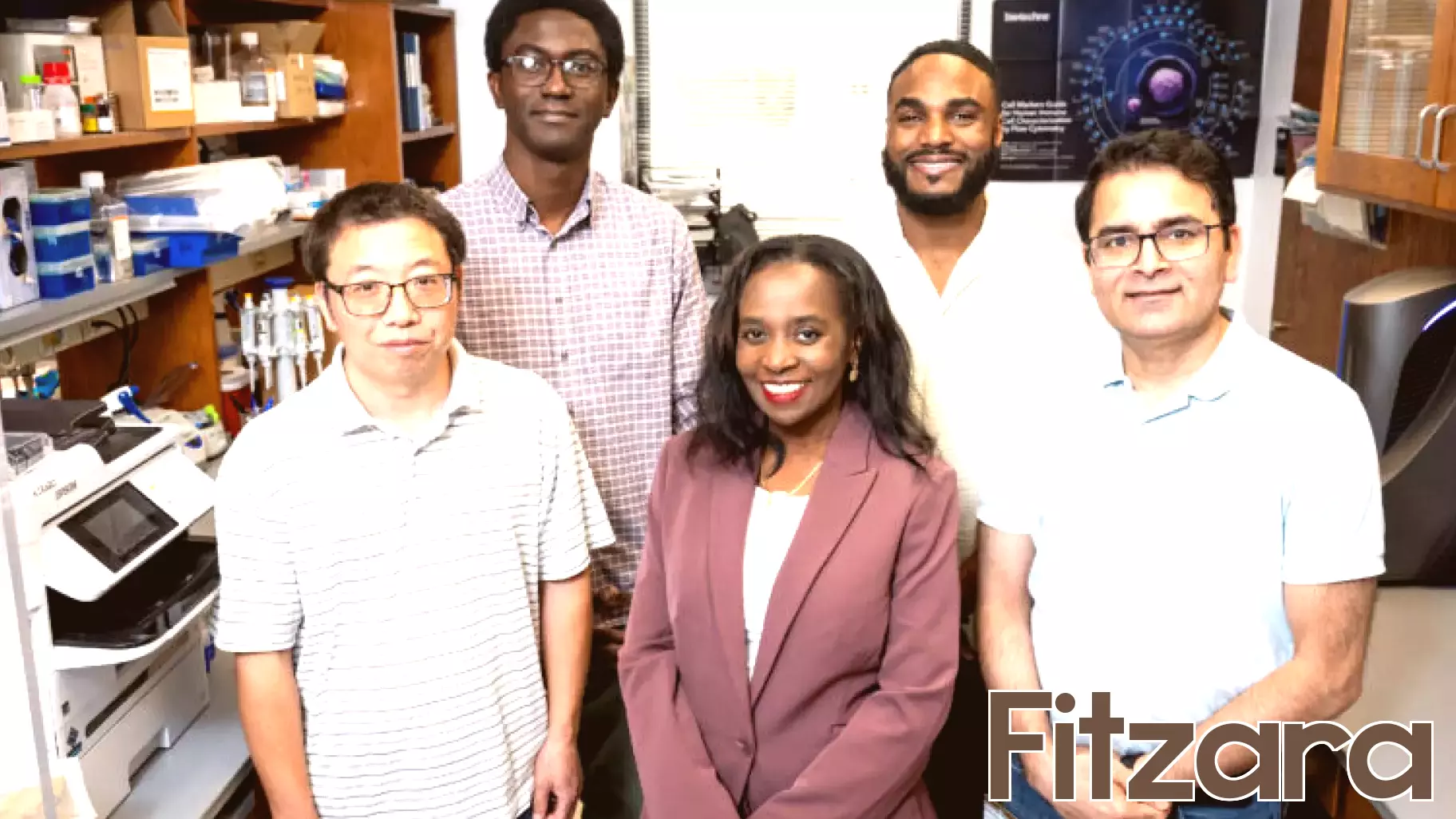
A team of researchers has pinpointed a molecular mechanism that could open the door to better treatments for salt-sensitive hypertension, a condition where high salt intake drives blood pressure up even in people who are otherwise healthy. The work, published in a recent study, identifies a signaling pathway called the AP-1 complex as the key link between dietary sodium and the immune system's role in raising blood pressure.
For years, scientists knew that excessive salt could trigger inflammation and lead to hypertension, but the exact steps inside cells remained unclear. The new findings show that when salt levels rise, the AP-1 complex becomes activated in certain immune cells. This activation then sets off a chain reaction that promotes inflammation in blood vessels and the kidneys, ultimately causing blood pressure to climb.
What makes this discovery promising is that AP-1 is not just a passive bystander. By blocking this complex in animal models, the researchers were able to prevent the salt-induced rise in blood pressure, even when the animals were fed a high-salt diet. This suggests that targeting AP-1 could be a viable strategy for treating people whose hypertension is resistant to standard medications like diuretics or ACE inhibitors.
The study also sheds light on why some people are more salt-sensitive than others. Genetic variations in the AP-1 pathway might explain why certain individuals see a dramatic blood pressure response to salt while others do not. The next step, according to the authors, is to test drugs that can safely inhibit this complex in humans, which could lead to a new class of antihypertensive therapies. For now, the findings offer a fresh angle on a condition that affects millions worldwide and is often difficult to manage with current treatments.
MORE NEWS

October 10, 2026 - 04:12
Digital detox how-to; artificial intelligence in nursing; when to see your doctor about GI issues; plus other stories with Vanderbilt Health sourcesA recent study has drawn a direct line between insomnia and serious cardiovascular events. Beth Malow, professor of neurology and pediatrics in the Vanderbilt Sleep Division, spoke with Prevention...

October 9, 2026 - 01:17
Peter Shorett Tapped to Lead Beth Israel Lahey Health as President and CEOThe Board of Trustees of Beth Israel Lahey Health has selected Peter Shorett to serve as the organization`s next President and Chief Executive Officer. The appointment follows a national search and...

October 8, 2026 - 12:03
When Friends Become the First Line of Mental Health SupportWhen professional mental health services feel out of reach, many people turn to the people closest to them. Friends, roommates, and classmates often become the first responders to a crisis, even...

October 7, 2026 - 23:27
Joe Manganiello Reveals Health Battle That Almost Killed Him & Contributed to Sofía Vergara DivorceJoe Manganiello is sharing a deeply personal story in his upcoming memoir. The actor, known for his role in True Blood, reveals that he faced a serious health battle that nearly took his life. This...