Why Portion Control Will Be the Key to Wellness in 2026
22 April 2026
Hey there! If you’re reading this, you’re probably one of the millions of people who are trying to find that elusive balance between enjoying delicious food and staying healthy. You’re not alone! As we step into 2026, the conversation around wellness is evolving, and one key player is emerging: portion control. Let’s dive into why this simple concept could be the cornerstone of our health in the coming years.
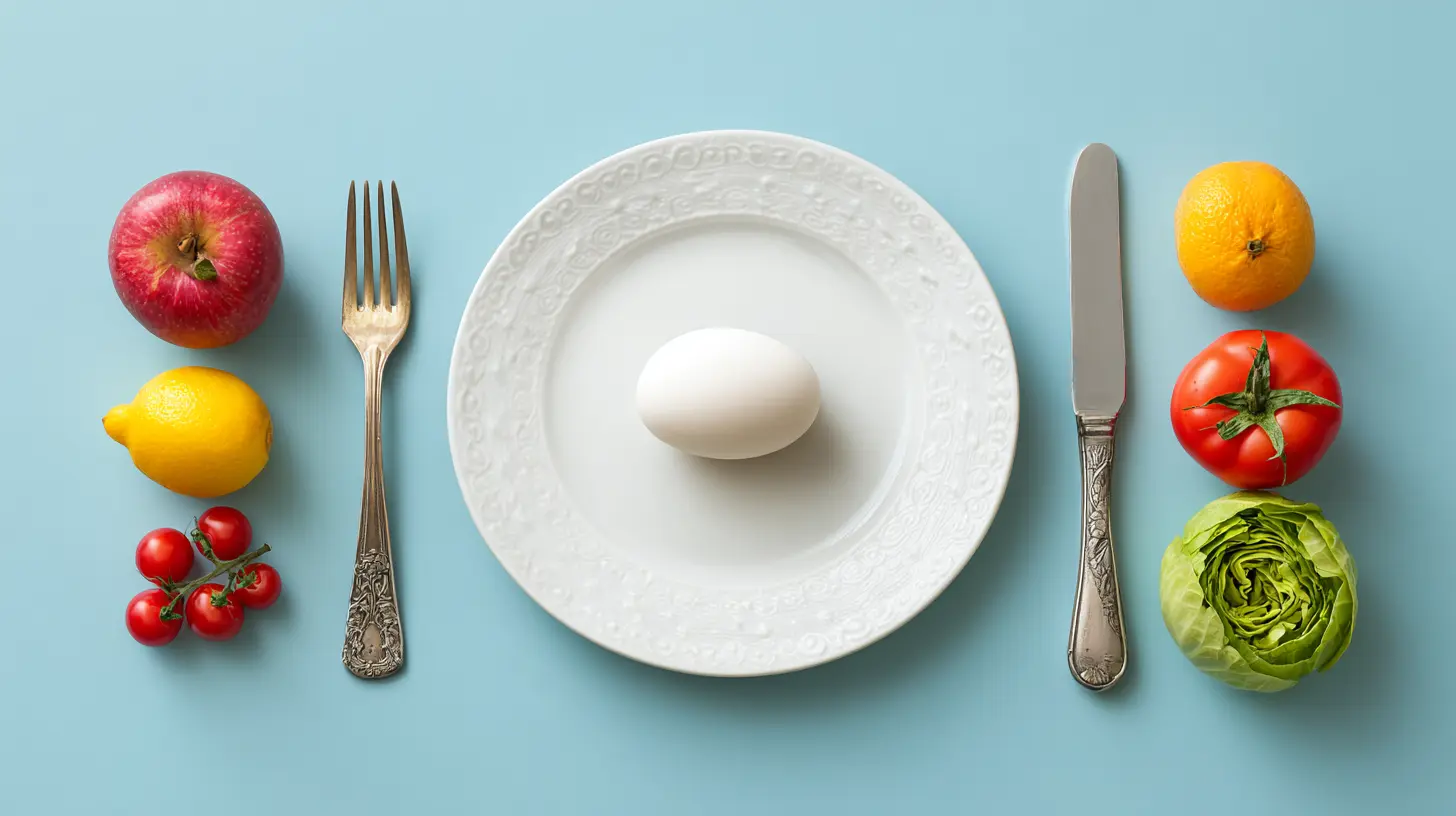
The Changing Landscape of Health and Wellness
The world of health and wellness is like a roller coaster; it’s constantly evolving. One minute it’s all about low carbs, and the next, it’s about high fats. But here’s the kicker: amidst all these trends, one principle has remained steadfast—portion control. As we look ahead to 2026, understanding this concept will be essential for achieving holistic health.A Growing Obsession with Portion Sizes
Did you know that portion sizes have ballooned over the years? It’s true! A classic example is that the “medium” soda we used to enjoy is now practically a small bucket! This shift has contributed to the obesity epidemic we see today. According to the CDC, the prevalence of obesity was 42.4% in 2017–2018, a number that’s likely to climb if we don’t rein in our portions.So, what makes 2026 different? People are starting to wake up to the reality of what they’re eating. Portion control isn’t just about eating less; it’s about eating smart. And that’s where the magic happens!
What Exactly is Portion Control?
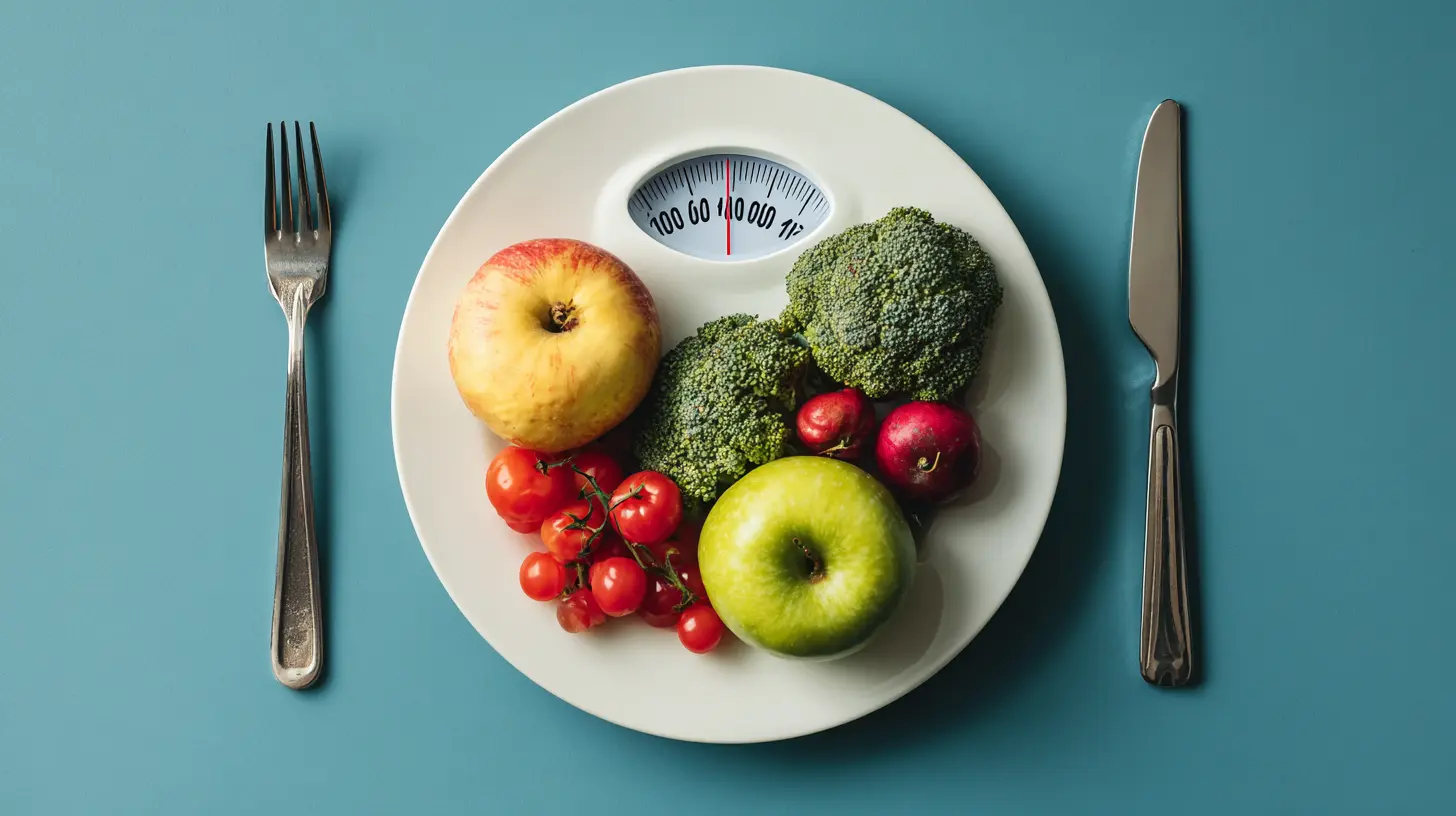
At its core, portion control is the practice of managing the amount of food you put on your plate. But it’s not just about sizes; it’s also about understanding your body’s hunger cues. Here’s a little secret: you don’t have to finish every meal on your plate. It’s perfectly okay to listen to your body and stop when you’re satisfied.The Science Behind Portion Control
Ever heard of the term “mindful eating”? It’s gaining traction, and for good reason. Studies show that people who practice mindful eating—paying attention to what they eat and how much—tend to consume fewer calories and enjoy their food more. It’s like flipping a switch in your brain that turns off the autopilot mode.How Our Brain Plays Tricks on Us
Our brains are wired to respond to various triggers; for example, larger plates lead to larger portions. You might think you’re just being “good” by finishing that heaping plate of pasta, but your brain is leading you astray. By practicing portion control, you can outsmart your brain’s tricks and make more conscious choices.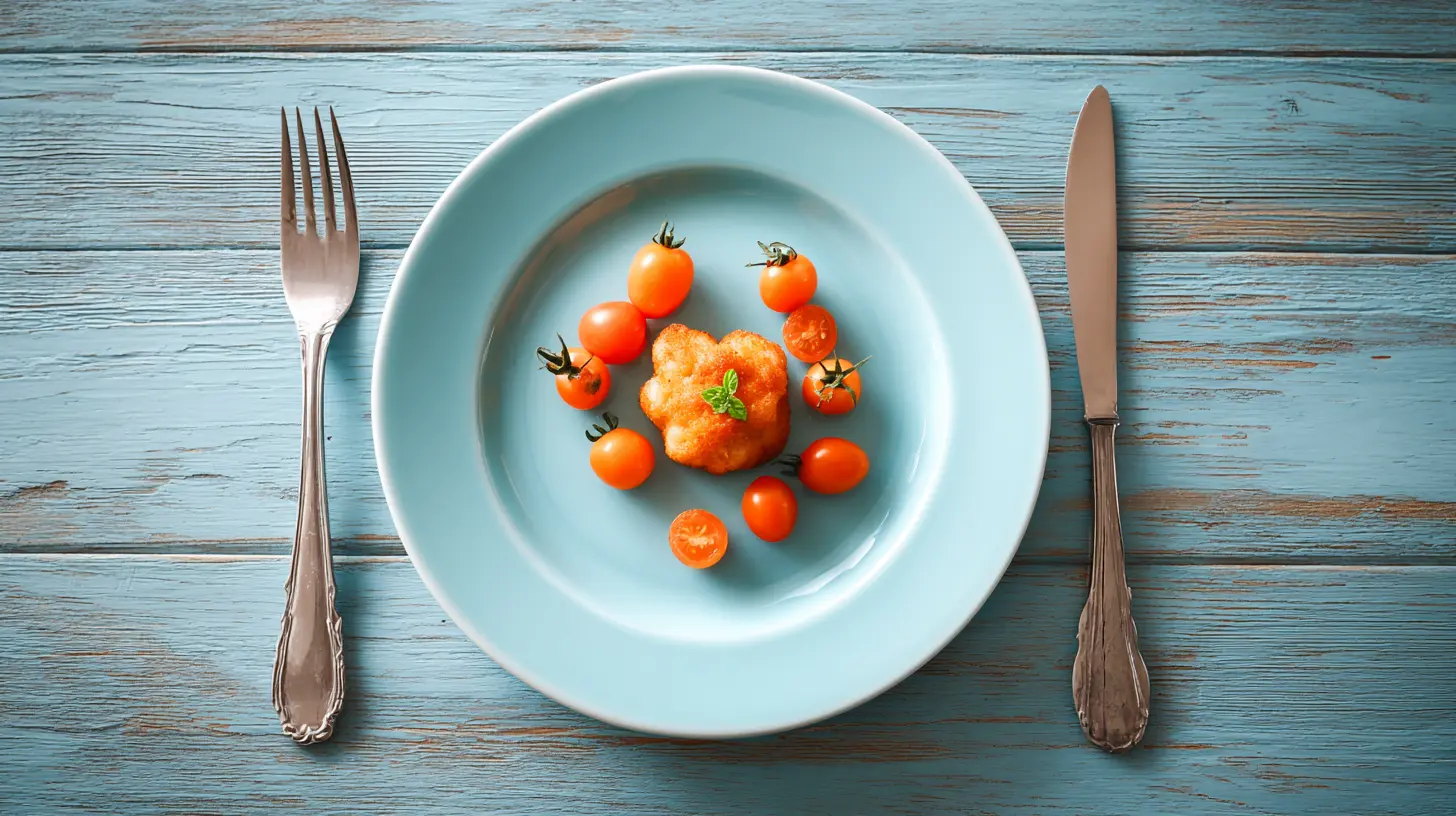
The Benefits of Portion Control
You might be wondering, "So what’s in it for me?" Well, let’s break it down.1. Weight Management
This is the big one! Portion control is a game-changer when it comes to maintaining a healthy weight. It allows you to enjoy a variety of foods without going overboard on calories. Imagine being able to relish that gooey chocolate cake without feeling guilty afterward because you kept your portion in check. Sounds nice, right?2. Improved Digestion
Overeating can lead to a whole host of digestive issues, from bloating to heartburn. By controlling your portions, you give your digestive system a fighting chance to process your food more efficiently. Think of it like giving your stomach a breather!3. Enhanced Satisfaction
Believe it or not, eating smaller portions can actually make your meals more satisfying. When you eat slowly and savor each bite, your brain registers satisfaction faster—meaning you’re less likely to reach for that second helping. It’s almost like training your taste buds to appreciate the flavors rather than just gorge on quantity.4. Financial Savings
Let’s face it: food isn’t cheap! By being mindful of your portions, you can stretch your grocery budget further. This is especially relevant in a time when food prices are fluctuating. Less food waste means more cash in your pocket. Who wouldn’t want that?
How to Practice Portion Control Effectively
Alright, so you’re sold on the benefits. But how do you actually implement portion control in your daily life? Here are some practical tips that can help:Use Smaller Plates
This one’s a classic trick! Studies show that people tend to eat less when they use smaller plates. It’s a simple psychological hack—your mind sees a full plate and thinks, “Heck yes, I’m full!” even if you’ve eaten less food.Measure Your Portions
At least initially, it might be helpful to measure your portions. Use measuring cups or a food scale. Over time, you’ll develop a better sense of what an appropriate portion looks like. It’s like learning to ride a bike; at first, you need training wheels, but eventually, you’ll be cruising on your own!Listen to Your Body
This might sound a bit woo-woo, but really, your body knows what it needs. Pay attention to your hunger and fullness cues. If you’re eating while distracted—like scrolling through your phone or watching TV—you’re more likely to miss those signals. Try to eat mindfully, and you’ll be surprised at how much more in tune you become with your body.Plan Your Meals
Meal planning is key! When you plan your meals ahead of time, you can better control your portions. You can decide in advance how much you’ll eat, which can help curb impulsive eating. Plus, it takes the stress out of figuring out what to eat at the last minute.Portion Control and Special Diets
Whether you’re vegan, vegetarian, paleo, or following any other diet trend, portion control is versatile and applicable to all. It’s not about restricting yourself but rather about finding a balance that works for you.1. Vegan and Vegetarian Diets
On a plant-based diet, it can be easy to overindulge in grains and legumes. Portion control helps you balance your plate with veggies, protein, and healthy fats. It’s all about creating harmony on your plate—like a well-conducted symphony.2. Low-Carb Diets
If you’re following a low-carb diet, portion control is crucial to ensure you’re staying within your macro limits. Eating mindfully can help you enjoy your meals without feeling deprived.3. Keto Diet
On a keto diet, it’s easy to get carried away with high-fat foods. Portion control acts as your safety net, helping you enjoy your favorite dishes while keeping your carb intake in check.
The Future of Portion Control in 2026
As we move into 2026, the focus on portion control will only become more pronounced. With advancements in technology and increased awareness about nutrition, we’ll likely see innovative tools and apps designed to help people measure and understand their food intake better.Technology to the Rescue
Imagine using an app that scans your food and provides portion control recommendations tailored to your dietary needs. That’s not too far-fetched! Such advancements could empower individuals to take charge of their health in ways we can't even imagine yet.A Shift in Dining Culture
Restaurants are also likely to embrace portion control by offering smaller plates or “tasting menus” that allow patrons to sample a variety of dishes without overwhelming their appetites. This shift could lead to a more conscious dining culture—one where quality trumps quantity.The Bottom Line
So, here’s the scoop: portion control isn’t just a fad; it’s a lifestyle choice that can lead to lasting wellness. As we step into 2026, embracing this concept will be vital for maintaining a healthy balance in our food choices. Whether you’re looking to lose weight, feel better, or simply enjoy food without guilt, portion control can be your secret weapon.Are You Ready?
The journey towards wellness can be a daunting task, but with portion control in your toolkit, you’ll be well-equipped to face the challenges ahead. So, next time you sit down for a meal, remember: it’s not just about what you eat, but how much you eat. Happy eating!all images in this post were generated using AI tools
Category:
Portion ControlAuthor:

Sophia Wyatt
Discussion
rate this article
2 comments
Maxwell McVicar
Embracing portion control is not just a strategy; it's a pathway to a healthier future! By understanding our needs and making mindful choices, we empower ourselves to achieve lasting wellness. Let’s make 2026 the year we prioritize balance and nurture our bodies with each meal!
April 28, 2026 at 2:39 PM
Sophia Wyatt
Absolutely! Portion control is essential for sustainable health. Let's make mindful choices together in 2026!
Darius Summers
This article highlights the crucial role of portion control in promoting sustainable health. By fostering mindful eating habits, individuals can achieve lasting wellness and prevent lifestyle-related diseases.
April 22, 2026 at 4:38 AM
Sophia Wyatt
Thanks for your insight! Portion control truly is essential for sustainable health and long-term wellness.