Gut Health Myths That Need to Be Debunked in 2027
5 September 2026
The year 2027 will not look like a futuristic utopia. It will look like a grocery store aisle where half the products scream "probiotic" and the other half scream "prebiotic fiber," while your social feed tells you that your gut is the root of all anxiety, acne, and bad luck. We have spent the last decade turning the digestive tract into a mystical oracle. We treat it like a black box that, if fed the right kombucha, will somehow fix our sleep, our mood, and our waistlines.
The problem is not that the gut is unimportant. The problem is that we have replaced biology with folklore. By 2027, the noise will only get louder. New tests, new supplements, and new "gut doctors" will promise to decode your microbiome like a tarot card reading. Before you spend another dollar on a stool test or a questionable powder, you need to separate what is real from what is simply profitable.
This is not a beginner's guide. This is a deep dive into the specific myths that will still be circulating in 2027, why they are wrong, and what you should actually do instead.
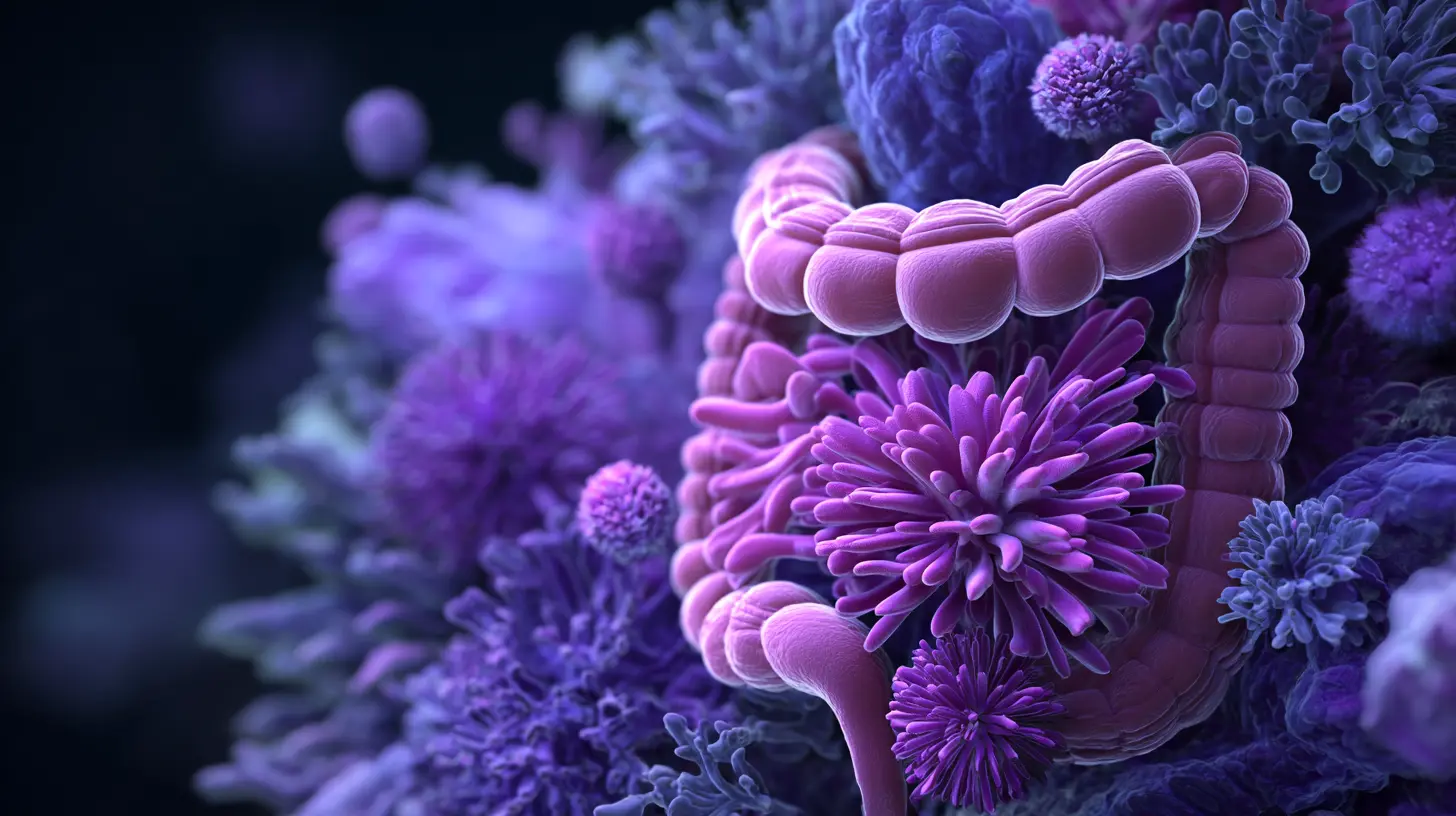
Myth One: The Microbiome Is the Cause of Everything
The most persistent myth is that your gut bacteria are the puppet masters of your entire existence. You will read that a "bad" microbiome causes depression, obesity, autoimmune disease, and even procrastination. This is a classic case of correlation being sold as causation.Here is the reality. The gut microbiome is a complex ecosystem that interacts with your immune system, your nervous system, and your metabolism. It is not a separate organ that makes decisions for you. When researchers find that people with depression have different gut bacteria than people without depression, they cannot tell you which came first. Does a depressed state change your diet, your sleep, and your stress hormones, which then alters your bacteria? Or do the bacteria directly cause the depression? In most cases, it is the former. The microbiome is a reflection of your overall health, not the sole driver of it.
By 2027, you will see more direct-to-consumer tests that claim to tell you if your gut is "leaky" or "imbalanced." These tests often produce vague, scary results. They will tell you that you have low diversity or too much of a certain strain. What they will not tell you is that your microbiome changes day to day, hour to hour, based on what you ate for lunch. A single stool sample is a snapshot, not a movie.
The practical takeaway is this: your gut is part of a system, not the system itself. If you have chronic fatigue or brain fog, do not assume a probiotic will fix it. Look at your sleep, your stress, your alcohol intake, and your overall diet first. Those are the levers that actually move the needle.
Myth Two: Fermented Foods Are a Cure-All
The fermented food craze will not die by 2027. Kimchi, sauerkraut, kefir, and kombucha will still be marketed as superfoods that can repopulate your gut with good bacteria. The myth is that eating these foods will directly and permanently change your microbiome for the better.Here is the nuance. Fermented foods are excellent for you. They contain live microorganisms, and some of those microorganisms can survive stomach acid and reach your colon. But most of the bacteria in fermented foods are transient. They pass through, do some beneficial work, and then leave. They do not colonize your gut in the same way that your native bacteria do.
Think of it like this. Your native microbiome is a dense forest. Fermented foods are like releasing a few dozen birds into that forest. The birds might eat some insects and spread some seeds, but they are not going to transform the forest into a jungle. They are helpful visitors, not permanent residents.
The bigger issue is that fermented foods are not all created equal. Commercial kombucha often contains added sugar, which can feed the less desirable bacteria in your gut. Pickled vegetables that are pasteurized have no live cultures at all. You are paying for the label, not the biology.
What works better is a consistent intake of prebiotic fiber. Prebiotics are the food for your native bacteria. They are the fertilizer for your forest. Foods like garlic, onions, leeks, asparagus, and oats feed your existing good bacteria so they can outcompete the bad ones. That is a more sustainable strategy than chasing a glass of fizzy tea every morning.
Myth Three: Probiotics Are a One-Size-Fits-All Pill
The probiotic supplement industry is worth billions, and by 2027 it will be worth even more. The myth is that you can take a generic capsule with Lactobacillus and Bifidobacterium and expect it to fix everything from bloating to eczema.Probiotics are strain-specific. The strain that helps with antibiotic-associated diarrhea is not the same strain that might help with irritable bowel syndrome. And even then, the effects are modest. A 2027 perspective will show that many people are taking probiotics that do nothing for them because they are taking the wrong strain, the wrong dose, or the wrong formulation.
Here is a scenario that will be common. A person takes a course of antibiotics for a sinus infection. They feel terrible afterward, so they start taking a broad-spectrum probiotic. They expect their digestion to bounce back quickly. But research suggests that the timing matters. Taking a probiotic during antibiotics might actually delay the recovery of your native microbiome in some cases. The probiotic bacteria compete with your native bacteria for space, and when the antibiotics stop, the probiotic bacteria may dominate the niche that your original bacteria are trying to reclaim.
That is a trade-off that most people do not consider. The best practice is not to blindly take a probiotic after antibiotics. Instead, eat a diverse range of plant foods and let your native bacteria recover naturally. If you must take a probiotic, choose one that has been studied for your specific condition, and take it under the guidance of a knowledgeable clinician.
The other mistake is thinking that more is better. High-dose probiotics can cause gas, bloating, and even brain fog in some people, especially those with small intestinal bacterial overgrowth (SIBO). If you have SIBO, adding more bacteria to your small intestine is like pouring gasoline on a fire. You need to treat the overgrowth first, not add more fuel.

Myth Four: Leaky Gut Syndrome Is a Medical Diagnosis
"Leaky gut" is a term that will not go away. The idea is that your intestinal lining becomes too porous, allowing toxins and undigested food particles to enter your bloodstream, triggering inflammation and autoimmunity.Here is what you need to understand. Intestinal permeability is a real biological phenomenon. Your gut lining is not a brick wall; it is a selective filter. It allows nutrients through and keeps larger particles out. When you have an infection, food poisoning, or inflammatory bowel disease, that filter can become temporarily more permissive. This is called increased intestinal permeability, and it is a symptom of an underlying problem, not a standalone disease.
The myth is that leaky gut is a chronic condition that needs to be treated with special supplements like glutamine, zinc, or collagen. In 2027, you will still see practitioners diagnosing leaky gut based on a blood test for zonulin or endotoxins. These tests are not validated for clinical use. They produce false positives and false negatives, and they lead people down a rabbit hole of unnecessary supplements.
The truth is that your gut lining repairs itself constantly. If you have a healthy diet and no active inflammatory disease, your gut is not leaking. If you have celiac disease or Crohn's disease, then yes, you have increased permeability, but the treatment is to manage those specific diseases, not to drink bone broth and hope for the best.
Do not fall for the "heal your gut" protocol that includes dozens of powders and restrictive diets. The most effective way to support your gut lining is to avoid known irritants like excessive alcohol, NSAIDs, and smoking, and to eat a balanced diet with plenty of fiber. Your gut does not need a cleanse. It needs you to stop poking it with a stick.
Myth Five: Fiber Is Always Good, and More Is Always Better
For years, the public health message was simple: eat more fiber. By 2027, we will have a more nuanced view, but the myth will persist that fiber is universally safe and beneficial.Fiber is not a single substance. It includes insoluble fiber, which adds bulk, and soluble fiber, which forms a gel and feeds bacteria. Both are important, but they have different effects. For someone with constipation, insoluble fiber might help. For someone with IBS and diarrhea, insoluble fiber can make things worse by irritating the gut.
The bigger myth is that you can go from a low-fiber diet to a high-fiber diet overnight and expect miracles. If you suddenly eat a bowl of beans, a handful of flaxseed, and a fiber supplement all in one day, you will experience gas, bloating, and cramping. That is not a sign that the fiber is working. That is a sign that your gut bacteria are not adapted to handle the sudden influx of fermentable carbohydrates.
The best practice is to increase fiber gradually over several weeks. Drink plenty of water, because fiber without water can cause a blockage. And pay attention to your specific tolerance. Some people do well with a high-fiber diet. Others, particularly those with severe IBS, do better with a low-FODMAP diet that temporarily restricts certain types of fermentable fibers.
The trade-off here is between short-term comfort and long-term diversity. A high-fiber diet is associated with a more diverse microbiome and better metabolic health. But if you cannot tolerate it, you will not stick with it. The answer is not to force down a cup of psyllium husk. The answer is to find a level of fiber that you can tolerate and then gradually push the boundary.
Myth Six: Stool Transplants Are the Ultimate Fix
Fecal microbiota transplantation (FMT) is a real medical procedure. It is highly effective for recurrent Clostridioides difficile infection, a severe form of diarrhea that does not respond to antibiotics. But by 2027, the myth will be that FMT can cure obesity, depression, autism, and chronic fatigue.The reality is that FMT is a blunt instrument. When you transplant stool from a healthy donor into a sick patient, you are transplanting an entire ecosystem. That ecosystem might take hold, but it might not. The recipient's diet, immune system, and genetics will shape the new microbiome over time. You cannot just transplant bacteria and expect them to behave the same way they did in the donor.
There are also real risks. Stool contains not just bacteria but also viruses, fungi, and other microorganisms. If the donor is not screened properly, you can transmit infections. We have seen cases of patients developing new autoimmune conditions after FMT, although it is rare.
The point is that FMT is a last-resort therapy for a specific, life-threatening condition. It is not a wellness treatment. Do not be fooled by clinics that offer "microbiome restoration" via capsules of donor stool. These are unregulated, unproven, and potentially dangerous.
If you are interested in the concept, the future lies in defined bacterial consortia. These are mixtures of specific, well-characterized strains that target a particular condition. They are more like precision medicine and less like a shotgun blast. But these are still in clinical trials. Do not expect to buy them on the internet.
Myth Seven: You Need a Daily Detox or Cleanse
The word "detox" is one of the most abused terms in wellness. By 2027, you will still see colon cleanses, liver detox teas, and juice fasts marketed as ways to "reset" your gut.Your body has its own detoxification system. Your liver, kidneys, and intestines do the work of removing waste and toxins. They do not need a juice cleanse to function. In fact, a juice cleanse can be harmful because it is low in fiber and high in sugar. A few days of juice will starve your gut bacteria, which need fiber to produce short-chain fatty acids like butyrate.
Butyrate is the primary fuel for the cells lining your colon. Without it, your gut lining becomes weaker. So a cleanse that removes fiber is actually making your gut less healthy, not more healthy.
The colon cleanse is even worse. Flushing your colon with water or coffee can disrupt your electrolyte balance, damage your intestinal lining, and wipe out your native bacteria. There is no evidence that it removes toxins. There is evidence that it can cause perforation and infection.
The best "detox" is a consistent, boring diet of whole foods, adequate sleep, and regular exercise. Your liver does the heavy lifting. Your job is to not overload it with excessive alcohol and processed foods. That is not a myth. That is just biology.
Myth Eight: The Gut-Brain Axis Means Your Thoughts Control Your Digestion
The gut-brain axis is a fascinating area of research. Your gut has its own nervous system, called the enteric nervous system, which communicates with your brain via the vagus nerve. This means that stress, anxiety, and mood can influence your digestion, and vice versa.The myth is that you can "think" your way to a healthy gut, or that a positive mindset will cure your IBS. This is a dangerous oversimplification. Stress can exacerbate gut symptoms, but it does not cause celiac disease or Crohn's disease. Those are immune-mediated conditions with genetic components. You cannot meditate away an autoimmune flare.
Conversely, the idea that a probiotic will cure your depression is not supported by solid evidence. Some studies show modest improvements in mood with certain strains, but the effect sizes are small and inconsistent. Depression is a complex condition involving brain chemistry, life circumstances, and genetics. Reducing it to a gut problem is insulting to the complexity of the human mind.
What is true is that stress management can help with functional gut disorders like IBS. Practices like cognitive behavioral therapy and gut-directed hypnotherapy have real evidence behind them. They work by calming the communication between the brain and the gut. This is not a myth. It is a legitimate, non-pharmacological treatment.
The trade-off is that these therapies take time and effort. They are not a quick fix. But they are more effective than spending money on unproven supplements that promise to "balance" your brain-gut connection.
Myth Nine: Everyone Should Take a Daily Probiotic
The final myth is that probiotics are a necessary daily supplement for everyone, like a multivitamin. The supplement industry has done a brilliant job of convincing us that our guts are always in need of external reinforcement.The truth is that most healthy people do not need a probiotic. Your native microbiome is resilient. It does not need to be supplemented to survive. In fact, taking a probiotic every day can sometimes lead to a dependency, where your native bacteria become lazy because they are being fed a constant supply of competitors.
There are specific situations where probiotics are helpful. You might benefit from one if you are taking antibiotics, although the timing is debated. You might benefit if you have a diagnosed condition like ulcerative colitis or antibiotic-associated diarrhea. But for the average person eating a varied diet, a probiotic is a waste of money.
What you should focus on instead is dietary diversity. The single best predictor of a healthy gut microbiome is the number of different plant species you eat in a week. Aim for thirty different fruits, vegetables, nuts, seeds, and whole grains. That is a challenging but achievable goal. It will do more for your gut than any capsule ever will.
The 2027 Action Plan
So what should you actually do in 2027, when the marketing noise is louder than ever? Ignore the products that promise a "microbiome reset." Ignore the tests that claim to give you a score. Ignore the influencers who show you their "gut healing" smoothie bowls.Focus on the fundamentals. Eat a diet rich in whole plant foods. Eat fermented foods occasionally for their nutritional value, not as a miracle cure. Manage your stress through proven methods like exercise and sleep. Avoid unnecessary antibiotics and NSAIDs. And if you have persistent digestive symptoms, see a gastroenterologist, not a self-proclaimed gut guru.
The gut is not a mystery. It is a digestive organ. It works best when you treat it with respect and consistency. The myths will continue to evolve, but the biology will not change. Your gut does not need to be fixed. It needs to be fed.
all images in this post were generated using AI tools
Category:
Bowel HealthAuthor:

Sophia Wyatt
Discussion
rate this article
1 comments
Sarina McInerney
Myth-busting is essential.
September 7, 2026 at 2:37 AM
Sophia Wyatt
Absolutely! It's crucial to separate fact from fiction for better health choices.