What is Diverticulitis? Understanding the Condition and Its Impact
31 May 2026
Have you ever heard someone say they have diverticulitis and wondered what in the world that means? It sounds like a mouthful, right? Well, let’s break it down together in a simple, conversational way. Whether you've been diagnosed with it or just stumbled upon the word while Googling mysterious stomach pains, this article will lay it all out for you—clear and easy.
What Is Diverticulitis, Really?
Let’s start at the beginning. Diverticulitis is a condition that affects the digestive tract, specifically the colon, which is part of your large intestine. It starts with something called diverticula—these are tiny, balloon-like pouches that can form in the lining of your colon, kind of like little pockets. This condition, when you just have the pouches but no symptoms, is called diverticulosis.Sounds harmless, right? And it usually is… until one or more of those pouches get inflamed or infected. That’s when you step into diverticulitis territory. Now we’re talking about pain, discomfort, and a few other not-so-fun symptoms.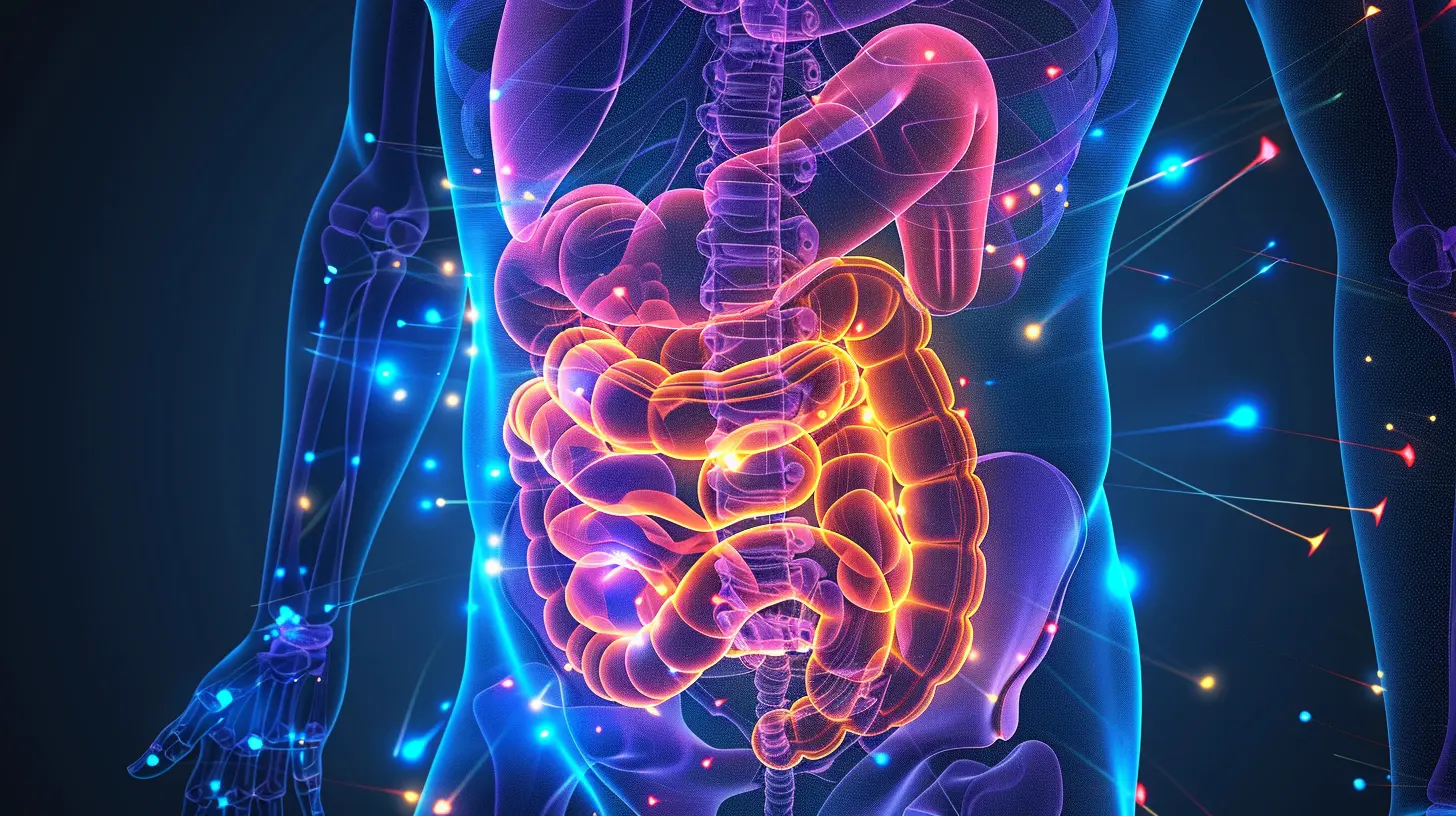
So, How Does Someone End Up with Diverticulitis?
Great question. The truth is, we’re still figuring out all the exact causes, but here’s what we do know:- Age plays a role – It’s more common in people over 40.
- Low-fiber diet – Fiber keeps things moving in your gut. Without it? Things slow down, and pressure builds up in the colon.
- Sedentary lifestyle – Not moving around much can mess with your digestion.
- Obesity and smoking – These increase your risk significantly.
It’s like your colon gets tired of working overtime, especially when you’re not giving it the help it needs.
Common Signs and Symptoms – What to Watch Out For
Diverticulitis doesn’t exactly knock politely—it usually barges in with some pretty uncomfortable symptoms. Here’s what you’d typically notice:- Sharp pain, usually on the lower left side of the abdomen
- Fever and chills – Because inflammation usually comes with a side of infection
- Nausea or vomiting
- Change in bowel habits – Constipation, diarrhea, or both
- Bloating and gas
If this sounds familiar, it might be time to check in with a doctor. You don’t want to shrug it off as just another stomach bug.
Types of Diverticulitis – Yep, There’s More Than One
Diverticulitis isn’t a one-size-fits-all condition. Depending on how bad the inflammation or infection is, it falls into two categories:1. Uncomplicated Diverticulitis
This is the more common, milder version. Basically, you’ve got the inflammation, maybe a bit of pain and fever, but no serious complications.2. Complicated Diverticulitis
This one’s the troublemaker. It means there’s more going on—maybe an abscess, a perforation (that’s a hole in your colon), a fistula, or even a blockage. These situations often require hospitalization, and sometimes even surgery.How Is Diverticulitis Diagnosed?
The steps to diagnosis usually go something like this:1. Physical exam – Your doctor will check for tenderness in your belly.
2. Medical history – They’ll ask about your symptoms, diet, and lifestyle.
3. CT Scan – This is the big one. A CT scan can confirm the diagnosis and show how severe the inflammation is.
4. Blood tests – These help detect infection.
5. Stool tests or colonoscopy (later) – Not usually done during a flare-up, but helpful for follow-up.
Doctors don’t mess around with this condition because if it’s left untreated, it can escalate fast.
Treatment Options – Let’s Talk Fixes
So you’ve been diagnosed—now what? The treatment depends on whether it’s uncomplicated or complicated.For Uncomplicated Diverticulitis:
- Antibiotics – Though recently, some mild cases are being treated without them.- Clear liquid diet – Give your gut a break while it recovers.
- Pain relief – Usually over-the-counter meds like acetaminophen.
You’ll likely be feeling better in a few days.
For Complicated Diverticulitis:
- Hospitalization – Especially if you have severe symptoms.- IV antibiotics and fluids
- Drainage of abscesses
- Surgery – In cases of severe complications like perforation or peritonitis.
The good news? Most people recover completely if they get the right treatment.
Can It Come Back?
Unfortunately, yes. Around one-third of people with an episode of diverticulitis might have another one. That’s why lifestyle changes are so important for long-term gut health.Prevention – Your Gut Will Thank You
Want to avoid a flare-up (or a repeat)? These lifestyle changes are your best bet:Eat More Fiber
Fiber is your colon’s best friend. It keeps things soft and moving, which reduces pressure. Here are some fiber-heavy foods to load up on:- Whole grains
- Fruits (like apples, pears, berries)
- Vegetables (especially leafy greens and carrots)
- Legumes (beans, lentils, peas)
Aim for at least 25 to 30 grams of fiber a day. And if you’re not used to that, increase gradually so your gut can adjust without too much gas or bloating.
Stay Hydrated
Fiber without water is like trying to wash your car without any soap. Water helps fiber do its job, so drink up!Get Moving
Even a brisk 30-minute walk a day can boost your gut motility. Plus, it helps you manage weight and stress—two things that can influence digestive health.Avoid Smoking
Smoking has been linked with a higher risk of complications from diverticulitis. If you needed another reason to quit, this is a pretty good one.Don't Ignore Bathroom Urges
Pushing stool out when it's ready helps reduce pressure in your colon. Holding it in just gives your bowels extra work—and stress.Potential Complications
Let’s say someone keeps ignoring symptoms or doesn't get the right treatment. Here's what could happen:- Abscess formation – Pockets of pus that may need draining
- Perforation of the colon – A hole that allows waste to leak into the abdominal cavity (super serious)
- Peritonitis – Infection of the abdominal lining
- Fistula – An abnormal tunnel between organs
- Intestinal blockage – From swelling or scarring
No sugarcoating here—these complications are serious. That’s why early detection and proper treatment are key.
Diverticulitis vs. Other Digestive Disorders
Ever thought, “Wait, is this IBS? Or maybe Crohn’s?” You're not alone. These conditions often get mixed up because they share some symptoms. Here’s how diverticulitis stands apart:| Condition | Key Difference |
|--------------------|----------------|
| Diverticulitis | Caused by inflamed or infected pouches in the colon. Often sudden and painful. |
| IBS (Irritable Bowel Syndrome) | Chronic but doesn’t cause inflammation or damage. More about bowel habits. |
| Crohn’s Disease | Autoimmune and can impact any part of the digestive tract, causing deep tissue inflammation. |
| Ulcerative Colitis | Inflammatory, but only affects the colon lining. Often chronic with flare-ups. |
A doctor can help you sort out which is which, especially if symptoms overlap.
Living with Diverticulitis – It’s Totally Manageable
Here’s the good news: Most people with diverticulitis go on to lead completely normal lives. With a bit of extra attention to what you eat and how you treat your body, flare-ups can become rare or even nonexistent.Real Talk: Can You Eat Popcorn Again?
Remember when everyone thought popcorn and nuts caused diverticulitis? That myth has been busted. Current research shows no solid link between these foods and flare-ups. So go ahead—sprinkle those sunflower seeds on your salad. Just chew carefully and listen to your body!When to See a Doctor
If you’re dealing with persistent abdominal pain—especially in the lower left belly—coupled with fever, changes in bowel habits, or nausea, don’t play the guessing game. A quick trip to the doctor could save you from a world of hurt later.The Bottom Line
Diverticulitis might sound intimidating at first, but once you understand what it is, how it works, and how to support your digestive health, it becomes much more manageable. Like many health issues, it’s all about paying attention to your body, fueling it well, staying active, and seeking help when something feels off.Your gut is like a garden—it needs water, the right nutrients, and consistent care. Skip any of those, and problems start to sprout. But with mindfulness and support, you’ll be well on your way to better GI health.
all images in this post were generated using AI tools
Category:
Bowel HealthAuthor:

Sophia Wyatt
Discussion
rate this article
1 comments
Harlow McCloud
Diverticulitis can be a painful condition that often takes people by surprise. It's crucial to understand its symptoms and impacts, as early intervention can significantly improve your quality of life. Awareness is key.
June 1, 2026 at 2:27 PM
Sophia Wyatt
You're absolutely right. Understanding diverticulitis and recognizing its symptoms can make a real difference. Early intervention is essential for managing this condition effectively. Thank you for highlighting its importance.