Tips for Hydrating Effectively After a Workout
8 November 2026
Staying properly hydrated after a workout is crucial for recovery, performance, and overall health. Whether you're a seasoned athlete or a weekend warrior, understanding how to hydrate effectively can make a significant difference in your post-exercise recovery. This article delves into the essentials of hydration, providing practical tips, common misconceptions, and evidence-based insights to help you optimize your hydration strategy.
Understanding Hydration Needs
Why Hydration is Essential
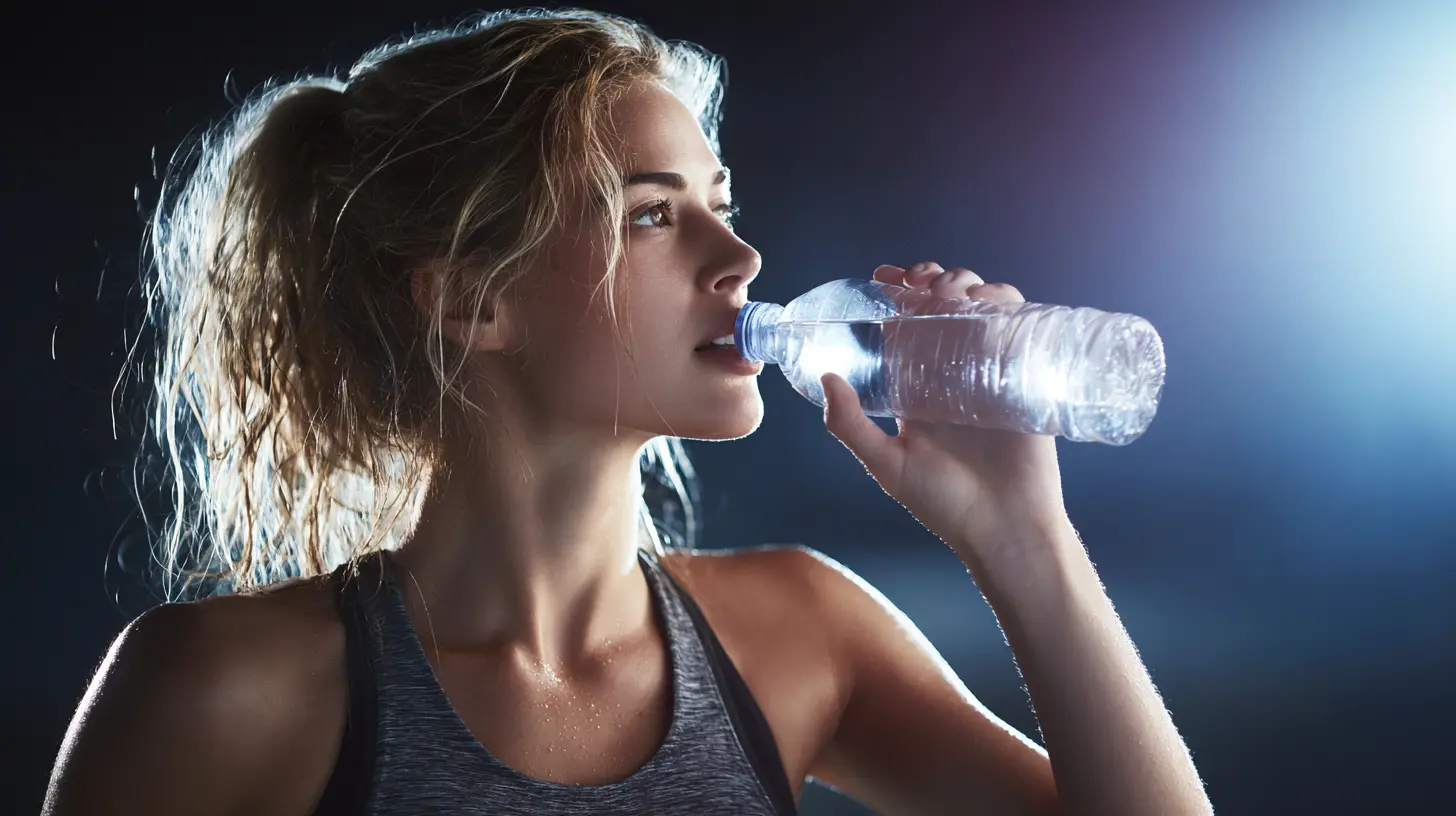
During exercise, your body loses water and electrolytes through sweat. Adequate hydration is vital to replenish these losses and support essential functions such as temperature regulation, nutrient transport, and muscle recovery. Dehydration can lead to decreased performance, prolonged recovery times, and increased risk of injury.Individual Hydration Requirements
Hydration needs vary based on several factors, including activity intensity, duration, environmental conditions, and individual physiology. For instance, a person exercising in a hot and humid environment will require more fluids than someone working out in cooler conditions. It's important to listen to your body and adjust your hydration strategies accordingly.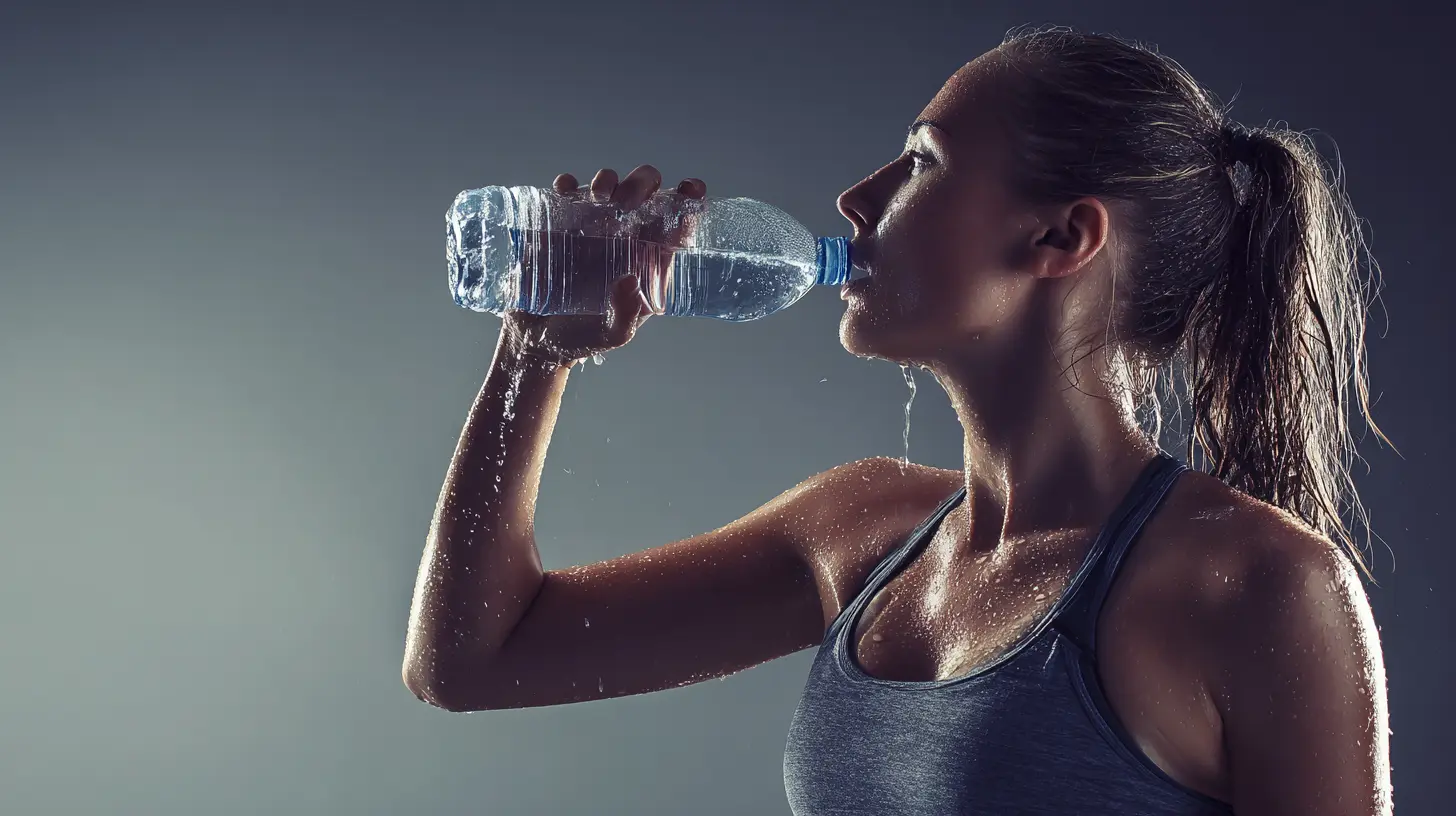
Post-Workout Hydration Strategies
Timing is Key
Rehydrating immediately after exercise can enhance recovery. Aim to start drinking fluids within 30 minutes of completing your workout. This is when your body is most receptive to absorbing fluids and nutrients. Delaying rehydration can lead to prolonged feelings of fatigue and soreness.Types of Fluids to Consider
Water: The Basic Choice
Water is the simplest and most effective choice for hydration after moderate exercise. It replenishes lost fluids without additional calories or sugars. However, if your workout was particularly intense or lasted more than an hour, consider incorporating additional sources of hydration.Electrolyte Beverages
For prolonged or high-intensity workouts, electrolyte drinks can be beneficial. These beverages contain essential minerals like sodium, potassium, and magnesium, which help to restore electrolyte balance. However, it is essential to choose options that are low in added sugars. Look for formulations that provide a balance of electrolytes without excessive calories.Coconut Water
Coconut water has gained popularity as a natural alternative to commercial sports drinks. It is low in calories, rich in potassium, and contains electrolytes. While it can be a good option for hydration, it may not provide adequate sodium to effectively replenish what is lost during intense exercise.How Much to Drink
A common guideline is to drink at least 16 to 24 ounces of fluid for every pound lost during exercise. Weigh yourself before and after your workout to determine how much fluid you need to replace. This method provides a more personalized approach to hydration, helping you avoid over- or under-hydration.
Common Mistakes in Post-Workout Hydration
Ignoring Thirst Signals
Many people underestimate their thirst, thinking they are adequately hydrated when they are not. Thirst is a natural indicator that your body needs fluids. If you wait until you're extremely thirsty, you may already be dehydrated. Pay attention to your body's signals and drink regularly after your workout.Relying Solely on Sports Drinks
While sports drinks can be beneficial after intense exercise, relying on them exclusively can lead to excessive sugar intake and unnecessary calories. For most moderate workouts, water is sufficient. Use sports drinks strategically, reserving them for longer or more intense sessions.Overhydration
While staying hydrated is essential, overhydration can also be a concern. This condition, known as hyponatremia, occurs when sodium levels in the blood drop too low due to excessive water intake. It's crucial to strike a balance and not force excessive amounts of water into your system.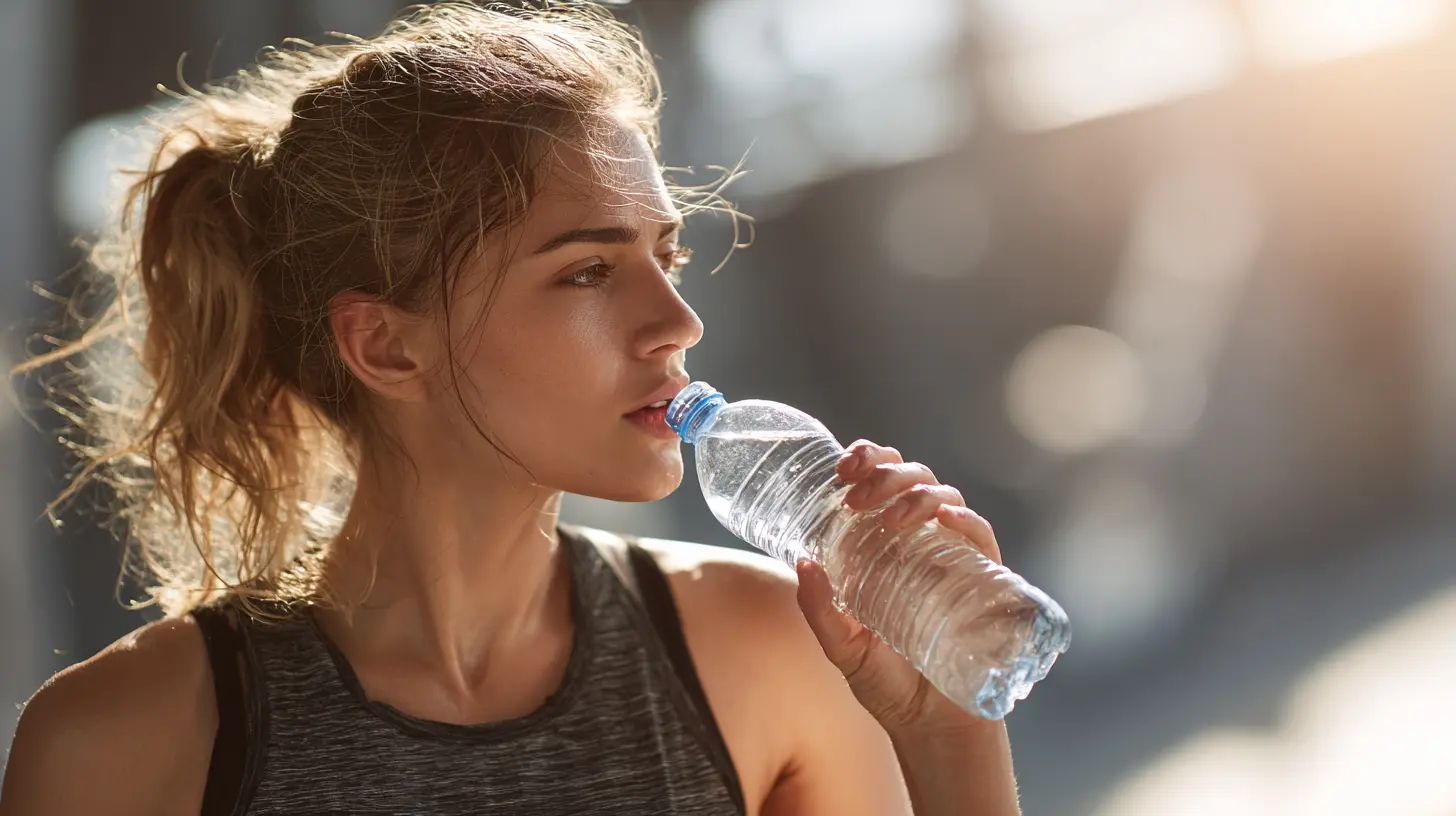
Nuanced Considerations in Hydration
Temperature and Environment
Hot and humid conditions can increase fluid loss through sweat. If you are exercising in such environments, it is necessary to increase your fluid intake accordingly. Conversely, in cooler climates, you may not feel as thirsty, but hydration remains important. Monitor your body's responses and adjust your intake as needed.Altitude Effects
Exercising at higher altitudes can lead to increased fluid loss through respiration and sweat. If you are training or exercising at altitude, ensure that you are increasing your fluid intake to compensate for these losses. Consider electrolyte replenishment as well, as the body may require additional support in these conditions.Age and Health Status
Age can influence hydration needs. Older adults may have a diminished sense of thirst and may not drink enough fluids. If you are older or have health conditions that affect hydration, such as kidney disease, consult with a healthcare provider to determine appropriate fluid intake.Recovery Beyond Hydration
Nutrition and Electrolyte Balance
While hydration is critical, nutrition plays a vital role in recovery. Consuming a balanced meal that includes carbohydrates, protein, and healthy fats can support muscle repair and replenish glycogen stores. Pair your hydration strategy with nutrient-dense foods to maximize recovery.Rest and Recovery Practices
Hydration is part of a larger recovery strategy that includes rest and active recovery. Allowing your body time to recover after intense workouts is just as important as hydration. Incorporating stretching, foam rolling, and adequate sleep can significantly enhance your recovery process.
Real-World Examples
Case Study: The Endurance Athlete
Consider an endurance athlete who runs marathons. After a race, this athlete weighs themselves and finds they have lost five pounds. To rehydrate effectively, they need to consume about 80 to 120 ounces of fluid. This can include water, a balanced electrolyte drink, and recovery foods rich in carbohydrates and protein to restore energy levels.Casual Exercise Scenario
A casual gym-goer who engages in a one-hour workout may not lose as much fluid and can rely primarily on water. They may find that drinking 16 to 24 ounces after their workout is sufficient to feel refreshed and ready for their day.Best Practices for Hydration
1. Plan Ahead: Bring a water bottle to the gym or your training area. Having fluids readily available can encourage you to hydrate more consistently.2. Monitor Urine Color: A simple way to gauge hydration status is by checking the color of your urine. Light yellow indicates proper hydration, while darker shades may suggest a need for more fluids.
3. Incorporate Hydrating Foods: Foods like watermelon, cucumbers, and oranges can contribute to overall hydration. Consider these options as part of your post-workout nutrition.
4. Set Reminders: If you tend to forget to drink after workouts, set reminders on your phone or use apps designed to track fluid intake.
5. Tailor to Your Needs: Adjust your hydration strategies based on the intensity and duration of your workouts, environmental conditions, and individual health considerations.
Conclusion
Hydrating effectively after a workout is a fundamental aspect of recovery that can significantly impact your performance and well-being. Understanding your individual hydration needs, making informed choices about fluid types, and avoiding common mistakes will empower you to optimize your post-workout recovery. Remember, hydration is just one piece of the puzzle; combining it with proper nutrition, rest, and recovery practices will help you achieve your fitness goals more effectively.
all images in this post were generated using AI tools
Category:
Hydration TipsAuthor:

Sophia Wyatt

