Aromatherapy for Cold and Flu Season: Essential Oil Remedies
25 January 2026
Let’s face it—cold and flu season can be downright miserable. You’re sniffling, sneezing, coughing, and just wishing for a way to feel like yourself again. If you've been reaching for tissues more than your phone lately, you're not alone.
But what if I told you there's a natural way to ease those annoying symptoms and help your body recover faster? Enter aromatherapy—a soothing, fragrant, and surprisingly powerful ally during the cold and flu season.
In this guide, we’re going deep into aromatherapy for cold and flu season. We’ll break down what it is, why it works, and how to use essential oil remedies safely and effectively. So grab a cozy blanket, brew a hot cup of tea, and let’s dive in.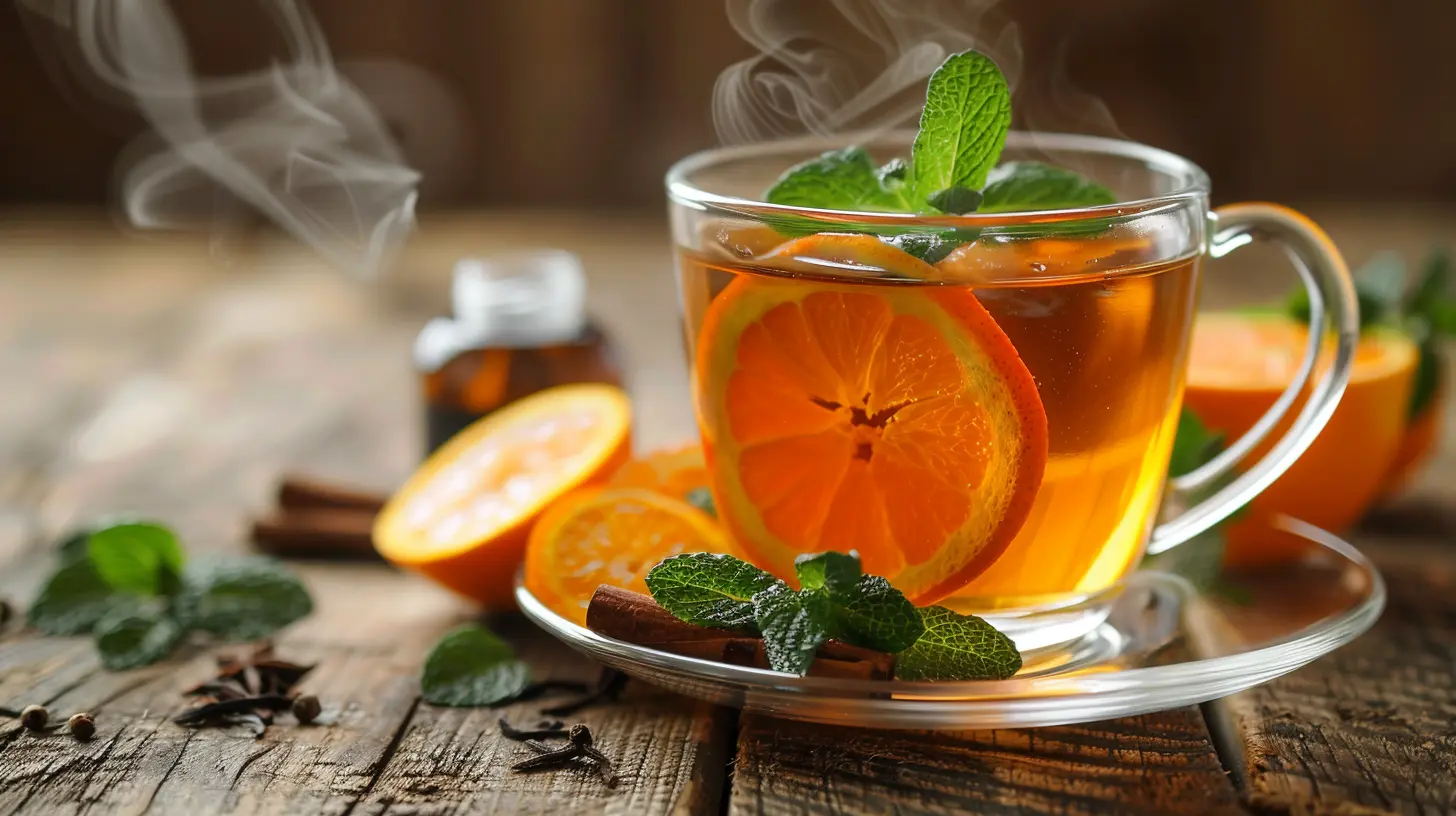
What is Aromatherapy Anyway?
Aromatherapy is more than just fancy smells and spa vibes. It’s a holistic healing practice that uses essential oils extracted from plants to boost physical and emotional well-being. Think of it as nature’s medicine cabinet—all bottled up and ready to support you.When your body is battling a cold or the flu, aromatherapy can be a game changer. Certain essential oils are loaded with antiviral, antibacterial, and anti-inflammatory properties. Not to mention, their ability to clear your sinuses and lift your mood is nothing short of magical.
Why Aromatherapy for Cold and Flu Season Works
You might be wondering: “Can sniffing something really help me feel better?” The answer is a big yes—and here’s why.When you inhale essential oils, the tiny molecules enter your nasal passages and interact with your limbic system (aka your brain’s emotional center). This helps regulate things like sleep, stress, and even your immune response. On top of that, many oils also work topically when diluted properly.
So, not only can aromatherapy help relieve symptoms like congestion, headaches, sore throats, and fatigue, but it can also help you rest and recover more comfortably. Think of essential oils as your cozy sidekick while your immune system does its thing.
Best Essential Oils for Cold and Flu Relief
Let’s get to the good stuff—the essential oils themselves. Each oil has its own unique superpowers, and combining a few can create your very own cold-and-flu fighting dream team.1. Eucalyptus Oil
Got a stuffy nose that just won’t quit? Eucalyptus oil is your MVP. It’s famous for its ability to open blocked airways and soothe inflamed sinuses. Plus, it has antimicrobial properties to help fight off infections.How to use it: Add a few drops to a bowl of hot water, drape a towel over your head, and inhale deeply for fast relief.
2. Peppermint Oil
Peppermint oil brings that cool, refreshing vibe that makes it perfect for easing headaches and congestion. Its menthol content acts like a natural decongestant and also helps fight fevers and relieve muscle aches.How to use it: Mix it with a carrier oil and rub it on your chest or neck, or diffuse it in your bedroom at night.
3. Tea Tree Oil
This one’s a powerhouse. Tea tree oil is antiviral, antifungal, and antimicrobial—all the "anti" you could hope for when you're sick. It helps kill germs and support your immune response.How to use it: Add a couple of drops to your diffuser or mix with a carrier oil to use on your skin. Avoid direct inhalation in large amounts—it’s strong stuff!
4. Lavender Oil
When you’re sick, rest is vital. Lavender is known for its calming, sleep-inducing properties. It also has anti-inflammatory benefits that can reduce sore throat discomfort and muscle pain.How to use it: Diffuse it before bed or add a few drops to your pillow for a restful night.
5. Thyme Oil
Thyme isn’t just for cooking. The essential oil version has powerful antiviral properties and is great for coughs, bronchitis, and throat infections. It also boosts your immune system.How to use it: Use in a steam inhalation or dilute and apply to your throat and chest.
6. Lemon Oil
Need a pick-me-up while you’re under the weather? Lemon oil is uplifting, energizing, and great for breaking up mucus. Plus, it helps purify the air, which is a bonus when the house starts to smell like sick days.How to use it: Diffuse it around the house or add a drop to your water (only if it’s food-grade and approved for internal use!).
Easy Aromatherapy Blends for Common Cold and Flu Symptoms
Let’s take it up a notch. Blending oils creates a well-rounded remedy you can use in your diffuser, a personal inhaler, or as a massage blend. Here are a few cold and flu-focused recipes you can try at home.🌬️ Congestion Buster Blend
- 3 drops Eucalyptus- 2 drops Peppermint
- 2 drops Tea Tree
Great for diffusing during the day or using in steam inhalation.
💤 Sleepy-time Soother
- 4 drops Lavender- 2 drops Lemon
- 1 drop Eucalyptus
Diffuse this one before bedtime to help with rest and recovery.
🤒 Immune Booster Combo
- 3 drops Thyme- 2 drops Tea Tree
- 2 drops Lemon
Add to a carrier oil and rub it on the soles of your feet or chest.
How to Use Essential Oils Safely
Hold up—before you go dousing yourself in eucalyptus oil, let’s talk safety. Yes, essential oils are natural, but they’re also potent. A little goes a long way!1. Always Dilute
Never apply essential oils directly on your skin without diluting them with a carrier oil (like coconut, jojoba, or sweet almond oil). A safe ratio is about 2–3 drops of essential oil per teaspoon of carrier oil.2. Avoid Internal Use Unless Directed
Some essential oils are marketed as "edible," but unless you're working with a certified aromatherapist or healthcare provider, it’s best to keep them out of your mouth.3. Do a Patch Test
Try a small amount on your inner arm before going full-body. Everyone’s skin reacts differently.4. Use with Kids and Pets Carefully
Some oils are too strong for young children or animals. Always research first or consult an expert.Other Ways to Pair Aromatherapy with Wellness Practices
Aromatherapy works best when it’s part of a bigger self-care plan. Combine your essential oil rituals with other comforting practices for maximum relief:- Warm Baths – Add a few drops to Epsom salts and soak your stress and symptoms away.
- Herbal Teas – Chamomile, ginger, and licorice root are all great companions to essential oils.
- Hydration – Essential oils shine, but nothing beats good ol’ H2O to flush out toxins.
- Rest – Let your body do its healing thing. Aromatherapy can help you get the deep rest you need.
DIY Vapor Rub Using Essential Oils
Missing your over-the-counter vapor rub but want a natural alternative? Try this easy homemade version:Ingredients:
- 1/4 cup coconut oil- 1/4 cup shea butter
- 10 drops Eucalyptus
- 8 drops Peppermint
- 6 drops Tea Tree
- Optional: 2 drops Lavender for sleep support
Instructions:
Melt the coconut oil and shea butter in a double boiler. Remove from heat and stir in the essential oils. Let it solidify in a small jar. Use on chest, back, or soles of feet before bedtime.
Final Thoughts
Cold and flu season doesn’t have to take you down completely. With the help of aromatherapy, you can ease symptoms naturally, rest more comfortably, and maybe even shorten the length of your illness.Essential oils bring nature’s best healing tools right into your home, and using them can feel like a warm hug when your body needs it most. So the next time you feel a scratchy throat coming on or your sinuses take a turn, reach for these natural remedies and breathe easy.
Stay warm, stay cozy, and let those oils work their magic.
all images in this post were generated using AI tools
Category:
AromatherapyAuthor:

Sophia Wyatt
Discussion
rate this article
2 comments
Reagan Romero
Science supports aromatherapy's benefits.
February 15, 2026 at 5:17 AM
Sophia Wyatt
Thank you for your comment! While some studies suggest potential benefits of aromatherapy, it's important to note that research is ongoing, and individual experiences may vary.
Zinna McGhee
I love this! Aromatherapy has been a game-changer for me during cold and flu season. Using essential oils like eucalyptus and peppermint not only helps clear my sinuses but also boosts my mood. Thanks for sharing these tips—definitely trying some of these remedies!
January 27, 2026 at 3:21 PM
Sophia Wyatt
Thank you for your feedback! I'm so glad to hear that aromatherapy has been beneficial for you during cold and flu season. Enjoy your essential oil remedies!