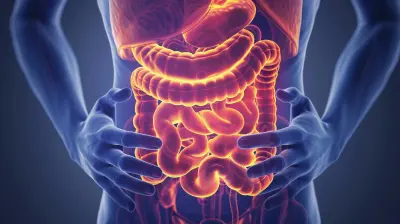
The Science Behind Cholesterol Ratios and What They Mean
31 December 2025
Let’s face it — the minute anyone hears the word “cholesterol,” images of greasy burgers, clogged arteries, and a shake of your doctor’s head immediately spring to mind. It’s like the Voldemort of the health world — “He-Who-Must-Not-Be-Named” on your lab report. But here’s the deal: not all cholesterol is out to get you. In fact, some of it is actually helping you out like a loyal sidekick in a buddy cop movie.
So, buckle up. We’re diving deep (and with a life vest of humor) into the science behind cholesterol ratios — what they are, why they matter, and how to make sense of them without needing a biochemistry PhD or Googling every third word.
🥚 First Things First: What Even Is Cholesterol?
Cholesterol is a waxy, fat-like substance that your body actually needs. Yep, you read that right. Cholesterol helps build cells, produce hormones like estrogen and testosterone, and even makes vitamin D. Your liver makes most of the cholesterol your body needs, and the rest? That usually stumbles in from your breakfast plate (I’m looking at you, cheesy omelet).You’ve probably heard of “good” and “bad” cholesterol. Spoiler alert: they aren’t on a cops-and-robbers TV show. They’re actually called HDL (High-Density Lipoprotein) and LDL (Low-Density Lipoprotein).
Let’s break it down, cholesterol-style.
🦸 HDL: The Good Guy in Spandex
Think of HDL (High-Density Lipoprotein) as the cleanup crew of your bloodstream. It swoops in like a cholesterol vacuum, scooping up excess LDL and hauling it back to the liver for disposal. Pretty heroic.The more HDL you've got, the better. It’s like having more bouncers at the club to toss out the troublemakers.
Fun Fact: You want your HDL to be at least 60 mg/dL. Anything below 40 (for men) or 50 (for women) is like letting the bad guys roam free.
😈 LDL: The Villain in the Shadows
LDL (Low-Density Lipoprotein), on the other hand, is like the gossipy neighbor who spreads junk around the neighborhood (your arteries). Too much LDL and you end up with plaque buildup, narrowing your arteries, and setting the stage for a heart attack. Not exactly party vibes.Doctors like to see LDL levels below 100 mg/dL. Above 160? You’re in risky business territory.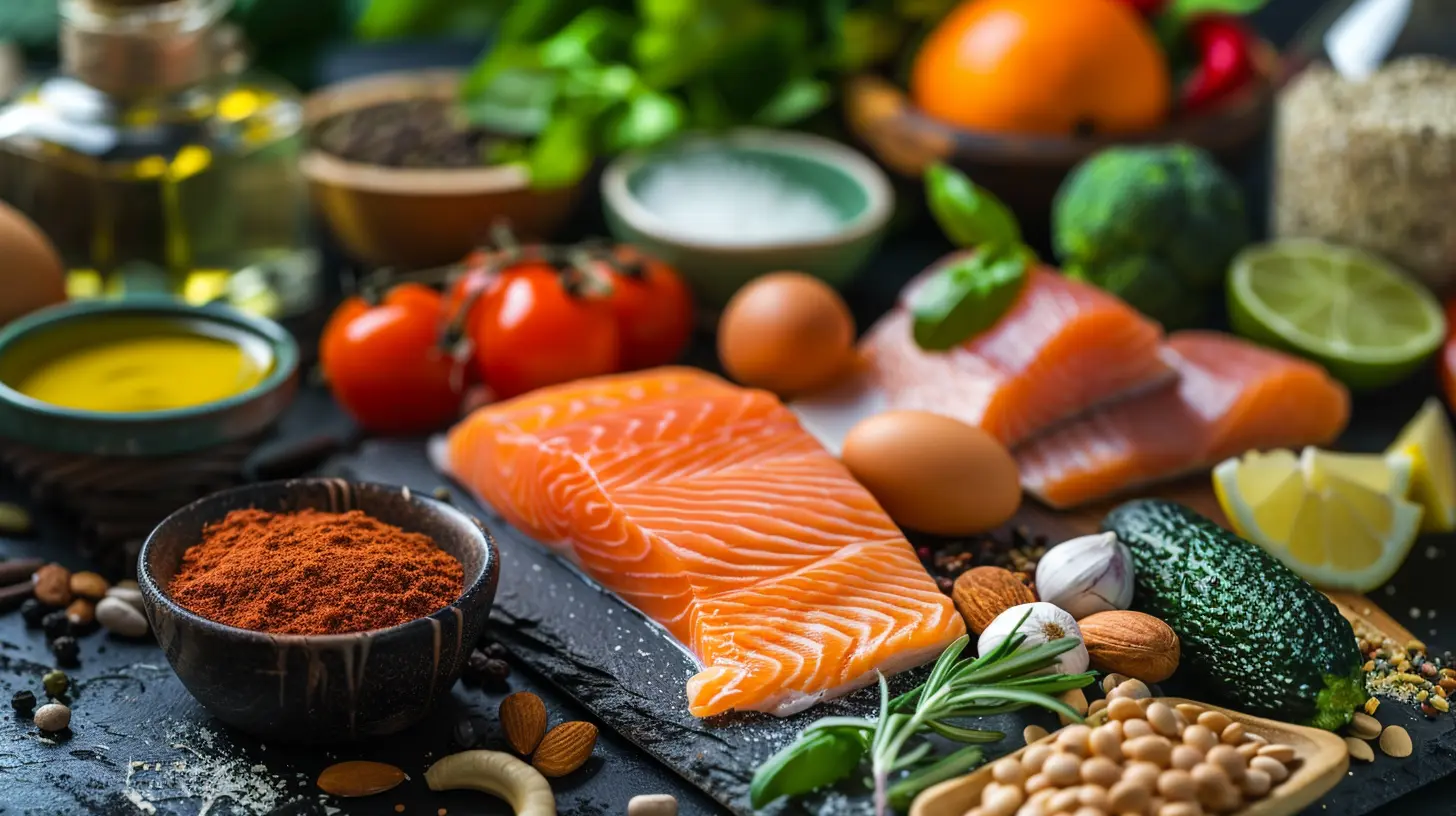
🎯 Total Cholesterol? Not the Whole Story
You might think, “Okay, Doc, just give me my total cholesterol and tell me I’m good.”Hold your horses.
Total cholesterol mashes HDL and LDL together into one number. But what if your LDL is high... and your HDL is also high? Or vice versa?
That’s where cholesterol ratios come in — because context is everything. You wouldn’t judge a sandwich just by the bread, right?
🧮 Cholesterol Ratios: Cracking the Code
Cholesterol ratios are like your blood's dating profile: they tell a deeper story than just one picture. They give insight into your cardiovascular risk more precisely than total cholesterol alone.Let’s meet the stars of this ratio game.
1. Total Cholesterol to HDL Ratio
This is the most commonly used ratio. Here’s how to find it:> Total Cholesterol ÷ HDL = Ratio
So, if your total cholesterol is 200 and your HDL is 50, your ratio is 4. Easy math, right?
Ideal Ratio: Less than 5:1
Optimal Ratio: Around 3.5:1 or lower
Why it matters? Because this ratio gives you a snapshot of balance. High total cholesterol isn’t as scary if your HDL is equally high.
2. LDL to HDL Ratio
This one pits the hero (HDL) against the villain (LDL). It's basically the cholesterol version of a wrestling match.> LDL ÷ HDL = Ratio
So if your LDL is 130 and your HDL is 65, your LDL/HDL ratio is 2.0 — not bad at all.
Ideal Ratio: Less than 3.5:1
The lower this number, the better. You want a team of bodyguards (HDL) way bigger than the criminal gang (LDL).
3. Triglyceride to HDL Ratio
Okay, this one's the underdog of cholesterol ratios — less talked about but still super important. It’s tied closely to insulin resistance and can hint at your risk for type 2 diabetes.> Triglycerides ÷ HDL = Ratio
So if your triglycerides are 150 and your HDL is 50, your ratio is 3.0.
Ideal Ratio: Under 2.0
Above 4.0: Red flags waving wildly in the wind
This ratio is like checking the engine of your metabolic health. High triglycerides and low HDL? That’s a Ferrari with square wheels.
🧬 Why Do These Ratios Even Matter?
Now you might be wondering...> “Can’t I just lower my total cholesterol and call it a day?”
Nice try, but nope. Focusing solely on total cholesterol is like checking only your bank account balance and ignoring your debts, rent, and vacation plans.
These ratios tell you:
- Your real risk of heart disease
- How well your body is managing fats
- Whether your heart is dancing to a happy beat or plotting an uprising
Doctors love these ratios because they provide a better risk assessment and can guide treatment plans more accurately.
🥦 How to Improve Your Cholesterol Ratios (Without Swearing Off Tacos Forever)
We get it — nobody wants to eat boiled kale for dinner every night. Good news: you don’t have to.Let’s walk through a few real-world tips that don’t require full-blown sainthood.
🚴 Move That Booty
Exercise is like a cheat code for better ratios. Regular cardio (even brisk walking) boosts HDL and lowers triglycerides. Bonus? Your favorite jeans may start to fit better too.Try: 30 minutes a day, 5 times a week. Dance, cycle, jog, or chase your dog around the yard — it all counts!
🍠 Eat Fat — The Right Kind
Contrary to what 90s diet commercials told us, fat isn’t the enemy. The right fats (think avocado, olive oil, nuts) raise HDL and lower LDL.Ditch: Trans fats and processed junk — those are the heartbreakers.
🐟 Befriend Omega-3s
Fatty fish like salmon, mackerel, and tuna are basically heart’s BFFs. They help lower triglycerides and show LDL the door.Don’t like fish? Try a quality omega-3 supplement. Just make sure it doesn’t smell like the inside of a fishing boat.
🥗 Fiber Is Your Artery's Janitor
Fiber (especially soluble fiber) helps soak up excess cholesterol like a sponge. Oats, beans, fruits, and veggies should be your dietary wingmen.Quick Fix: Start your morning with a bowl of oatmeal and watch your ratios thank you later.
🚭 Quit Smoking (Seriously)
I know, I know — easier said than done. But smoking lowers HDL and wreaks havoc on your heart. Quitting can boost your good cholesterol and add years to your life. Enough said.🍷 Alcohol: Proceed With Caution
While moderate red wine might slightly raise HDL, don’t use this as a green light to polish off a bottle nightly. One drink a day for women, two for men — and that’s it. Sorry, grape enthusiasts.🧠 What About Genetics?
Ah yes, the wild card.Some folks can eat a double bacon cheeseburger while having pristine cholesterol levels. Others sniff a donut and their LDL skyrockets. If you’ve got a family history of high cholesterol, you might need to work a little harder (and start monitoring sooner).
But fear not — knowledge is power, and lifestyle still plays a huge role, even with tricky genes.
🩺 When Should You Worry?
If your ratios are looking more like “yikes” than “yay,” it’s time to talk to your doctor. But don’t panic. This isn’t a cholesterol death sentence. Think of it more like your body waving a little red flag and whispering, “Hey... let’s tweak a few things.”Medication like statins may be recommended in some cases, especially if lifestyle changes aren’t cutting it.
📝 TL;DR Recap – Because We're All Busy
- HDL = Good cholesterol (more = better)- LDL = Bad cholesterol (less = better)
- Total cholesterol doesn’t tell the full story
- Cholesterol ratios (like total/HDL, LDL/HDL, and triglyceride/HDL) predict heart health better
- Aim for:
- Total/HDL: under 5 (ideally 3.5)
- LDL/HDL: under 3.5
- Triglyceride/HDL: under 2
- Move more, eat smart, quit smoking, and maybe lose that third donut
😎 Final Thoughts: You Got This!
Look, cholesterol ratios may sound like something only a cardiologist should worry about, but they’re actually one of the most powerful tools you can use to stay heart-healthy. Think of them as a report card for your bloodstream. And just like in school, a little studying (and fewer pizza nights) can lead to an A+.So next time your doc throws numbers at you, lean in with confidence. Because now you speak fluent Cholester-ish.
And that, my sharp-witted health reader, is the science (and silliness) behind cholesterol ratios — decoded, demystified, and maybe even a little delightful.
all images in this post were generated using AI tools
Category:
CholesterolAuthor:

Sophia Wyatt
Discussion
rate this article
2 comments
Melanie Garcia
This article provides essential insights into cholesterol ratios, explaining their significance for heart health. Understanding these metrics empowers readers to make informed lifestyle choices for better cardiovascular well-being.
February 2, 2026 at 4:03 AM
Sophia Wyatt
Thank you for your thoughtful comment! I'm glad you found the insights on cholesterol ratios helpful for improving heart health.
Rebecca Jenkins
Great article! It’s so easy to feel overwhelmed by cholesterol numbers. Understanding the ratios really helps clarify what’s important for our heart health. Thanks for breaking it down so simply!
January 7, 2026 at 5:28 PM
Sophia Wyatt
Thank you for your kind words! I'm glad you found the article helpful in understanding cholesterol ratios. Your heart health is important!