The Role of Stomach Acid in Digestive and Bowel Health
11 August 2026
When it comes to digestion, stomach acid plays a crucial role. Yet, it’s often misunderstood, with many people thinking of it only in the context of acid reflux or heartburn. But did you know that stomach acid is essential for breaking down food, absorbing nutrients, and keeping harmful bacteria in check? Without the right balance of stomach acid, your entire digestive system can go off track, causing bloating, indigestion, and other gut health issues.
In this article, we’ll break down exactly why stomach acid is so important, what happens when it’s too low or too high, and how you can naturally maintain a healthy balance for optimal digestive and bowel health. 
What Is Stomach Acid?
Stomach acid, also known as gastric acid, is a digestive fluid produced by the stomach lining. Its main component is hydrochloric acid (HCl), along with enzymes like pepsin and lipase, which help break down proteins and fats.The stomach maintains a highly acidic environment, typically with a pH level between 1.5 and 3.5. This acidity plays a key role in digestion and in protecting the body from harmful bacteria and pathogens that might enter through food. 
Why Is Stomach Acid So Important?
Stomach acid isn’t just some harsh liquid sitting in your belly—it’s an essential part of digestion that affects your entire gut health. Here’s why it matters:1. Breaks Down Food for Proper Digestion
When you eat, food enters the stomach, where stomach acid helps to break down proteins into smaller molecules. The enzyme pepsin only works in an acidic environment, meaning protein digestion wouldn’t happen properly without stomach acid.2. Helps Absorb Essential Nutrients
Without enough stomach acid, your body struggles to absorb key nutrients like:- Vitamin B12 – Essential for nerve function and energy production
- Iron – Needed for oxygen transport in the blood
- Calcium & Magnesium – Important for strong bones and muscle function
- Zinc – Crucial for immunity and wound healing
If stomach acid is too low, even if you eat a healthy diet, your body might not absorb these nutrients properly, leading to deficiencies over time.
3. Prevents Harmful Bacteria Growth
A highly acidic environment in the stomach acts as a defense system against harmful microbes. Stomach acid kills bacteria and viruses that might otherwise cause infections, food poisoning, or gut imbalances.When stomach acid is too low, bacteria like H. pylori (which is linked to ulcers) can overgrow, leading to uncomfortable digestive issues.
4. Signals the Next Phase of Digestion
Once food is broken down in the stomach, it moves into the small intestine. The presence of stomach acid helps trigger the release of digestive enzymes and bile, which further break down fats and carbohydrates. If acid levels are too low, this process slows down, leading to bloating, indigestion, and discomfort.
What Happens When Stomach Acid Is Too Low?
Many people believe stomach acid is the enemy and try to suppress it with antacids or acid-blocking medications. However, low stomach acid (hypochlorhydria) can actually be a major problem contributing to poor digestion and gut health issues.Symptoms of Low Stomach Acid
- Bloating, especially after meals- Feeling overly full quickly
- Gas and burping
- Indigestion or heartburn (yes, low stomach acid can actually cause heartburn!)
- Nutrient deficiencies (iron, B12, magnesium)
- Weak nails and hair
- Increased risk of infections and food poisoning
Causes of Low Stomach Acid
Several factors can lead to reduced stomach acid levels:- Aging – Stomach acid production naturally declines as we get older
- Chronic stress – Stress reduces digestive function
- Poor diet – Processed foods, excessive sugar, and low protein intake can affect acid production
- Prolonged use of antacids or PPIs – These medications suppress acid, sometimes too much
- H. pylori infection – This bacteria can lower acid production
Without enough stomach acid, digestion becomes sluggish, and food can sit in the stomach for too long, fermenting and causing gas, bloating, and discomfort. 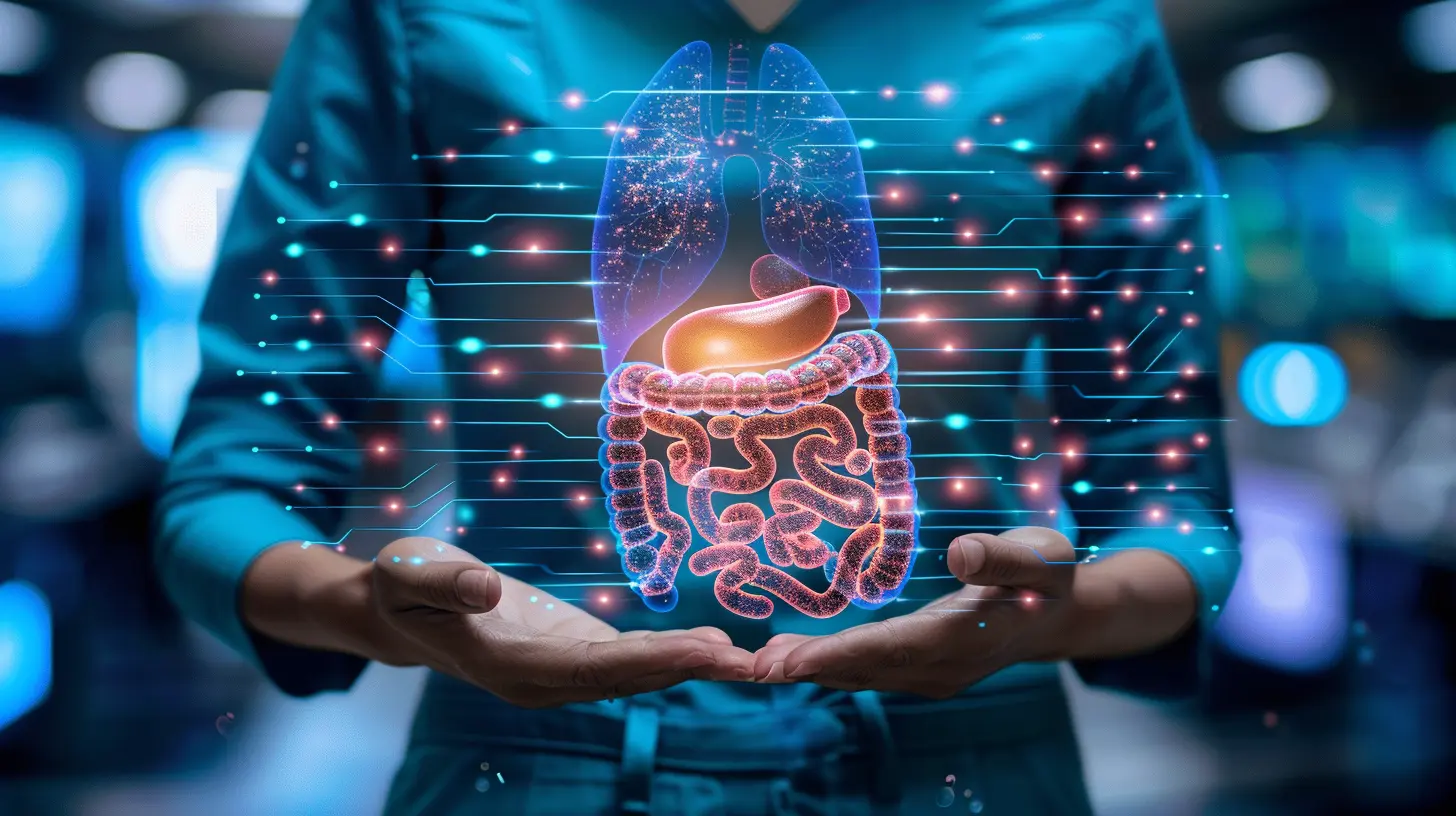
What Happens When Stomach Acid Is Too High?
On the flip side, excessive stomach acid (hyperchlorhydria) can lead to acid reflux, ulcers, and irritation of the stomach lining. However, having too much acid is actually far less common than having too little.Symptoms of Excessive Stomach Acid
- Frequent heartburn or acid reflux- Stomach pain or ulcers
- Nausea after eating
- Sour taste in the mouth
- Chronic cough or throat irritation (from acid reaching the esophagus)
Causes of Excessive Stomach Acid
- Certain foods – Spicy foods, caffeine, alcohol, and acidic foods can trigger excess acid- Stress – Increases acid production
- H. pylori infection – Can sometimes cause high acid levels
- Zollinger-Ellison Syndrome – A rare condition that causes excess acid production
If you deal with acid reflux often, it’s essential to address potential triggers rather than just suppress acid production.
How to Maintain Healthy Stomach Acid Levels
Now that we know the importance of stomach acid, let’s talk about how to keep it balanced.1. Avoid Overusing Antacids and PPIs
While these medications can provide short-term relief, long-term use can reduce acid levels too much, leading to poor digestion and nutrient deficiencies.2. Eat a Balanced Diet
Incorporate foods that naturally support stomach acid production:- Apple cider vinegar – A tablespoon in water before meals may help boost acidity
- Lemon water – Helps stimulate digestion
- Fermented foods – Like sauerkraut, kimchi, and yogurt, which support gut health
- Protein-rich foods – Help trigger acid production
3. Chew Your Food Thoroughly
Digestion starts in the mouth, and chewing food properly can help take the load off your stomach.4. Manage Stress Levels
Chronic stress reduces stomach acid production. Try relaxation techniques like deep breathing, meditation, or light exercise to support digestion.5. Stay Hydrated – But Not Too Much During Meals
Drinking too much liquid with meals can dilute stomach acid, making digestion less effective. Try to hydrate between meals instead.When to Seek Medical Help
If you’re experiencing persistent digestive discomfort, heartburn, or symptoms of nutrient deficiencies, it might be time to consult a healthcare professional. They can perform tests like the Heidelberg test to check your stomach acid levels and recommend proper treatment if necessary.Conclusion
Stomach acid is a key player in digestion, nutrient absorption, and overall gut health. While we've been conditioned to think of it as something to suppress, the reality is that we need the right balance—not too much, not too little.If you're struggling with bloating, indigestion, or heartburn, take a closer look at your stomach acid levels. Simple lifestyle changes, like improving your diet, managing stress, and avoiding overuse of acid-suppressing medications, can make a world of difference in your digestive and bowel health.
Taking care of your gut starts in the stomach—so give it the support it needs!
all images in this post were generated using AI tools
Category:
Bowel HealthAuthor:

Sophia Wyatt
Discussion
rate this article
1 comments
Astraea Morris
Essential for proper digestion.
August 13, 2026 at 3:24 AM