The Role of Fiber in Maintaining Optimal Bowel Function
24 March 2026
Let's be real—talking about poop isn't exactly dinner table conversation. But if you're someone who’s ever been backed up for days, you know just how important bowel health really is. And at the center of that conversation? Good ol’ fiber.
Yep, fiber may not be the flashiest nutrient out there, but when it comes to keeping your digestive system humming like a well-oiled machine, it’s absolutely the MVP. Whether you're dealing with bloating, constipation, or feeling like your gut just isn’t right, fiber’s got your back… or should we say, your bottom?
In this article, we’re diving deep into the role of fiber in maintaining optimal bowel function. We’ll break it down in plain English, and by the end, you’ll probably be rethinking your grocery list (hello, apples and lentils). Ready? Let’s go.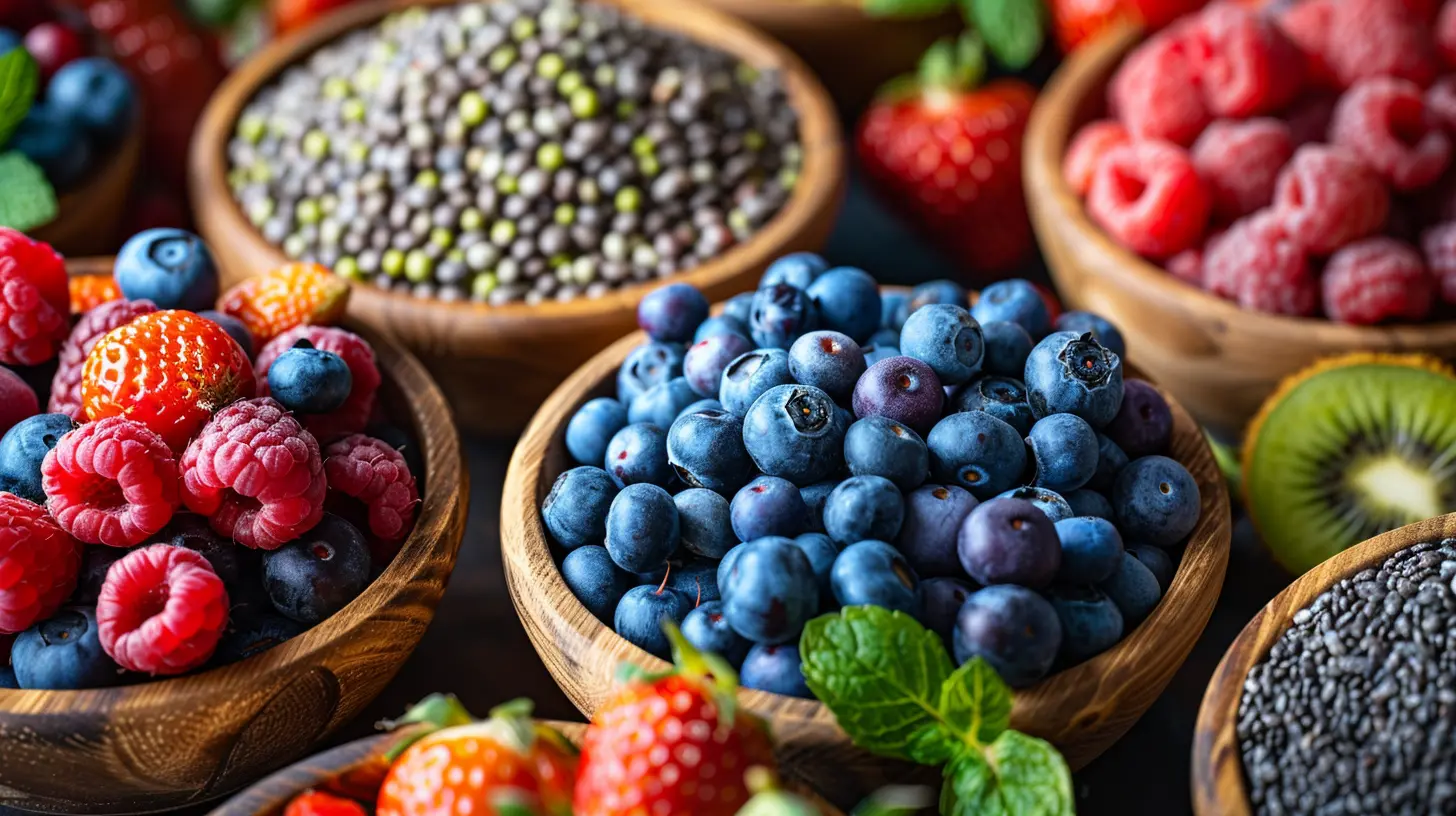
What Is Fiber, Really?
Okay, so let's start with the basics.Fiber is a type of carbohydrate, but unlike other carbs, it’s not digestible by our bodies. That’s right—your stomach enzymes can’t break it down, which means it passes through your digestive tract largely intact.
There are two main types of fiber:
1. Soluble Fiber
This kind dissolves in water and forms a gel-like substance in your gut. It helps slow down digestion, stabilize blood sugar levels, and lower cholesterol. You’ll find soluble fiber in foods like:- Oats
- Beans
- Apples
- Citrus fruits
- Barley
2. Insoluble Fiber
This one doesn’t dissolve in water. It adds bulk to the stool and helps food move through your gut more easily. Think of it as nature’s broom sweeping out your intestines. You’ll get insoluble fiber from:- Whole grains
- Nuts
- Vegetables like cauliflower and green beans
- Potato skins
Most plant-based foods contain both types, but usually one type is more dominant.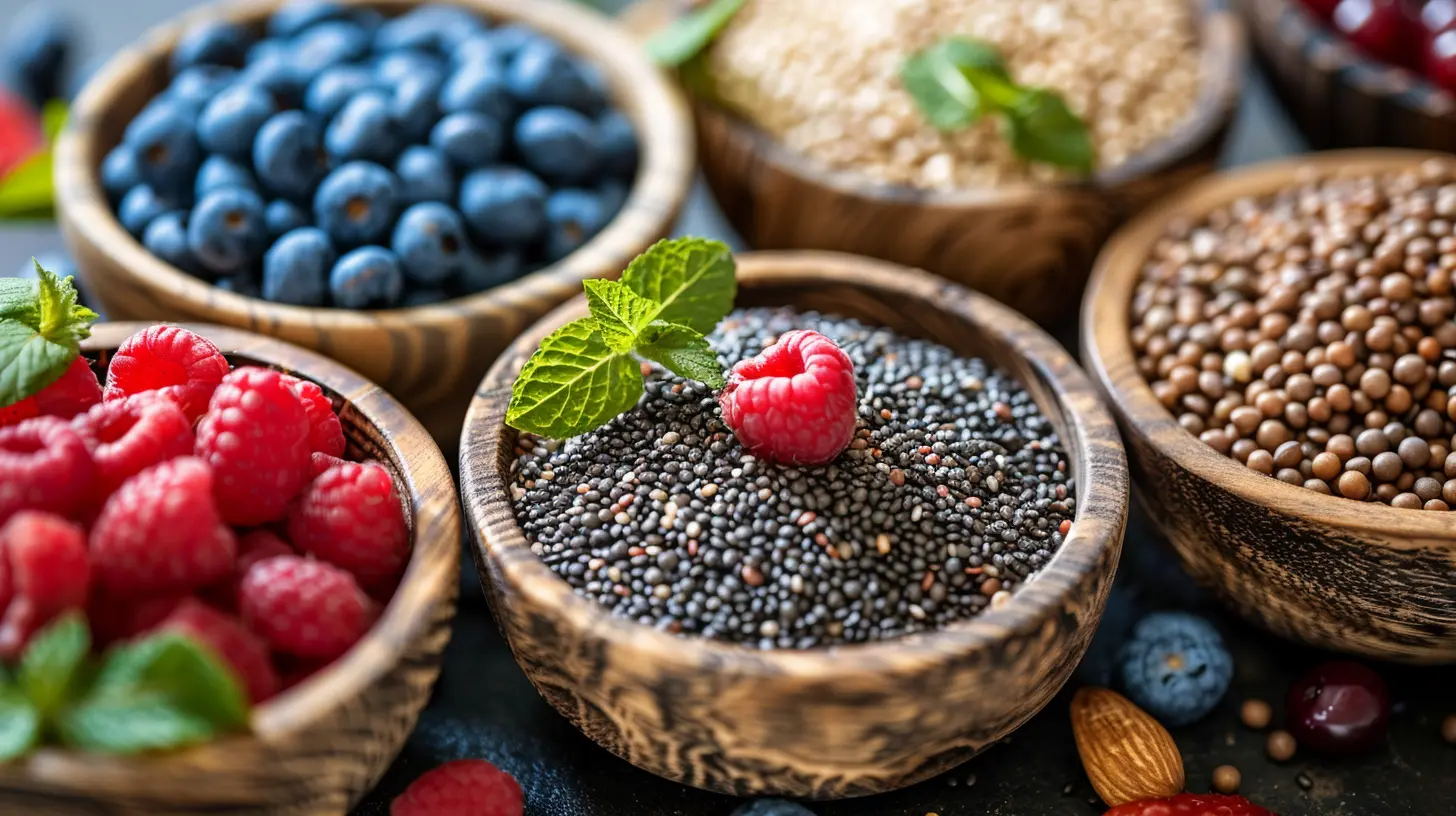
Why Is Fiber So Important for Bowel Function?
If your bowels could talk, they’d be begging for more fiber. Seriously.Here’s why fiber is such a big deal when it comes to keeping things “regular”:
1. Prevents Constipation (and That Stuck Feeling)
You know that feeling when you haven't gone in a while? You’re bloated, sluggish, and just generally uncomfortable. Fiber helps by absorbing water and increasing the size and weight of your stool. That makes it easier to pass and, let’s be honest, way less painful.2. Keeps Your Gut Bacteria Happy
Inside your gut live trillions of bacteria—yep, you’ve got more microbes than human cells. These little guys love fiber. Soluble fiber, in particular, acts as a prebiotic, feeding the good bacteria in your gut.A happy gut microbiome means better digestion, a stronger immune system, and even improved mood. Who knew eating fiber could make you happier?
3. Promotes Regularity (No More Surprise Bathroom Trips)
Fiber helps regulate the time it takes food to move through your digestive system. Not too fast, not too slow—just right. That means fewer emergencies and fewer days where you’re stuck on the toilet.4. May Reduce the Risk of Digestive Disorders
Did you know that a high-fiber diet can help prevent issues like diverticulitis, hemorrhoids, and even colorectal cancer? Yep, fiber keeps your colon clean and functioning efficiently, lowering the risks of these nasty conditions.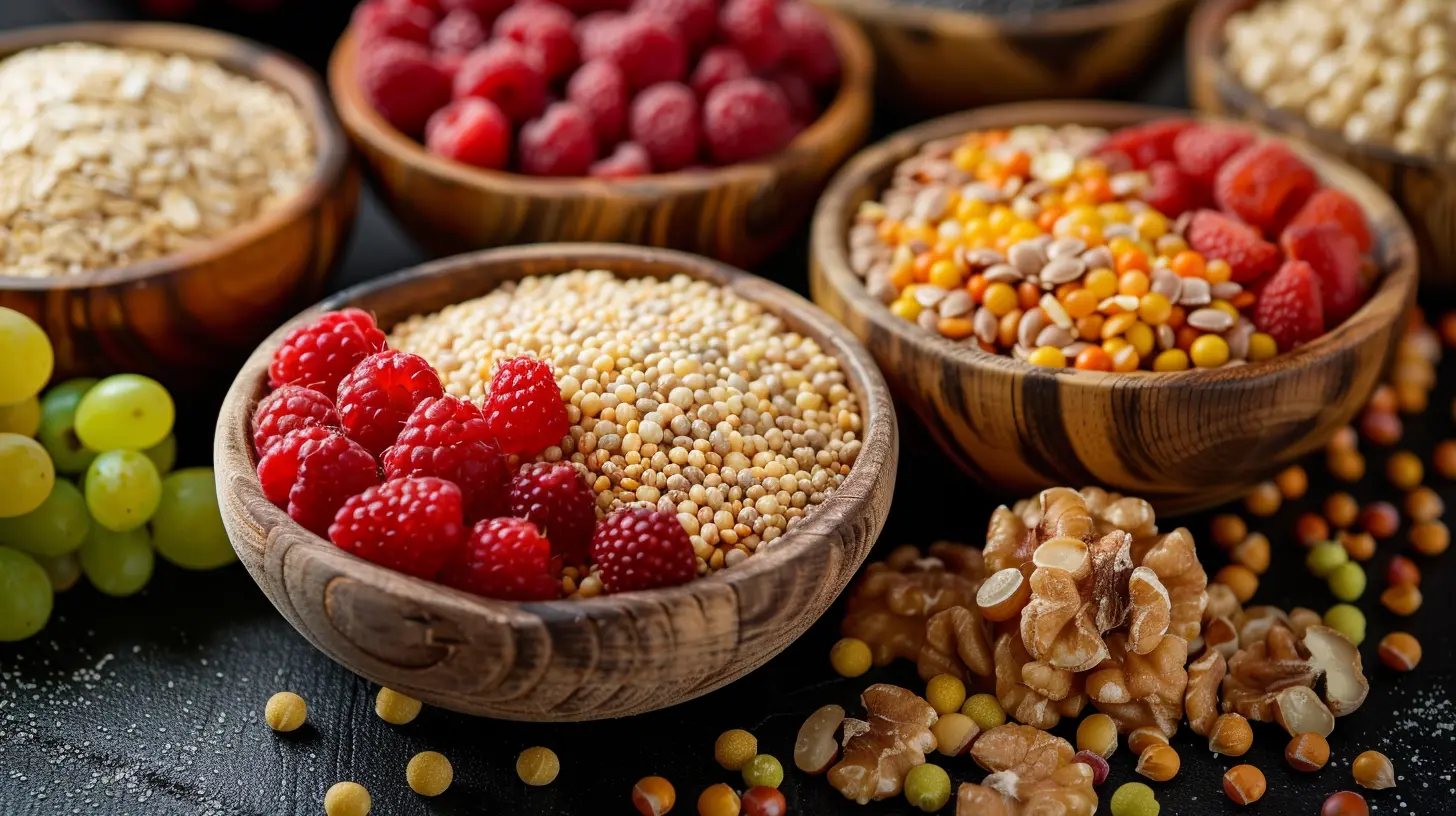
How Much Fiber Do You Actually Need?
Here’s the magic number:- Women: 25 grams per day
- Men: 38 grams per day
But let’s be honest—most people aren’t even getting half of that! Between processed foods and busy schedules, fiber easily falls off the radar. But getting enough isn’t as hard as you think.
Let’s look at some high-fiber foods you can add to your plate today.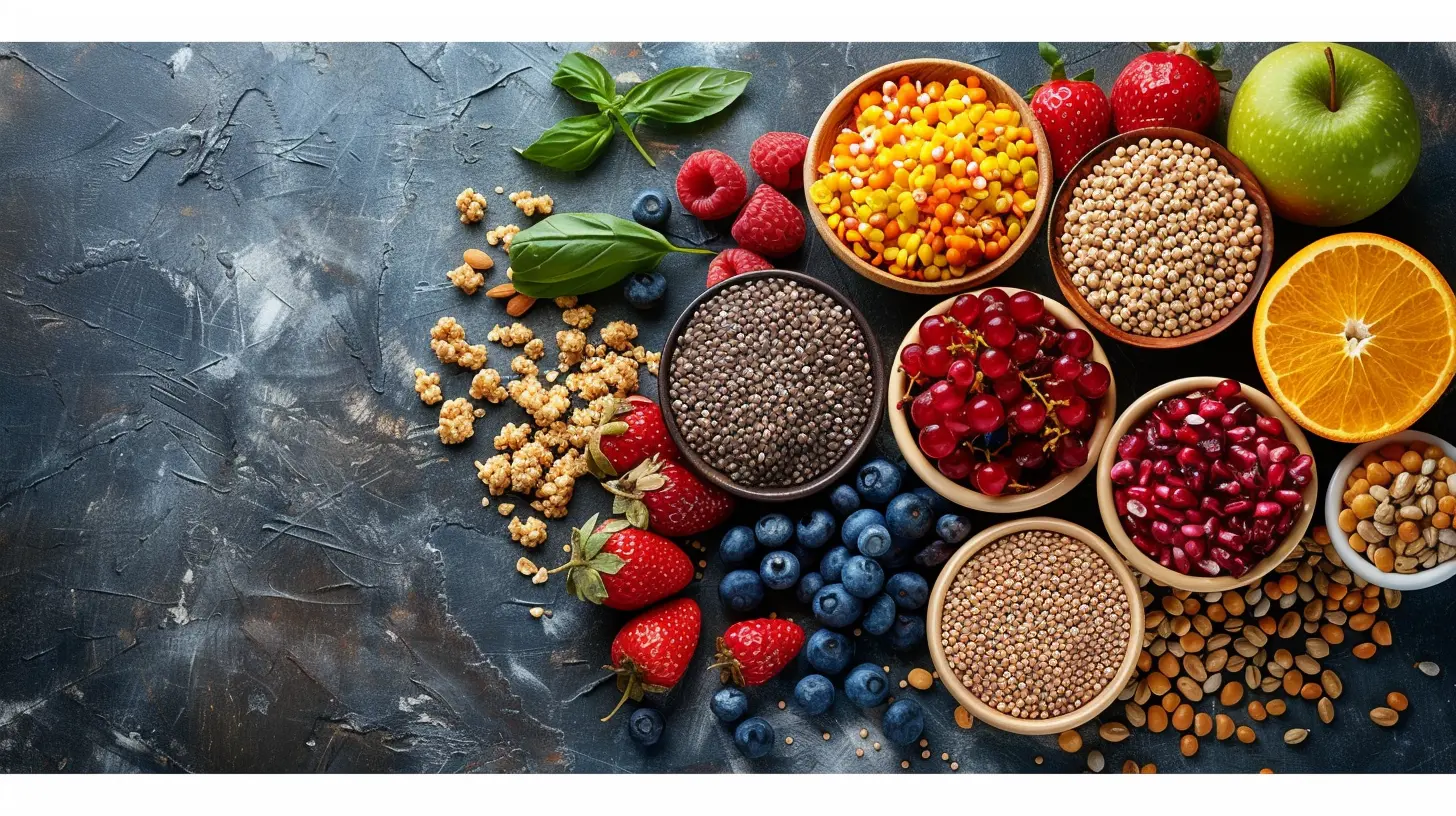
Top Fiber-Rich Foods to Add to Your Diet
Want to boost your fiber intake without feeling like you’re eating cardboard? A lot of fiber-rich foods are actually tasty. Here are some great options:| Food | Fiber Content (approx.) |
|------|--------------------------|
| 1 cup lentils | 15.6g |
| 1 medium pear (with skin) | 5.5g |
| 1 cup broccoli | 5.1g |
| 1/4 cup almonds | 3.5g |
| 1 cup oats (cooked) | 4g |
| 1 slice whole grain bread | 2-3g |
| 1 medium apple (with skin) | 4.4g |
| ½ cup black beans | 7.5g |
Pro tip: Try to get your fiber from whole foods rather than supplements. Your gut will thank you.
Tips for Increasing Fiber Without Wrecking Your Stomach
Whoa, hold up! Before you start scarfing down fiber like there’s no tomorrow, you need to ease into it. Here's how to up your intake without turning your belly into a gas factory:1. Go Slow
Sudden changes in fiber can cause bloating, cramping, and gas. Take it day by day and increase your intake gradually.2. Drink Water—Lots of It
Fiber and water are besties. You need to drink plenty of fluids to help fiber move through your system. Think of water as the oil that keeps your digestive machine running smoothly.3. Don’t Rely Solely on Supplements
Fiber supplements can help in a pinch, but they shouldn’t be your main source. Whole foods come with other nutrients and compounds that benefit your body in ways supplements can’t match.What Happens When You Don't Get Enough Fiber?
If your body isn’t getting enough fiber, the red flags show up pretty quickly. Here’s what can go wrong:- Constipation: Obvious one, but worth repeating.
- Hemorrhoids: Straining to go to the bathroom can cause or worsen these.
- Fluctuating blood sugar: Low fiber intake may lead to more sugar spikes and crashes.
- Increased hunger: Fiber helps you feel full—without it, you're more likely to overeat.
- Unhappy gut: Less fiber can mess with your microbiome, leading to inflammation and poor immunity.
In other words, fiber isn’t optional—it’s essential.
The Fiber and Weight Loss Connection
Want to lose a few pounds without counting every calorie? Fiber can help.Because it slows digestion and makes you feel full for longer, fiber naturally curbs your appetite. That means fewer trips to the fridge and more control over portion sizes. Studies have also shown that high-fiber diets are linked to lower body weight and reduced belly fat.
Eating more without eating more? Sounds like a win-win.
Fiber and Bowel Disorders: What the Science Says
Let’s nerd out for a sec.Research paints a clear picture: diets high in fiber are closely associated with lower risk of several digestive issues. Here's the rundown:
- Diverticulitis: Fiber softens stool and helps it move more easily, making your colon work less hard.
- Irritable Bowel Syndrome (IBS): Soluble fiber can help ease symptoms, though insoluble fiber can sometimes irritate those with IBS—so it’s a trial-and-error game.
- Colon cancer: Some studies suggest that a high-fiber diet can lower your risk, especially from whole grain sources.
Bottom line? If your gut isn’t healthy, your whole body feels off. Fiber plays a key role in keeping everything aligned and in sync.
Common Myths About Fiber—Busted!
Let’s clear up a few fiber fallacies, shall we?💥 Myth #1: All fiber is the same.
Nope. Soluble and insoluble fiber do different things. You need both for optimal gut health.
💥 Myth #2: Fiber is only for old people.
Come on! Everyone needs fiber—from toddlers to athletes. Your age doesn’t exempt you from digestive woes.
💥 Myth #3: If you eat a salad, you’re good.
Not all veggies are high in fiber. Iceberg lettuce? Pretty useless in the fiber department. Focus on dark leafy greens, cruciferous vegetables, and legumes.
Final Thoughts: Make Fiber Your Gut’s Best Friend
Here’s the deal—your gut is the gateway to your health. When your digestive system is off, everything feels wrong: your mood, your energy, even your sleep. Fiber isn’t some health trend; it’s a non-negotiable nutrient that your body needs every single day.So whether you’re dealing with constant constipation or just want to give your gut some love, start embracing fiber. Add some lentils to your soup. Eat an apple with the peel. Grab whole grain bread instead of white. Small changes, big results.
Because when your bowels are happy, you’re happy. And that’s a flush worth fighting for.
all images in this post were generated using AI tools
Category:
Bowel HealthAuthor:

Sophia Wyatt
Discussion
rate this article
2 comments
Buzz McQuillan
Fiber isn't optional; it's essential for gut health!
April 2, 2026 at 3:33 PM
Sophia Wyatt
Absolutely! Fiber plays a crucial role in keeping our digestive system healthy. Thanks for highlighting its importance!
Zinnia White
Fiber: it’s like a bouncer for your gut—keeping the troublemakers out and making sure everything runs smoothly. Who knew your bathroom would have a VIP section?
March 27, 2026 at 5:22 AM
Sophia Wyatt
Haha, love that analogy! Fiber truly does play a vital role in keeping our digestive system in check. Thanks for the fun comment!