The Most Common Portion Control Mistakes and How to Fix Them
17 November 2026
Portion control is a crucial aspect of maintaining a healthy lifestyle. However, many people struggle with getting it right. Mistakes are common, but fortunately, they can be fixed. In this article, we'll dive into the most frequent portion control blunders and offer practical solutions to help you serve up healthier meals without sacrificing flavor or satisfaction.
Understanding Portion Control
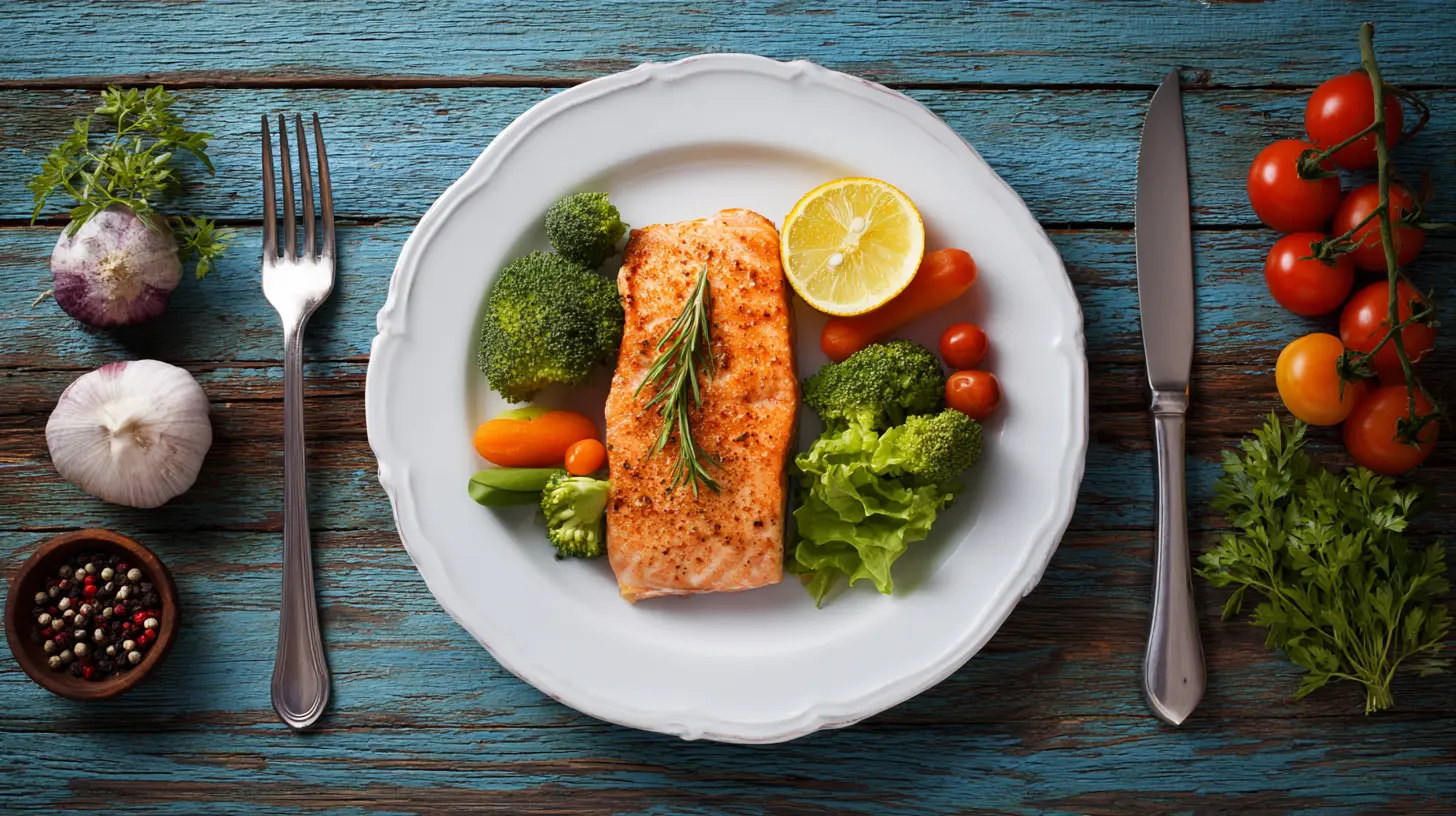
Before we get into the nitty-gritty of common mistakes, let's clarify what portion control really means. Essentially, it's about managing how much food you eat in one sitting. This isn't just about eating less; it's about eating the right amounts for your body's needs. The goal is to avoid overeating while ensuring you're still getting your daily nutrients.Why Portion Control Matters
1. Weight Management: Eating the right portions helps avoid excess calorie intake, which can lead to unwanted weight gain.2. Nutritional Balance: Proper portions ensure you're consuming a variety of nutrients from different food groups.
3. Mindful Eating: Controlling portions encourages mindfulness, helping you appreciate your food and recognize hunger signals.

Common Portion Control Mistakes
Mistake 1: Using Oversized Plates
The Problem: It's all too easy to fill a large plate, leading to larger portions. Psychological studies suggest that people tend to eat more when presented with bigger plates or bowls, regardless of hunger levels.The Fix: Opt for smaller plates and bowls. This simple trick can help you manage your portions without feeling deprived. A salad plate is often perfect for meals. A smaller vessel naturally limits the amount of food you can serve, encouraging better portion control.
Mistake 2: Ignoring Serving Sizes
The Problem: Many individuals overlook the recommended serving sizes on food labels. It's not uncommon to consume two or three servings in one sitting, especially when enjoying snacks.The Fix: Familiarize yourself with serving sizes. Use measuring cups or a food scale until you have a better grasp of appropriate portions. For example, one serving of pasta is typically half a cup cooked. It may not seem like much, but it can prevent you from overindulging.
Mistake 3: Mindless Snacking
The Problem: Snacking can derail your portion control efforts, particularly when you're not paying attention. It's easy to munch through an entire bag of chips without realizing how much you've eaten.The Fix: Pre-portion snacks into smaller bags or containers. This not only helps control how much you eat but also keeps you from going back for more. Try to choose healthy snacks, like nuts or carrot sticks, and limit high-calorie options.
Mistake 4: Skipping Meals
The Problem: Skipping meals might seem like a way to cut calories, but it often backfires. When you're overly hungry, you're more likely to overeat later in the day.The Fix: Stick to regular meal times and include healthy snacks if needed. Eating smaller, balanced meals every few hours helps maintain energy levels and keeps your appetite in check.
Mistake 5: Emotional Eating
The Problem: Many people turn to food for comfort during stress, sadness, or boredom. This leads to eating larger portions, as the focus shifts from nutrition to emotional satisfaction.The Fix: Identify your triggers for emotional eating. Consider keeping a food journal to track your eating habits and emotions. When you feel the urge to snack due to feelings rather than hunger, try alternative coping mechanisms-like going for a walk or practicing relaxation techniques.
The Importance of Mindfulness
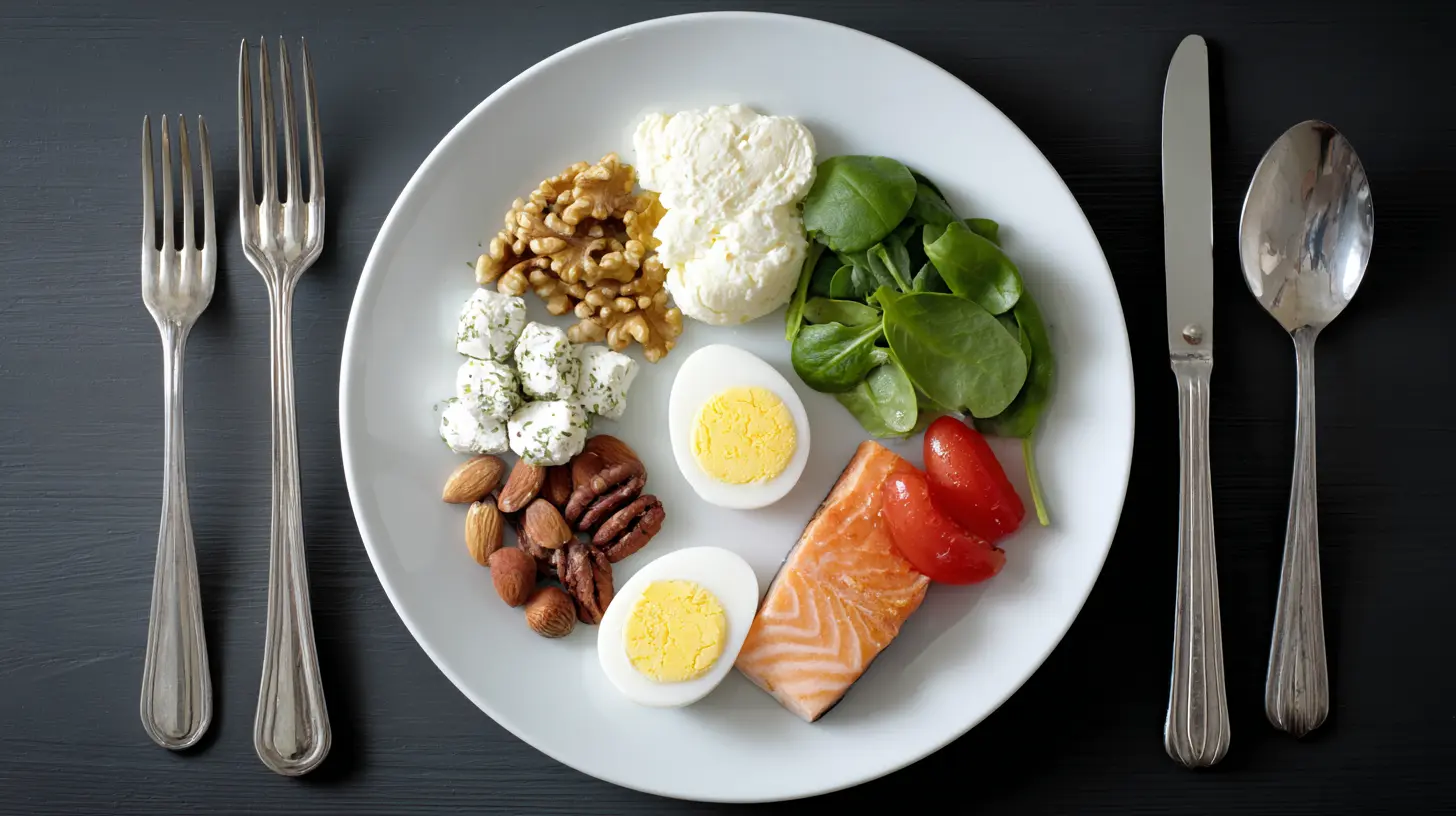
Mindful eating is an essential aspect of portion control. It involves being present during meals, savoring each bite, and acknowledging hunger cues.Practicing Mindful Eating
1. Slow Down: Take your time with meals. Eating slowly allows your brain to register fullness, making it easier to stop when satisfied.2. Eliminate Distractions: Put away your phone, turn off the TV, and focus on your meal.
3. Listen to Your Body: Pay attention to hunger and fullness signals. Stop eating when you feel satisfied, not stuffed.
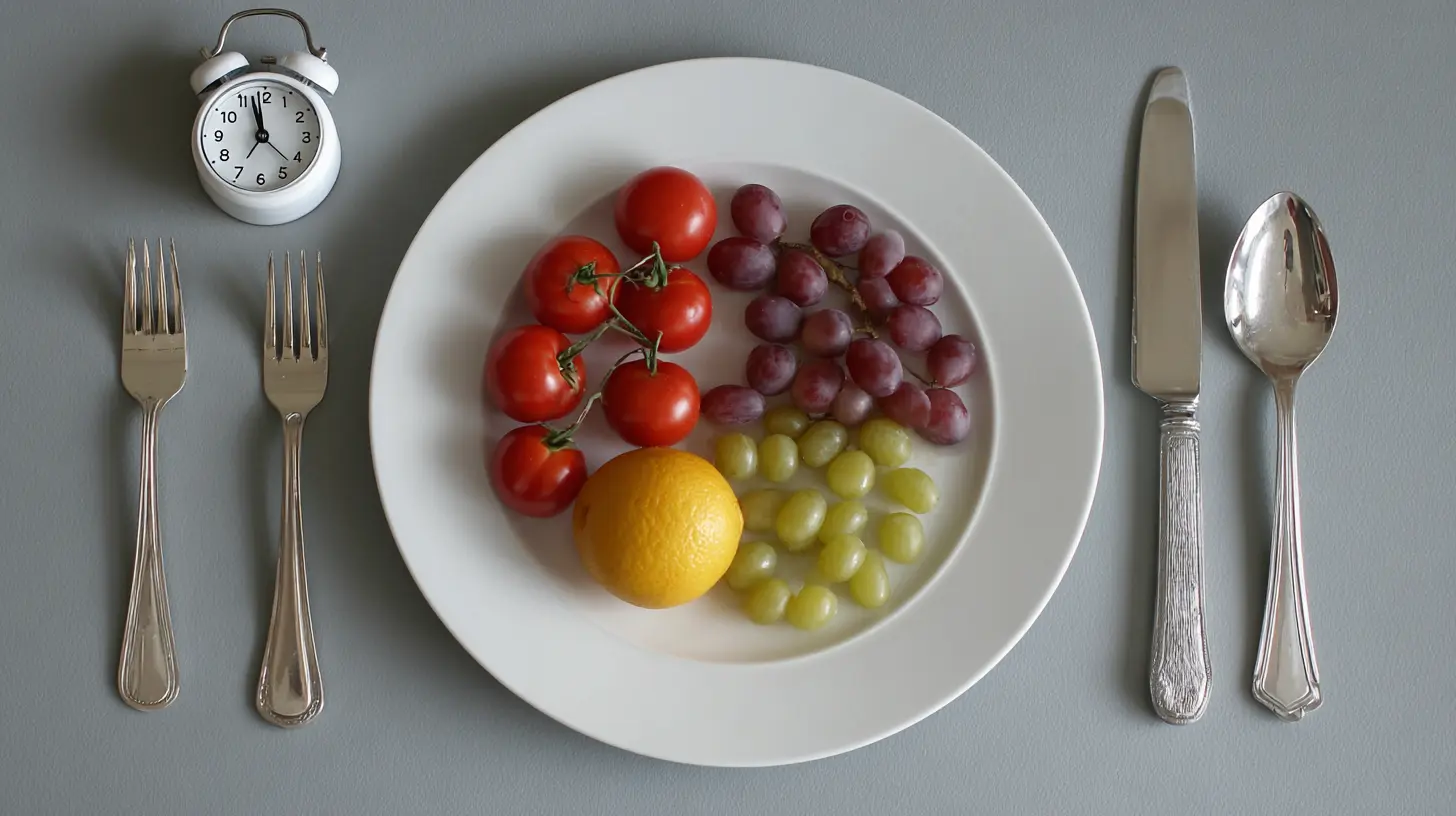
Real-World Example: The Restaurant Dilemma
Dining out can present a unique challenge for portion control. Restaurants often serve larger portions than most people need.Strategies for Eating Out
- Share Dishes: Consider sharing an entrée with a friend or family member. This way, you can enjoy a variety of foods without overindulging.- Ask for Smaller Portions: Don't hesitate to request a smaller portion when ordering. Many restaurants accommodate such requests.
- Take Leftovers Home: If the portion is too large, ask for a to-go box and pack up half of your meal before you start eating.
The Role of Food Composition
The types of food you choose can also impact portion control.Choosing Nutrient-Dense Foods
Focus on foods that are high in nutrients but lower in calories. These include:- Fruits and Vegetables: Rich in vitamins, minerals, and fiber, they can fill you up without packing on the calories.
- Lean Proteins: Foods like chicken, fish, beans, and legumes provide satiety and are essential for muscle maintenance.
- Whole Grains: Opt for whole grains over refined grains; they keep you fuller longer and provide more nutrients.
Balancing Macronutrients
Ensure your meals contain a balance of carbohydrates, proteins, and fats. This combination helps regulate hunger and keeps energy levels stable. For example, a meal with grilled chicken, quinoa, and steamed broccoli hits all the right notes.
Misconceptions About Portion Control
Myth 1: All Calories Are Created Equal
Reality: Not all calories are the same. A 100-calorie snack of almonds is vastly different from 100 calories of candy. The former is nutrient-dense, while the latter offers empty calories with little nutritional value.Myth 2: Portion Control Is Just for Weight Loss
Reality: While portion control is essential for weight management, it is also key for overall health. Eating the right portions can prevent chronic diseases and promote well-being, regardless of weight goals.Best Practices for Portion Control
1. Plan Ahead: Prepare meals in advance. This not only helps with portion sizes but also ensures you have healthy options readily available.2. Cook at Home: By cooking your meals, you have control over ingredients and portion sizes. Experiment with healthy recipes that excite your palate.
3. Stay Hydrated: Sometimes, thirst is mistaken for hunger. Ensure you drink plenty of water throughout the day.
The Trade-Offs of Strict Portion Control
While portion control can lead to healthier eating habits, it is important to be mindful of the psychological impact of restrictive eating. Here are a few trade-offs to consider:- Positive: Improved awareness of food choices and the potential for healthier eating patterns.
- Negative: Obsession with portion sizes can lead to anxiety around food, which may result in disordered eating behaviors.
Conclusion: Finding Your Balance
Incorporating effective portion control into your routine doesn't have to be complicated or restrictive. It involves a mix of awareness, planning, and mindfulness. By recognizing common mistakes and implementing practical solutions, you can enjoy your meals while maintaining a healthy lifestyle.Remember, it's all about balance. Don't be too hard on yourself if you slip up now and then; it's a normal part of the journey. The key is to keep trying and to make adjustments as needed. After all, healthy eating should be a delightful experience, not a chore.
all images in this post were generated using AI tools
Category:
Portion ControlAuthor:

Sophia Wyatt