How Fiber Can Help Manage Cholesterol Levels
12 May 2026
Let’s talk about cholesterol—something most of us have heard about but might not fully understand. It’s often labeled as “bad,” but did you know your body actually needs some cholesterol to function? The trick is keeping it balanced. And guess what? Fiber plays a big role in making that happen!
If you're trying to keep your cholesterol in check, fiber is like your body’s personal clean-up crew. But how exactly does fiber help? And how much do you really need? Let’s break it down in a way that makes sense.
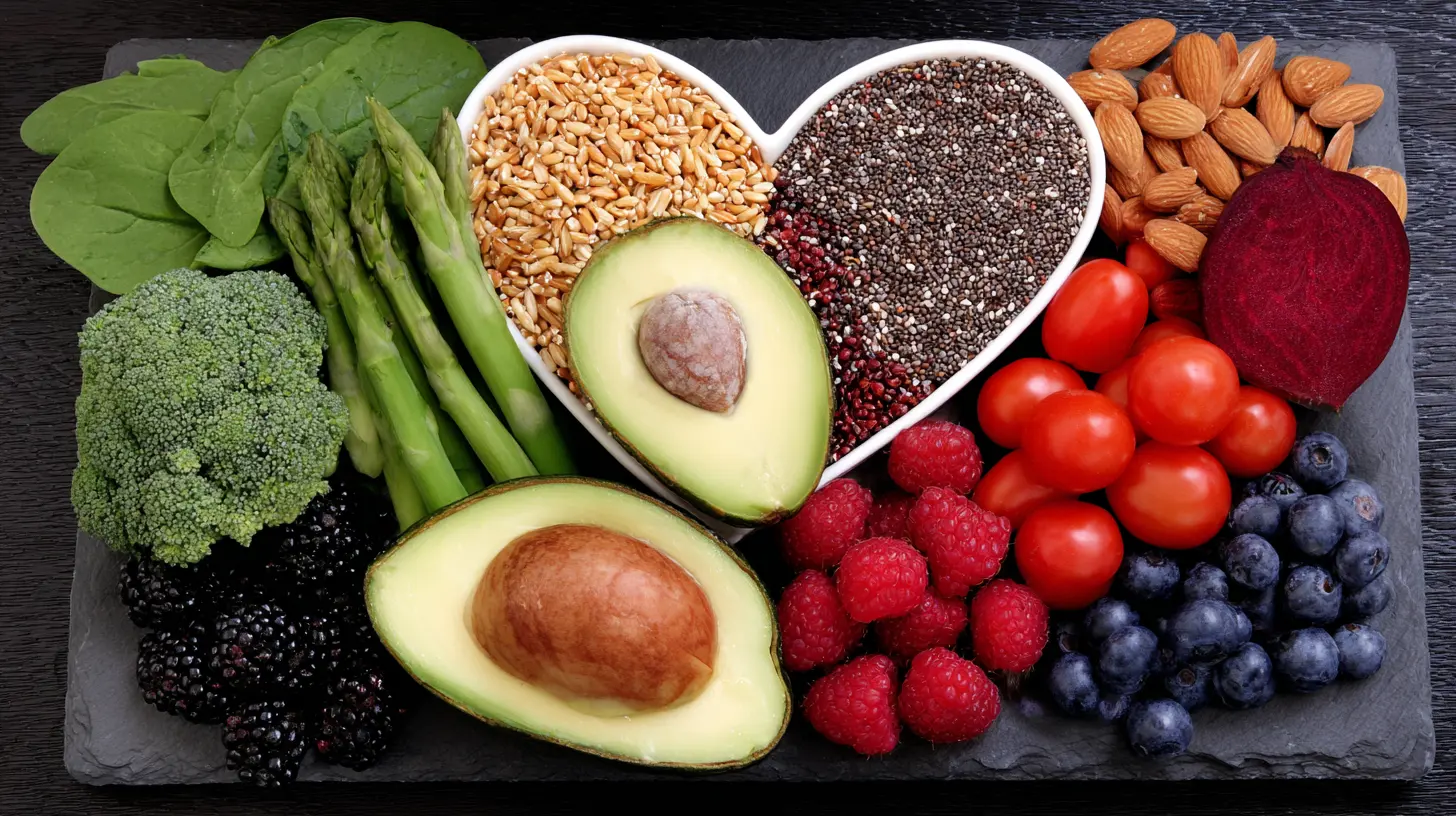
What Is Cholesterol, And Why Should You Care?
Cholesterol is a waxy, fat-like substance found in your blood. Your body needs it to build cells, produce hormones, and support digestion. But here’s the issue—too much of the wrong kind can lead to clogged arteries, increasing your risk of heart disease and stroke.There are two main types:
- LDL (Low-Density Lipoprotein) – Also known as "bad" cholesterol, this type can build up in your artery walls, making them narrow and stiff.
- HDL (High-Density Lipoprotein) – The "good" cholesterol, which helps remove excess LDL from your bloodstream.
The goal? Keep LDL low and HDL high. That’s where fiber comes in!
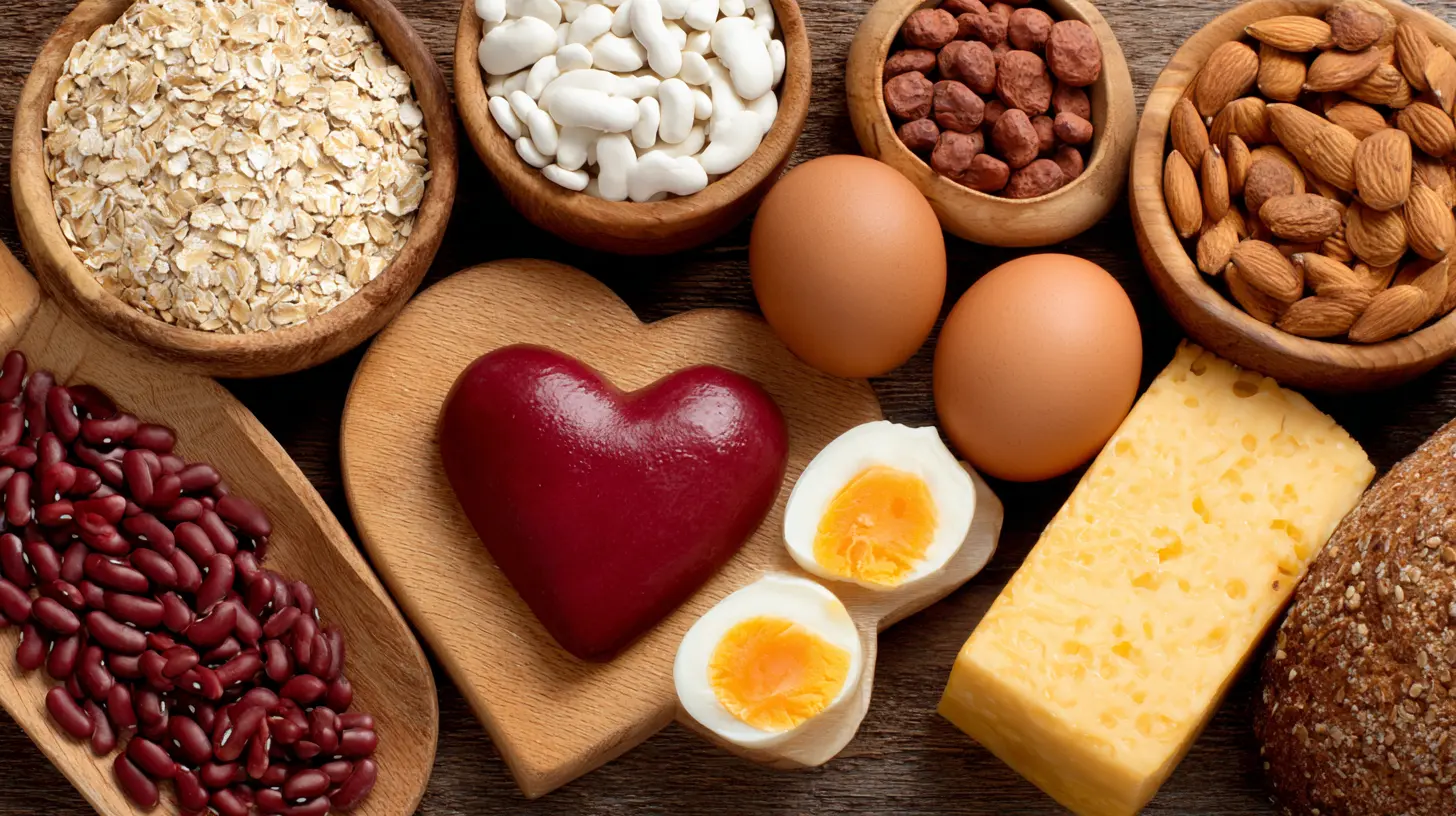
What Is Fiber?
Fiber is a type of carbohydrate that your body can’t digest. Instead of breaking down like other carbs, fiber moves through your digestive system, helping to regulate various bodily functions—especially cholesterol management.There are two types of fiber, and each plays a unique role in your health:
1. Soluble Fiber – This type dissolves in water, forming a gel-like substance in your gut. It binds with cholesterol, preventing it from getting absorbed into your bloodstream.
2. Insoluble Fiber – This one doesn’t dissolve in water. Instead, it adds bulk to your stool, keeping your digestive system running smoothly. While it doesn’t directly lower cholesterol, a healthy gut indirectly supports heart health.
How Fiber Lowers Cholesterol
1. Binds To Cholesterol And Removes It
Think of soluble fiber as a sponge that soaks up cholesterol in your intestines. Instead of allowing it to enter your bloodstream, fiber helps flush it out through your waste. This naturally reduces LDL cholesterol levels, preventing plaque buildup in arteries.2. Feeds Good Gut Bacteria
Your gut is home to trillions of bacteria, also known as your gut microbiome. Some of these bacteria actually ferment soluble fiber, creating short-chain fatty acids. These acids help regulate cholesterol production in your liver, stopping it from making too much LDL.3. Reduces Bile Acid Reabsorption
Bile acids are made from cholesterol and help digest fats. Soluble fiber binds with these acids, forcing your body to produce more bile by pulling cholesterol from your bloodstream. The result? Lower LDL levels.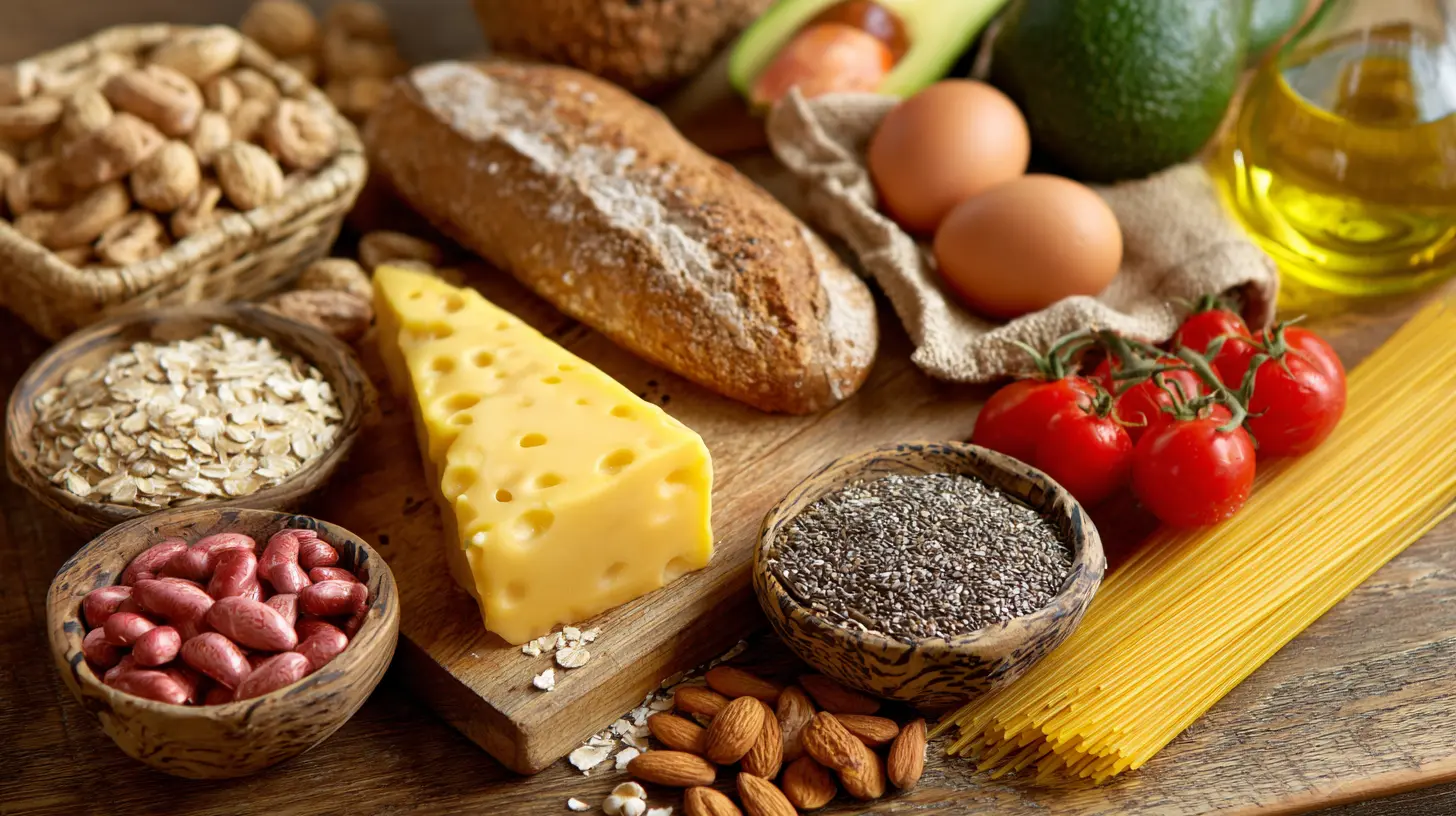
How Much Fiber Do You Need?
Most people don’t get enough fiber, and that’s a big problem. The recommended daily intake is:- Men: 30-38 grams per day
- Women: 21-25 grams per day
But studies show that the average person only gets about 15 grams per day—way below what's needed for optimal health!
Best High-Fiber Foods To Lower Cholesterol
Want to up your fiber intake? Here are some of the best fiber-rich foods to include in your diet:Soluble Fiber-Rich Foods:
- Oats – A breakfast staple that works wonders for cholesterol.- Beans & Lentils – Black beans, chickpeas, and lentils are fiber powerhouses.
- Apples & Pears – The skin is packed with soluble fiber.
- Citrus Fruits – Oranges, grapefruits, and lemons contain pectin, a cholesterol-lowering fiber.
- Flaxseeds & Chia Seeds – Small but mighty sources of fiber and omega-3s.
Insoluble Fiber-Rich Foods:
- Whole Grains – Brown rice, whole wheat bread, and quinoa keep digestion moving.- Vegetables (Especially Leafy Greens) – Kale, spinach, and broccoli are great choices.
- Nuts & Seeds – Almonds, walnuts, and sunflower seeds provide good fats and fiber.
Tips To Increase Your Fiber Intake
Adding more fiber to your diet doesn’t have to be complicated. Here are some easy ways to boost your intake:1. Start Your Day With Oats – Swap sugary cereals for a warm bowl of oatmeal.
2. Snack On Fruits & Nuts – Instead of chips, grab an apple with peanut butter.
3. Choose Whole Grains – Say no to refined grains and opt for whole wheat bread, brown rice, or quinoa.
4. Add Beans To Meals – Toss lentils into soups, salads, or stews.
5. Sprinkle Seeds On Everything – Chia and flaxseeds can go in smoothies, yogurt, or even baked goods.
6. Stay Hydrated – Fiber works best when paired with plenty of water to keep digestion smooth.
Can You Eat Too Much Fiber?
Absolutely! While fiber is great for heart health, going overboard can lead to bloating, gas, and stomach discomfort—especially if you increase your intake too quickly. The key is to gradually add more fiber while drinking enough water to help your body adjust.
Final Thoughts
Managing cholesterol doesn’t have to be frustrating or complicated. The simple addition of fiber-rich foods can make a big difference. Think of fiber as nature’s way of clearing out excess cholesterol and keeping your heart happy.So, the next time you're planning a meal, ask yourself: Is there enough fiber in this? With small, consistent changes, your heart will thank you in the long run!
all images in this post were generated using AI tools
Category:
CholesterolAuthor:

Sophia Wyatt
Discussion
rate this article
2 comments
Fenn Kirkland
Fiber is a game changer for cholesterol management. It not only lowers bad cholesterol but also supports heart health. Don't underestimate the power of whole grains, fruits, and veggies-your heart will thank you for it.
June 4, 2026 at 2:36 PM
Sophia Wyatt
Absolutely! Fiber plays a crucial role in cholesterol management and overall heart health. Whole grains, fruits, and veggies are key for a healthier heart. Thanks for highlighting this important aspect!
Kismet Forbes
I never realized how much fiber could help with cholesterol until I started adding more fruits, veggies, and whole grains to my diet. It's amazing how simple changes can make such a big difference!
May 14, 2026 at 3:30 PM
Sophia Wyatt
I'm glad to hear that! Simple dietary changes really can have a big impact on health. Keep up the great work!