The Impact of Saturated and Trans Fats on Cholesterol
29 January 2026
When it comes to our health, cholesterol is often labeled as the villain lurking in our bloodstream. But did you know that not all cholesterol is bad? The real culprits behind cholesterol problems are often the fats we consume—especially saturated and trans fats.
If you've ever wondered how these fats affect your cholesterol and overall heart health, you're in the right place. Let's break it all down in simple terms so you can make smarter choices for a healthier lifestyle. 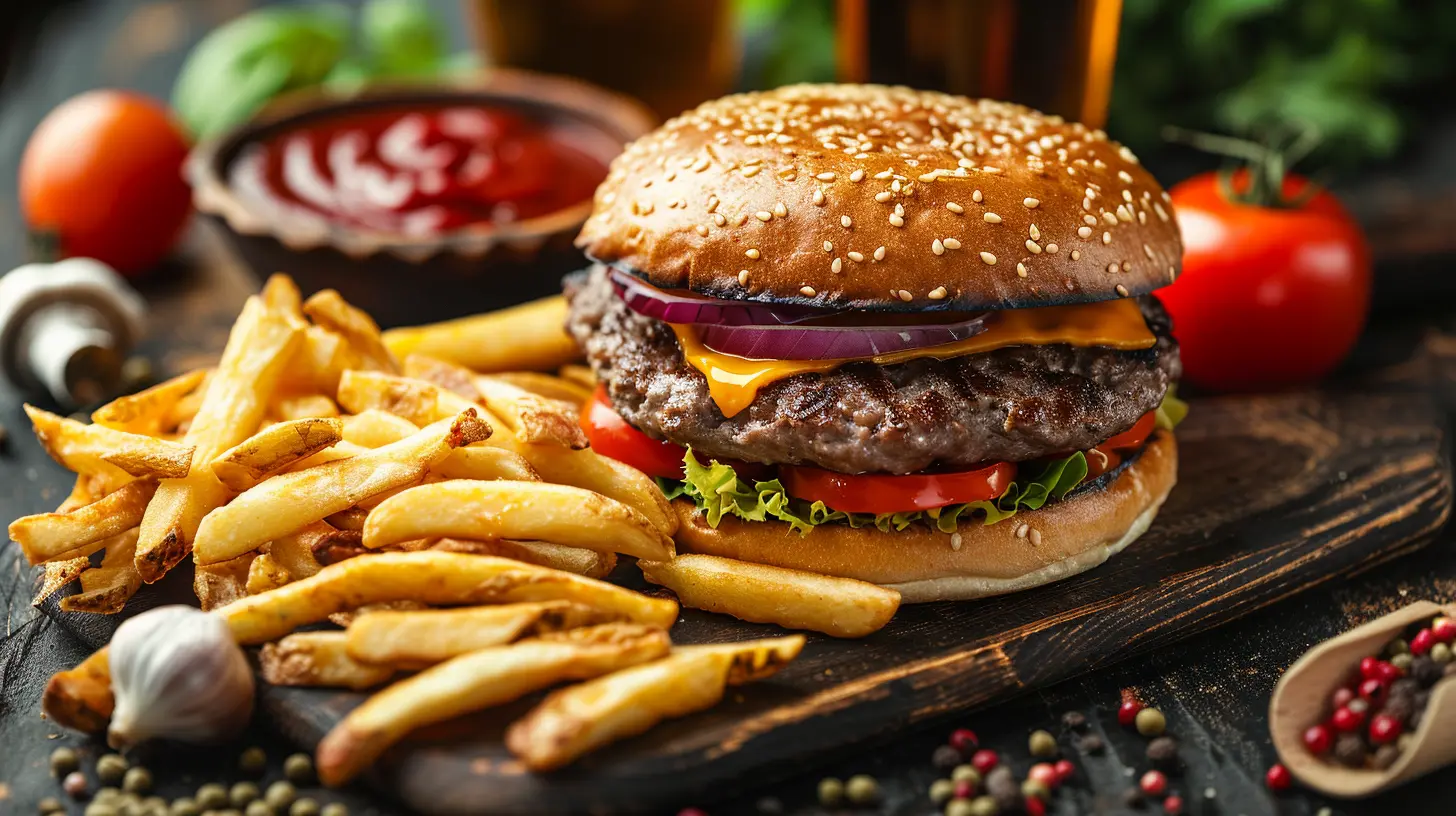
Understanding Cholesterol: The Good vs. The Bad
Before we get into how fats affect cholesterol, let’s clear up some confusion about cholesterol itself.Cholesterol is a waxy, fat-like substance found in your blood. Your body actually needs cholesterol to build healthy cells, produce hormones, and support digestion. The problem arises when cholesterol levels get out of balance.
There are two main types of cholesterol:
1. LDL (Low-Density Lipoprotein) – "Bad" Cholesterol
- LDL cholesterol is the type that can build up in your artery walls, leading to blockages and increasing the risk of heart disease and stroke.
2. HDL (High-Density Lipoprotein) – "Good" Cholesterol
- HDL helps remove LDL cholesterol from your bloodstream, taking it to the liver where it can be processed and eliminated. Essentially, HDL is like the cleanup crew for your arteries!
Now that we know the difference, let’s dive into how saturated and trans fats play a role in this cholesterol battle. 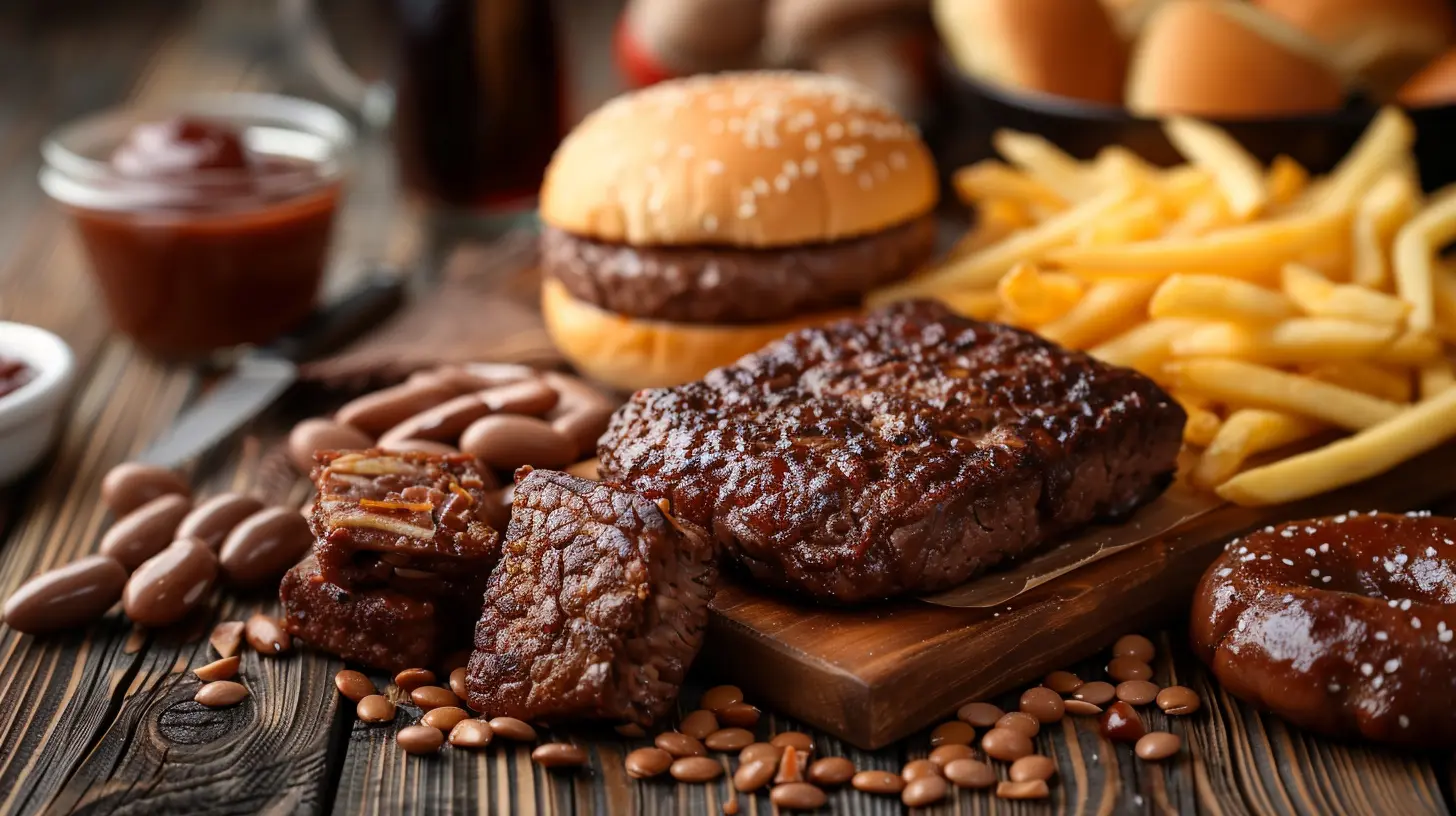
What Are Saturated Fats?
Saturated fats are a type of fat that is typically solid at room temperature. These fats are mainly found in:- Animal products (butter, cheese, red meat, full-fat dairy)
- Coconut oil and palm oil
- Fried and processed foods
How Saturated Fats Affect Cholesterol
Consuming too much saturated fat can raise LDL (bad) cholesterol levels. Over time, this can lead to plaque buildup in the arteries, increasing the risk of heart disease. While saturated fats also slightly increase HDL (good) cholesterol, the negative impact on LDL outweighs the benefits.However, not all saturated fats are created equal. Some studies suggest that certain saturated fats, like those found in coconut oil, may behave differently in the body. But generally, health experts recommend limiting saturated fat intake to keep cholesterol levels in check. 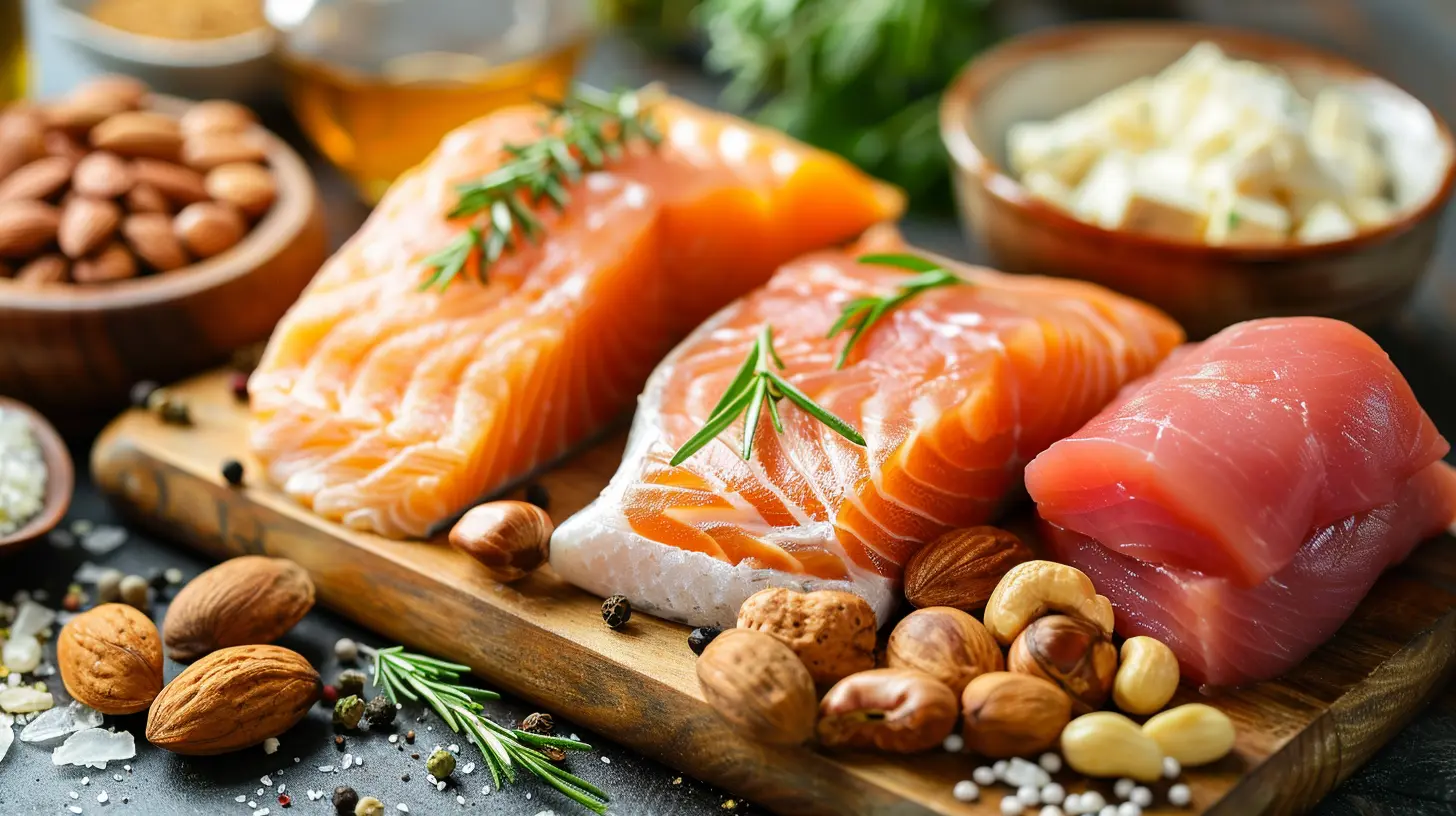
What Are Trans Fats?
Trans fats are the real troublemakers in the fat world. These fats are artificially created through a process called hydrogenation, which turns liquid vegetable oils into solid fats. You’ll find trans fats in:- Margarine and shortening
- Baked goods (cookies, cakes, pastries)
- Fried fast foods
- Processed snacks (crackers, microwave popcorn)
How Trans Fats Affect Cholesterol
Unlike saturated fats, which have some redeeming qualities, trans fats are bad news all around. They:- Raise LDL (bad) cholesterol
- Lower HDL (good) cholesterol
- Increase inflammation in the body
- Boost the risk of heart disease, stroke, and even type 2 diabetes
In fact, trans fats are so harmful that many countries have banned or restricted their use in food products. If you see "partially hydrogenated oils" on an ingredient list, steer clear—it’s a hidden source of trans fats! 
Saturated vs. Trans Fats: Which One Is Worse?
If you're wondering whether saturated or trans fats are worse, the answer is crystal clear—trans fats take the cake (and unfortunately, they’re in the cake too!).While excessive saturated fat can contribute to high cholesterol, trans fats not only raise bad cholesterol but also lower good cholesterol. This double whammy significantly increases the risk of heart disease and other chronic conditions.
Bottom line? While it's okay to consume small amounts of saturated fat in a balanced diet, trans fats should be completely avoided whenever possible.
How to Reduce Saturated and Trans Fats in Your Diet
The good news? You don’t have to give up all the foods you love. Making smarter choices can help you maintain healthy cholesterol levels while still enjoying tasty meals.1. Opt for Healthier Fats
Replace saturated and trans fats with healthier fat sources, such as:- Monounsaturated fats (olive oil, avocados, nuts)
- Polyunsaturated fats (fatty fish, flaxseeds, walnuts)
These good fats help boost HDL (good) cholesterol and support heart health.
2. Read Food Labels
Always check ingredient lists for partially hydrogenated oils—a sneaky way of disguising trans fats. Even if a product claims "0g trans fat," it can still contain small amounts if hydrogenated oils are present.3. Cut Back on Processed Foods
Packaged snacks, fast food, and frozen meals are often loaded with trans fats and unhealthy saturated fats. Cooking at home using fresh, whole ingredients gives you better control over what goes into your meals.4. Switch to Lean Proteins
Instead of fatty cuts of red meat, try:- Skinless chicken or turkey
- Fish rich in omega-3s (salmon, mackerel)
- Plant-based proteins (beans, lentils, tofu)
5. Use Healthier Cooking Methods
The way you prepare your food matters. Instead of frying, try:- Baking
- Grilling
- Steaming
- Sautéing with healthy oils like olive or avocado oil
6. Limit Full-Fat Dairy and Butter
If you consume dairy, switch to low-fat or fat-free versions. Use olive oil or avocado in place of butter when cooking. Small swaps can make a big difference!7. Increase Your Fiber Intake
Foods high in fiber, like oats, beans, and vegetables, can help reduce LDL cholesterol levels naturally. Plus, fiber keeps you full longer, which can help with weight management.Final Thoughts
The fats you eat play a major role in your cholesterol levels and heart health. While saturated fats should be consumed in moderation, trans fats have no place in a heart-healthy diet. By making mindful choices—like opting for healthier fats, cutting back on processed foods, and reading labels—you can help keep your cholesterol in check and protect your heart for years to come.Remember, small changes add up! A few simple swaps in your daily routine can lead to significant improvements in your cholesterol and overall well-being. Your heart will thank you.
all images in this post were generated using AI tools
Category:
CholesterolAuthor:

Sophia Wyatt
Discussion
rate this article
2 comments
Vex Hill
In the battle for better health, understanding saturated and trans fats is crucial. Empower yourself with knowledge, make informed choices, and transform your diet. Small changes can lead to significant improvements in cholesterol levels and overall well-being. Embrace the journey to a healthier you!
February 17, 2026 at 5:51 AM
Sophia Wyatt
Thanks for your insights! Knowledge is indeed key to making healthier choices. Every small step counts on the journey to better health.
Romina Warner
Fascinating insights on fats!
February 4, 2026 at 4:54 AM
Sophia Wyatt
Thank you! I'm glad you found the insights valuable.