The Impact of Gratitude on Physical and Mental Health
22 December 2025
Gratitude—it’s more than just saying “thank you.” It’s a way of seeing the world, a mindset that can transform the way we think, feel, and even function. Imagine having a superpower that boosts your mood, reduces stress, and even improves your physical health. Sounds magical, right? Well, that’s exactly what gratitude does!
In today’s fast-paced world, it's easy to get caught up in what we lack rather than appreciating what we have. But what if I told you that simply shifting your perspective to embrace gratitude can do wonders for both your body and mind? Let’s dive into how practicing gratitude can become the ultimate life hack for overall well-being.

What is Gratitude, Really?
Gratitude is more than a polite response—it’s a deep, heartfelt appreciation for life’s gifts, both big and small. It's about recognizing the good in our lives, whether it’s a supportive friend, a warm cup of coffee on a chilly morning, or even the ability to breathe and experience the world around us.Those who practice gratitude don’t ignore life’s challenges. Instead, they choose to focus on what’s going right, which helps them build resilience and a positive outlook. And the best part? This simple shift in mindset can lead to profound changes in both physical and mental health. 
How Gratitude Boosts Mental Health
1. Reduces Stress and Anxiety
Ever feel overwhelmed by the chaos of life? Practicing gratitude is like pressing the "reset" button on stress. Studies show that people who regularly express gratitude have lower levels of cortisol—the stress hormone. Why? Because gratitude shifts focus from what’s wrong to what’s right, creating a sense of calm and balance.When you’re grateful, your brain releases dopamine and serotonin—two powerful chemicals that make you feel happier. It’s like giving your brain a natural dose of positivity!
2. Strengthens Emotional Resilience
Life isn’t always sunshine and rainbows. Tough times hit us all. But here’s the good news—gratitude helps us bounce back quicker. People who regularly practice gratitude tend to be more resilient during hardships. It rewires the brain to focus on solutions rather than problems, making it easier to cope with life’s ups and downs.3. Improves Sleep Quality
Ever found yourself tossing and turning at night, replaying everything that went wrong during the day? Try practicing gratitude before bed! Writing down a few things you’re grateful for can help calm your mind and improve sleep quality. Studies suggest that gratitude reduces negative thoughts, helping you drift into a peaceful slumber.4. Enhances Relationships
Let’s be honest—who doesn’t love being appreciated? Expressing gratitude strengthens relationships by making others feel valued. Whether it’s a simple “thank you” to your partner or a heartfelt note to a friend, gratitude deepens connections and fosters a sense of belonging.5. Reduces Symptoms of Depression
Gratitude isn’t a cure-all, but it’s a powerful tool against depression. Many psychologists recommend gratitude journaling as part of therapy because it helps reframe negative thoughts. When you actively look for things to be grateful for, it creates a shift in perspective, making it harder for negativity to take over.
The Physical Health Benefits of Gratitude
1. Strengthens the Immune System
Believe it or not, gratitude affects your immune system! Research shows that people who practice gratitude have stronger immune responses. When you're in a positive mental state, your body produces more infection-fighting cells, making you less likely to get sick.2. Lowers Blood Pressure
Chronic stress is a major contributor to high blood pressure. But gratitude acts as a natural stress reliever! Studies have found that grateful individuals tend to have lower blood pressure levels, reducing the risk of heart disease. Taking a moment each day to appreciate life can literally be good for your heart.3. Promotes a Healthier Lifestyle
Grateful people are more likely to take care of themselves. Why? Because when you appreciate life, you naturally want to maintain good health. Studies indicate that gratitude is linked to better eating habits, regular exercise, and even avoiding harmful behaviors like smoking and excessive drinking.4. Increases Energy Levels
Ever notice how negative thinking drains you? On the flip side, gratitude boosts energy levels! When you're grateful, you feel more motivated and enthusiastic about life. This increase in positive energy can make you more productive and engaged in daily activities.5. Aids in Pain Management
Chronic pain can be debilitating, but gratitude may help ease the burden. Research has shown that grateful individuals report feeling less pain and discomfort, likely because gratitude shifts focus away from pain and toward positive experiences. While it’s not a substitute for medical treatment, having a grateful mindset can improve overall perception of pain.
Simple Ways to Practice Gratitude Daily
The beauty of gratitude is that it doesn’t require fancy equipment or a huge time commitment. Small, consistent efforts can create lasting benefits. Here’s how you can weave gratitude into your daily routine:1. Keep a Gratitude Journal
Write down three things you’re grateful for each day—it could be as simple as a delicious meal or a kind stranger holding the door for you.2. Express Appreciation to Others
Say “thank you” more often. Send a thoughtful message, compliment someone, or write a heartfelt note—it’ll brighten their day (and yours!).3. Practice Mindful Gratitude
Pause for a moment and appreciate what’s around you—the feel of sunshine on your skin, the sound of laughter, or the comfort of your home.4. Turn Negatives into Positives
Going through a tough time? Try to find a silver lining. Ask yourself: “What can I learn from this?” or “What’s one good thing about this situation?”5. Use Gratitude Affirmations
Start your day with gratitude affirmations like:- “I am grateful for the love and support in my life.”
- “I appreciate the simple joys of today.”
- “My heart is full of gratitude and happiness.”
6. Reflect Before Bed
Before you fall asleep, reflect on what went well during the day. This simple technique helps end the day on a positive note and promotes restful sleep.Final Thoughts
Gratitude isn’t just a fluffy concept—it’s a game-changer for both physical and mental health. From reducing stress to improving sleep, strengthening relationships, and even enhancing immunity, the benefits of gratitude are undeniable.The best part? Gratitude is free, accessible, and easy to practice. So, why not start today? Take a deep breath, appreciate the moment, and let gratitude work its magic. Your mind and body will thank you for it!
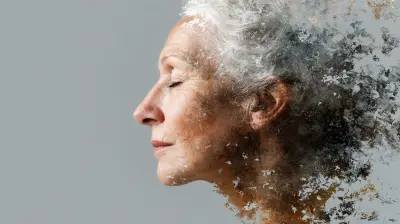
all images in this post were generated using AI tools
Category:
Healthy HabitsAuthor:

Sophia Wyatt
Discussion
rate this article
2 comments
Haze Morris
Great insights! Gratitude truly enhances well-being!
January 19, 2026 at 3:27 PM
Sophia Wyatt
Thank you! I'm glad you found the insights valuable! Gratitude indeed plays a powerful role in our overall well-being.
Wade McLean
Gratitude: the only potion that boosts your mood and belly fat! Who knew saying 'thank you' could be the secret ingredient to a happier, healthier you?
December 27, 2025 at 5:43 AM
Sophia Wyatt
Thank you for your insightful comment! Indeed, gratitude has a powerful effect on both mental well-being and overall health, and it's fascinating how such a simple gesture can lead to profound benefits.