The Dangers of Crash Dieting for Bone Integrity
14 March 2026
Crash dieting may seem like a shortcut to your dream body, but have you ever considered what it does to your bones? While shedding pounds quickly might sound appealing, the toll it takes on your skeletal system is alarming. Your bones are the foundation of your body, and starving them of nutrition can have lasting consequences.
In this article, we'll uncover the hidden dangers of crash dieting on bone integrity and why quick-fix weight loss solutions can weaken your body's very framework.
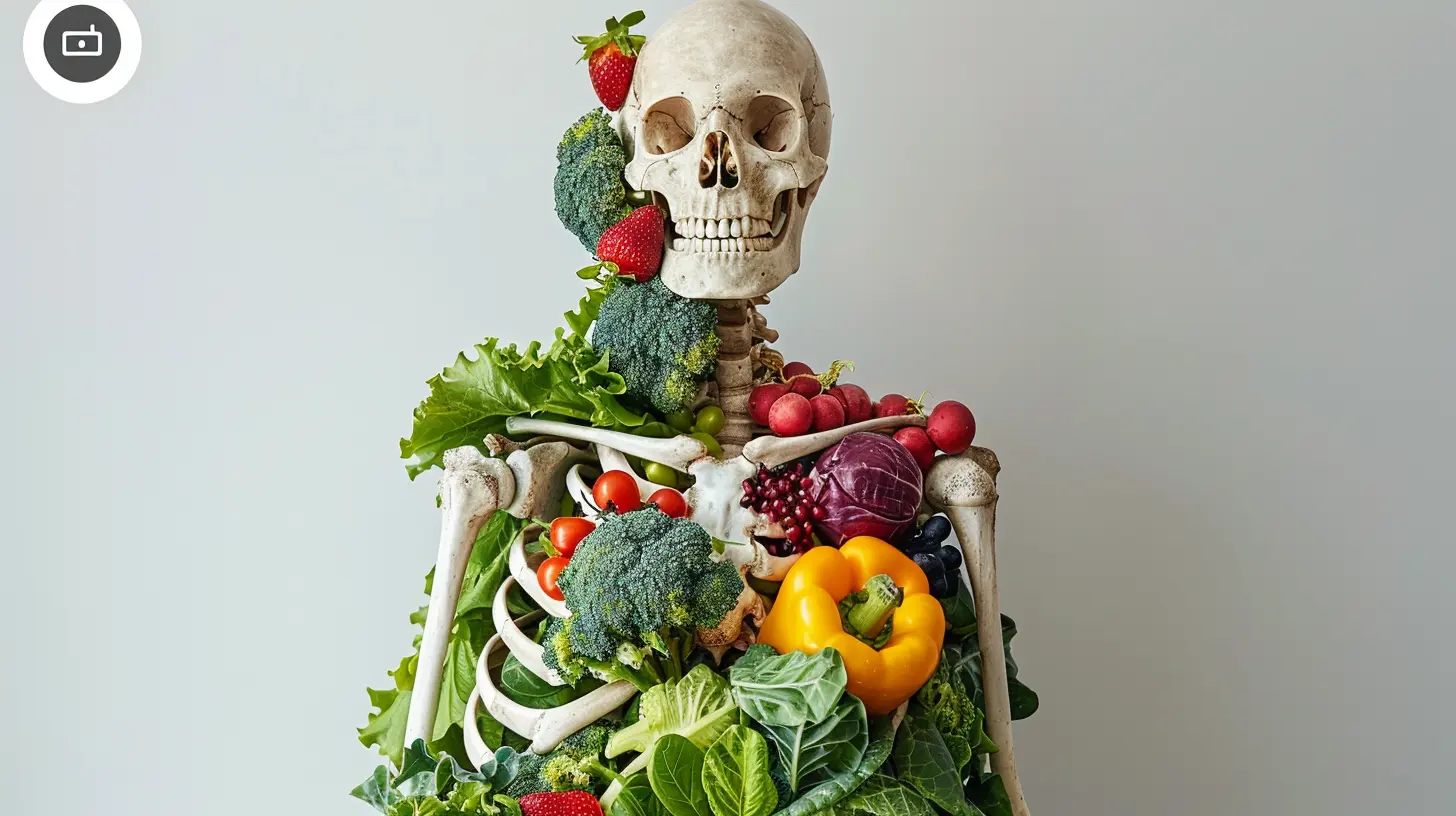
What is Crash Dieting?
Crash dieting involves drastically reducing calorie intake to achieve rapid weight loss, often eliminating entire food groups in the process. While you may see the number on the scale drop, this approach is neither sustainable nor healthy. More importantly, it can wreak havoc on your body—particularly your bones.Think of your bones like a bank account. Just as you deposit money to secure your future, you need to "deposit" nutrients like calcium, vitamin D, and protein to keep your bones strong. When you crash diet, you're essentially making massive withdrawals without replenishing your account, leaving your bones weak, brittle, and vulnerable to disease.

How Does Crash Dieting Affect Bone Health?
Your bones are living tissue, constantly breaking down and rebuilding. They need a steady supply of nutrients to maintain strength. However, crash diets deprive your body of essential vitamins and minerals, leading to a number of bone-related issues.1. Nutrient Deficiencies Lead to Bone Loss
Most crash diets severely cut calories, meaning you’re likely missing out on key bone-building nutrients. Here are some vital ones that take a hit:- Calcium: Essential for maintaining bone density. A lack of calcium forces your body to "steal" it from bones, weakening them over time.
- Vitamin D: Helps the body absorb calcium. Without enough vitamin D, your bones don’t get the calcium they need, making them more fragile.
- Protein: Plays a crucial role in bone repair and density. Low protein intake can lead to reduced bone mass, increasing the risk of fractures.
Skipping meals or relying solely on low-nutrient foods leaves your skeleton starving for these necessary nutrients.
2. Weakened Bone Density and Risk of Osteoporosis
Crash dieting can dramatically decrease bone density, making bones more brittle and prone to fractures. A study published in the Journal of Bone and Mineral Research found that extreme dieting can lead to a decline in bone mass, increasing the risk of osteoporosis—especially in women.For young adults, this is particularly dangerous. Bone mass peaks around the age of 30, and after that, it naturally starts to decline. If you're crash dieting in your 20s, you're essentially robbing your future self of strong bones.
3. Hormonal Imbalance and Bone Health
Your hormones play a big role in bone maintenance. However, extreme dieting disrupts hormone production, leading to serious consequences:- Lower Estrogen Levels: In women, severe calorie restriction decreases estrogen levels. Since estrogen protects bone density, low levels can accelerate bone loss, putting young women at risk for osteoporosis later in life.
- Increased Cortisol: Crash diets trigger stress in the body, increasing cortisol levels. High cortisol leads to bone breakdown, making them weaker.
Essentially, when your body is in starvation mode, it prioritizes vital organs over bone health. Your bones get neglected, leading to long-term damage.
4. Loss of Muscle Mass Impacts Bone Strength
Crash dieting doesn't just strip fat—it also burns through muscle. Since strong muscles support strong bones, losing muscle mass weakens the entire skeletal structure.When muscles shrink due to extreme calorie restriction, your bones experience more stress with daily activities, raising the risk of fractures and joint issues. To make matters worse, many crash diets lack enough protein to repair muscle loss, compounding the damage.
5. Increased Risk of Stress Fractures
People who crash diet and engage in intense exercise at the same time are setting themselves up for disaster. When your body lacks essential nutrients but still undergoes high physical strain, stress fractures become a real threat.Stress fractures are tiny cracks in bones caused by overuse. Since crash dieting weakens bone density, these fractures become more common, taking months to heal and sometimes requiring surgery. 
The Long-Term Impact on Bone Integrity
When you crash diet repeatedly, your bones suffer. The damage isn't just temporary—it accumulates over time, increasing your risk of osteoporosis, fractures, and mobility issues as you age.Think of it like a house built on a weak foundation. If the structure isn’t properly maintained, it starts to crumble. Similarly, if you continuously deprive your bones of nutrients through extreme diets, they'll eventually give out when you need them most.
Who's at Higher Risk?
Some groups are more vulnerable to bone loss from crash dieting, including:- Women (especially postmenopausal women) since estrogen protects bone density
- Teenagers and young adults who are still building peak bone mass
- Athletes trying to maintain low body weight but lacking proper nutrition
- Individuals with eating disorders like anorexia, which severely impacts bone strength
If you fall into any of these categories, extreme dieting is particularly harmful to your long-term bone health. 
How to Lose Weight Without Harming Your Bones
The good news? You can lose weight without sacrificing your bone health. Instead of resorting to drastic calorie cuts, try these sustainable strategies:1. Eat a Balanced Diet
Rather than depriving yourself, focus on nutrient-dense foods that support bone health:- Dairy, almonds, and leafy greens for calcium
- Fatty fish, eggs, and fortified foods for vitamin D
- Lean meats, legumes, and nuts for protein
2. Slow, Sustainable Weight Loss
Doctors recommend losing weight at a gradual pace—about 1-2 pounds per week. This allows your body to adjust without depleting crucial nutrients.3. Strength Training & Weight-Bearing Exercises
Weight training and activities like walking and yoga help maintain bone density. Exercise signals your bones to stay strong instead of breaking down.4. Stay Hydrated
Water is crucial for bone health. Dehydration impacts nutrient absorption, making it harder for your body to maintain strong bones.5. Avoid Extreme Diets
Fad diets come and go, but the damage they do can last a lifetime. Instead of keto, juice cleanses, or fasting trends, focus on a well-rounded, balanced eating plan that meets your body's needs.Final Thoughts
Crash dieting might offer quick weight loss, but the cost to your bones is simply too high. Your skeletal system relies on steady, nutrient-rich fuel to stay strong. When you deprive it through extreme dieting, you're setting yourself up for weak bones, fractures, and potentially life-altering consequences in the future.So, before you hop on the next diet craze, think about the long-term impact. Your bones are with you for life—treat them well, and they'll keep you strong for years to come.
all images in this post were generated using AI tools
Category:
Bone HealthAuthor:

Sophia Wyatt
Discussion
rate this article
2 comments
Amalia Clarke
Crash dieting may offer quick weight loss, but it can compromise bone integrity and long-term health. A balanced approach to nutrition and gradual weight loss is essential for sustaining both weight and strong bones.
March 29, 2026 at 2:27 PM
Sophia Wyatt
Thank you for highlighting this crucial point! Sustainable weight loss through balanced nutrition is key to preserving bone health and overall well-being.
Robert Cooper
Prioritize your health! Nourishing your body sustainably strengthens bones and fosters long-term wellness. Choose balanced eating over quick fixes!
March 28, 2026 at 4:10 AM
Sophia Wyatt
Thank you for emphasizing the importance of sustainable nutrition! Prioritizing balanced eating is key to maintaining bone health and overall wellness.