The Connection Between Gut Health and Muscle Soreness
17 September 2026
You crushed a heavy leg session yesterday. Today, walking down stairs feels like a negotiation with gravity. That burning, stiff, humbling sensation is delayed onset muscle soreness, usually shortened to DOMS. Most of us blame it entirely on the workout. We picture microscopic tears in muscle fibers, inflammation, and a repair process that simply takes time.
That picture is not wrong. It is just incomplete.
A growing body of evidence suggests that what happens in your digestive tract, specifically the community of bacteria living there, can influence how sore you get, how long the soreness lasts, and how well you recover between sessions. This is not mystical wellness talk. It is physiology, immunology, and a bit of microbial politics. Your gut and your muscles are in constant conversation, and the tone of that conversation shapes your recovery.
Let us unpack how that works, where the science is solid, where it is still speculative, and what you can actually do about it.
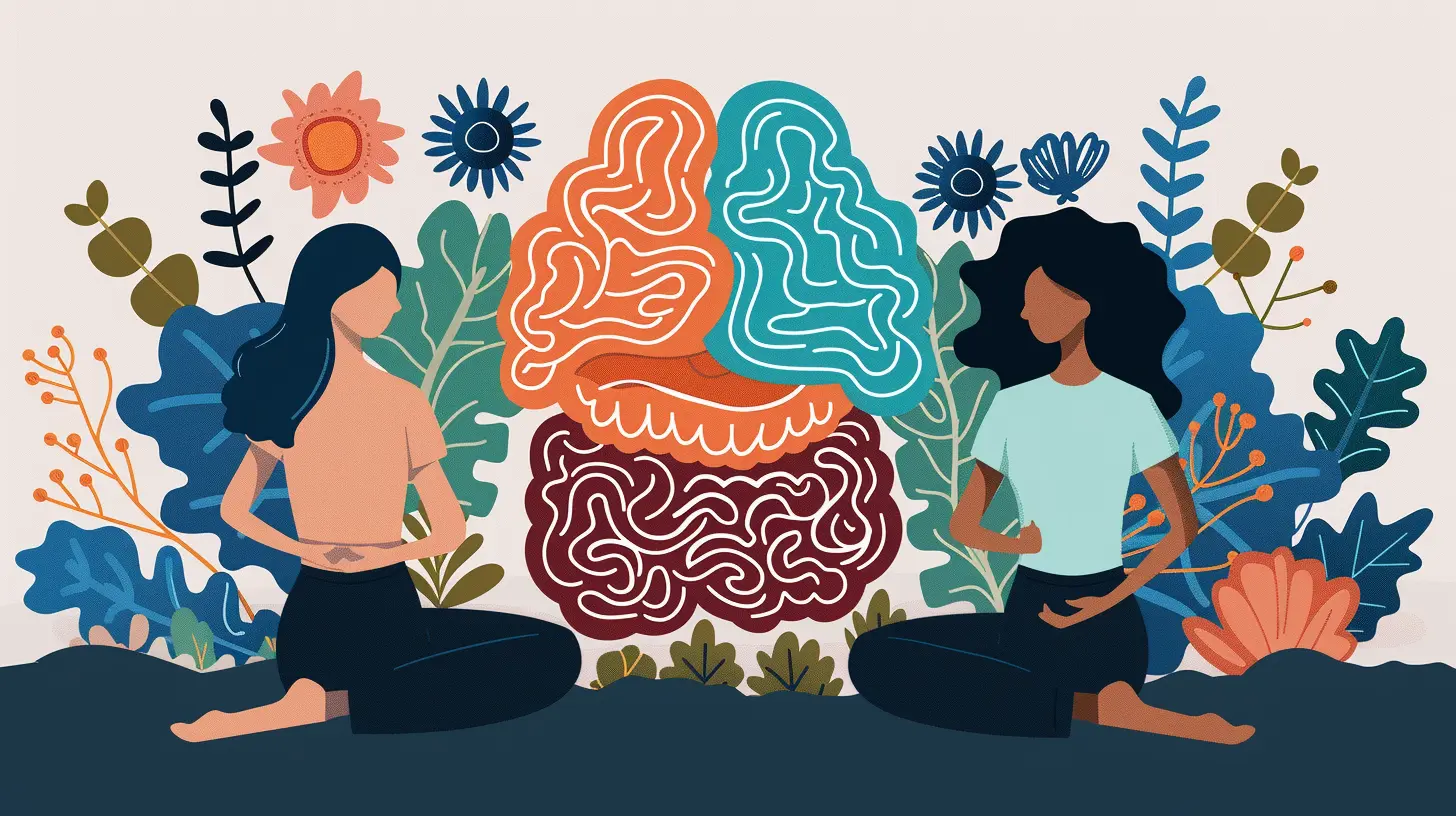
Why Muscle Soreness Is More Than Just "Torn Fibers"
DOMS typically peaks 24 to 72 hours after unfamiliar or intense exercise. The traditional explanation focuses on mechanical damage to muscle fibers, especially during eccentric movements like lowering a weight or running downhill. That damage triggers an inflammatory response. Immune cells rush in, clean up debris, and kickstart repair. The soreness you feel is partly a byproduct of that inflammation, not just the structural damage itself.Here is the key insight: inflammation is not a bug in the system. It is the system. Without it, you would not adapt and get stronger. The problem arises when inflammation becomes excessive, prolonged, or poorly regulated. That is where your gut enters the picture.
Your gut houses roughly 70 percent of your immune tissue. The bacteria in your colon, collectively called the gut microbiota, constantly interact with that immune system. They train it, calm it, or provoke it depending on their composition and the signals they send. When your gut ecosystem is balanced, inflammation after exercise tends to be sharp, targeted, and short-lived. When it is out of balance, a condition called dysbiosis, inflammation can spill over, linger, and make soreness feel worse than it needs to.
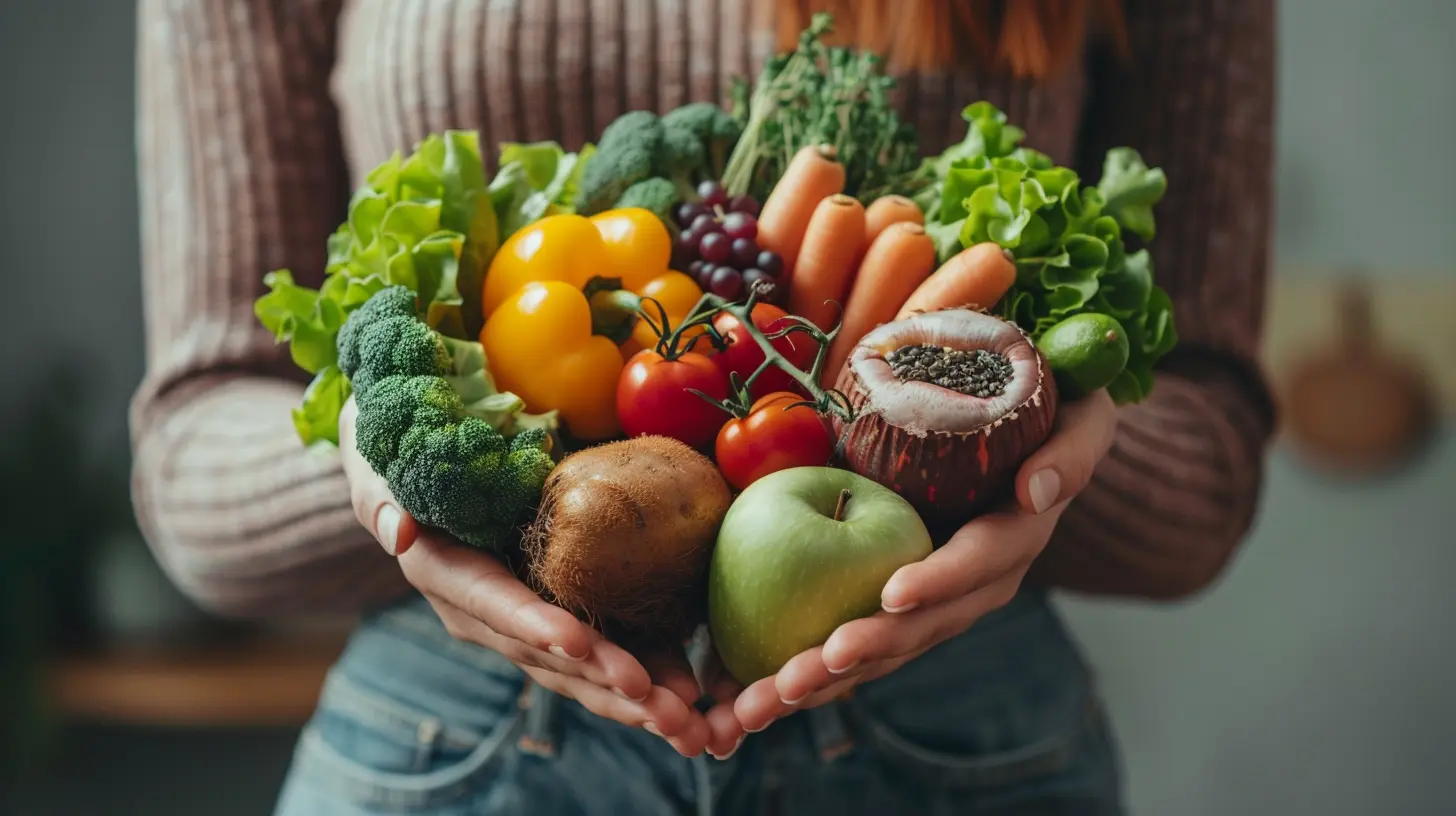
The Gut-Muscle Axis: A Two-Way Street
Researchers sometimes use the term "gut-muscle axis" to describe the bidirectional communication between your intestinal microbes and your skeletal muscle. The conversation happens through several channels.The Immune Channel
Gut bacteria influence the production of cytokines, which are signaling molecules that either promote or dampen inflammation. Some bacterial strains encourage a balanced cytokine response. Others push toward a more aggressive inflammatory state. After a tough workout, your muscles release their own inflammatory signals. If your gut is already priming your immune system for overreaction, the soreness can amplify.The Metabolite Channel
Your gut bacteria ferment dietary fiber and produce short-chain fatty acids like butyrate, acetate, and propionate. These compounds are not just fuel for your colon cells. They enter the bloodstream, modulate immune function, and influence muscle metabolism. Butyrate, in particular, has been studied for its anti-inflammatory properties. A gut that produces plenty of butyrate tends to support a more controlled inflammatory response after exercise.The Nutrient Channel
A healthy gut absorbs amino acids, vitamins, minerals, and antioxidants more efficiently. Muscle repair requires protein synthesis, which depends on amino acid availability. It also requires micronutrients like magnesium, zinc, and vitamin C for collagen formation and immune regulation. If your gut lining is inflamed or your microbiome is skewed, absorption can suffer, and recovery slows.The Neural Channel
The vagus nerve connects your gut to your brain. Gut bacteria influence vagal signaling, which in turn affects stress responses, sleep quality, and perceived pain. Poor sleep and high stress both make soreness feel worse. So a disrupted gut can indirectly crank up your pain perception by messing with the very systems that help you tolerate discomfort.
What the Research Actually Suggests
I want to be careful here. The gut-muscle axis is an active area of research, not a settled textbook chapter. Some findings are compelling. Others are preliminary. Let us separate the strong from the speculative.Stronger evidence:
- Probiotic supplementation, particularly with Lactobacillus and Bifidobacterium strains, has been shown in several small trials to reduce markers of muscle damage like creatine kinase and lactate dehydrogenase after exercise.
- Fiber intake is consistently associated with better metabolic health and lower systemic inflammation. Since exercise-induced inflammation is systemic to some degree, this matters.
- Gut permeability, sometimes called leaky gut, increases after strenuous exercise. When the intestinal barrier becomes more porous, bacterial fragments can enter circulation and trigger immune responses that worsen soreness.
Emerging but less certain:
- Specific bacterial strains may influence protein absorption and muscle protein synthesis, but human data is limited.
- Postbiotics, which are metabolites produced by probiotics, show promise for recovery, but dosing and strain specificity remain unclear.
- Fecal microbiota transplantation for athletic recovery is not a thing yet. Anyone selling it as a service is ahead of the science.
What this means for you: You do not need to wait for perfect evidence to act. The interventions that support gut health are almost universally good for you anyway. The risk is low. The potential upside is meaningful.

Signs Your Gut Might Be Sabotaging Your Recovery
Not everyone with sore muscles has a gut problem. But certain patterns suggest your digestive system could be part of the issue.- You get sore far worse than your training volume would predict.
- Your soreness lingers beyond four or five days.
- You experience bloating, gas, or irregular bowel habits alongside training.
- You feel unusually fatigued after sessions that used to be manageable.
- You catch colds or infections more often during heavy training blocks.
- You notice joint pain or stiffness that does not match your workout.
None of these are definitive. But if several apply, it is worth examining your diet, stress, sleep, and gut health before blaming your program alone.
Practical Strategies to Support Both Your Gut and Your Muscles
This is where things get useful. Below are evidence-informed approaches, along with the reasoning behind them and the trade-offs you should consider.1. Feed Your Microbes with Fermentable Fiber
Fiber is the primary food source for your gut bacteria. Without it, beneficial strains starve, and less helpful ones can take over. Aim for a variety of plant foods: vegetables, fruits, legumes, whole grains, nuts, and seeds.Why it works: Fermentable fiber produces short-chain fatty acids that reduce systemic inflammation and support immune balance.
When to be cautious: If you have irritable bowel syndrome or significant bloating, ramping up fiber too quickly can backfire. Increase gradually over weeks, not days. Some people do better with cooked vegetables and well-soaked legumes rather than raw salads and bran.
Trade-off: High-fiber diets can cause temporary gas and discomfort. That is often a sign your microbiome is shifting, but it should not be severe or persistent. If it is, work with a professional.
2. Consider Probiotic Foods Before Supplements
Yogurt with live cultures, kefir, sauerkraut, kimchi, miso, and tempeh are rich in beneficial bacteria. They also provide a matrix of nutrients that isolated supplements lack.Why it works: Fermented foods deliver live microbes along with their metabolites. A study from Stanford published in Cell found that a fermented food diet increased microbiome diversity and reduced inflammatory markers more effectively than a high-fiber diet alone in the short term.
When to skip: If you have histamine intolerance, fermented foods can trigger symptoms. Some people react to the amines produced during fermentation. In that case, a low-histamine approach with targeted probiotics may be better.
Trade-off: Fermented foods are not a magic bullet. They help, but they do not replace overall diet quality or sleep.
3. Use Targeted Probiotics with Realistic Expectations
If you want to experiment with supplements, look for strains with human data behind them. Lactobacillus rhamnosus, Lactobacillus plantarum, and Bifidobacterium longum have the most research for recovery and inflammation.Why it works: These strains can modulate cytokine production, improve gut barrier function, and reduce markers of muscle damage in some studies.
When to skip: If you are immunocompromised, always consult a doctor first. Probiotics are generally safe for healthy people, but they are not risk-free for everyone.
Trade-off: Probiotics are transient. Most do not colonize your gut permanently. They are more like tourists than residents. You need consistent intake to see ongoing benefits, and results vary widely between individuals.
4. Protect Your Gut Barrier with Smart Training and Nutrition
Strenuous exercise increases gut permeability. This is normal and temporary. But you can limit the damage.- Avoid training completely fasted for very long or very intense sessions if you notice gastrointestinal distress.
- Stay hydrated. Dehydration worsens gut permeability.
- Limit alcohol around training. It irritates the gut lining and disrupts sleep.
- Do not overuse nonsteroidal anti-inflammatory drugs like ibuprofen. They can damage the gut lining and may actually impair muscle adaptation.
Why it works: A tighter gut barrier means fewer bacterial fragments leak into circulation, which means less systemic inflammation and potentially less soreness.
When to be cautious: Some gut permeability after exercise is part of the adaptive signal. You do not want to suppress it entirely. The goal is moderation, not elimination.
5. Prioritize Sleep and Stress Management
This might seem like a cop-out, but it is not. Sleep deprivation alters the gut microbiome within days. Chronic stress changes gut motility, mucus production, and bacterial composition. Both make soreness worse.Why it works: Good sleep reduces inflammatory cytokines and supports muscle repair. Lower stress improves vagal tone, which helps regulate gut function and pain perception.
When to skip: You cannot skip sleep. You can only choose to prioritize it or suffer the consequences.
Trade-off: None. This is the closest thing to a free lunch in recovery science.
6. Time Your Protein and Carbohydrates Thoughtfully
Protein provides amino acids for repair. Carbohydrates replenish glycogen and reduce cortisol. Both influence gut function.Why it works: A post-workout meal with protein and carbs supports muscle protein synthesis and lowers stress hormones. Including fiber-rich carbs also feeds your microbiome.
When to be cautious: If you have slow digestion or reflux, a huge meal right after training can be uncomfortable. Liquid nutrition or smaller, more frequent meals may work better.
Trade-off: Obsessing over nutrient timing can add stress. For most people, total daily intake matters more than precise timing. Use timing as a tool, not a religion.
Common Mistakes and Misconceptions
Mistake 1: Blaming all soreness on the gut. Sometimes soreness is just soreness. New movements, increased volume, and eccentric overload will make you sore regardless of your microbiome. The gut is a modulator, not the sole cause.Mistake 2: Taking a probiotic and expecting miracles. Probiotics are one small lever. They cannot overcome poor sleep, excessive alcohol, or a diet devoid of fiber.
Mistake 3: Assuming "leaky gut" is a diagnosis. Increased intestinal permeability is a measurable phenomenon. "Leaky gut syndrome" as a catch-all diagnosis is often overused and poorly defined. Stick to what is measurable.
Mistake 4: Eliminating all inflammation. Inflammation is necessary for adaptation. You do not want to shut it down completely. You want to regulate it.
Mistake 5: Ignoring individual variation. Your microbiome is as unique as your fingerprint. What works for your training partner may not work for you. Experiment, track, and adjust.
A Realistic Recovery Framework
If you want to improve recovery through gut health, here is a sensible order of operations.1. Fix the basics first. Sleep seven to nine hours. Eat enough protein. Drink water. Manage stress. No supplement can outrun a bad foundation.
2. Add fiber diversity. Aim for 25 to 40 grams per day from a variety of plant sources. Rotate your vegetables. Do not eat the same five foods every day.
3. Include fermented foods. One to two servings daily if tolerated. Start small.
4. Consider a probiotic trial. Give it four to eight weeks. Track soreness, energy, and digestion. If nothing changes, stop.
5. Adjust training variables. Sometimes the best gut intervention is reducing training volume or intensity for a week. Recovery is not weakness.
6. Seek professional guidance if needed. A registered dietitian or gastroenterologist can help if you have persistent digestive issues.
The Bottom Line
Your gut and your muscles are not separate systems. They are connected through immunity, metabolism, and the nervous system. A healthy gut supports a well-regulated inflammatory response, efficient nutrient absorption, and better recovery. A disrupted gut can make soreness feel worse, last longer, and slow your progress.The good news is that the same habits that support gut health also support muscle health. Eat a variety of plants. Sleep. Manage stress. Move often. Use supplements strategically, not desperately. Be patient. Your microbiome responds to consistent inputs, not overnight hacks.
You will still get sore. That is part of training. But you might just find that the soreness is more manageable, the recovery is faster, and the stairs are a little less terrifying.
all images in this post were generated using AI tools
Category:
Workout RecoveryAuthor:

Sophia Wyatt