Beetroot Juice: Can It Really Detoxify Your Blood?
6 June 2026
We’ve all seen it. That bright, ruby-red drink making waves in grocery aisles, health stores, and maybe even your best friend’s fridge. Beetroot juice has become a go-to for many people wanting to "cleanse" their system and boost their health. But does it actually live up to the hype? Can beetroot juice really detoxify your blood, or is it just another wellness fad hiding behind a glossy Instagram filter?
Let’s roll up our sleeves and juice this topic (pun intended) to get to the truth.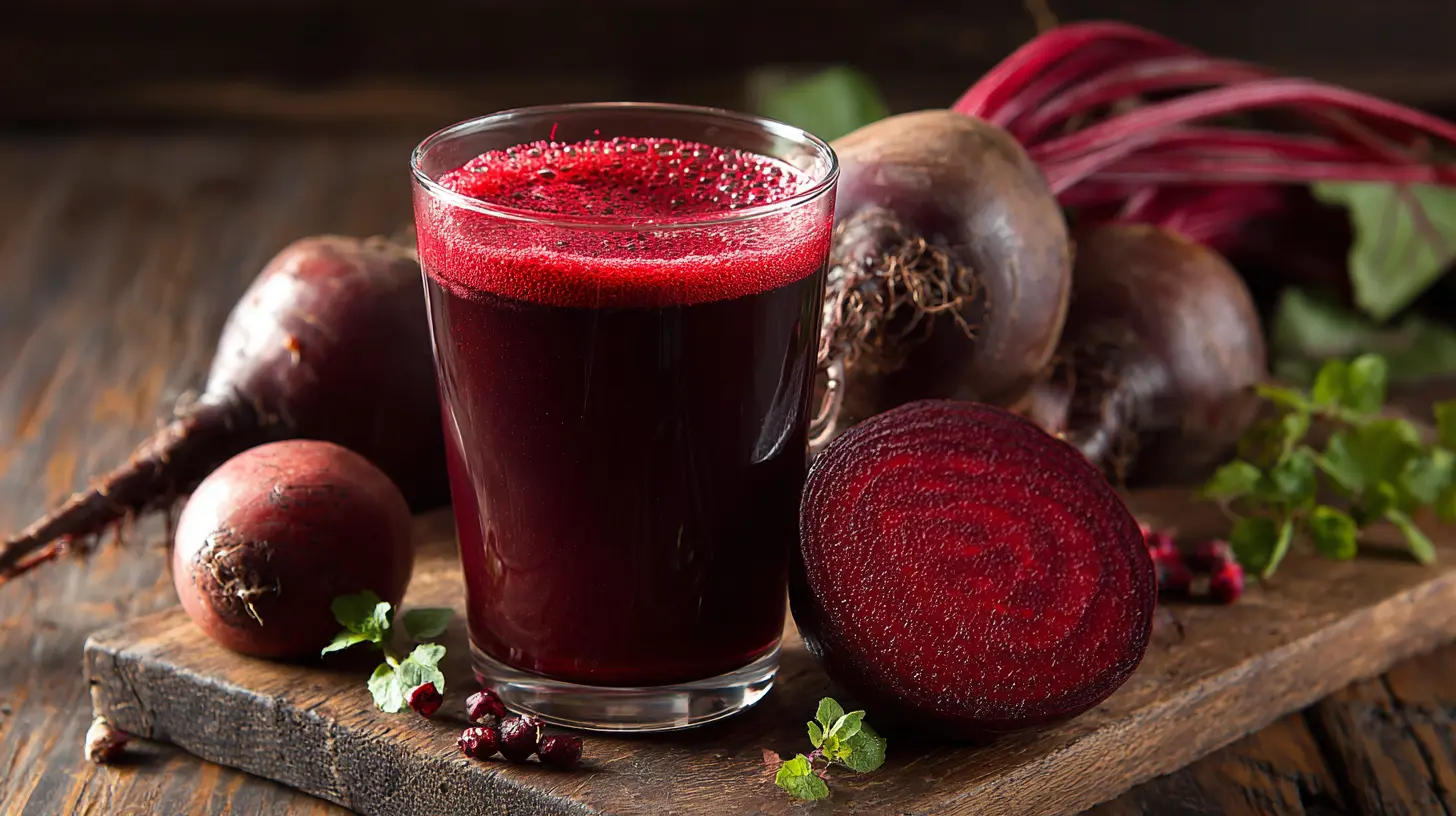
What Does "Detoxify Your Blood" Even Mean?
Before we dive into beetroot’s benefits, let’s clear up one thing: what are we even talking about when we say "detoxify your blood"?Here’s the short answer: Your body is already a detox powerhouse. Your liver, kidneys, lungs, and even your skin work like a well-oiled machine to remove toxins every single day. Think of them as your internal janitorial staff—cleaning up the mess so your body runs smoothly.
So when people talk about "detoxing" the blood, it usually means supporting these organs, making their job easier, or giving them the nutrients they need to function even better. Spoiler alert: beetroot juice might just be one of those helpers.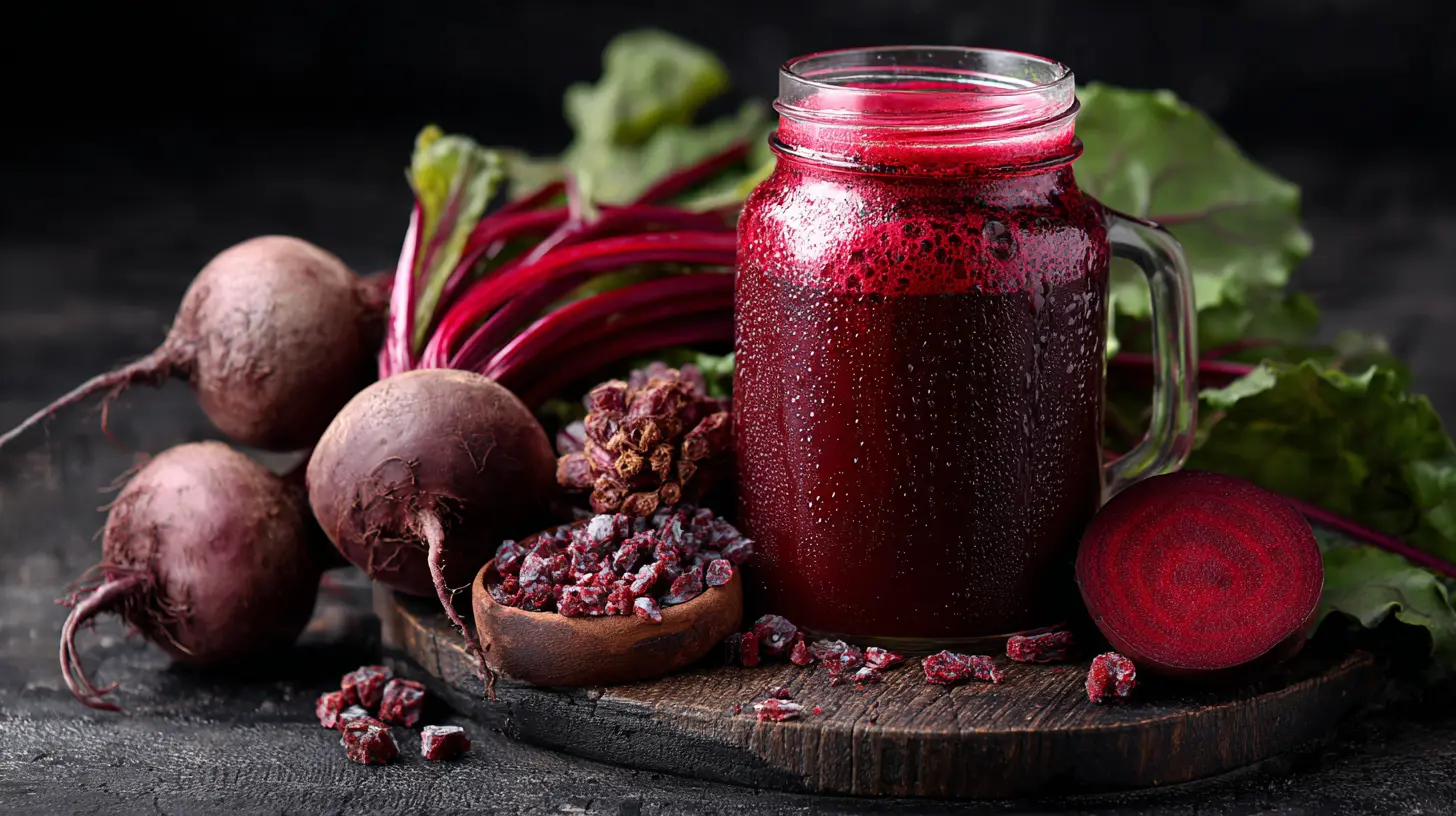
Meet Beetroot: A Root With Superpowers
Beetroot, or simply beet, is a rich purple-red root vegetable that’s been around for centuries. From Greek temples to Roman kitchens, beets have had one heck of a journey. But its recent rise to fame? That’s mostly thanks to its insane nutritional value.Let’s take a quick look at what’s inside a glass of beetroot juice:
- Nitrates (loads of them!)
- Vitamin C
- Iron
- Magnesium
- Potassium
- Folate
- Antioxidants, especially betalains (the pigment that gives beets their color)
It’s a nutritional cocktail that your body absolutely loves.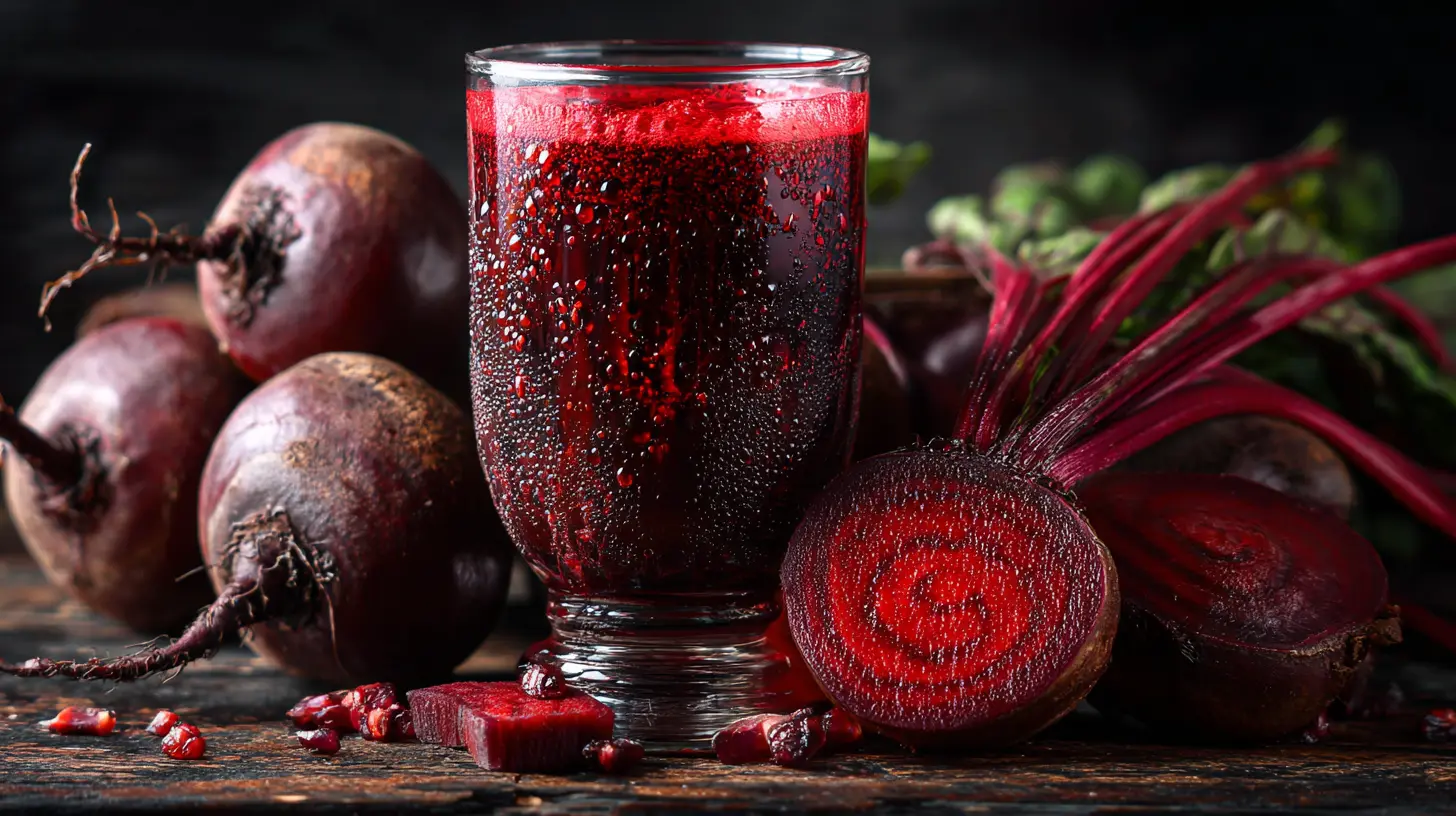
How Does Beetroot Juice Affect the Blood?
So, what happens when you drink beetroot juice?Let’s break it down.
1. It Improves Blood Flow
Thanks to its sky-high nitrate content, beetroot juice helps your body make nitric oxide—which is like the VIP of the vascular system. Nitric oxide relaxes and widens blood vessels, making it easier for blood to flow. Think of it like turning a narrow alley into a wide-open highway.Better blood flow means more oxygen delivery to your cells and organs. That’s why some athletes gulp down beet juice before a big run—it gives them more endurance and stamina.
2. May Help Lower Blood Pressure
Beetroot juice is a natural blood pressure regulator. Studies have shown that drinking beet juice regularly can help lower systolic and diastolic blood pressure, thanks mostly to those nitrates again.And guess what? Lower blood pressure means less strain on your heart and blood vessels. That’s a win for your entire cardiovascular system.
3. Boosts Liver Function (aka Your Body’s Detox Center)
Your liver is basically the HQ of detoxification. If it’s healthy, you’re golden.Beets are packed with compounds that support liver function. Betalains, in particular, are antioxidants with anti-inflammatory and detoxifying properties. They help protect the liver from oxidative stress and may enhance its ability to process toxins more efficiently.
In short: beetroot juice doesn’t detox your blood directly, but it helps the organ that does.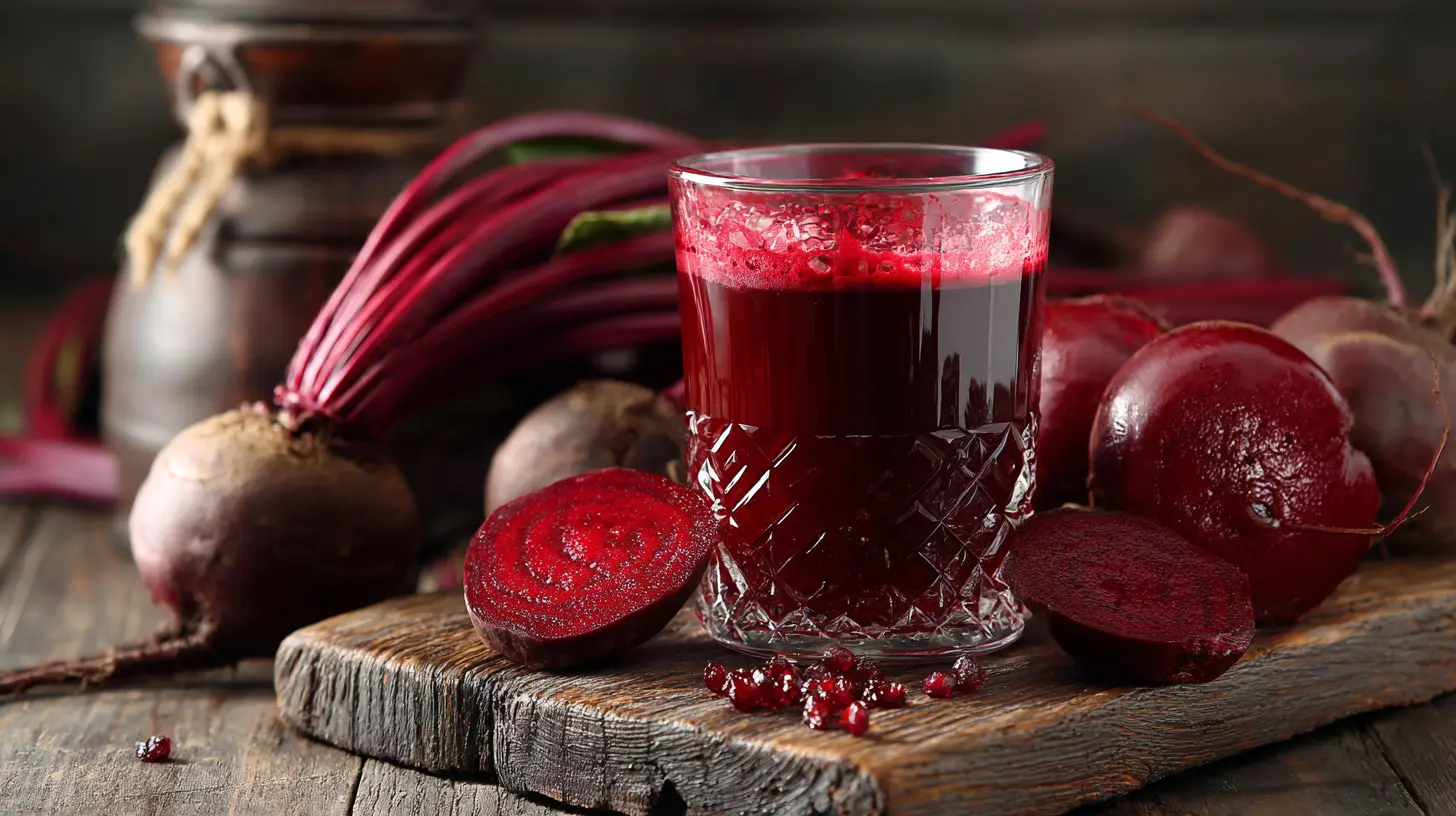
Okay, But Can It Really Detoxify Your Blood?
Let’s be real here. The idea that you can sip a glass of something and instantly "detox" your blood is a bit of a wellness myth. Your body doesn’t have a magic reset button. Detox is a process—ongoing and complex.But beetroot juice absolutely has properties that support your body’s natural detoxification systems, especially when it comes to:
- Reducing oxidative stress (thanks to antioxidants)
- Supporting liver enzymes
- Improving blood flow and oxygen delivery
- Helping keep inflammation in check
It’s like giving your detox squad the tools they need to work smarter, not harder.
What About Iron and Hemoglobin?
Great question. Beets are also a decent source of iron—an essential mineral for producing hemoglobin, the protein in red blood cells that carries oxygen.If you’ve got low iron levels (anemia), drinking beetroot juice might help improve iron levels naturally. And more iron equals better oxygen transport in the blood. Now that’s a sweet deal.
Daily Beetroot Juice: A Habit Worth Having?
So, should you start chugging beetroot juice every morning like a wellness warrior?Let’s weigh the pros and cons.
✔️ Pros:
- Improves circulation and blood pressure- Rich in antioxidants and nutrients
- Supports liver function
- May boost athletic endurance
- Natural way to increase iron levels
❌ Cons:
- Can cause beeturia (red or pink urine—harmless, but surprising)- High in oxalates (not great for people prone to kidney stones)
- May lower blood pressure too much if you’re on meds
Moderation is key. One small glass a day (about 100-250 ml) is usually enough to reap the benefits without overdoing it. And if you’ve got any health conditions, run it by your doctor first.
Easy Ways to Add Beetroot Juice to Your Routine
Not a fan of the earthy taste? You’re not alone. While some folks love the flavor, others say it reminds them of… well, dirt.Here’s how to jazz it up:
- Mix it with apple, carrot, or orange juice for a sweeter, smoother taste
- Add ginger and lemon for a zesty kick
- Blend it into a smoothie with berries and yogurt
- Use it in salad dressings or soups for a nutrition boost
Make it fun—play around with flavors until you find what you love.
What Science Says (Without the Fluff)
Don’t just take our word for it. Several studies support beetroot juice’s effects on cardiovascular health and liver function.Here’s a quick cheat sheet:
- A study published in Hypertension journal found that beetroot juice significantly lowered blood pressure in hypertensive patients within hours.
- Research in the Journal of Applied Physiology showed improved athletic performance due to increased oxygen efficiency.
- Animal studies have shown beets can reduce liver inflammation and fat buildup.
While more human studies are needed for direct claims on "blood detoxification," the evidence is strong that beets support the organs that handle detox.
Should You Rely on Beetroot Juice Alone?
Beet juice is amazing, but it’s not a cure-all. If your diet is trash, your sleep is a mess, and you haven’t seen a vegetable since last Halloween, a glass of beet juice every day isn’t gonna be your knight in shining armor.Think of it as a support act—not the headliner. Combine beet juice with:
- A balanced diet
- Regular exercise
- Adequate sleep
- Hydration
- Stress management
Now that’s a real detox plan.
Final Thoughts: Is Beetroot Juice Worth the Hype?
In a word? Yes.Beetroot juice is one of those rare wellness trends that actually has science behind it. It might not magically "detoxify your blood" like a spiritual cleanse, but it absolutely supports your body’s natural detox machinery—especially the liver and circulatory system.
So go ahead, pour yourself a glass of that vibrant red liquid. Just don’t expect miracles. Think of it as part of a bigger health picture—and one that’s delicious, too.
Cheers to your health, one beet at a time.
Frequently Asked Questions (FAQs)
Can beetroot juice be taken daily?
Yes, most people can safely drink 100–250 ml of beetroot juice daily. But if you’re on blood pressure meds or have kidney issues, talk to your doctor first.How long does it take for beetroot juice to show effects?
Some effects, like a drop in blood pressure, can happen within a few hours. Long-term benefits to overall health might take a few weeks of consistent use.Can beetroot juice cause side effects?
Mostly minor ones — pink urine or stools (beeturia), stomach upset, or kidney concerns if you overdo it. Moderation is the way to go.What’s the best time to drink beetroot juice?
Mornings are ideal, especially before workouts. It gives your body a natural energy and blood flow boost.all images in this post were generated using AI tools
Category:
Detox DrinksAuthor:

Sophia Wyatt
Discussion
rate this article
1 comments
Bryson McPherson
Thanks for sharing this informative piece! Beetroot juice sounds like a tasty way to boost health and support blood detoxification.
June 11, 2026 at 3:06 PM
Sophia Wyatt
Thanks for your kind words! Beetroot juice really does have some impressive health benefits. Enjoy!