The Best Types of Exercise to Reduce High Cholesterol
14 December 2025
Let’s be honest—none of us want to talk about cholesterol until the doctor brings it up. That dreaded annual check-up where terms like “LDL,” “HDL,” and “triglycerides” start flying around like confetti. You nod, you smile, and you promise to “do better.” But what does that even mean?
Well, here’s a truth bomb: your cholesterol doesn’t fix itself.
Don't worry though—you're not alone, and the good news is that one of the most effective ways to tackle high cholesterol might already be something you know how to do: moving your body. Yep, that’s right. Exercise can significantly cut down those bad cholesterol levels while giving the good cholesterol a nice little boost.
But not just any old sweat session will do. So grab your sneakers, because we’re about to break down the best types of exercise to reduce high cholesterol—and we’ll keep it real, practical, and 100% doable.
What Even Is Cholesterol and Why Should You Care?
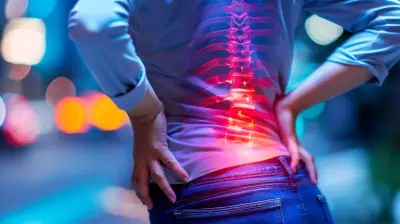
Before we jump into lunges and laps, let’s quickly unpack what cholesterol really is.Cholesterol is a waxy, fat-like substance in your blood. Your body actually needs some cholesterol to build healthy cells, but too much of the wrong kind (LDL—low-density lipoprotein) can clog up your arteries like a hairball in a shower drain. And that can lead to heart attacks or strokes. No fun.
Now the good guy? That’s HDL—high-density lipoprotein. It helps clear out the gunk (LDL) and sweeps it back to the liver to be broken down.
So, the goal is simple: lower LDL, raise HDL. And exercise? It’s one of the best ways to strike that balance.
Why Exercise Works Like Magic on Cholesterol
Exercise isn't just about losing weight or getting a six-pack (although hey, those are great perks too). When it comes to managing cholesterol, physical activity works on multiple levels:- Burns excess fat – Excess fat, especially around your midsection, is a breeding ground for high LDL cholesterol.
- Raises HDL – Studies show regular workouts can bump up your HDL levels.
- Improves circulation – Better blood flow means less buildup in your arteries.
- Reduces inflammation – Chronic inflammation is a silent accomplice in heart disease. Good ol’ sweat helps calm that down.
Now that we’ve got the “why” out of the way, let’s talk about the “how.”
The Best Types of Exercise to Reduce High Cholesterol
Whether you’re a gym junkie, a couch potato, or somewhere in between, there’s something here for everyone.1. Brisk Walking (Yes, Walking!)
You don't need an expensive gym membership or fancy equipment. All you need is a decent pair of shoes and the will to move.Why It Works:
Walking—especially at a brisk pace—gets your heart pumping and helps you burn calories. Over time, that leads to weight loss and improved cholesterol levels.Pro Tips:
- Aim for at least 30 minutes a day, five days a week.- Try walking after dinner to help digest food and reduce cholesterol spikes.
- Walking with a friend or pet? Bonus points for mental health!
2. Jogging or Running
If walking feels too tame, up the intensity. Jogging or running cranks up your heart rate and burns more calories in less time.Why It Works:
Running increases HDL (the good guy) while reducing LDL and triglycerides. It also improves your heart's efficiency.Pro Tips:
- Start slow if you're new. Even 10–15 minutes a day helps.- Invest in good running shoes to protect your joints.
- Try interval runs (run, walk, run) to keep it interesting.
3. Cycling
Who said cardio had to be boring? Whether you're indoor spinning or cruising outdoors, cycling is a low-impact way to get major cardiovascular benefits.Why It Works:
Cycling lowers LDL and helps manage weight, which in turn improves your cholesterol profile.Pro Tips:
- Commute to work or run errands on your bike.- Join a cycling group for motivation.
- Indoor cycling classes are fun, sweat-drenched ways to keep it fresh.
4. Swimming
Want to protect your joints and still torch calories? Swimming’s your best bet.Why It Works:
Swimming is a full-body workout that gets your heart rate up without any joint pounding. That means it’s perfect for those with knee, ankle, or back issues.Pro Tips:
- Swim laps for 30 minutes a few times a week.- Mix strokes (freestyle, breaststroke, backstroke) to work different muscles.
- Water aerobics also count if you prefer a group vibe with less intensity.
5. Resistance Training (Yep, Lifting Weights!)
Don’t skip the weights, folks. Strength training not only sculpts muscle—it also helps improve insulin sensitivity and reduce total cholesterol.Why It Works:
Building muscle mass is like turning your body into a fat-burning machine, even at rest. That extra calorie burn helps reduce bad cholesterol over time.Pro Tips:
- Use dumbbells, resistance bands, or your own body weight.- Aim for total body workouts 2–3 times a week.
- Be consistent. Muscle takes time, but so do cholesterol improvements.
6. High-Intensity Interval Training (HIIT)
Short on time? HIIT delivers major results in minimal minutes.Why It Works:
HIIT alternates between bursts of intense activity and periods of rest. It shocks your system (in a good way), boosts metabolism, and rapidly improves cardiovascular health.Pro Tips:
- Try 20–30 minute sessions, 3 times a week.- Combine exercises like jumping jacks, burpees, and mountain climbers with rest periods.
- Great for busy schedules—maximum benefits in less time.
7. Yoga and Pilates (Mind Meets Muscle)
Can stretching and slow movement help your cholesterol? Actually, yes.Why It Works:
Yoga helps lower stress hormones, which are often linked to higher cholesterol and heart disease. Plus, many yoga poses stimulate circulation and improve metabolism.Pro Tips:
- Incorporate yoga 2–3 times a week for balance and flexibility.- Try flow-based yoga (like Vinyasa or Power Yoga) for a little more cardio.
- Breathing techniques reduce cortisol, which can indirectly help lower LDL.

How Often Should You Be Exercising?
Here’s the golden rule: aim for at least 150 minutes of moderate-intensity aerobic activity per week. That breaks down to just 30 minutes, five times a week. Totally doable, right?You can also mix in 75 minutes of vigorous activity if you're up for it. Don’t forget at least 2 days of strength training!
And seriously, any movement is better than nothing. Even taking the stairs or parking further from the store counts.
Pro Tips to Maximize Your Exercise Benefits
Alright, ready to lace up and hit the pavement? Not so fast—I’ve got some quick tips to make sure your efforts translate into actual cholesterol improvements.Start Slow, But Start
You don’t need to run marathons. Just start moving. Progress happens when you build habits, not by going all-out and burning out.Mix It Up
Variety keeps things fun and targets different muscle groups. Combine cardio, strength, and flexibility into your weekly routine.Track Your Progress
Use a smartwatch, fitness app, or old-school notebook to track your workouts. Seeing your progress builds momentum.Eat Smart Too
Exercise is a game-changer, but don’t use it as an excuse to binge on pizza. Pair workouts with a heart-healthy diet for best results.Stay Hydrated
Water helps your body process cholesterol and keeps you energized during workouts.When to Talk to Your Doctor
If you’ve got high cholesterol, don’t go it alone. Talk to your doctor before jumping into a new fitness routine—especially if you’re on meds, have a heart condition, or haven’t exercised in years.They might even suggest blood tests every few months to see how your efforts are paying off.
Final Thoughts
Let’s face it—high cholesterol is sneaky. You can’t feel it, and it doesn’t come with obvious symptoms. But trust me, ignoring it is a gamble you don’t want to take.The good news? You’re not at its mercy. You have the power to lower those numbers and reclaim your health—starting with something as simple and empowering as movement.
So get out there. Walk. Run. Swim. Dance. Stretch. Lift. Sweat. And know that every drop of effort you put in is another step away from clogged arteries and closer to a stronger, healthier you.
Because exercise isn’t just about looking better—it’s about living better. That’s a journey worth taking.
all images in this post were generated using AI tools
Category:
CholesterolAuthor:

Sophia Wyatt
Discussion
rate this article
2 comments
Haze McTigue
Embrace movement! Enjoy improving your health and lowering cholesterol today!
January 15, 2026 at 4:45 AM
Sophia Wyatt
Thank you! Embracing movement is key to better health and improved cholesterol levels. Let's get moving!
Lumen Lopez
Thank you for this insightful article! It’s encouraging to see how lifestyle changes can make such a significant impact on heart health. The practical tips on exercises not only inspire motivation but also remind us that small steps can lead to big changes. Here’s to a healthier future for us all!
December 26, 2025 at 4:05 PM
Sophia Wyatt
Thank you for your thoughtful comment! I'm glad you found the article helpful and inspiring. Here's to making positive changes together!