Simple Ways to Drink More Water Without Forcing It
30 August 2026
You know the feeling. That dull headache around three in the afternoon. The sudden dip in energy that has you reaching for another coffee. The dry mouth that no amount of lip balm seems to fix. These are all quiet signals from your body that you are running low on water. And yet, despite knowing that hydration matters, you still struggle to drink enough.
The problem is not a lack of willpower. The problem is that most advice about drinking water treats it like a chore. Drink eight glasses a day. Carry a bottle everywhere. Set hourly reminders. These strategies work for a week, maybe two, and then they fall apart because they rely on discipline. And discipline is a finite resource.
The real solution is to redesign your environment and habits so that drinking water becomes the easiest choice you make all day. Not the most virtuous one. Just the most obvious one. This article walks through practical, evidence-informed ways to increase your water intake without turning it into a battle. No guilt trips. No rigid rules. Just small adjustments that add up to meaningful change.
Why Forcing It Backfires
Before diving into strategies, it helps to understand why the "just drink more" approach fails. When you force yourself to do something unpleasant, your brain registers it as a cost. Every sip becomes a small act of resistance. Over time, you associate water with obligation rather than refreshment. That association makes it harder to sustain the habit, not easier.There is also a physiological angle. Drinking a large volume of water in one sitting triggers a stretch reflex in your stomach. That feeling of fullness can be uncomfortable, especially if you are not actually thirsty. Your body sends a signal that says "stop," and you override it because you are following a rule. This creates a negative feedback loop. You drink, you feel bloated, you resent the water, and you drink less tomorrow.
The alternative is to work with your body's natural cues instead of against them. Thirst is a reliable signal, but it is also a lagging one. By the time you feel thirsty, you are already mildly dehydrated. The goal is not to wait for thirst. The goal is to create conditions where drinking water happens naturally, frequently, and without conscious effort.
The Temperature Trick That Changes Everything
One of the simplest adjustments is to pay attention to water temperature. Many people assume that water is water. But temperature affects how much you drink and how much you enjoy it.Cold water, especially ice water, can be refreshing on a hot day. But it also slows down gastric emptying. That means the water sits in your stomach longer, which can make you feel full faster and less likely to finish your glass. Room temperature water, on the other hand, is absorbed more quickly. It also has less of a shock factor, which makes it easier to drink in larger volumes without discomfort.
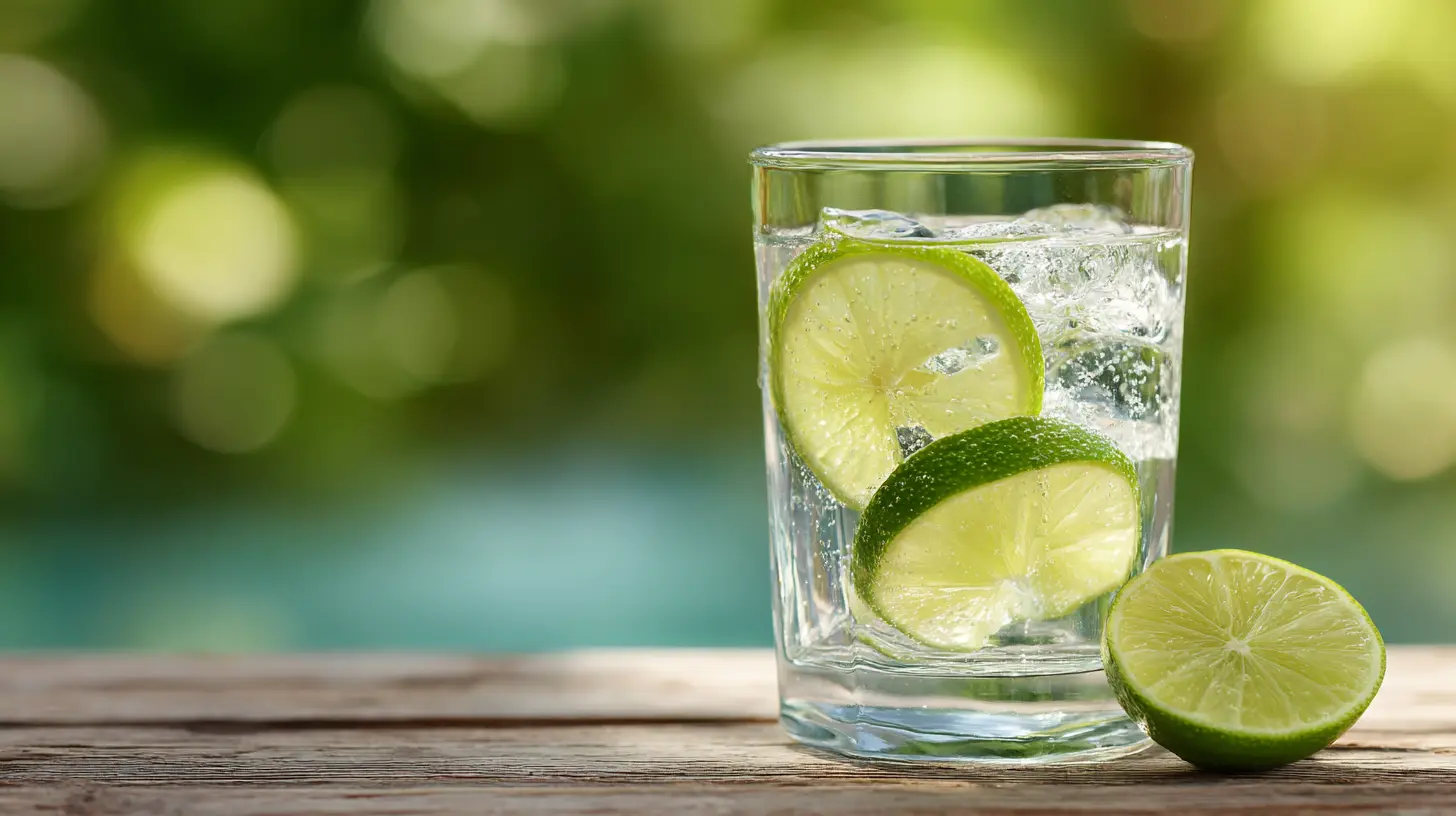
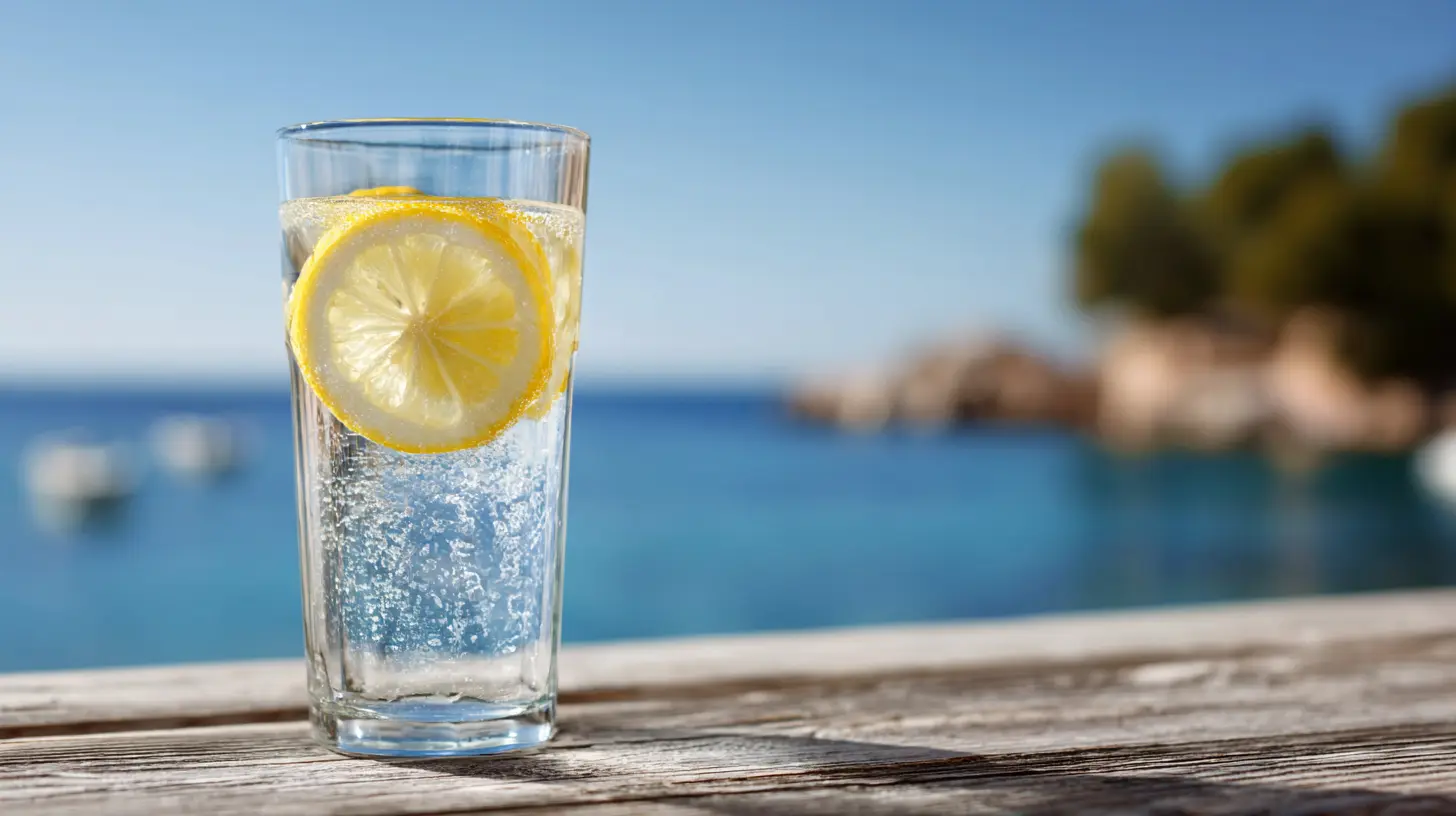
Some people prefer warm water with a squeeze of lemon, especially in the morning. Warm water can be soothing, and the citrus adds a hint of flavor that makes it more appealing than plain water. The key is to experiment. If you find yourself avoiding water because it feels too cold or too plain, try adjusting the temperature. A small change from ice-cold to cool or room temperature can remove the barrier without any extra effort.
Flavor Without the Sugar Trap
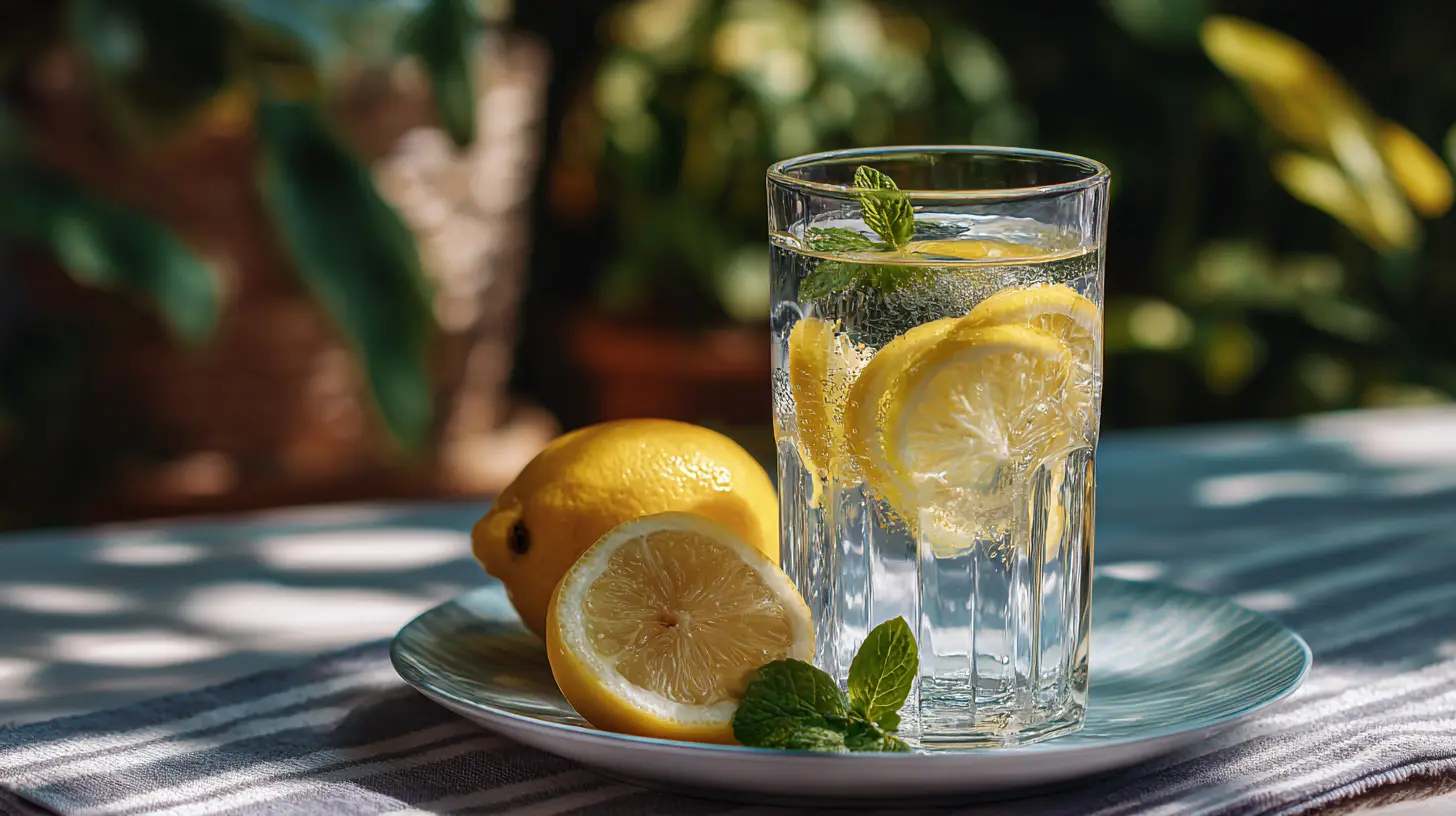
A common misconception is that flavored water is just as good as plain water, or that it is automatically unhealthy. The truth is more nuanced. Commercial flavored waters often contain added sugars, artificial sweeteners, or citric acid that can affect your teeth and your appetite. But making your own flavored water at home is a different story.Infusing water with fruits, herbs, or vegetables adds trace amounts of flavor without significant calories. Cucumber and mint. Strawberry and basil. Orange and rosemary. These combinations do more than taste good. They also provide a sensory experience that makes drinking water feel like a treat rather than a task.
The trick is to prepare the infusion ahead of time. If you have to chop fruit and add it to a pitcher every time you want a glass, you will not do it. Instead, spend five minutes in the evening filling a large pitcher with water and your chosen ingredients. Let it sit in the fridge overnight. By morning, you have a full day of flavorful water ready to go. This is not about gourmet preparation. It is about removing friction.
Another option is to use a splash of unsweetened juice. A tablespoon of cranberry juice or a squeeze of lime can transform plain water into something you actually look forward to. The key is moderation. A splash is enough. You are not making a cocktail. You are just giving your water a hint of personality.
The Glassware Effect
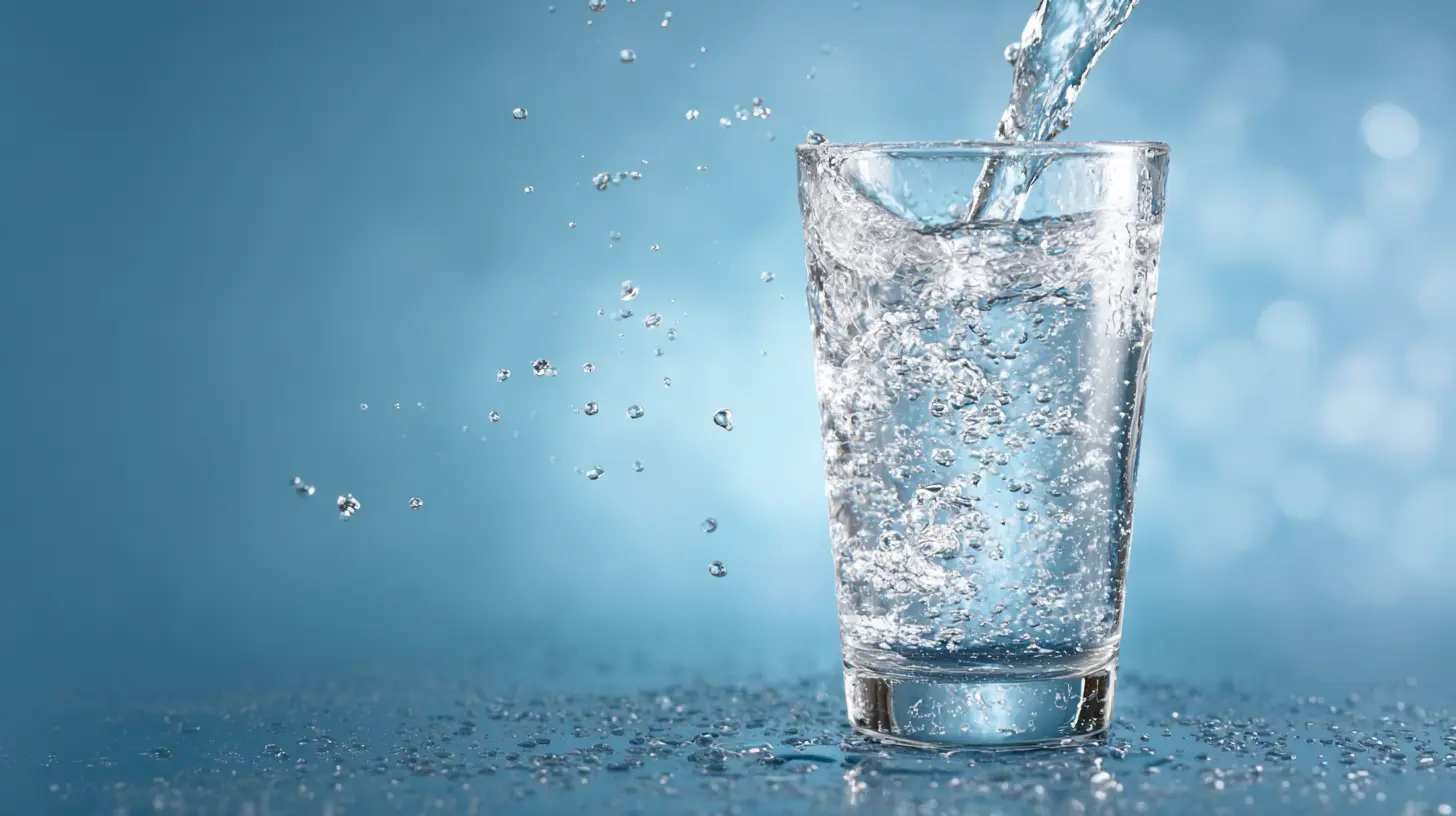
You might not think that the container matters, but it does. The size, shape, and visibility of your drinking vessel all influence how much you consume. This is not about aesthetics. It is about psychology.A tall, narrow glass looks like more liquid than a short, wide glass of the same volume. This is called the elongation effect. When you pour water into a tall glass, your brain estimates a larger amount, which can make you feel satisfied with less. That is not what you want. You want to drink more, not less. So choose a shorter, wider glass. It will look less intimidating, and you will be more likely to fill it and finish it.
The same logic applies to bottles. A large bottle, say one liter, can feel like a burden. You look at it and think, "I have to drink all of this?" That mental math is a deterrent. A smaller bottle, like 500 milliliters, feels more approachable. You finish it, feel a sense of accomplishment, and then fill it again. The act of refilling becomes a mini reward. Over the course of a day, two or three refills are easier to manage than one giant bottle that never seems to empty.
Visibility also matters. If your water is hidden in a cabinet or at the back of the fridge, you will forget about it. Keep a glass on your desk, a bottle on your nightstand, and a pitcher on the kitchen counter. Out of sight is out of mind. In sight is in hand.
Eat Your Water
Hydration does not have to come exclusively from a glass. Many fruits and vegetables have high water content and contribute to your daily fluid intake. This is not a loophole. It is a legitimate strategy that many people overlook.Cucumbers are about 96 percent water. Watermelon is about 92 percent. Strawberries, cantaloupe, and peaches are all above 85 percent. Even vegetables like celery, lettuce, and zucchini are mostly water. Snacking on these foods throughout the day adds to your hydration without requiring you to drink anything.
This approach has a double benefit. You get fluids, and you get fiber, vitamins, and antioxidants. It also helps with satiety. A bowl of watermelon slices is more filling than a glass of water because the fiber slows down digestion. That can help with portion control if you are also watching your weight.
The trade-off is that food-based hydration is slower. Your body digests the food first, so the water is released gradually. That is actually a good thing for sustained hydration. But it is not a substitute for drinking water during or after exercise, when your body needs rapid fluid replacement. Use food as a supplement, not a replacement.
The Morning Routine That Sets the Tone
How you start your day often determines how the rest of the day goes. This is especially true for hydration. After seven or eight hours of sleep, you wake up mildly dehydrated. Your body has been working all night to repair tissues, regulate temperature, and maintain organ function, all while you were not drinking anything.A glass of water first thing in the morning is one of the simplest habits you can build. It does not need to be a large glass. Eight to twelve ounces is enough. The key is to do it before you have coffee or tea. Caffeine is a mild diuretic. If you start your day with coffee on an empty stomach, you are adding a fluid loss on top of an existing deficit.
The reason this works is not magic. It is about timing. Your body is primed to absorb water in the morning because you have been fasting overnight. The water goes straight into your bloodstream and helps restore balance. It also kickstarts your metabolism, not in a dramatic way, but enough to make a difference.
To make this habit stick, prepare the glass the night before. Fill it, cover it, and place it on your nightstand. When you wake up, it is right there. You do not have to think. You just drink. Within a week, it becomes automatic.
Link Water to Existing Habits
Habit stacking is a well-known technique in behavior change. The idea is simple. You take a habit you already have and attach a new habit to it. The existing habit serves as a trigger. The new habit becomes part of the routine.For example, every time you brush your teeth, drink a glass of water. Every time you make your morning coffee, drink a glass of water while it brews. Every time you sit down at your desk, take three sips from your bottle. Every time you wash your hands, drink a few sips. Every time you check your phone after a meeting, take a sip.
The beauty of this approach is that you do not need to remember to drink water. You just need to remember to do the things you already do. The water becomes a side effect of your normal routine. Over time, the association strengthens. You start to feel the connection between the trigger and the action, and the action becomes automatic.
One caution: do not try to stack too many new habits at once. Pick two or three triggers that are reliable and meaningful to you. If you attach water to every single activity in your day, you will feel overwhelmed and likely abandon the whole system. Start small. Add one stack per week until it feels natural.
The Urination Test
It is not pleasant to talk about, but your urine is one of the best indicators of hydration status. The color, frequency, and volume can tell you a lot about whether you are drinking enough.Pale yellow or straw-colored urine generally indicates adequate hydration. Dark yellow or amber suggests you need more fluids. Clear urine can mean you are overhydrated, which is not harmful in most cases but is not necessary either. The goal is pale yellow, not completely clear.
This is a useful feedback mechanism because it is immediate and objective. You do not need to guess. You just look. If your urine is dark in the afternoon, you know you need to drink more. If it is pale, you are on track.
The caveat is that certain foods, supplements, and medications can change urine color. Beets can make it pink. B vitamins can make it bright yellow. If you are taking a multivitamin, your urine may always look darker than expected. Use the urine test as a general guide, not a strict rule.
The Role of Electrolytes
Water is not the only thing your body needs for hydration. Electrolytes, including sodium, potassium, and magnesium, help regulate fluid balance. When you sweat, you lose both water and electrolytes. If you only replace the water, you can dilute your blood sodium levels, which can lead to headaches, fatigue, and in severe cases, hyponatremia.For most people, a normal diet provides enough electrolytes. You do not need to drink sports drinks or electrolyte powders on a regular basis. But there are situations where they matter. If you exercise intensely for more than an hour, if you are in a hot climate, or if you have been sick with vomiting or diarrhea, you may need to replenish electrolytes.
The practical takeaway is to not overcomplicate things. If you are drinking plenty of water and eating a balanced diet, you are likely fine. If you find yourself feeling sluggish despite drinking enough water, consider whether you are getting enough salt and potassium. A pinch of sea salt in your water or a banana with your breakfast can make a difference.
Common Mistakes That Undermine Your Efforts
Many people try to drink more water and fail because they make avoidable errors. Here are the most common ones.The first mistake is drinking too much too quickly. Chugging a liter of water in one go does not hydrate you better. It just makes you feel bloated and sends most of the water to your kidneys for excretion. Your body can only absorb a certain amount of water per hour, roughly 500 to 750 milliliters. Anything beyond that is mostly wasted. Sip steadily throughout the day instead of bingeing.
The second mistake is relying on thirst alone. Thirst is a lagging indicator. By the time you feel thirsty, you are already dehydrated. If you wait until you are parched to drink, you are always playing catch-up. Set yourself up so that water is always within reach, and take sips even when you do not feel thirsty.
The third mistake is ignoring the impact of other beverages. Coffee, tea, and alcohol all affect hydration differently. Caffeine in moderation does not dehydrate you significantly, but it does have a mild diuretic effect. Alcohol is more problematic. It inhibits the release of antidiuretic hormone, which means you lose more fluid than you take in. If you drink alcohol, pair each alcoholic drink with a glass of water. This is not just a hangover cure. It is a hydration strategy.
The fourth mistake is thinking that all fluids count equally. They do count, but not equally. Water is the gold standard. Milk, herbal tea, and fruit juice contribute to hydration. Sugary sodas and energy drinks also contain water, but they come with a load of sugar and caffeine that can offset the benefits. Use them sparingly, if at all.
The Myth of Eight Glasses a Day
You have probably heard the rule about eight glasses of water a day. It is one of the most widely repeated health recommendations, and it is also one of the least supported by evidence. The origin of the "8x8" rule is murky. Some trace it back to a 1945 recommendation from the National Research Council that said adults should consume about 2.5 liters of water per day. But that recommendation included water from food, not just beverages.The reality is that fluid needs vary widely based on age, sex, body size, activity level, climate, and health status. A sedentary office worker in a cool environment needs less than a construction worker in the summer. A pregnant woman needs more than a non-pregnant woman. An athlete needs more than a couch potato.
Instead of chasing a specific number, pay attention to your body. Use the urine test. Monitor your energy levels. Notice if your skin is dry or your lips are chapped. These are better indicators than a fixed number.
That said, if you want a rough guideline, the National Academy of Medicine suggests about 3.7 liters per day for men and 2.7 liters per day for women, including all fluids and food. That translates to roughly 13 cups for men and 9 cups for women. But again, this is a starting point, not a mandate.
When Drinking More Water Is Not the Answer
It is important to recognize that drinking more water is not always beneficial. There are conditions where excess fluid intake can be harmful. People with heart failure, kidney disease, or liver cirrhosis may need to restrict fluids. If you have any of these conditions, talk to your doctor before increasing your water intake.Overhydration, or water intoxication, is rare but real. It happens when you drink so much water that your kidneys cannot excrete it fast enough, leading to a dangerous drop in blood sodium. This is more common in endurance athletes who drink large volumes of water without electrolytes, or in people with certain psychiatric conditions that cause compulsive water drinking.
The lesson is not to fear water. It is to be sensible. Drink when you are thirsty, drink with meals, and drink throughout the day. Do not force yourself to drink beyond comfort. Your body is smarter than any rule.
Making It a Game
If you are the type of person who responds well to challenges, turn hydration into a game. Use a marked water bottle with time-based goals. Fill a bottle in the morning and aim to finish it by noon, then refill and finish by 5 p.m. Use a habit tracker app that sends you gentle reminders and celebrates streaks.The key is to make the game fun, not stressful. If you miss a goal, do not beat yourself up. Just start again the next day. The purpose of the game is to build awareness, not to create another source of anxiety.
Some people find that using a straw helps them drink more. The straw makes each sip smaller, so you drink faster without realizing it. This is a simple trick that works for many people, especially those who struggle with the "effort" of lifting a glass.
The Social Side of Hydration
Drinking water can be a social activity. When you are at a restaurant, order water first, before any other beverage. When you are at a meeting, bring a glass of water to the table. When you are with friends, suggest a water toast instead of an alcohol toast. These small actions normalize drinking water and make it part of your social identity.You can also involve your family or coworkers. Start a hydration challenge at work. Encourage everyone to bring a water bottle to meetings. Share recipes for infused water. The social accountability can be a powerful motivator, not because you want to impress others, but because it makes the behavior feel normal and expected.
The Long-Term Perspective
Building a hydration habit is not about perfection. It is about consistency. Some days you will drink more, some days less. Some days you will forget, and that is okay. The goal is to create a general pattern that supports your health over months and years, not to hit a perfect score every single day.Think of hydration as a foundation. When you are well hydrated, your energy is steadier, your focus is sharper, your digestion is smoother, and your skin looks better. You are less likely to overeat because thirst is often mistaken for hunger. You are less likely to get headaches. You recover faster from exercise. These benefits compound over time.
The strategies in this article are not complicated. They are small, practical adjustments that fit into your existing life. A glass on the nightstand. A pitcher in the fridge. A splash of lemon. A straw. A habit stack. None of these require heroic effort. They just require a little thought and a little preparation.
The next time you feel that afternoon slump, before you reach for coffee, try a glass of water first. Wait ten minutes. See how you feel. You might be surprised at how often the slump was just dehydration in disguise.
Drinking more water does not have to be a chore. It can be a quiet, steady act of self-care that you barely notice. And that is exactly how lasting habits are built. Not through force, but through design.
all images in this post were generated using AI tools
Category:
Hydration TipsAuthor:

Sophia Wyatt
Discussion
rate this article
1 comments
Monica McPherson
I love these tips! I'm curious, though... what are some creative ways you've found to make drinking water more enjoyable? Any personal favorites or tricks to share?
September 13, 2026 at 4:12 AM
Sophia Wyatt
Thanks for the love! I like adding slices of fresh fruit or herbs like mint to my water for a refreshing twist. Sometimes, I use a fun straw or even infuse with sparkling water for a little fizz. It makes staying hydrated feel more like a treat!