Impact of Antibiotics on Gut Health and How to Rebuild
27 February 2026
Antibiotics have been a game-changer in modern medicine, helping us fight infections that once would have been deadly. But while they protect us from harmful bacteria, they often wreak havoc on our gut health. If you've ever taken antibiotics and experienced digestive issues afterward, you're not alone.
So, what exactly do antibiotics do to your gut, and how can you restore balance? Let’s dive into the impact of antibiotics on gut health and the best ways to rebuild your gut microbiome.
How Antibiotics Affect Gut Health
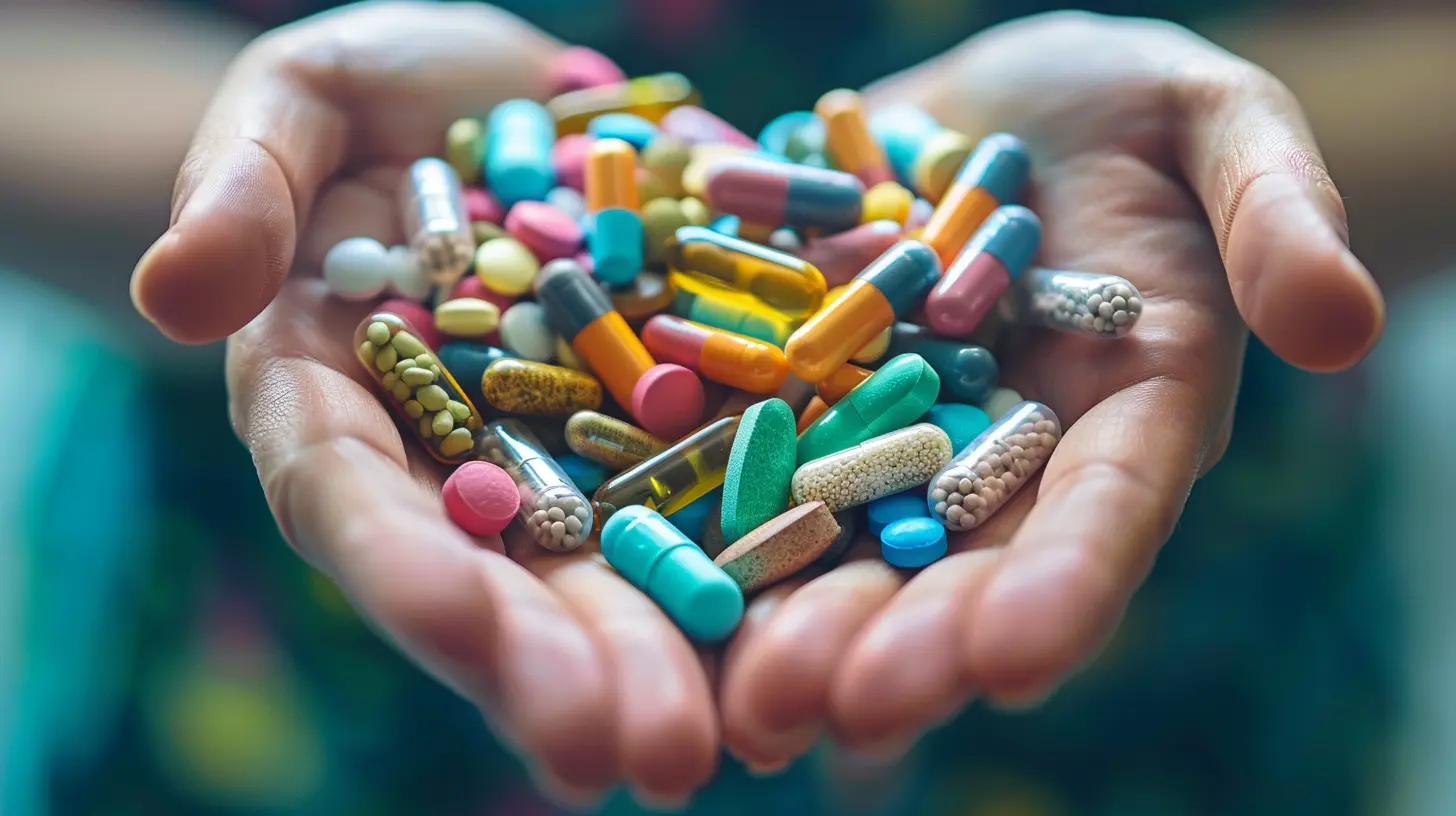
Your gut is home to trillions of bacteria—both good and bad. This delicate ecosystem, known as the gut microbiome, plays a crucial role in digestion, immune function, and even mental health. But antibiotics don’t discriminate. They kill both harmful and beneficial bacteria, throwing off the natural balance in your gut.1. Disrupting the Gut Microbiome
Think of your gut like a thriving forest. The good bacteria are the lush trees and plants, while harmful bacteria are the weeds. Antibiotics are like a wildfire that burns everything down, eliminating both the good and the bad. This sudden imbalance can lead to digestive discomfort, bloating, diarrhea, and even long-term health issues.2. Overgrowth of Harmful Bacteria
Once the good bacteria are wiped out, harmful bacteria like Clostridium difficile (C. diff) can take over. This can result in serious digestive problems, including infections and inflammation.3. Weakening the Immune System
About 70% of your immune system is located in your gut. When antibiotics disturb the gut flora, your immune defenses can weaken, making you more susceptible to illnesses, allergies, and even autoimmune diseases.4. Increased Risk of Digestive Issues
It’s not uncommon to experience side effects like bloating, diarrhea, or constipation after taking antibiotics. These medications can temporarily impair digestion and nutrient absorption, leading to deficiencies and discomfort.5. Possible Long-Term Effects
While a single course of antibiotics might cause temporary disruption, repeated use can have lasting effects. Studies suggest that frequent antibiotic use may contribute to obesity, diabetes, and even mental health conditions like depression and anxiety.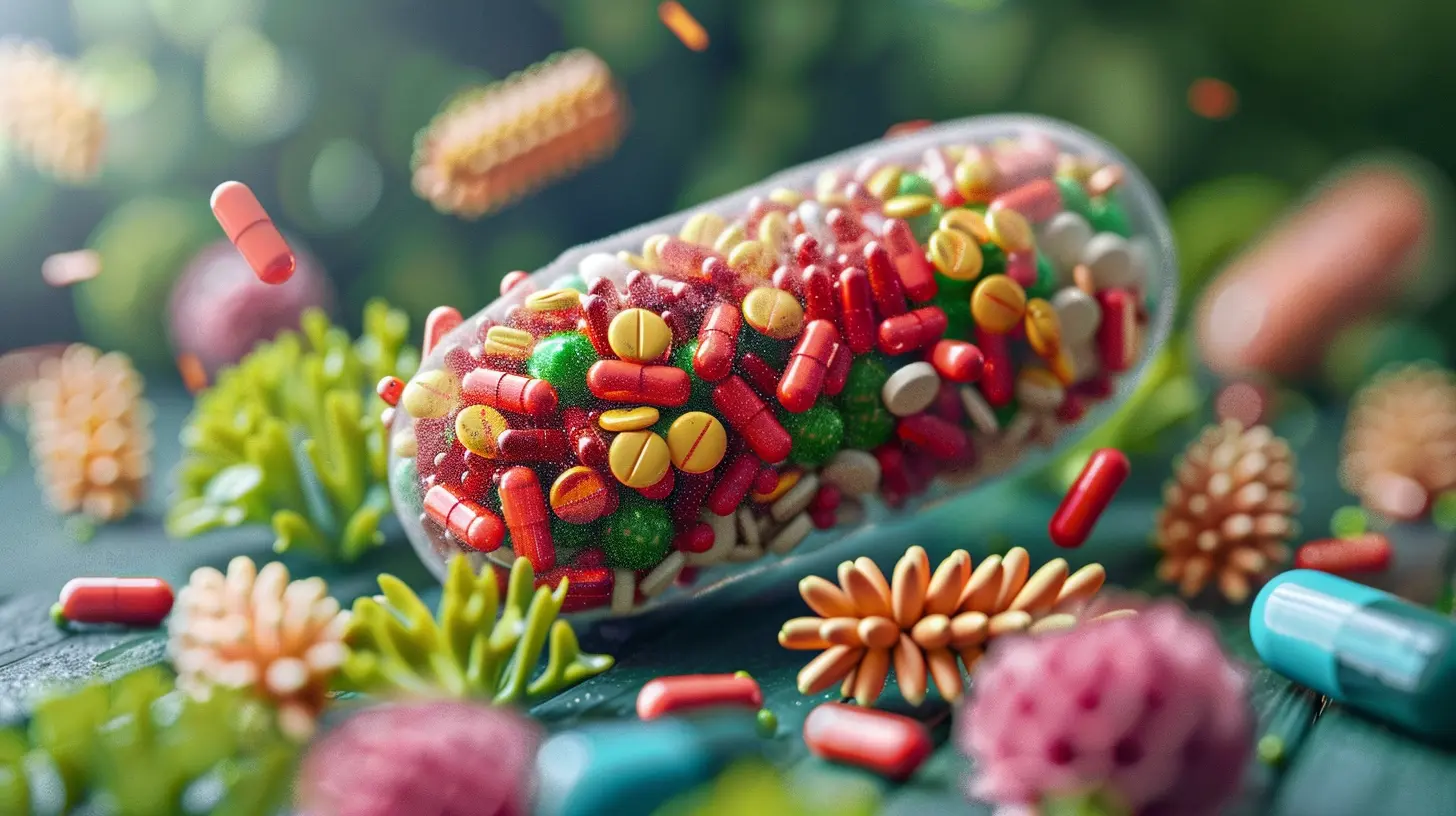
How to Rebuild Gut Health After Antibiotics
The good news? Your gut has the ability to heal and restore balance—but it needs a little help. Here’s how you can support your gut microbiome after a round of antibiotics.1. Take Probiotics
Probiotics are beneficial bacteria that can help replenish what was lost. Look for high-quality probiotic supplements containing strains like Lactobacillus and Bifidobacterium. You can also get probiotics through fermented foods like:- Yogurt
- Kefir
- Sauerkraut
- Kimchi
- Miso
- Kombucha
Taking probiotics during and after antibiotic treatment may help prevent digestive issues and restore gut balance faster.
2. Eat Prebiotic-Rich Foods
Probiotics are only as good as the food they eat. Prebiotics are a type of fiber that feeds good bacteria, helping them grow and thrive. Some great prebiotic-rich foods include:- Garlic
- Onions
- Leeks
- Asparagus
- Bananas
- Oats
- Apples
Adding these foods to your diet provides the fuel your gut bacteria need to repopulate.
3. Avoid Processed Foods and Sugar
Sugar and processed foods promote the growth of harmful bacteria and yeast, making it harder for your gut to recover. Cutting back on sugary snacks, sodas, and processed foods can speed up the healing process.Instead, focus on whole, nutrient-dense foods like vegetables, lean proteins, healthy fats, and whole grains.
4. Stay Hydrated
Drinking plenty of water helps flush out toxins and supports digestion. Aim for at least 8 glasses of water a day, and consider herbal teas like ginger or chamomile for added gut-soothing benefits.5. Get Enough Fiber
Fiber is essential for gut health, acting like a broom that sweeps unwanted waste while feeding beneficial bacteria. Some fiber-rich foods to include are:- Beans
- Lentils
- Berries
- Chia seeds
- Flaxseeds
- Whole grains
6. Manage Stress
Stress doesn’t just affect your mood—it impacts your gut, too. High stress levels can slow digestion and alter gut bacteria. Try stress-reducing activities such as:- Yoga
- Meditation
- Deep breathing exercises
- Spending time outdoors
- Engaging in hobbies you enjoy
7. Get Enough Sleep
Your gut and brain are closely connected, and sleep plays a crucial role in gut healing. Poor sleep can disrupt gut bacteria, leading to digestive problems. Aim for 7-9 hours of quality sleep each night to support recovery.8. Limit Antibiotic Use When Possible
While antibiotics are sometimes necessary, overuse can cause long-term gut imbalances. Only take them when prescribed by a doctor, and avoid using them for minor illnesses that don’t require antibiotics, like viral infections.9. Consider Postbiotics
Postbiotics are the beneficial byproducts of probiotic activity. They help regulate inflammation, improve digestion, and support a healthy gut barrier. Fermented foods naturally contain postbiotics, making them a great addition to your diet.
How Long Does It Take to Restore Gut Health?
Recovery time depends on various factors, including diet, lifestyle, and overall health. Some people feel better within a few weeks, while others may need a few months to restore gut balance fully. Being consistent with healthy habits can speed up the process.
Final Thoughts
Antibiotics are essential for fighting infections, but they can take a toll on gut health. The key is to take proactive steps to replenish good bacteria and restore balance. By incorporating probiotics, eating nutrient-rich foods, staying hydrated, managing stress, and getting enough sleep, you can help your gut recover faster.Your gut is like a garden—when you nourish it with the right foods and care, it will flourish and function at its best. So, the next time you need antibiotics, remember to support your gut health along the way!
all images in this post were generated using AI tools
Category:
Bowel HealthAuthor:

Sophia Wyatt
Discussion
rate this article
2 comments
Quade Cummings
Great insights, thank you!
March 17, 2026 at 5:08 AM
Sophia Wyatt
Thank you for reading! I'm glad you found it helpful.
Luma Bellamy
Great article! It’s crucial to understand antibiotics' effects on gut health and the importance of probiotics and a balanced diet for recovery. Thank you!
February 28, 2026 at 6:02 AM
Sophia Wyatt
Thank you for your kind words! I'm glad you found the article helpful. Addressing gut health is so important, and I appreciate your insights on probiotics and diet.