Hydration on the Go: Tips for Busy Lifestyles
24 September 2026
Your body is roughly 60 percent water, and every cell, tissue, and organ depends on it to function. Yet hydration is one of the first things to slip when your schedule tightens. Meetings run long, commutes stretch, workouts get squeezed between other obligations, and suddenly it is 4 p.m. and you have had half a glass of water since breakfast.
The challenge is not that people do not know water matters. The challenge is that staying hydrated requires planning, and planning requires time that busy people often do not have. This article is about closing that gap. It covers what hydration actually does, how much you really need, and, most importantly, practical strategies that fit into real, demanding days.
Why Hydration Deserves Your Attention
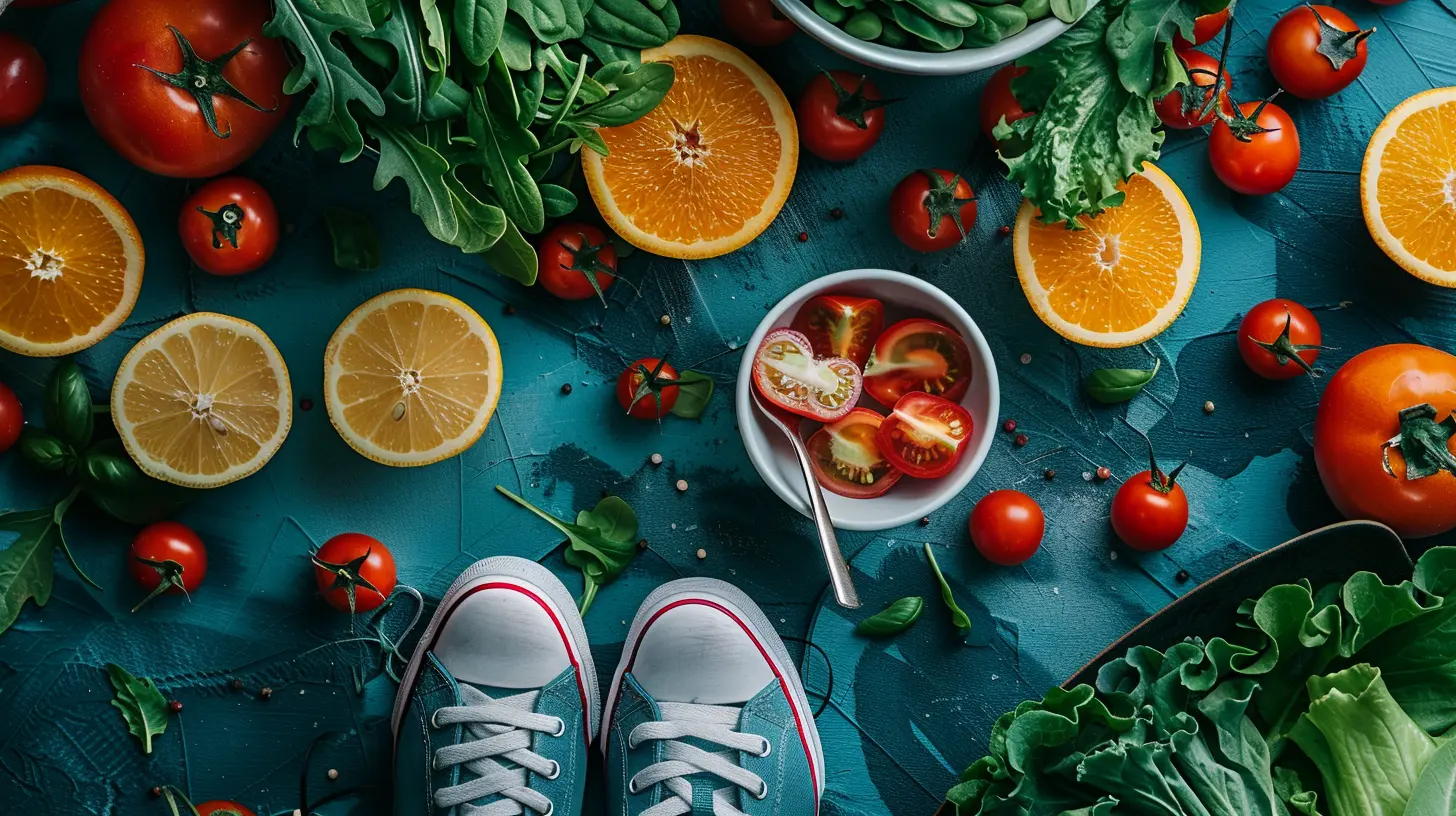
Water performs functions that no other nutrient can replicate. It regulates body temperature through sweat and respiration. It lubricates joints and cushions organs. It transports nutrients into cells and carries waste products out. It supports digestion, keeps blood volume stable, and helps the kidneys filter waste efficiently.When you fall behind on fluids, the effects are not always dramatic. Mild dehydration, often defined as a loss of roughly 1 to 2 percent of body weight in fluid, can show up as fatigue, headaches, difficulty concentrating, and reduced physical performance. These symptoms are easy to blame on stress, poor sleep, or a heavy workload. That is part of the problem. Many people walk around mildly dehydrated without realizing it, attributing the consequences to everything except the actual cause.
Chronic underhydration, sustained over weeks and months, may contribute to kidney stones, urinary tract infections, constipation, and other issues. The evidence for some of these links is stronger than for others, but the general pattern is consistent: your body functions better when fluid intake is adequate.
How Much Water Do You Actually Need?
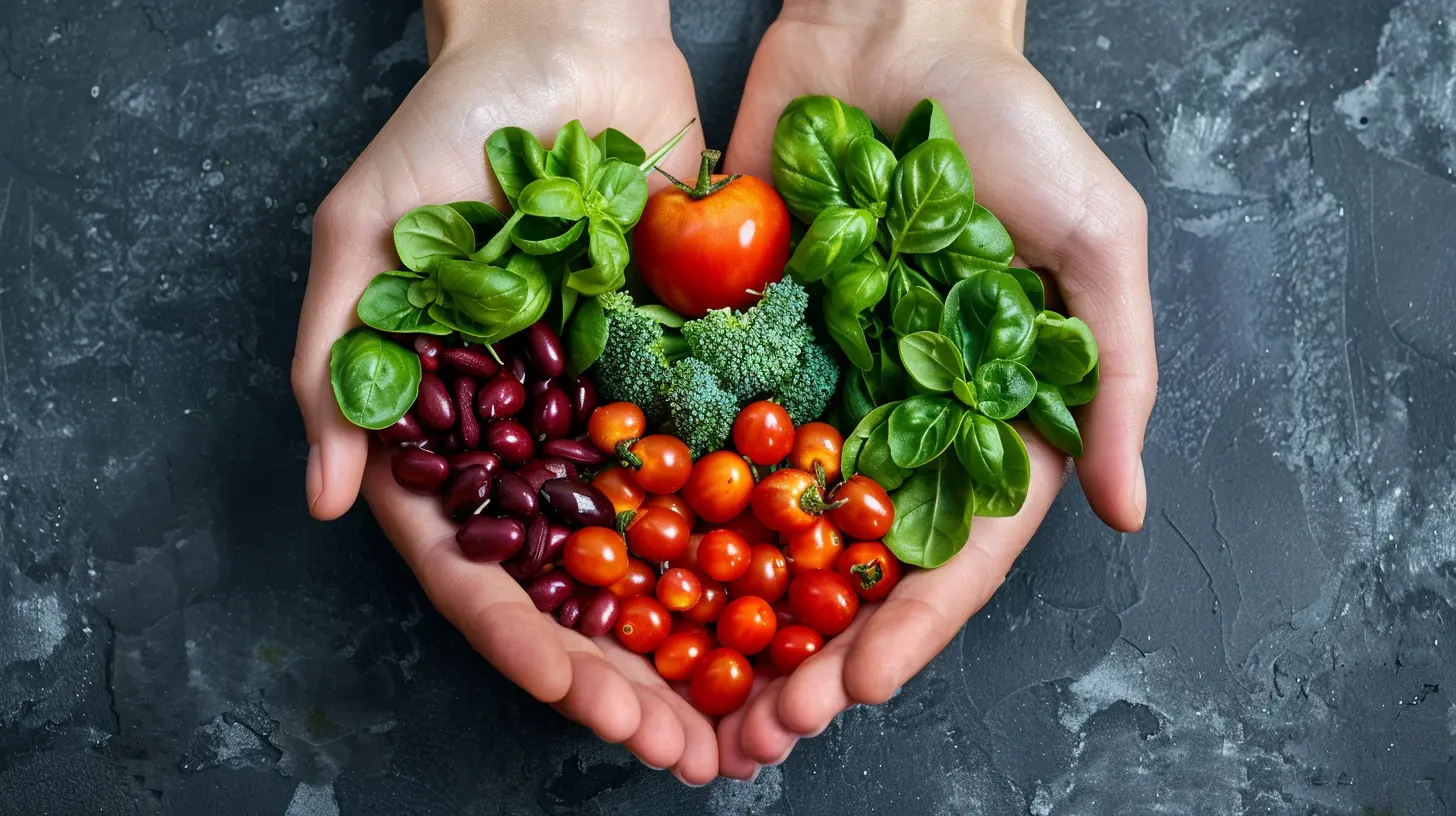
The familiar advice to drink eight glasses of water a day is a useful starting point, not a rule. Fluid needs vary widely based on body size, activity level, climate, diet, medications, and health conditions.A commonly cited general guideline from health authorities is roughly 2.7 liters (about 91 ounces) of total fluids per day for adult women and 3.7 liters (about 125 ounces) for adult men. The key word is total. This includes water from food, coffee, tea, soups, and other beverages, not just plain water. Somewhere around 20 percent of typical fluid intake comes from food, especially fruits and vegetables.
Factors That Change Your Needs
- Exercise: You lose fluid through sweat, and the loss increases with intensity, duration, and heat. An hour of vigorous exercise in warm conditions can cost you a liter or more.- Climate: Hot and humid weather increases sweating. Cold weather matters too, because you lose fluid through respiration and often do not feel thirsty.
- Altitude: At high elevations, breathing rate increases and air is drier, which raises fluid loss.
- Pregnancy and breastfeeding: Fluid needs rise substantially, particularly during lactation.
- Illness: Fever, vomiting, and diarrhea all increase fluid loss and require deliberate replacement.
- Medications: Diuretics, some blood pressure drugs, and certain psychiatric medications affect fluid balance. Ask your clinician if yours do.
- Diet: High sodium intake increases fluid needs. A diet rich in fruits, vegetables, and soups contributes more water than a diet of processed foods.
A Practical Self-Check
Instead of counting ounces obsessively, use two simple indicators.First, thirst. It is a reliable signal for most healthy adults, though it lags behind actual need during intense exercise or in older adults, whose thirst response tends to be blunted.
Second, urine color. Pale yellow, similar to lemonade, generally suggests adequate hydration. Dark amber suggests you need to drink. Completely clear urine over many hours may mean you are drinking more than you need, which is rarely dangerous for healthy people but is unnecessary.
The Real Obstacles for Busy People
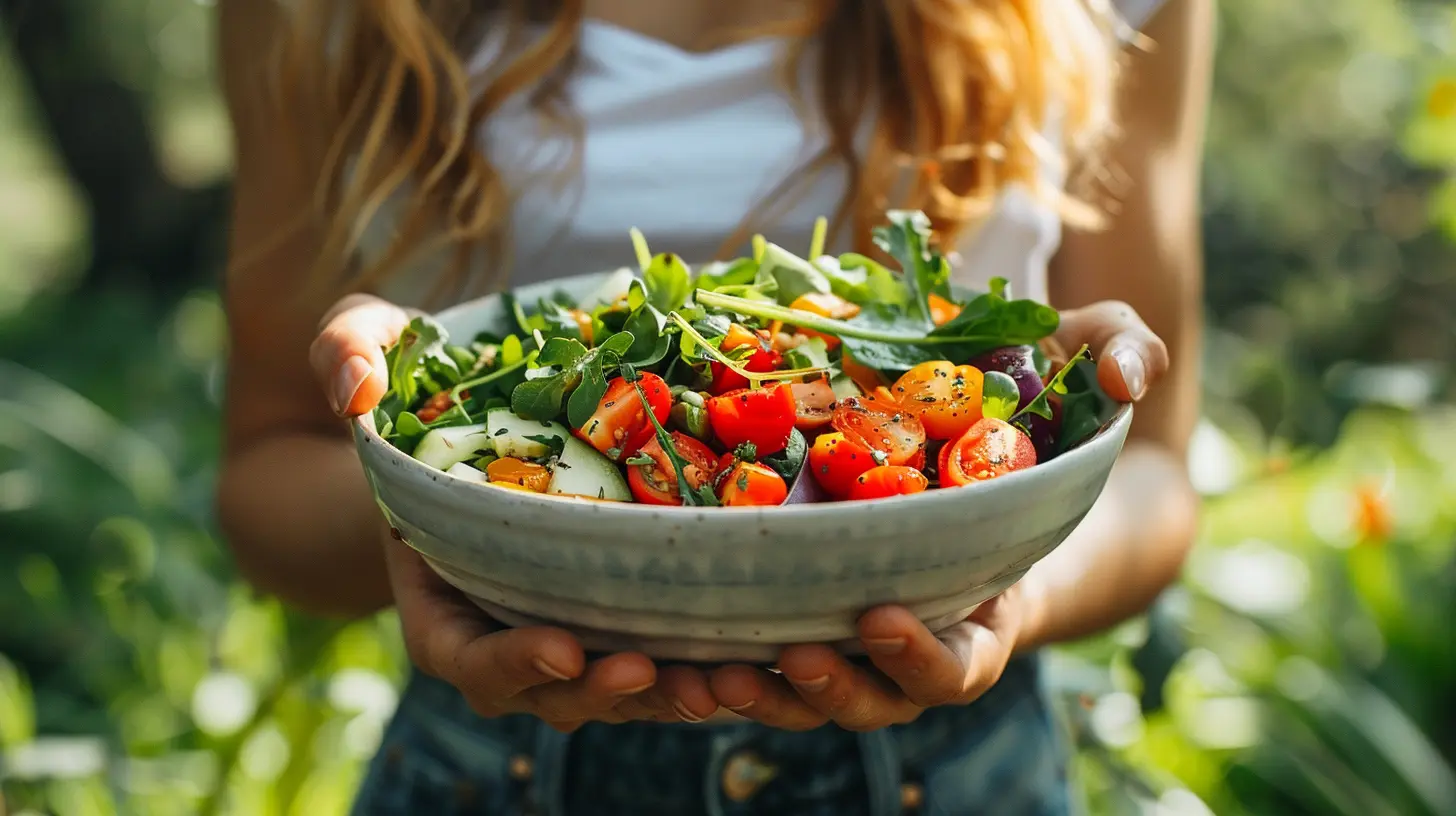
Understanding hydration is easy. Doing it consistently is where things fall apart. The obstacles tend to fall into a few categories.Access. If water is not within arm's reach, you will drink less. This sounds trivial, but it is one of the strongest predictors of daily intake.
Forgetting. Busy people do not forget to breathe, but they forget to drink because hydration is not tied to a strong involuntary cue. It has to become a habit or a scheduled behavior.
Disruption of routine. Travel, back-to-back meetings, and irregular work hours break the loose patterns that keep hydration on track.
Misplaced concerns. Some people avoid drinking because they do not want frequent bathroom breaks during meetings, commutes, or long shifts. Others worry that drinking water with meals interferes with digestion, which is not supported by evidence for healthy adults.
Boredom. Plain water can feel monotonous, especially if you are drinking several liters a day.
Each obstacle has practical solutions, and most of them are simpler than people expect.
Strategies That Work in Real Life
Keep Water Visible and Within Reach
The single most effective change most people can make is to place water where they will see it. A bottle on the desk, a glass by the kitchen sink, a container in the car cup holder. Visual cues trigger the behavior without requiring willpower.Refillable bottles with time markings can help some people, though the evidence for their effectiveness is mostly anecdotal. If markings motivate you, use them. If they feel like a chore, skip them.
Anchor Hydration to Existing Habits
Habit stacking, a concept popularized in behavioral science, works well for hydration. Attach drinking water to things you already do reliably.- Drink a glass when you wake up.
- Drink a glass before each meal.
- Drink when you take a medication.
- Drink when you start your car or board your train.
- Drink when you finish a meeting.
Each anchor turns an intention into an automatic behavior. Over a few weeks, the association strengthens and requires less conscious effort.
Use Meals as Hydration Opportunities
Meals are natural hydration events. A glass of water with breakfast, lunch, and dinner adds roughly 24 ounces without any extra planning. Add a bowl of soup or a serving of watermelon, cucumber, or oranges, and the total climbs further.If you drink coffee or tea, count it. The old idea that caffeinated drinks dehydrate you has been largely revised. Moderate caffeine consumption contributes to daily fluid intake, though it may have a mild diuretic effect. For most people, the net effect is still positive hydration.
Set Gentle Reminders
Phone alarms, smartwatch alerts, and hydration apps can prompt you to drink. They work best when used sparingly. An alarm every hour becomes noise and gets dismissed. Two or three reminders at strategic times, such as mid-morning and mid-afternoon, tend to be more effective.Make It Palatable
If plain water bores you, several options exist.- Infused water: Add lemon, lime, cucumber, mint, or berries to a pitcher. The flavor is subtle but enough to make drinking more appealing.
- Sparkling water: Carbonation adds texture without sugar or calories.
- Herbal tea: Hot or iced, herbal teas count toward fluid intake and offer variety.
- Broth: A cup of low-sodium broth is hydrating and satisfying, especially in cold weather.
- Milk and plant milks: These are roughly 85 to 90 percent water and provide protein and electrolytes.
What to avoid, or at least limit, are sugary sodas, sweetened juices, and energy drinks. They contribute fluid but also deliver large amounts of sugar and, in some cases, caffeine levels that can cause jitteriness and sleep disruption.
Eat Your Water
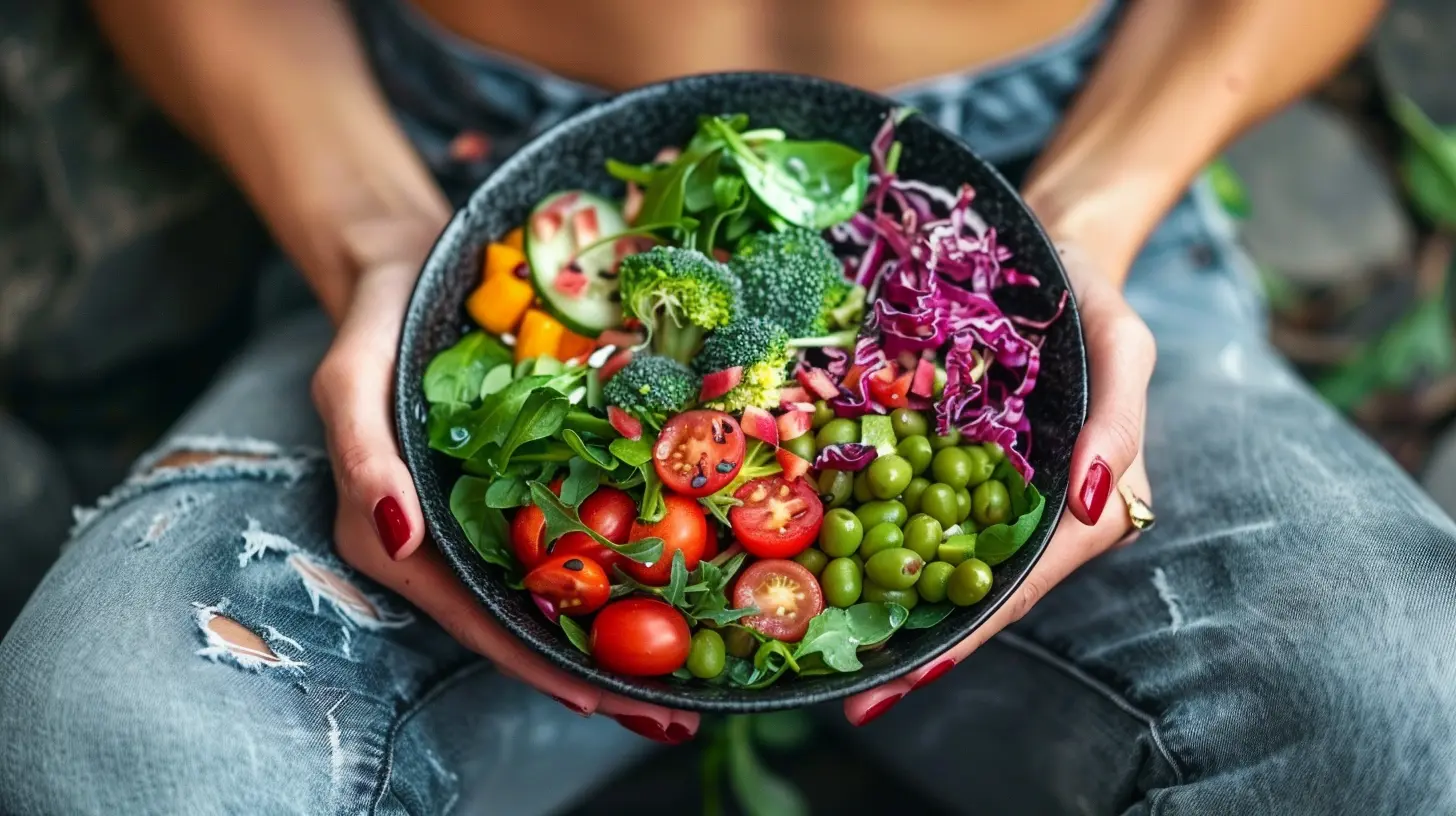
Roughly one-fifth of typical fluid intake comes from food. Fruits and vegetables with high water content include:- Cucumber (about 96 percent water)
- Lettuce and celery (about 95 percent)
- Tomatoes (about 94 percent)
- Watermelon and strawberries (about 92 percent)
- Oranges and grapefruit (about 88 percent)
- Yogurt and cottage cheese (about 80 percent)
Building meals around these foods supports hydration without requiring you to drink more.
Hydration for Exercise and Physical Work
When you sweat, you lose both water and electrolytes, primarily sodium. For sessions under about an hour at moderate intensity, plain water is usually sufficient. For longer or more intense efforts, especially in heat, electrolyte replacement becomes more relevant.Before, During, and After
- Before: Drink roughly 16 to 20 ounces in the two to three hours before exercise. This gives your body time to absorb the fluid and excrete the excess.- During: Aim for about 7 to 10 ounces every 10 to 20 minutes during prolonged activity. If you are exercising for more than an hour in the heat, consider a drink with sodium and carbohydrates.
- After: Replace roughly 16 to 24 ounces for every pound lost during exercise. Weighing yourself before and after a workout is one of the most accurate ways to gauge fluid loss.
Sports Drinks: When They Help and When They Do Not
Sports drinks are formulated to replace water, sodium, and carbohydrates. They are useful for endurance athletes, people doing high-intensity interval training for over an hour, and anyone exercising in hot conditions for extended periods.For a 30-minute walk or a moderate gym session, they are unnecessary and often just add sugar and calories. Water is enough.
Hyponatremia: The Rare but Serious Risk of Drinking Too Much
Drinking excessive water without replacing sodium can dilute the sodium in your blood, a condition called hyponatremia. It is rare in everyday life but occurs in endurance events, particularly when athletes drink large volumes of plain water over several hours. Symptoms include nausea, headache, confusion, and in severe cases, seizures. The takeaway is not to fear water but to balance fluid with electrolytes during prolonged sweating.
Hydration at Work and During Travel
At the Office
Desk workers face a specific challenge: low physical activity, air-conditioned or heated environments that dry the air, and long stretches of focused work that suppress awareness of thirst.- Keep a 24- to 32-ounce bottle on your desk and aim to finish it by lunch and again by the end of the day.
- Use meetings as hydration checkpoints. Drink before you enter the room.
- Choose water over soda at lunch. The habit compounds.
- If bathroom breaks feel disruptive, remember that they are a normal physiological need, not a productivity failure. Suppressing them to avoid interruptions is a poor trade.
During Commutes
- Carry a bottle in your bag or car.- Drink during red lights or train rides.
- Avoid large amounts right before a long drive without rest stops.
While Traveling
Air travel is dehydrating because cabin air is very dry and humidity is low. Alcohol and caffeine, common on flights, can worsen the effect.- Drink water before, during, and after flights.
- Bring an empty bottle through security and fill it at a water station.
- Skip or limit alcohol on long flights.
- Set a reminder to drink every hour or two on long-haul trips.
Jet lag and travel fatigue can be aggravated by dehydration, so treating hydration as part of your travel plan is worthwhile.
Common Myths and Misconceptions
Myth: You must drink eight glasses of water a day. There is no universal number. Needs vary. The eight-glass figure is a rough convenience, not a scientific standard.Myth: Coffee dehydrates you. Moderate coffee intake contributes to daily fluid needs. The diuretic effect is mild and does not outweigh the fluid consumed.
Myth: Clear urine is the goal. Pale yellow is the target. Consistently clear urine may indicate overhydration.
Myth: If you are thirsty, you are already dangerously dehydrated. Thirst is a normal signal that appears before serious dehydration in most healthy adults. It is a cue to drink, not a sign of crisis.
Myth: Drinking water with meals harms digestion. For healthy adults, water with meals supports digestion and does not dilute stomach acid enough to matter.
Myth: You need sports drinks to stay hydrated during exercise. For most recreational activity under an hour, water is sufficient.
Special Considerations
Older Adults
Thirst sensitivity declines with age, and kidney function changes. Older adults may need to drink on a schedule rather than relying on thirst. Certain medications, including diuretics, increase fluid loss.Children
Children have higher fluid needs relative to body weight and may not recognize thirst during play. Offering water regularly, especially during sports and hot weather, is important. Sugary drinks should be limited.Pregnant and Breastfeeding Women
Fluid needs rise during pregnancy and especially during lactation. Breastfeeding women may need an additional 16 to 32 ounces per day. Drinking a glass of water each time you nurse is a practical anchor.People with Kidney or Heart Conditions
Fluid restrictions are sometimes medically necessary. If you have heart failure, advanced kidney disease, or another condition affecting fluid balance, follow your clinician's guidance rather than general recommendations.Building a Hydration Routine That Lasts
A routine that lasts is one that fits your life rather than fighting it. Consider these principles.Start small. Add one glass at a consistent time. When that becomes automatic, add another.
Design your environment. Put water where you will see it. Remove sugary drinks from easy reach.
Use technology sparingly. A reminder or two helps. Constant alerts become background noise.
Track loosely. You do not need to log every ounce. A quick glance at urine color is enough for most people.
Adjust seasonally. Summer heat and winter dryness both change your needs.
Do not aim for perfection. Some days you will drink more, some less. The goal is a consistent pattern over weeks, not a perfect score every day.
A Sample Day of Hydration
Here is one way a busy person might structure fluid intake. Adjust amounts to your body size, activity, and climate.- On waking: 12 to 16 ounces of water.
- Breakfast: 8 ounces with a meal that includes fruit or yogurt.
- Mid-morning: 8 to 12 ounces, anchored to a break or meeting transition.
- Lunch: 8 to 12 ounces plus water-rich foods.
- Early afternoon: 8 to 12 ounces, especially if you feel sluggish.
- Pre-workout or late afternoon: 12 to 16 ounces.
- Dinner: 8 ounces.
- Evening: Small sips as needed. Limit large volumes close to bedtime if nighttime waking is an issue.
This adds up to roughly 70 to 90 ounces from drinks alone, before counting food. For many adults, that lands in a reasonable range. Athletes, people in hot climates, and those with higher body weights may need more.
Practical Takeaways
Hydration does not require a complicated system. It requires a few deliberate choices repeated until they become automatic. Keep water visible. Anchor drinking to existing habits. Eat water-rich foods. Adjust for exercise, heat, travel, and life stage. Pay attention to thirst and urine color. And treat hydration as a basic maintenance task, not an optional upgrade.The payoff is not dramatic in any single moment. It shows up as steadier energy, clearer thinking, better physical performance, and fewer of the nagging symptoms that busy people often attribute to stress or lack of sleep. In a schedule that feels full, hydration is one of the few levers that is cheap, fast, and reliably effective.
all images in this post were generated using AI tools
Category:
Hydration TipsAuthor:

Sophia Wyatt
Discussion
rate this article
1 comments
Faelith Barker
Stay hydrated, think ahead.
September 24, 2026 at 3:12 AM