How Your Posture Affects Digestion and Bowel Movements
1 August 2026
Introduction
Did you know that the way you sit and stand could be affecting your digestion? Most of us were told to sit up straight as kids, but few of us realized poor posture doesn’t just cause back pain—it also messes with our gut health.
Good posture is about more than just looking confident. It plays a crucial role in how your digestive system functions. Slouching, hunching over, or sitting incorrectly for long periods can slow digestion, cause bloating, and even lead to constipation.
In this article, we’ll dive into how posture affects digestion and bowel movements, and how you can improve yours for a healthier gut.
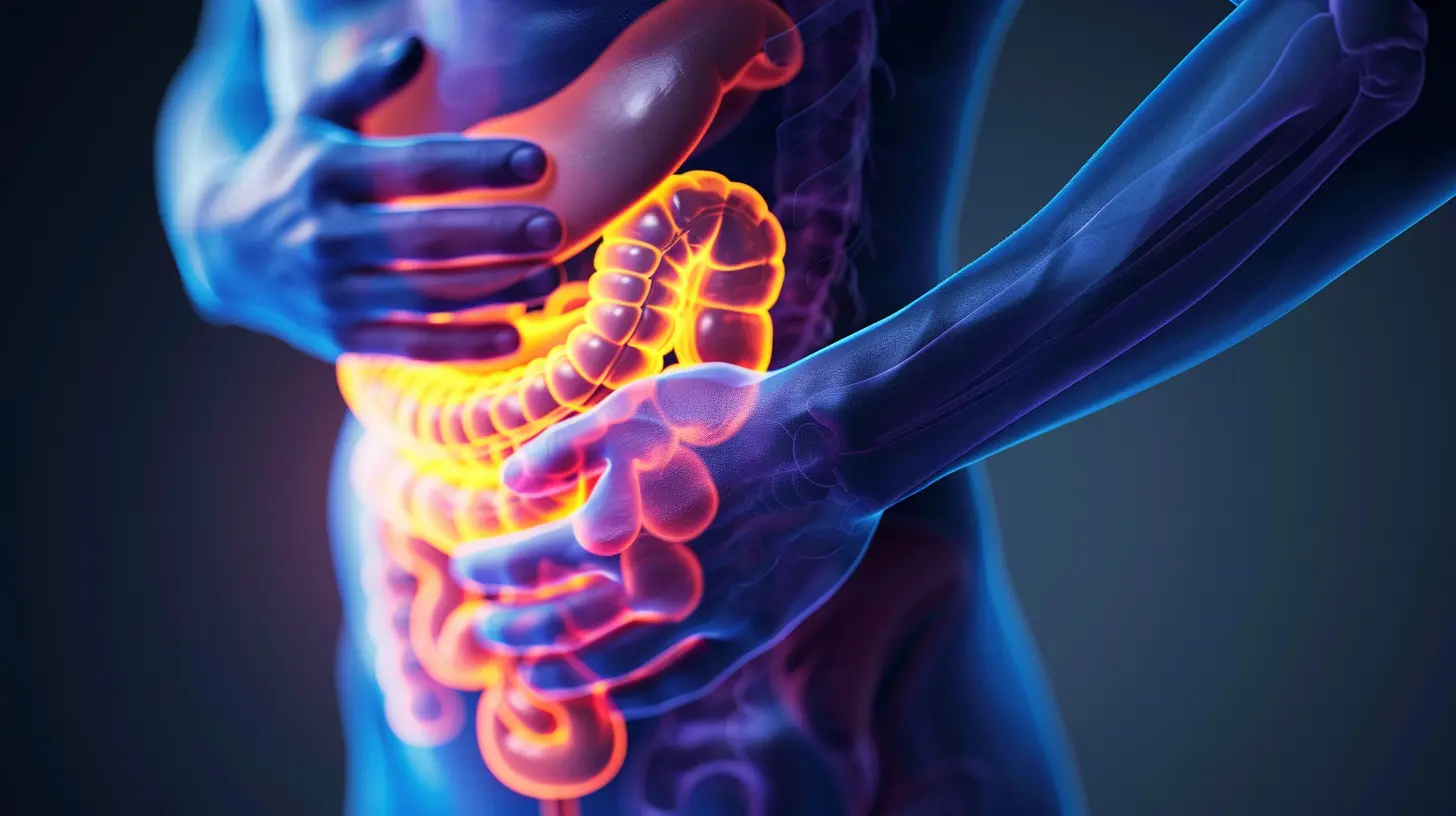
How Posture and Digestion Are Connected
Your digestive system is like a well-oiled machine, and just like any machine, it works best when everything is aligned. Poor posture can compress your stomach and intestines, making it harder for food to move smoothly through your system.When you slouch, you put pressure on your abdominal organs, restricting blood flow and slowing down digestion. Over time, this can lead to problems like acid reflux, bloating, and constipation.
Let’s break it down further and look at how different postures impact your gut.
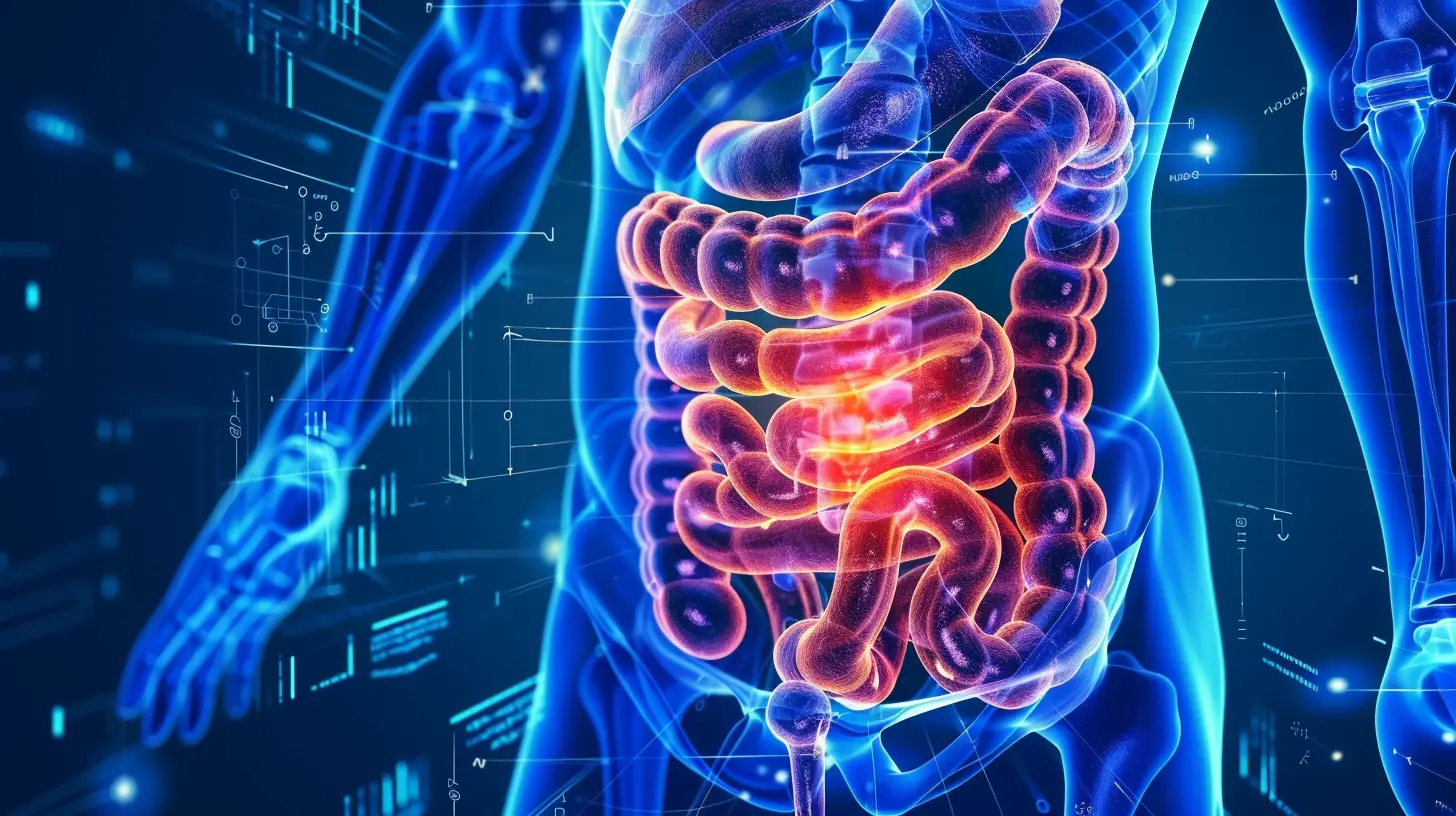
Sitting Posture and Digestion
Most of us spend hours sitting—at work, in the car, or on the couch. But did you ever stop to think about how your sitting posture affects digestion?Slouching While Sitting
Slouching is one of the biggest culprits of digestive issues. When you slump forward, you compress your stomach, making it harder for your digestive organs to do their job. This can slow down digestion and lead to problems like:- Acid reflux: A hunched position can push stomach acid back up into your esophagus, causing heartburn.
- Slower digestion: Compressing your stomach slows down the movement of food through your intestines.
- Increased bloating and discomfort: Tightened abdominal muscles can make it harder for gas to escape, leaving you feeling bloated.
Sitting Upright With Good Posture
Sitting with a straight but relaxed back helps your digestive organs work more efficiently. Proper posture allows your stomach and intestines to function without unnecessary pressure, reducing bloating and improving digestion.Here’s how to sit properly:
- Keep your back straight with shoulders relaxed.
- Place both feet flat on the floor.
- Avoid crossing your legs for long periods.
- Use a small pillow or cushion to support your lower back if needed.

Standing Posture and Digestion
Standing posture also plays a key role in digestion. Poor posture, such as leaning too far forward or back, can throw off your body’s natural alignment, impacting how food moves through your system.Hunching Over While Standing
If you frequently stand with a forward-leaning posture—like when looking at your phone—you might be putting unnecessary strain on your digestive system. A forward head posture can compress your intestines, making it harder for waste to move through your bowels.Standing Tall With Proper Posture
Standing straight with your shoulders back improves digestion by creating more space for your abdominal organs to function properly. To maintain a good standing posture:- Keep your shoulders relaxed and slightly back.
- Distribute your weight evenly between both feet.
- Engage your core muscles to support your spine.
- Avoid locking your knees.

How Posture Affects Bowel Movements
Ever struggled with constipation or irregular bowel movements? Your posture could be to blame. Sitting in the wrong position on the toilet can make it harder for your body to eliminate waste efficiently.The Best Pooping Position
Believe it or not, the way you sit on the toilet matters. The modern sitting toilet isn’t ideal for bowel movements because it doesn’t allow the rectum to fully open. When you sit at a 90-degree angle, you actually make it harder to pass stool.The best position? The squat position. Squatting straightens the rectum and relaxes the pelvic muscles, making it easier to go. You don’t have to install a squat toilet—just use a small footstool to elevate your feet while sitting. This puts your body in a more natural position, similar to squatting.
How a Bad Toilet Posture Can Lead to Constipation
If you hunch over with your elbows on your knees while sitting on the toilet, you might be making things worse. Poor posture on the toilet can:- Make elimination harder: A bent-over position can tighten muscles around the rectum, leading to straining.
- Cause hemorrhoids: Straining increases pressure on rectal veins, leading to painful hemorrhoids.
- Lead to incomplete bowel movements: If your rectum isn’t fully relaxed, waste might not be fully eliminated.
Tips to Improve Your Posture for Better Digestion
Now that you know how posture affects digestion and bowel movements, here are some practical ways to fix yours:✅ Be mindful of your posture – Whether sitting, standing, or even lying down, keep your back straight and avoid hunching forward.
✅ Use a standing desk – If you work long hours at a desk, consider a standing desk to reduce prolonged sitting.
✅ Take movement breaks – Stand up and stretch every 30–60 minutes to keep your muscles engaged and prevent slouching.
✅ Strengthen your core – A strong core supports good posture. Try planks, yoga, or Pilates to build core strength.
✅ Use a footstool in the bathroom – Elevate your feet while sitting on the toilet to improve bowel movements.
✅ Adjust your chair and workspace – Make sure your chair provides lumbar support, and your screen is at eye level to prevent slouching.
Conclusion
Your posture isn’t just about looking good—it directly impacts your digestion and bowel movements. Slouching, hunching over, or sitting incorrectly can slow digestion, cause bloating, and even lead to constipation.By making small adjustments, like sitting up straight, standing correctly, and using a footstool while on the toilet, you can support your digestive system and improve gut health. So, next time you catch yourself slouching, straighten up—it might just help your stomach feel better too!
all images in this post were generated using AI tools
Category:
Bowel HealthAuthor:

Sophia Wyatt
Discussion
rate this article
1 comments
Zevros McGehee
Mind your stance, let your spine align; a gentle posture brings peace to your gut's design.
August 8, 2026 at 3:55 PM
Sophia Wyatt
Thanks for the insight! Good posture really does make a difference in digestion.