Understanding Celiac Disease: Effects on Bowel Function
12 July 2026
Let’s talk about something most people don’t exactly bring up over dinner — bowel health. It might not be the hottest topic, but it’s one of the most essential when it comes to understanding how our bodies let us know something's wrong. One major condition that often flies under the radar is Celiac disease. Have you heard of it? If you’ve been googling digestive issues, or wondering why your gut feels like a war zone, then this might be the piece you need to read.
This article dives deep — not just into what Celiac disease is, but how it messes with your gut, especially your bowel movements. Whether you're dealing with it yourself or trying to support someone who is, this guide will walk you through it.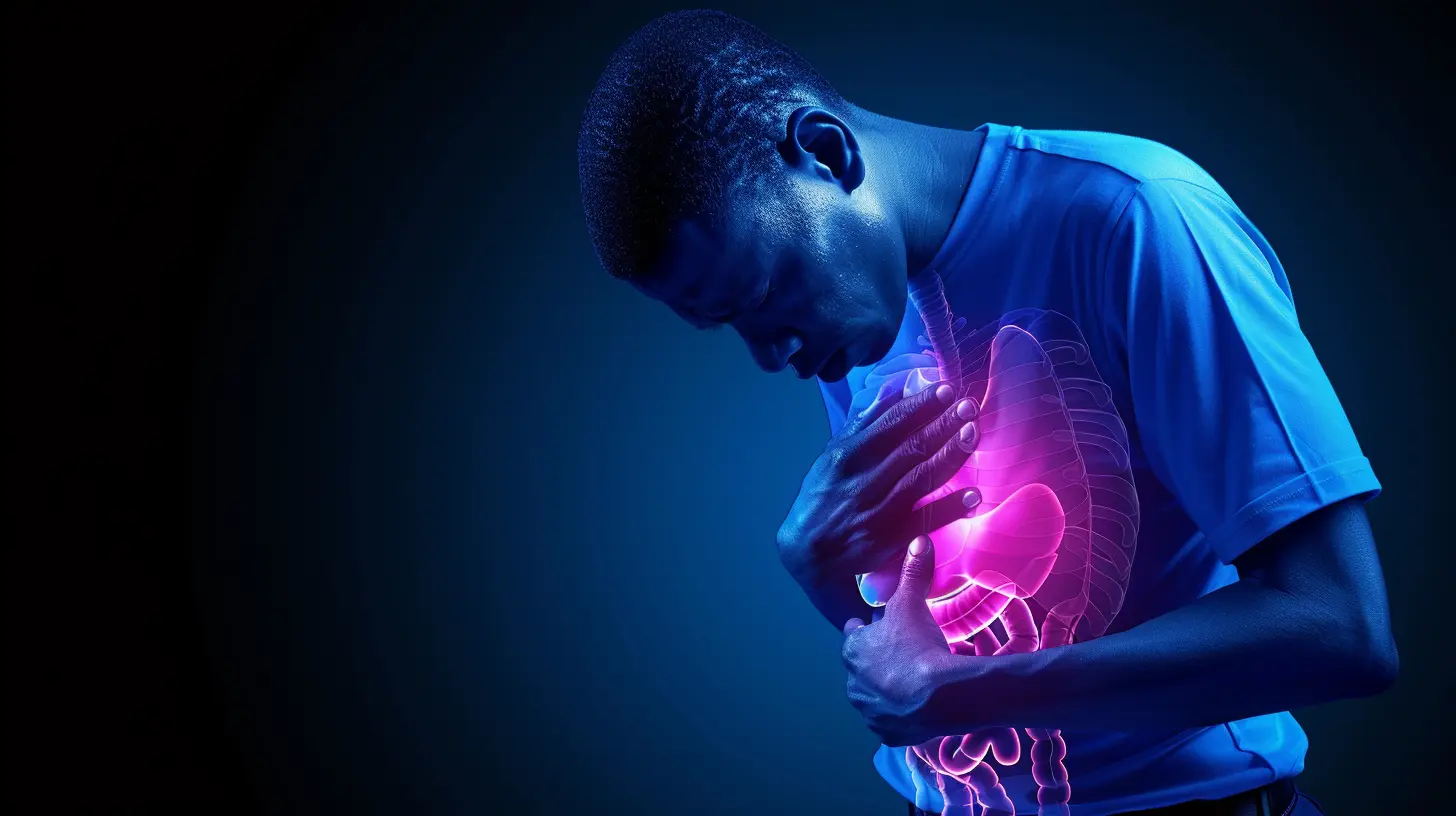
What Is Celiac Disease, Anyway?
Celiac disease isn’t just a “gluten allergy” — it’s much more serious than that. It’s an autoimmune disorder, which means the body’s defense systems start attacking its own tissues. It’s like your immune system is the overprotective friend who ends up ruining the party.When someone with Celiac disease eats gluten (a protein found in wheat, barley, and rye), their immune system goes haywire. It reacts by damaging the small intestine, particularly the villi, which are tiny, finger-like projections that absorb nutrients from food. And once those villi are damaged, nutritional chaos ensues.
Why Gluten is the Villain
Picture gluten as the classic movie villain — charming on the outside (think fresh-baked bread or piping hot pizza) but doing secret, sinister things on the inside to anyone with Celiac disease. In a healthy person, gluten passes through with no issue. But in someone with Celiac, gluten acts as a trigger. It sets off an immune response that can take down your digestive system like a domino effect.And here’s the kicker: even a tiny crumb of gluten can set off this reaction for someone with Celiac.
How Celiac Disease Affects the Bowel
Okay, so now that we’ve laid the groundwork, let’s get to the nitty-gritty: what does Celiac disease actually do to your bowel movements?1. Diarrhea That Just Won’t Quit
One of the most common signs is chronic diarrhea. Not just your run-of-the-mill upset stomach – we’re talking persistent, watery, foul-smelling stools that make you feel like you're chained to the toilet. It happens because the small intestine can’t absorb water and nutrients properly once it’s inflamed. Everything just rushes through before your body gets what it needs.2. Constipation — The Other Extreme
But here’s the plot twist: Celiac disease can also cause constipation. Surprised? You’re not alone. Some people get the exact opposite of diarrhea. When the intestines function at half-mast, nothing moves like it should. The damage in your gut disrupts normal digestion, leading to blockages or delayed bowel movements that can leave you bloated and uncomfortable.3. Floating Stools and Steatorrhea
Ever notice your poop is floating and unusually smelly? That could be steatorrhea, which basically means fatty stools. Since your intestines can’t properly absorb fat due to damage, it ends up in your bowel movements. These stools can be pale, greasy, and tough to flush. Not exactly a pleasant dinner conversation, but important to know.4. Bloating That Just Won’t Budge
Imagine blowing up a balloon and never letting the air out — that's what bloating feels like with untreated Celiac disease. The inflammation and gas created during faulty digestion build up and lead to abdominal distention. You’re eating healthy food but still feel like you swallowed a beach ball.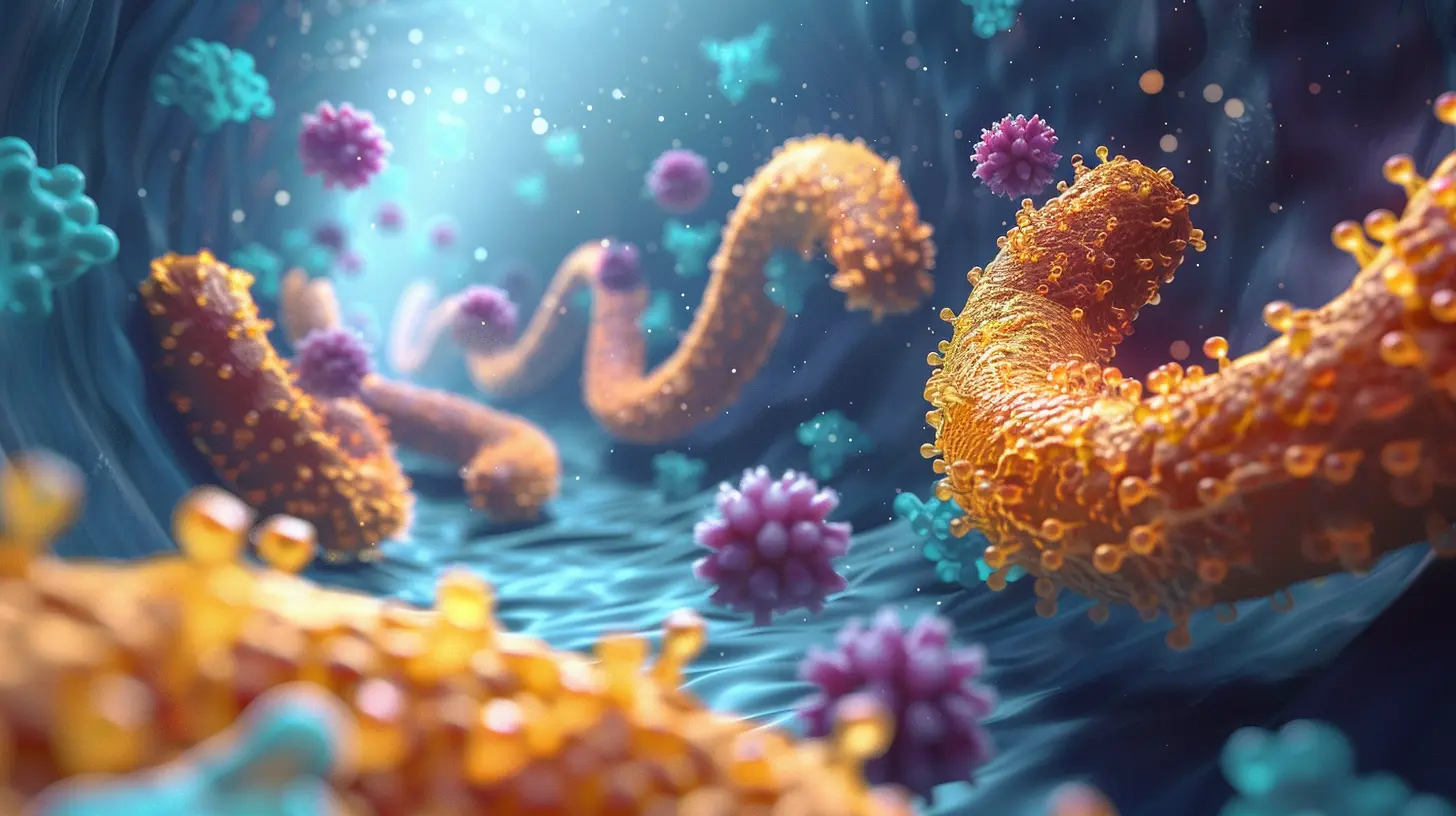
How the Gut Normally Works — and How Celiac Wrecks It
To understand the dysfunction, let’s quickly walk through how a healthy gut works.When you eat, food travels down into your stomach where it gets broken down. Then it moves into your small intestine — the VIP lounge of the digestive tract — where all the nutrients are absorbed. This is where your body grabs proteins, fats, vitamins, and minerals.
Now, in Celiac disease, the immune system attacks the small intestine’s lining, leaving your villi flattened and useless. It’s like trying to mop up a spill with a rolled-up napkin. No nutrient absorption means malnutrition, exhaustion, and yes — all kinds of bowel issues.
Systemic Symptoms That Come From Gut Damage
Don’t be fooled into thinking Celiac is only about digestion. When the gut gets damaged, the effects spread out like ripples in a pond.Here are some lesser-known — but super important — symptoms that stem from that intestinal havoc:
- Fatigue – Without nutrient absorption, you’re running on empty, even after a full night’s sleep.
- Weight loss – Not a good kind, but the kind that comes from not absorbing calories.
- Anemia – A lack of iron due to poor absorption can cause weakness and shortness of breath.
- Skin rashes (Dermatitis Herpetiformis) – Itchy, blistering skin eruptions often connected to Celiac.
- Joint pain – Inflammation isn’t just limited to the intestines.
- Mood disorders – Anxiety, depression, and even brain fog can be part of the Celiac package.
Diagnosing Celiac Disease: Don’t Self-Diagnose
Here’s the tricky part — Celiac symptoms often mimic other disorders like IBS or lactose intolerance. So how do you know for sure?1. Start with a Blood Test
Doctors typically order tTG-IgA antibody tests. If your antibody levels are high, it means your immune system is reacting to gluten.2. Follow Up With a Biopsy
If the blood test is positive, your doctor might suggest an endoscopy and small intestine biopsy to confirm the damage to the villi.⚠️ Important: Don’t go gluten-free before testing. It can mess up your results and delay the correct diagnosis.
Life After Diagnosis: Managing Bowel Health with a Gluten-Free Diet
So what happens once you’ve been diagnosed? The main treatment is simple in theory but tough in practice — a 100% gluten-free diet. No cheating, not even “just one bite.” The gut needs total peace and quiet to heal.1. Healing the Gut Takes Time
The good news is that your intestinal villi can bounce back. Once gluten is out of the picture, your body slowly begins to repair the damage. For many, bowel habits normalize within weeks or months.2. Watch Out for Hidden Gluten
It’s sneaky — gluten hides in sauces, dressings, deli meats, even lipstick. If you’re trying to heal your gut and eliminate bowel issues, these hidden culprits can hold you back.3. Probiotics and Gut Health
Some people find that adding probiotics into their diet helps restore balance in the gut’s bacteria, especially after periods of inflammation. Think of them like reinforcements for your digestive army.Tips for Maintaining Healthy Bowel Function with Celiac Disease
Here are some real-world lifestyle changes that can make your journey a little smoother:- ✅ Eat whole, naturally gluten-free foods (like fruits, veggies, meats, and rice).
- ✅ Drink plenty of water — especially if you’re tackling constipation.
- ✅ Keep a food journal to pinpoint what triggers symptoms.
- ✅ Get regular check-ins with your doctor or a dietitian.
- ✅ Don’t ignore lingering symptoms — they might mean another issue like refractory Celiac or coexisting IBS.
When Symptoms Don’t Go Away
If you’ve been gluten-free and still are experiencing digestive issues, talk to your doctor. Some common reasons for ongoing symptoms include:- Cross-contamination – Even a trace of gluten in shared kitchens can trigger symptoms.
- Other food intolerances – Like lactose or FODMAP sensitivities.
- Refractory Celiac Disease – A rare and serious form where the gut doesn’t heal, even without gluten.
Final Thoughts
Our digestive systems do a lot more than just break down food — they’re deeply tied to our overall well-being. Celiac disease might start in the gut, but it can affect your brain, your energy, your skin, and even your immune system.If you’ve been living with confusing bowel symptoms and suspect something’s up, don’t brush it off. Celiac disease is manageable, but only once it’s diagnosed and understood. You don’t have to suffer in silence — your gut might just be trying to tell you something important.
Remember, your health is a journey, not a sprint. And the more you understand how Celiac disease affects your bowels, the better equipped you'll be to take control of your body — one gluten-free step at a time.
all images in this post were generated using AI tools
Category:
Bowel HealthAuthor:

Sophia Wyatt
Discussion
rate this article
1 comments
Cora Cummings
Great read! Understanding celiac disease can really help improve well-being. Knowledge is power, so keep learning and stay healthy!
July 22, 2026 at 3:17 PM
Sophia Wyatt
Thank you for your feedback! I'm glad you found the article helpful. Understanding celiac disease is essential for better health.