How to Stay Hydrated in a Tech-Driven World
9 October 2026
Your smartwatch just buzzed. It's not a text. It's not a calendar reminder. It's your hydration tracker, gently shaming you because you've consumed 12 ounces of water since sunrise and it's now 2 PM. You glance at the glowing screen, feel a flicker of guilt, and then immediately get distracted by a Slack notification. Sound familiar?
Welcome to the strange paradox of modern hydration. We have more tools, apps, bottles, and wearable devices dedicated to keeping us watered than at any point in human history. Yet a staggering number of people walk around in a state of mild, chronic dehydration that they mistake for fatigue, brain fog, or just "normal." The technology meant to help us has, in many ways, become another source of noise.
This article is not going to tell you to drink eight glasses of water a day. That number, by the way, has been repeated so often that most people assume it's scientific law. It isn't. It's a rough approximation that ignores body size, activity level, climate, diet, and a dozen other variables. What follows is a practical, no-nonsense guide to staying hydrated in a world designed to keep you glued to a screen, sitting still, and forgetting that your body has needs beyond Wi-Fi.
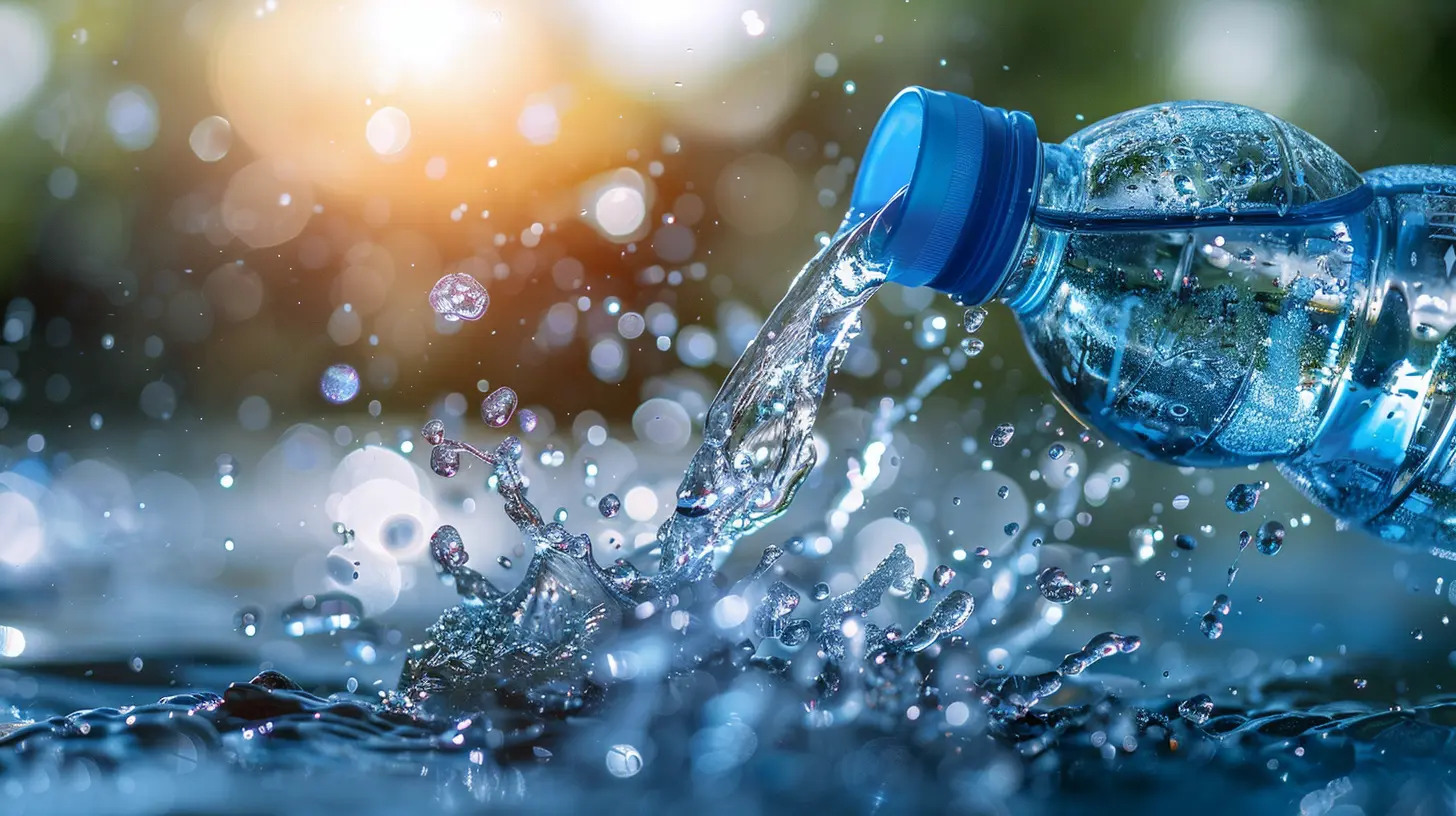
Why Hydration Matters More Than Your App Suggests
Let's start with the basics, but not the boring basics. Water isn't just a vehicle for flushing out toxins, a phrase so vague it borders on meaningless. Water is a structural component of your cells, a medium for every chemical reaction in your body, a temperature regulator, a joint lubricant, and a shock absorber for your brain and spinal cord. When you're even slightly under-hydrated, the consequences ripple through every system.Cognitive performance takes a hit first. Studies on mild dehydration, meaning a loss of roughly 1 to 2 percent of body weight in fluid, have shown measurable declines in attention, short-term memory, and mood. You don't need to be stranded in a desert to experience this. A long meeting in a dry office, a flight with recirculated air, or a few hours of focused work without a sip can do it.
Physical performance follows. Blood volume drops, your heart has to work harder to circulate oxygen, and your muscles fatigue faster. For anyone who exercises, even casually, this is a big deal. For anyone who doesn't, it still matters because basic tasks like climbing stairs or carrying groceries become more taxing than they should be.
Then there's the subtle stuff. Headaches, dry skin, constipation, bad breath, and a persistent feeling of being "off" are all classic signs of low-grade dehydration. Most people attribute these to stress, lack of sleep, or age. Often, they're just thirsty.
So why do we ignore it? Because thirst is a lagging indicator. By the time your brain signals that you need water, you're already behind. And in a tech-driven world, we've trained ourselves to ignore bodily signals in favor of digital ones.
The Tech Paradox: More Trackers, Less Hydration
Here's the irony. The same devices that promise to optimize your hydration can actually make you worse at it. How? By turning a basic biological need into a data management problem.Consider the hydration tracking app. You download it, set a goal, and for the first week, you're diligent. You log every glass. Then life happens. You forget to log a few, the streak breaks, and suddenly the app feels like a chore. You stop opening it. Now you have no idea how much you're drinking, and you've lost the habit you were trying to build.
Or consider the smart bottle. It glows when you need to drink. Sounds great, right? Except the glow is based on a generic algorithm that doesn't know you just ate a bowl of soup, ran five miles, or sat in an air-conditioned room for three hours. It nags you when you don't need it and stays silent when you do.
Wearable sensors that claim to measure hydration through sweat or skin conductance are more promising, but they're still limited. They can tell you that you're losing fluid, but they can't tell you exactly how much you need to replace, and they can't account for what you're eating or how your individual body responds.
The real problem is that these tools encourage passive reliance. You outsource your awareness to a gadget. When the gadget fails, you're left with no internal sense of what your body needs. That's a fragile way to live.
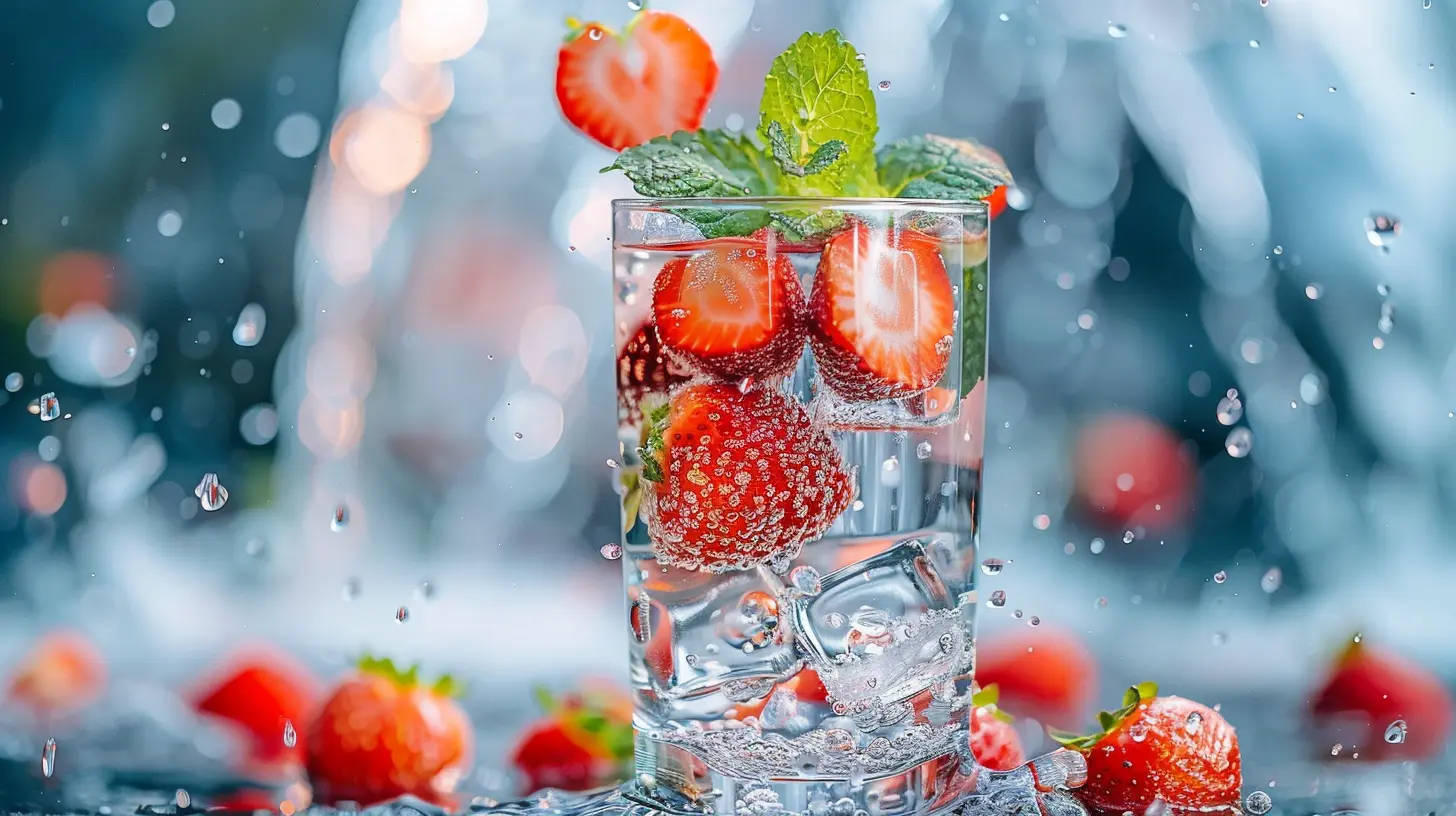
The Real Rules of Hydration (No Gadget Required)
If you want to stay hydrated in a tech-driven world, you need to build a system that works with or without your devices. Here's how.Rule 1: Drink Before You're Thirsty
This is the single most important habit. Don't wait for thirst. Drink on a schedule, but not a rigid one. Anchor your water intake to things you already do. When you wake up, drink a glass. Before every meal, drink a glass. When you take a break from your screen, drink a glass. These anchors turn hydration into a background process, like breathing.Why does this work? Because it removes decision fatigue. You're not asking yourself "Am I thirsty?" You're just following a routine. Over time, the routine becomes automatic.
Rule 2: Use Urine Color as Your Dashboard
Forget the app. Your body has a built-in hydration monitor, and you can check it every time you use the bathroom. Pale yellow, like lemonade, means you're well-hydrated. Dark yellow, like apple juice, means you need to drink. Clear, like water, means you might be overdoing it.This is not a perfect science. Certain vitamins, medications, and foods can change urine color. But as a general guide, it's more reliable than any consumer wearable.
Rule 3: Eat Your Water
Roughly 20 to 30 percent of your daily fluid intake comes from food. Fruits and vegetables are especially rich in water. Watermelon, cucumbers, oranges, strawberries, lettuce, and tomatoes are all excellent sources. Broth-based soups, yogurt, and cottage cheese also contribute.This matters because drinking water isn't the only way to hydrate. In fact, for some people, drinking large volumes of plain water causes bloating or frequent urination that disrupts their day. Getting fluid from food is gentler and often more sustainable.
Rule 4: Add Electrolytes When You Need Them
Plain water is great for most situations. But if you're sweating heavily, exercising for more than an hour, or recovering from illness, you need more than water. You need electrolytes, specifically sodium, potassium, and magnesium.This is where the tech world gets it wrong again. Sports drinks are marketed as essential, but most are just sugar water with a pinch of salt. You don't need them for a 30-minute walk. You might need them for a two-hour bike ride in the heat.
A simple homemade electrolyte drink: water, a pinch of salt, a squeeze of lemon, and a teaspoon of honey. That's it. No neon colors, no proprietary blend.
Rule 5: Don't Overhydrate
Yes, this is a real thing. Drinking too much water without enough electrolytes can dilute the sodium in your blood, a condition called hyponatremia. It's rare, but it happens, especially in endurance athletes who drink excessively during long events.The symptoms include nausea, headache, confusion, and in severe cases, seizures. The fix is not to drink more water. It's to drink less and get some salt.
The Tech Tools That Actually Help
Not all technology is useless. Some tools can support hydration if you use them correctly. Here's a breakdown of what works and what doesn't.Smart Bottles: Useful for Reminders, Not Precision
A smart bottle that glows or beeps to remind you to drink can be helpful if you struggle to remember. But don't trust its calculations. Use it as a cue, not a coach. The best smart bottles are the ones that are easy to clean, don't require charging every day, and don't cost more than a nice dinner.Hydration Apps: Good for Tracking, Bad for Guilt
Apps like WaterMinder or Plant Nanny can help you build awareness, especially if you're data-oriented. But they can also become a source of anxiety. If you miss a day, don't spiral. The goal is consistency over time, not a perfect streak.A better approach: use the app for a week to calibrate your sense of how much you drink. Then delete it and rely on your habits.
Wearable Sensors: Promising but Imperfect
Devices that measure sweat rate or skin hydration are improving, but they're not yet reliable enough for everyday use. They're best for athletes who want to fine-tune their race-day strategy, not for office workers who just need to remember to sip.Smart Water Dispensers: Convenience with a Cost
A smart dispenser that tracks your intake and reminds you to drink can be useful, especially if you work from home. But they're expensive, often require proprietary filters, and can break. A simple glass pitcher and a reusable bottle work just as well.Common Mistakes and Misconceptions
Let's clear up some persistent myths.Myth: Coffee and Tea Dehydrate You
This one refuses to die. The idea is that caffeine is a diuretic, so drinking coffee or tea makes you lose more water than you take in. In reality, the diuretic effect is mild and short-lived, and the fluid in the beverage more than compensates. Studies have shown that moderate coffee and tea consumption contributes to daily fluid intake just like water.That said, if you're drinking massive amounts of caffeine, you might experience increased urination. But for most people, a few cups a day is fine.
Myth: You Need Eight Glasses a Day
As mentioned earlier, this is a rough guideline, not a rule. The National Academies of Sciences, Engineering, and Medicine suggests that men need about 125 ounces of total fluid per day and women need about 91 ounces. But that includes fluid from food. Your actual water needs depend on your size, activity, climate, and health.Myth: Sports Drinks Are Always Better Than Water
Only if you're sweating for a long time or exercising intensely. For most people, most of the time, water is enough. Sports drinks add sugar and calories that you may not need.Myth: Thirst Is a Reliable Guide
Thirst is a lagging indicator. By the time you feel thirsty, you're already mildly dehydrated. Don't wait for thirst. Drink proactively.Mistake: Drinking Too Much at Once
Chugging a liter of water in one go doesn't hydrate you better. Your kidneys can only process so much at a time. Spread your intake throughout the day.Mistake: Ignoring Electrolytes During Long Exercise
If you're sweating for more than an hour, you need sodium. Drinking plain water can actually make things worse by diluting your blood sodium levels.Mistake: Relying on Thirst or an App Instead of Habits
The best hydration strategy is one that doesn't require willpower or constant monitoring. Build routines. Anchor water to existing habits. Make it easy.
Hydration in Different Contexts
Your needs change depending on what you're doing. Here's how to adapt.At the Office
Air conditioning and heating dry out the air, and sitting for hours can make you forget to drink. Keep a bottle on your desk and refill it at set times. Use your lunch break as a hydration anchor. Avoid drinking too much right before meetings to prevent mid-presentation bathroom runs.During Workouts
Drink 16 to 20 ounces about two hours before exercise. Sip during your workout, especially if it's intense or long. Afterward, drink to replace what you lost. A good rule of thumb: weigh yourself before and after. For every pound lost, drink 16 to 24 ounces.In Hot Climates
Heat increases sweat loss. You need more water and more electrolytes. Drink consistently throughout the day, not just when you're active. Watch your urine color closely.When Traveling
Flights are notoriously dehydrating. Cabin air is dry, and you're sitting for hours. Drink water before, during, and after the flight. Avoid alcohol and excessive caffeine. Bring an empty bottle through security and fill it at a fountain.When Sick
Fever, vomiting, and diarrhea all increase fluid loss. Drink more than usual, and consider an oral rehydration solution if you're losing a lot of fluids. Broth and electrolyte drinks can help.Building a Hydration System That Survives the Tech
The goal is not to depend on technology. The goal is to build habits that are so ingrained that you don't need reminders. Here's a simple framework.1. Start your day with water. Before coffee, before your phone, drink a glass. This sets the tone.
2. Anchor water to meals. Drink a glass before every meal. That's three glasses right there.
3. Keep water visible. A bottle on your desk, a pitcher on the counter. Out of sight, out of mind.
4. Use tech as a backup, not a crutch. If you find yourself forgetting, set a few reminders on your phone. But don't rely on them forever.
5. Check your urine color daily. It's the simplest, most reliable feedback loop you have.
6. Adjust for context. More water when it's hot, when you're active, when you're sick.
7. Don't overthink it. Hydration is not a optimization problem. It's a basic need. Drink when you wake up, drink with meals, drink when you're active, and pay attention to your body.
The Bottom Line
Staying hydrated in a tech-driven world is not about finding the perfect app or the smartest bottle. It's about reclaiming your awareness of a basic biological need. Technology can help, but it can also distract. The best approach is to build simple, resilient habits that work whether your phone is charged or not.Drink water. Eat your fruits and vegetables. Add salt when you sweat. Check your urine. Repeat. That's it. No subscription required.
all images in this post were generated using AI tools
Category:
Hydration TipsAuthor:

Sophia Wyatt