How to Start a Digital Detox for Better Focus and Wellbeing
21 April 2026
Let’s be real—how many times have you picked up your phone just to check one message and found yourself 45 minutes deep into meme land, TikTok rabbit holes, or endless scrolling on Instagram? You’re not alone. In our fast-paced digital world, it’s so easy to get sucked into screens and notifications that we forget how to actually be present. That’s where a digital detox comes in.
If you’ve been feeling scattered, overwhelmed, anxious, or simply stretched too thin, it might be time for a hard reset. A digital detox isn’t about tossing your phone into the ocean (though that might sound tempting some days). Instead, it’s about creating intentional boundaries with your tech to reclaim your focus, boost your mental health, and reconnect with yourself and the world around you.
Ready to take the plunge? Let’s walk through how to start a digital detox for better focus and wellbeing—step by step, without the guilt trip.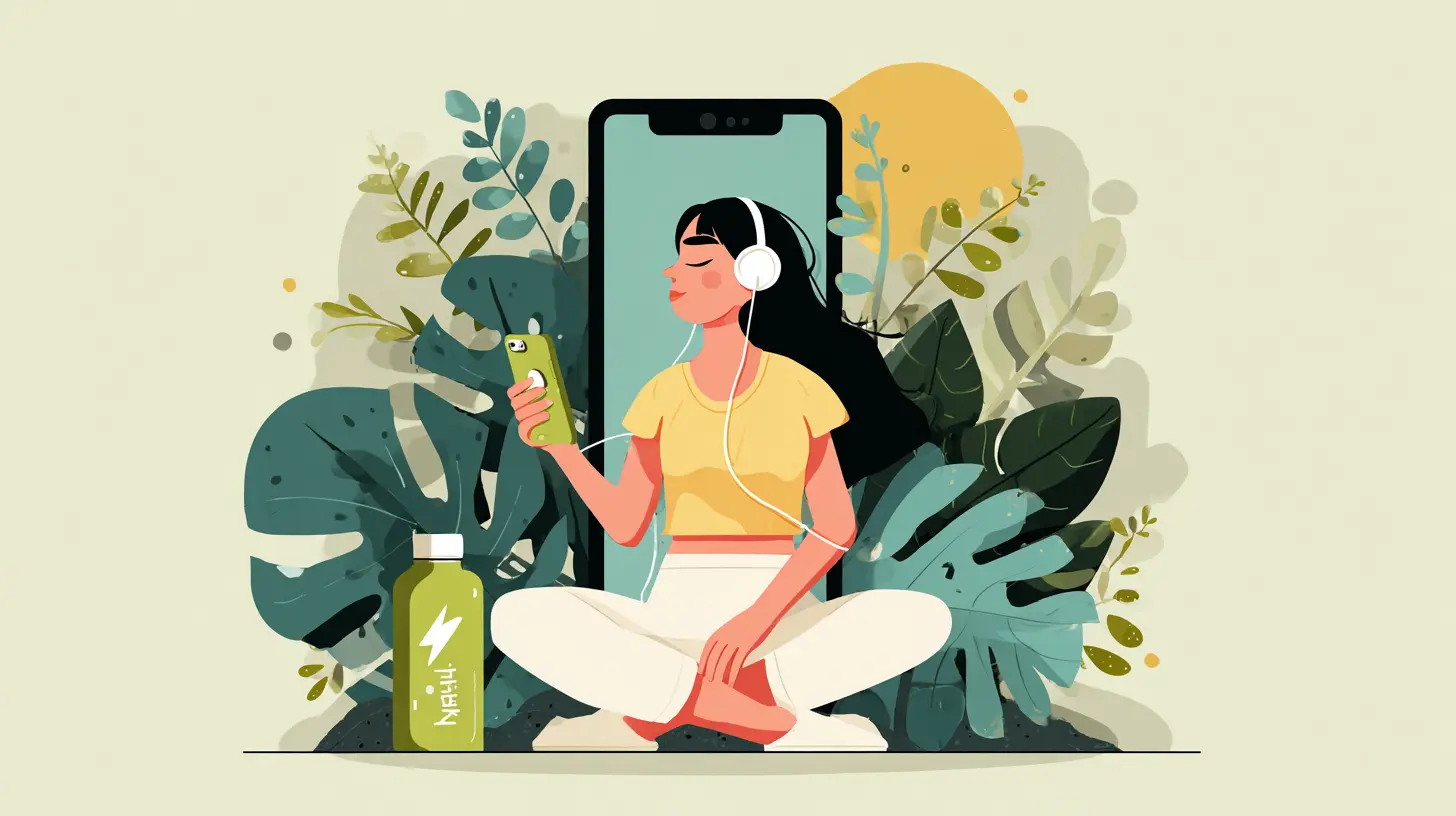
What Is a Digital Detox, Really?
A digital detox is when you purposely take a break from digital devices—phones, tablets, computers, TVs, even your smartwatch. It doesn’t mean you have to go full-on caveman mode. It just means giving your brain and body a much-needed break from the constant barrage of screens, notifications, emails, and mindless scrolling.Think of it as a mental cleanse. Just like your body feels better after eating clean for a few days, your mind feels sharper and calmer when it's not bombarded 24/7 by digital noise.
Why You Might Need a Digital Detox
Ever feel like your brain is fried after a day of screen time? That’s not just your imagination. Constant digital stimulation can lead to:- ?️ Mental fatigue and brain fog
- ⏰ Shorter attention spans
- ? Increased anxiety and stress
- ? Poor sleep quality
- ? Disconnection from real-life relationships
We weren’t built to be “on” all the time. A detox helps reset our nervous system, recharge our mental battery, and remind us how good it feels to just be present.
Signs It’s Time for a Detox
Not sure if you need a digital detox? Here are a few red flags to pay attention to:- You check your phone within seconds of waking up
- You feel anxious when you're away from your phone
- You scroll aimlessly even when you’re not interested
- You find it hard to focus for long periods
- You've lost interest in offline hobbies or real-life conversations
If any of those hit a little too close to home, don’t worry—you’re in the perfect place to turn things around.
Step 1: Set Your Digital Detox Goals
Let’s kick things off the right way. You don’t need to go cold turkey unless you really want to. Your digital detox should fit your lifestyle. Start by asking yourself: What do I want to get out of this?Maybe it’s to:
- Sleep better at night
- Be more present with your kids or partner
- Rebuild your attention span
- Lower anxiety levels
- Get more done during the day
Once you’re clear on the “why,” it becomes easier to commit to the “how.”
? Pro tip: Write your goals down. Stick them on your mirror or phone lock screen as a daily reminder.
Step 2: Audit Your Digital Habits
Before you can change anything, you’ve got to know what you’re working with. Track your screen time across all devices for a couple of days.Ask yourself:
- Which apps are consuming the most time?
- When am I mindlessly scrolling?
- What triggers me to reach for my phone?
- How do I feel after being online?
This is like pulling weeds before planting new seeds. You’ll start to see patterns—and those patterns will help you break the cycle.
Step 3: Create a Detox Plan That Doesn’t Feel Like Punishment
You’re not grounded—you’re growing. The goal isn’t to banish tech forever; it’s to use it more mindfully. Here are a few detox approaches depending on your comfort zone:Option A: The Mini Detox
Start small. Maybe it’s one tech-free hour every night. Or no phone before breakfast. Baby steps still count, and they add up faster than you think.Option B: The Weekend Cleanse
Try disconnecting for 24–48 hours over the weekend. Turn off your notifications, stash the phone in a drawer, and enjoy some good old-fashioned boredom.Option C: The Full Detox
Ready to go big? Take a week or more off social media or non-essential screen use. Replace scrolling time with journaling, reading, walking, or hanging out with actual humans.?♀️ Remember: It’s not about perfection. Slip-ups happen. The key is to make space for intentional tech use that supports—not dominates—your life.
Step 4: Set Boundaries with Intention
Healthy boundaries aren’t just for people—they’re for pixels too. Try these easy-to-apply rules:- No phones at meals
- Disable non-essential notifications
- Set “office hours” for social media
- Keep your bedroom a screen-free zone
- Replace your phone alarm with an actual clock
Yes, it’ll feel weird at first. But remember, every time you don’t check your phone, you’re training your brain to be more present and less reactive.
Step 5: Fill the Space with Soul-Filling Stuff
Here’s the beautiful part: When you remove the digital clutter, you create space for things that actually light you up. Time suddenly expands.Instead of scrolling, you could be:
- Brewing a real cup of coffee and savoring it
- Calling a friend just to chat (no emojis necessary)
- Taking a walk without earbuds
- Journaling your thoughts or doodling
- Meditating, stretching, or just resting
Your brain craves this downtime—even if it doesn’t realize it yet.
Step 6: Surround Yourself with Accountability
Detoxing is way easier when your friends and family know what you're up to. Tell someone about your digital detox goals. Better yet, invite them to join you!Consider using "do not disturb" settings or leaving your phone in another room. Put up a little sticky note that says, “Is this really what I want to spend my time on?” before unlocking your phone.
You’re not being dramatic—this is your mental health we’re talking about.
Step 7: Reflect on Your Progress
After a few days or a week, check in with yourself. How do you feel?- Are you sleeping better?
- Is your focus sharper?
- Do you feel calmer?
- Are your conversations richer?
What might’ve felt overwhelming at first now feels freeing. That’s the magic of digital detoxing—it reminds us who we are without all the noise.
Celebrate those wins. Reflect on what’s working and what still needs a tweak. Detoxes aren’t one-size-fits-all, so adjust as needed.
Pro Tips for Maintaining the Momentum
Maintaining your digital detox mindset even after your "official" detox ends is key. Here’s how to stay on track:1. Schedule Regular Tech Breaks
Just like you schedule workouts or date nights, block off time for tech breaks. Even one screen-free day a week can reset your system.2. Reevaluate Your Apps
Ask yourself: Is this app adding value or draining my energy? Don’t be afraid to delete or limit access to the ones that don’t serve you.3. Be Mindful, Not Mindless
When you pick up your phone, ask: Why am I doing this? Is it boredom? Habit? If it’s not intentional, maybe skip it.4. Use Tech to Support Wellbeing
Some apps can actually help you detox—like digital wellbeing trackers, focus timers, or mindfulness apps. Use tech to fight tech.Final Thoughts: Digital Balance is the Real Goal
Detoxing isn’t about rejecting technology altogether. It’s about reclaiming your attention, your time, and your peace. It’s about using tech on your terms—not letting it run the show.So, give yourself permission to unplug. Trust that you won’t miss out on anything essential. What you’ll gain—mental clarity, real-life connection, deeper sleep, sharper focus—is far more valuable than likes or retweets.
Remember, your attention is your most precious currency. Spend it wisely.
all images in this post were generated using AI tools
Category:
Healthy HabitsAuthor:

Sophia Wyatt
Discussion
rate this article
2 comments
Brooks Rhodes
Unplug to recharge joyfully!
April 28, 2026 at 4:40 AM
Sophia Wyatt
Absolutely! Taking a break from screens can bring a refreshing boost to our well-being. Enjoy the process!
Remington Parker
Great insights! A digital detox can profoundly improve focus and overall wellbeing. Embracing some offline time is a powerful step toward clarity and a healthier balance in life. You've got this!
April 26, 2026 at 3:13 AM
Sophia Wyatt
Thanks for your support! Embracing offline time really can make a big difference.