How to Safely Increase Your Fat Intake Without Gaining Weight
21 May 2026
Fat has been demonized for decades, but the truth is—your body needs it. The key isn't avoiding fat but choosing the right kinds and consuming it in a way that supports your health without leading to unwanted weight gain. But how do you strike that balance? Let’s dive into the science and strategy behind safely increasing fat intake without tipping the scale.
Why Fat Is Essential for Your Health
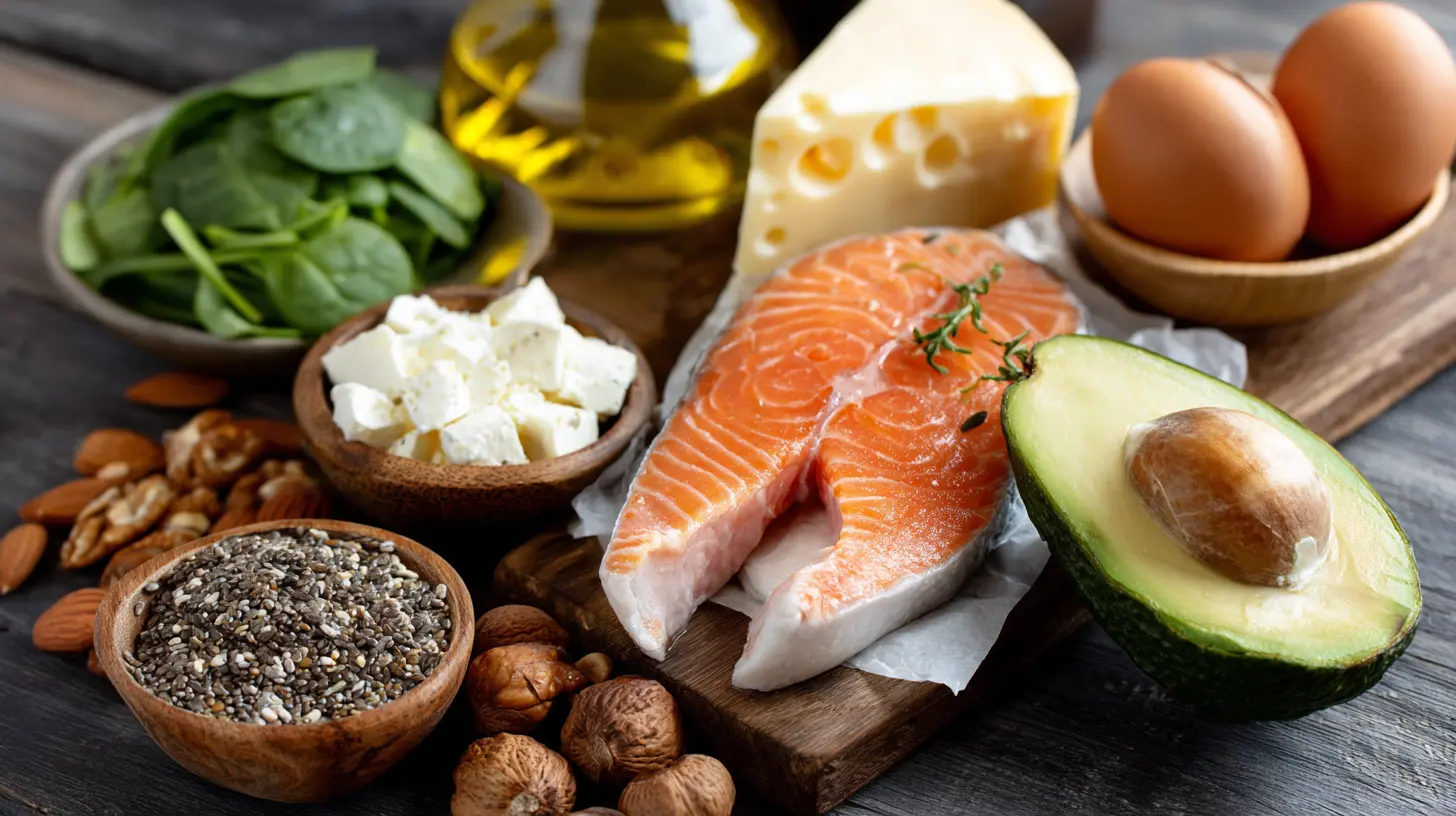
Before we get into the “how,” let’s talk about the “why.” Your body thrives on fat. It’s essential for hormone production, brain function, energy storage, and even keeping your skin healthy.Here are a few reasons why fat is your friend:
- Hormonal balance – Fats help synthesize vital hormones like estrogen and testosterone.
- Brain health – Your brain is made up of nearly 60% fat, meaning healthy fats are crucial for cognitive function.
- Nutrient absorption – Vitamins A, D, E, and K are fat-soluble, meaning they need fat to be properly absorbed.
- Energy source – Fat provides a slow-burning, long-lasting energy source, unlike quick-burning carbs.
Now that we’re clear on fat’s importance, let’s move on to how you can increase your intake wisely.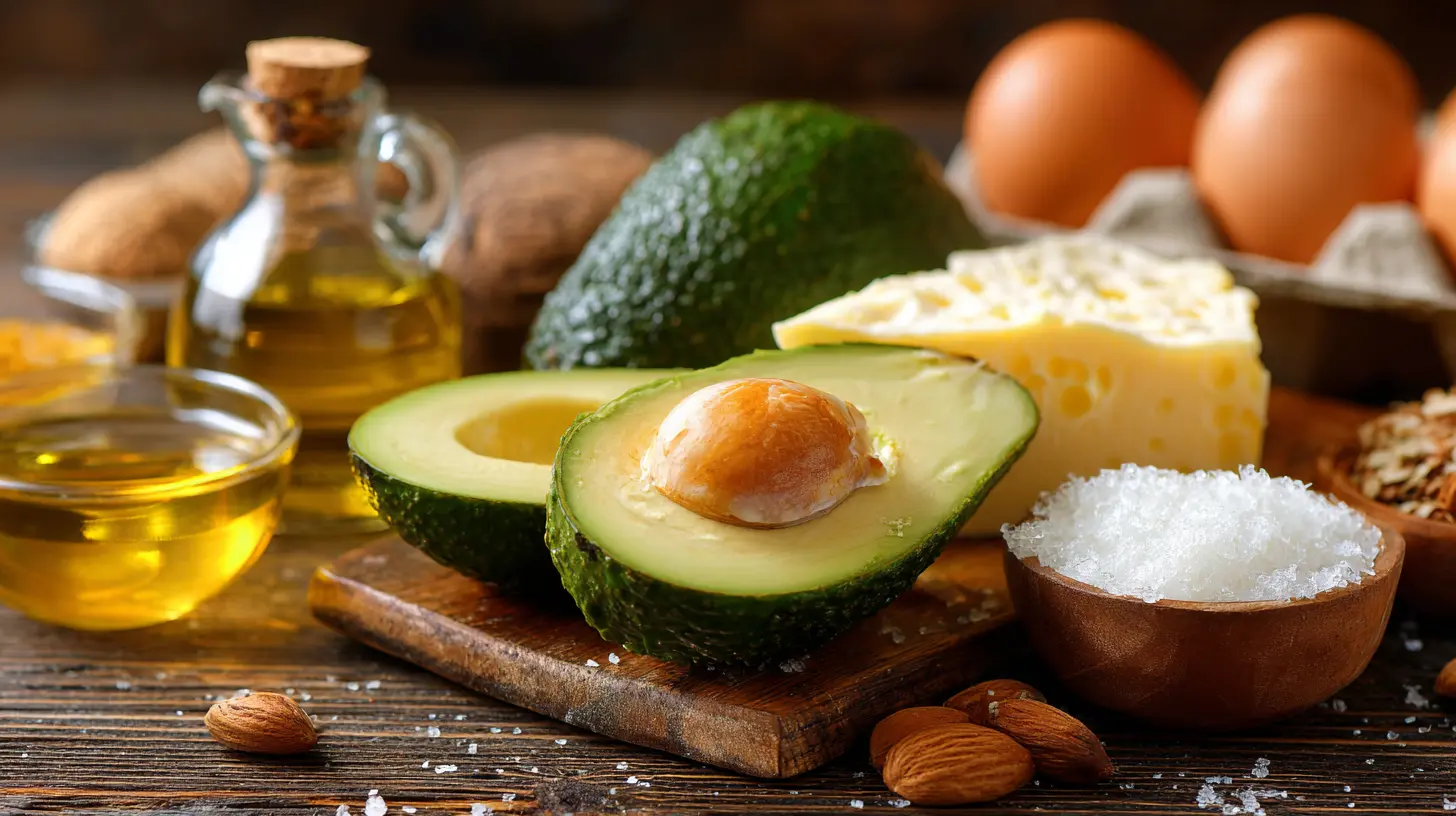
1. Choose Healthy Fats Over Unhealthy Ones
Not all fats are created equal. Some promote health, while others wreak havoc on your body.Healthy Fats to Include
You want to focus on unsaturated fats and some saturated fats from natural sources:- Monounsaturated fats (MUFAs): Found in olive oil, avocados, nuts, and seeds. These support heart health and lower bad cholesterol.
- Polyunsaturated fats (PUFAs): Found in fatty fish, walnuts, flaxseeds, and chia seeds. These contain omega-3s, which reduce inflammation and support brain health.
- Natural saturated fats: Found in coconut oil, dark chocolate, and grass-fed dairy. While saturated fat was once demonized, high-quality sources can actually be beneficial when eaten in moderation.
Fats to Avoid
On the flip side, avoid trans fats and excessive processed oils:- Artificial trans fats: Common in fried foods, margarine, and processed snacks. These increase the risk of heart disease and inflammation.
- Refined vegetable oils (in excess): Oils like soybean, corn, and canola oil tend to be highly processed and can be pro-inflammatory when consumed in large amounts. 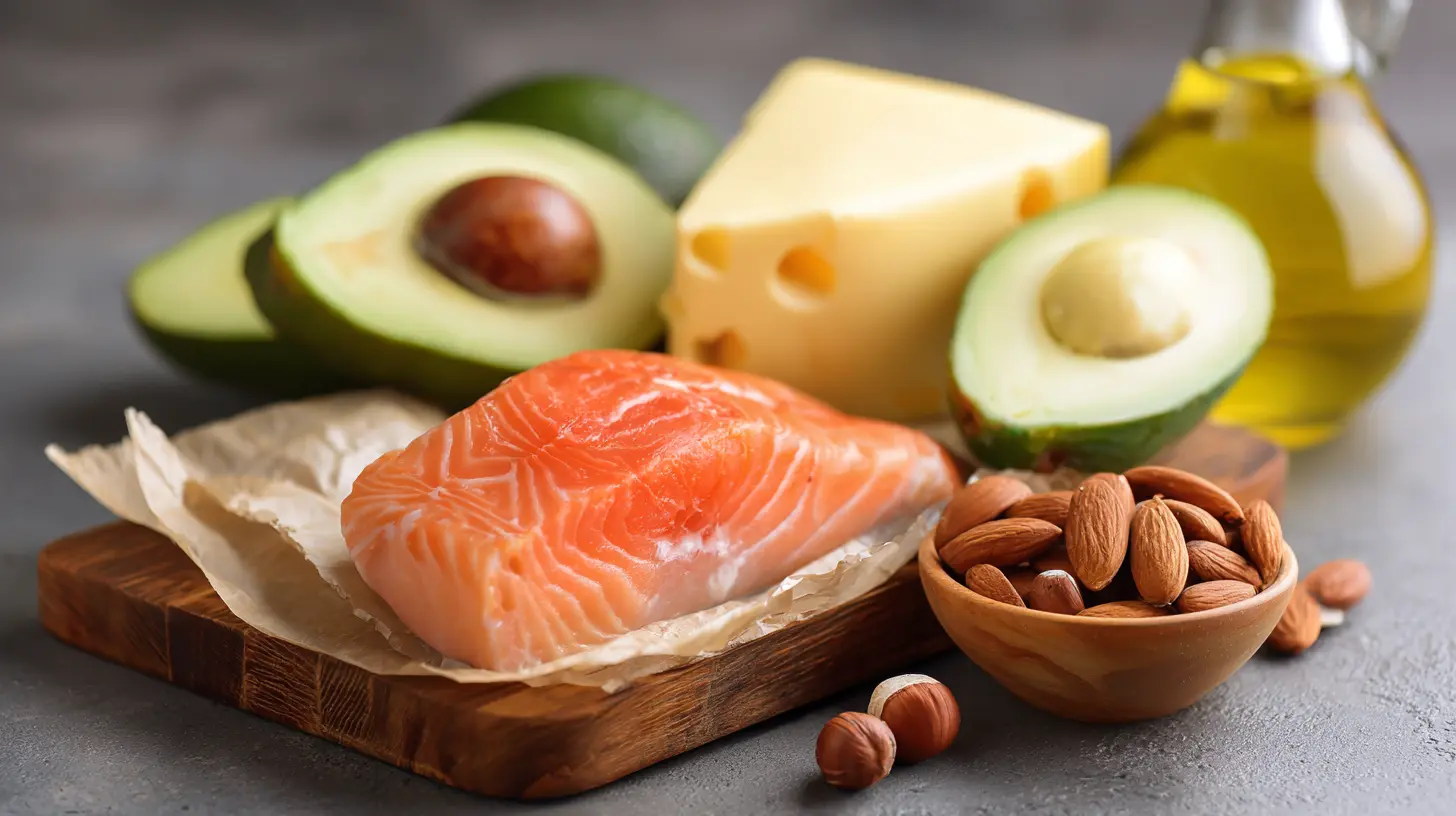
2. Incorporate Fat Into Your Diet Strategically
How you eat fat plays a huge role in whether you gain weight or simply improve your nutrient intake. Here’s how to do it smartly:Pair Fat With Protein and Fiber
Eating fat on its own can be a slippery slope. It’s calorie-dense and might lead to overconsumption. But pairing it with protein and fiber slows digestion and keeps you full for longer.For example:
- Drizzle olive oil over a salad with grilled chicken.
- Add avocado slices to a high-protein omelet.
- Mix nuts into Greek yogurt for a balanced snack.
Avoid Overeating Fat-Rich Foods
It’s easy to go overboard, especially with foods like nuts, cheese, and oils. A handful of almonds? Great. Half a jar of peanut butter? Not so much. Healthy fats are still calorie-dense, so portion control is key.A simple rule: Measure out your fats instead of eating straight from the container.
Cook With Healthy Fats Instead of Adding Excess
Instead of adding fat on top of everything, try cooking with it.For example:
- Sauté vegetables in coconut or avocado oil instead of adding extra butter on top.
- Bake salmon with olive oil rather than serving it with a creamy sauce.
- Use nut butters in smoothies rather than slathering them on processed bread. 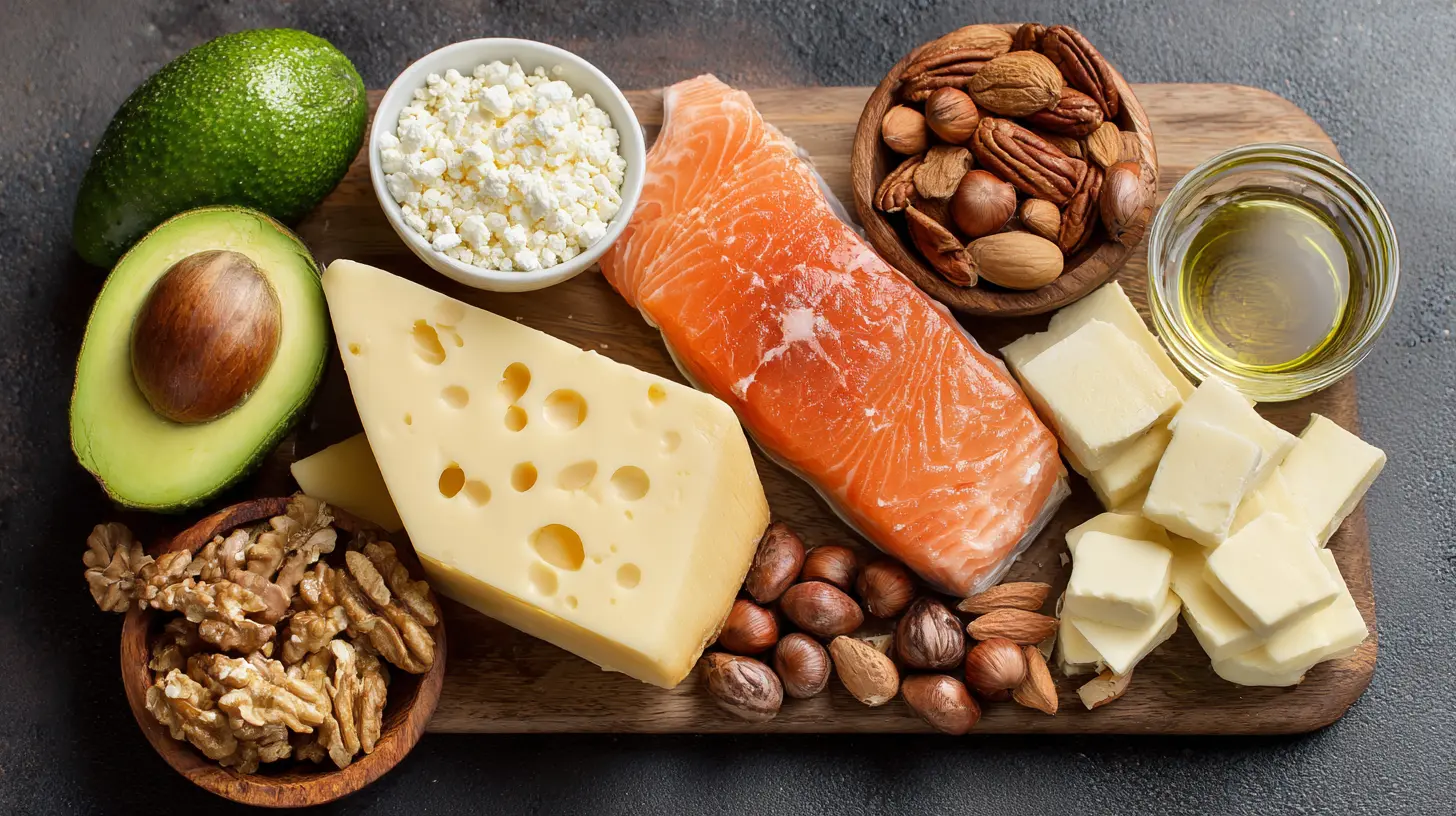
3. Time Your Fat Intake Wisely
Did you know that when you eat fat can affect how your body uses it?Morning vs. Evening Fat Consumption
- Morning: Starting your day with healthy fats can keep you full and energized, preventing mid-morning cravings. Think eggs with avocado or chia pudding with nuts.- Evening: Eating fats at night is fine, but keep portions in check. A handful of walnuts before bed can promote sleep, but a heavy, greasy meal might disrupt digestion.
Pre- and Post-Workout Fats
- Before workouts: Stick to a combo of carbs and protein rather than excessive fat, which can slow digestion.- After workouts: Including some fat in post-workout meals can help with muscle recovery, but don’t let it overpower protein intake.
4. Prioritize Whole Foods Over Processed Fat Sources
Fats from whole foods contain fiber, vitamins, and antioxidants, while processed foods often come with unhealthy additives.Whole-Food Fat Sources to Prioritize
- Avocados- Nuts and seeds
- Fatty fish like salmon and sardines
- Extra virgin olive oil
- Dark chocolate (at least 70% cocoa)
Highly Processed Fat Sources to Limit
- Flavored nut butters with added sugar- Processed cheese products
- Commercial salad dressings loaded with unhealthy oils
- Fried and packaged snacks
Whole foods not only provide better nutrition but they also keep you fuller for longer, preventing overeating.
5. Stay Active to Utilize Dietary Fat Efficiently
If you’re increasing your fat intake, you want to ensure your body actually uses the fat rather than storing it.Incorporate Strength Training
Lifting weights helps your body burn fat for fuel instead of storing it. Plus, muscle mass increases your metabolism, so you burn more calories at rest.Do Some Cardio (But Don’t Overdo It)
Moderate cardio—like brisk walking or cycling—can help mobilize fat stores. However, excessive cardio may lead to increased hunger, causing you to overeat.Try Intermittent Fasting
Some people find that intermittent fasting (eating within an 8–10 hour window) helps their body become fat-adapted, meaning they burn fat more efficiently rather than relying on constant carb intake.6. Listen to Your Body’s Signals
Your body gives you clues about how it handles fat intake. Pay attention!- Feeling sluggish or bloated? You may be consuming too much fat at once.
- Craving sugar? It could mean your diet lacks balance, and you need more fiber and protein alongside fat.
- Struggling with digestion? Some people don’t digest high-fat foods well. Try incorporating more fermented foods like kimchi or taking digestive enzymes.
The takeaway? Adjust your portions and sources of fat based on how your body responds.
Final Thoughts
Increasing your fat intake doesn’t have to mean gaining weight. By choosing the right fats, balancing them with protein and fiber, practicing portion control, and staying active, you can reap the benefits without the downsides.Fat isn’t the enemy—it’s an essential nutrient that, when consumed wisely, can enhance your diet, support your health, and even improve weight management.
So, don’t fear fat—embrace it the right way!
all images in this post were generated using AI tools
Category:
Healthy FatsAuthor:

Sophia Wyatt
Discussion
rate this article
2 comments
Anastasia Jacobs
Great tips for mindful eating. Thanks!
September 1, 2026 at 3:23 AM
Sophia Wyatt
I'm glad you found the tips helpful! Mindful eating can really make a difference. Thanks for reading!
Lana Sheppard
Great tips! I've been curious about increasing fat intake and this article was really helpful. Thank you!
May 23, 2026 at 2:47 AM
Sophia Wyatt
I'm glad you found it helpful! Increasing fat intake can be tricky, but it's worth exploring. Let me know if you have any questions!