Finding the Right Moisturizer for Your Skin Type
14 January 2026
Let’s be real—finding the right moisturizer is about as easy as finding the perfect pair of jeans. Some are too greasy, others vanish into thin air, and a few just sit on your skin doing a whole lot of nothing. Whether you’re a skincare newbie or a seasoned skin-savvy vet, navigating the moisturizer aisle can feel overwhelming. But don’t worry—I’ve got you covered.
In this guide, we’re breaking down exactly how to find the perfect moisturizer for YOUR skin type. No frills. No fluff. Just the facts (with a little fun sprinkled in). Let’s dive into what your skin’s really thirsty for.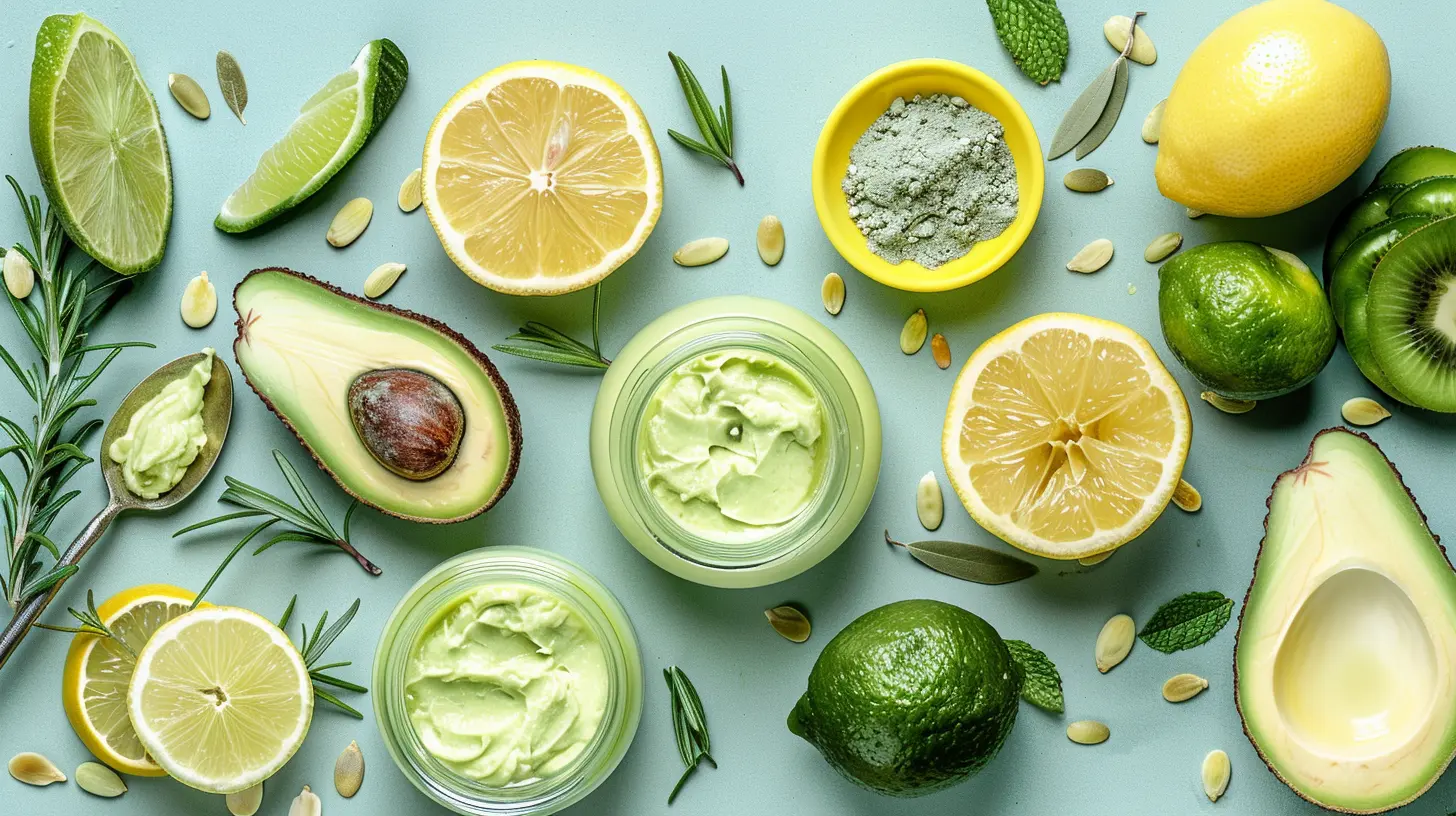
Why Moisturizer Matters More Than You Think
Before we start slathering on creams, let’s talk about why moisturizer is basically non-negotiable in your skincare routine.Your skin naturally holds water—but factors like cold weather, hot showers, aging, or harsh products can strip that moisture away. That leaves your skin feeling dry, tight, and sometimes flaky (yikes). A good moisturizer acts like a protective barrier, locking in hydration and keeping irritants out.
And guess what? Even oily and acne-prone skin types need moisture—yes, really.
Step 1: Know Your Skin Type (Seriously, This Is Key)
First thing’s first. You need to know your skin type because one-size-fits-all isn’t a thing when it comes to skincare.Here are the major players:
- Oily Skin: Your face feels greasy by noon and you’re prone to breakouts or shine.
- Dry Skin: Skin feels tight, rough, flaky, or even itchy. You’re constantly reaching for lotion.
- Combination Skin: Oily in the T-zone (forehead, nose, chin), dry or normal elsewhere.
- Normal Skin: Balanced—not too oily, not too dry. (Lucky you!)
- Sensitive Skin: Prone to redness, irritation, or stinging when trying new products.
Not sure where you fall? Try this: After washing your face, wait 30 minutes without applying anything. Check in—does your skin feel tight, shiny, flaky, or fine? That’s your clue.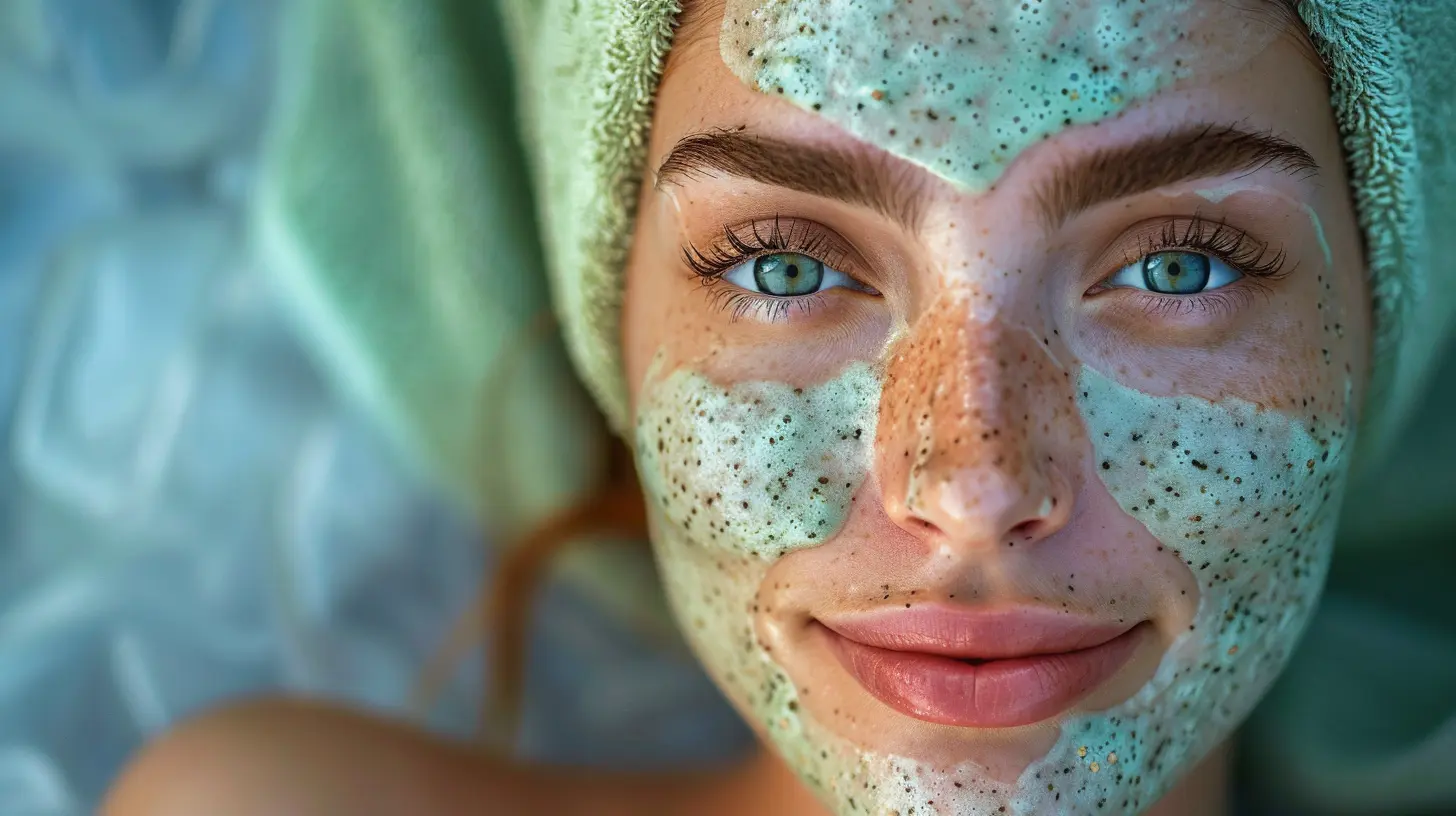
Moisturizer Ingredients 101: What to Look For (and What to Avoid)
Ever flipped over a moisturizer bottle and felt like you were reading a chemistry textbook? Same. Let’s decode the label.Ingredients You Want:
- Hyaluronic Acid: Powerhouse hydrator that holds 1,000 times its weight in water. A must for dry or dehydrated skin.- Glycerin: A humectant that pulls moisture from the air into your skin.
- Ceramides: Lipid molecules that help restore the skin’s protective barrier.
- Niacinamide: Reduces redness, improves pores, and helps with uneven tone.
- Squalane: Lightweight, non-greasy oil that hydrates and soothes.
Ingredients to Avoid (Especially if You're Sensitive):
- Fragrance: Can trigger irritation or allergies.- Alcohols: Not all are bad, but denatured alcohols can be super drying.
- Essential Oils: While they smell nice, they often irritate sensitive skin.
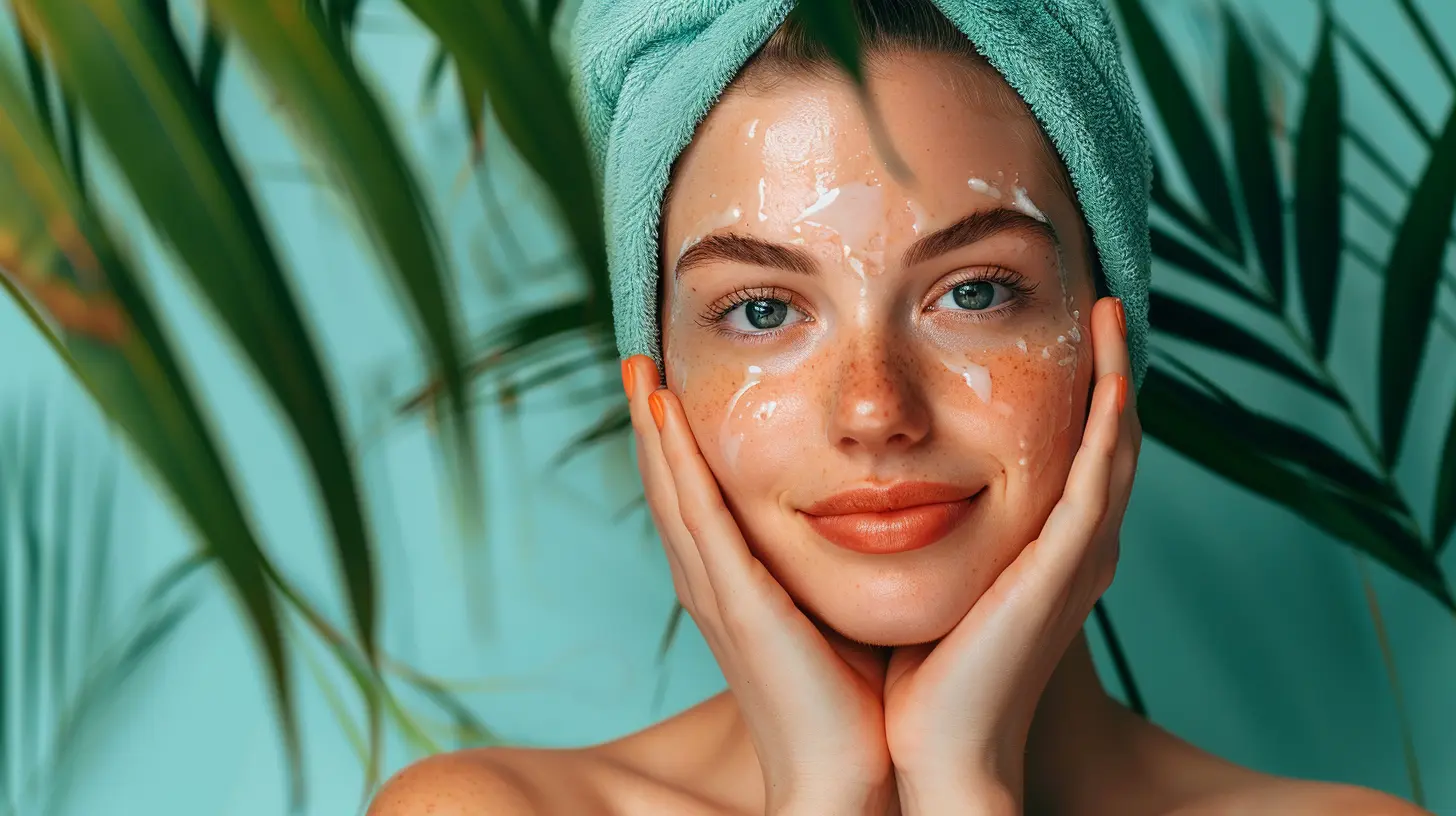
Best Moisturizer for Oily Skin
It might sound backward, but oily skin still needs hydration. The trick? Go for lightweight, non-comedogenic options that won’t clog your pores.What to Look For:
- Gel-based or water-based formulas- Oil-free and non-comedogenic labels
- Ingredients like salicylic acid, niacinamide, or zinc
Pro Tips:
You’re better off with a moisturizer that balances oil production rather than stripping it. Over-drying can make your skin pump out even more oil. It’s a vicious cycle—don’t fall for it.Best Moisturizer for Dry Skin
Dry skin isn’t just a little flakiness—it’s your skin crying out for moisture. You need something rich, nourishing, and loaded with emollients and humectants.What to Look For:
- Thick cream or balm textures- Occlusive ingredients like shea butter or petrolatum
- Ceramides, glycerin, or hyaluronic acid
Pro Tips:
Apply your moisturizer while your skin is still slightly damp after cleansing. That helps lock in more hydration. Think of it like sealing in the good stuff with a lid.Best Moisturizer for Combination Skin
Combination skin is like a moody teenager—constantly changing. You need a product that can balance oil in the T-zone without drying out the cheeks.What to Look For:
- Gel-cream textures- Lightweight hydration
- Adaptive ingredients like niacinamide and hyaluronic acid
Pro Tips:
You can actually multi-moisturize—use a mattifying product on your oily areas and a richer cream on the dry spots. Yes, it’s a little extra work—but your skin will thank you.Best Moisturizer for Normal Skin
If you’ve got normal skin, congratulations—you’ve hit the skincare lottery. Still, that doesn’t mean you can skip moisturizer. Your skin still needs protection and hydration.What to Look For:
- Balanced formulas- Lightweight lotions with antioxidants
- SPF during the day
Pro Tips:
Since your skin is pretty chill, you can focus on added benefits—like anti-aging, brightening, or pollution protection.Best Moisturizer for Sensitive Skin
Sensitive skin is like a picky eater—one wrong ingredient and you’re red, itchy, or inflamed. Less is more here.What to Look For:
- Hypoallergenic and dermatologist-tested formulas- Fragrance-free and alcohol-free
- Ingredients like aloe vera, oat extract, or centella asiatica
Pro Tips:
Always patch test new products on your wrist or jawline before slathering them on your entire face. Better safe than sorry!Day vs Night Moisturizers—Is There a Difference?
Yes! And it’s not just marketing.- Day Moisturizers: Usually lighter and often contain SPF. They’re designed to wear well under makeup and protect against environmental damage.
- Night Moisturizers: Typically richer, focusing on repair and hydration while you sleep. They may include actives like peptides or retinol.
Think of it like this—day creams are your shield, night creams are your repair crew.
Natural vs Synthetic—Does It Really Matter?
This one’s tricky. “Natural” doesn’t always mean better, and “synthetic” isn’t necessarily bad.Natural oils and plant extracts can be amazing for hydration—but they can also trigger allergies, especially in sensitive skin types.
On the flip side, lab-formulated ingredients (like peptides or ceramides) are often more stable and effective.
Bottom line? It’s not about natural vs synthetic—it’s about what works for YOUR skin.
How to Apply Moisturizer the Right Way
Yes, there is a “right” way. And no, rubbing it in aggressively doesn’t count.Step-by-step:
1. Start with clean, slightly damp skin.2. Use about a pea-sized amount for your face.
3. Press the product into your skin gently instead of dragging.
4. Don’t forget your neck (it ages too, ya know).
Pro tip: Layer your moisturizer after your serums but before sunscreen during the day.
Common Moisturizer Mistakes (And How to Avoid Them)
Let’s clear up a few things:- Using too much: More isn’t always better. You’re not frosting a cake.
- Skipping it if you’re oily: Major no-no. Dehydrated skin produces more oil.
- Switching products too often: Give your skin time to adjust.
- Only moisturizing once a day: Ideally, you should moisturize morning AND night.
When to Switch Moisturizers
Just like you wouldn’t wear shorts in winter, your skincare should shift with the seasons. If your skin suddenly feels tight, greasy, or irritated—your moisturizer might not be cutting it.You’ll want a lighter formula in the summer and a richer cream in the winter. And hey, your skin can change with age, stress, or hormones too. Keep an eye (and hand) on what it needs.
Final Thoughts: Your Skin, Your Rules
At the end of the day, skincare isn’t about chasing trends or copying influencers. It’s about finding what makes YOUR skin feel healthy, hydrated, and happy.So don’t be afraid to trial and error. Patch test, read labels, pay attention to how your skin reacts—and you’ll find “the one” in no time. Promise.
Here’s to dewy, balanced, healthy skin—no matter your skin type.
all images in this post were generated using AI tools
Category:
Healthy SkinAuthor:

Sophia Wyatt
Discussion
rate this article
2 comments
Anna Myers
Finding the perfect moisturizer can feel like a treasure hunt! Remember, your skin deserves the best—keep experimenting until you find your hydration soulmate. Happy moisturizing!
February 6, 2026 at 5:20 AM
Sophia Wyatt
Thank you for your thoughtful comment! Finding the right moisturizer truly is a journey, and I appreciate your encouragement to keep exploring. Happy hydrating!
Alexander McQuiston
Great tips! Thank you for sharing!
January 17, 2026 at 4:22 AM
Sophia Wyatt
You're welcome! I'm glad you found them helpful!