How to Deal with Constipation Caused by Medications
15 May 2026
Constipation can be frustrating, uncomfortable, and downright painful. And when the culprit is your medication, it can feel like an unfair side effect of something that's supposed to help you feel better. But don’t worry—you’re not alone, and better yet, there are ways to manage it effectively.
If you're struggling with constipation caused by medications, this guide will walk you through simple and natural ways to get your digestive system back on track.

Why Do Medications Cause Constipation?
Before we dive into solutions, it’s important to understand why certain medications slow things down in your gut.Many types of medications can mess with your digestive system by:
- Reducing the movement of food through the intestines
- Absorbing more water from stool, making it harder and drier
- Affecting the gut’s natural balance of bacteria
Some of the biggest offenders include:
- Painkillers (opioids like codeine and morphine) – These slow down gut movement.
- Antidepressants (especially tricyclic types) – They affect neurotransmitters that control digestion.
- Iron supplements – Essential for blood health, but notorious for constipation.
- Calcium channel blockers (for high blood pressure) – These relax muscles, including those in your intestines.
- Antacids containing aluminum or calcium – While they neutralize stomach acid, they can also clog up your digestive system.
If any of these sound familiar, don’t worry—you don’t have to suffer in silence. Let’s talk about how to get things moving again! 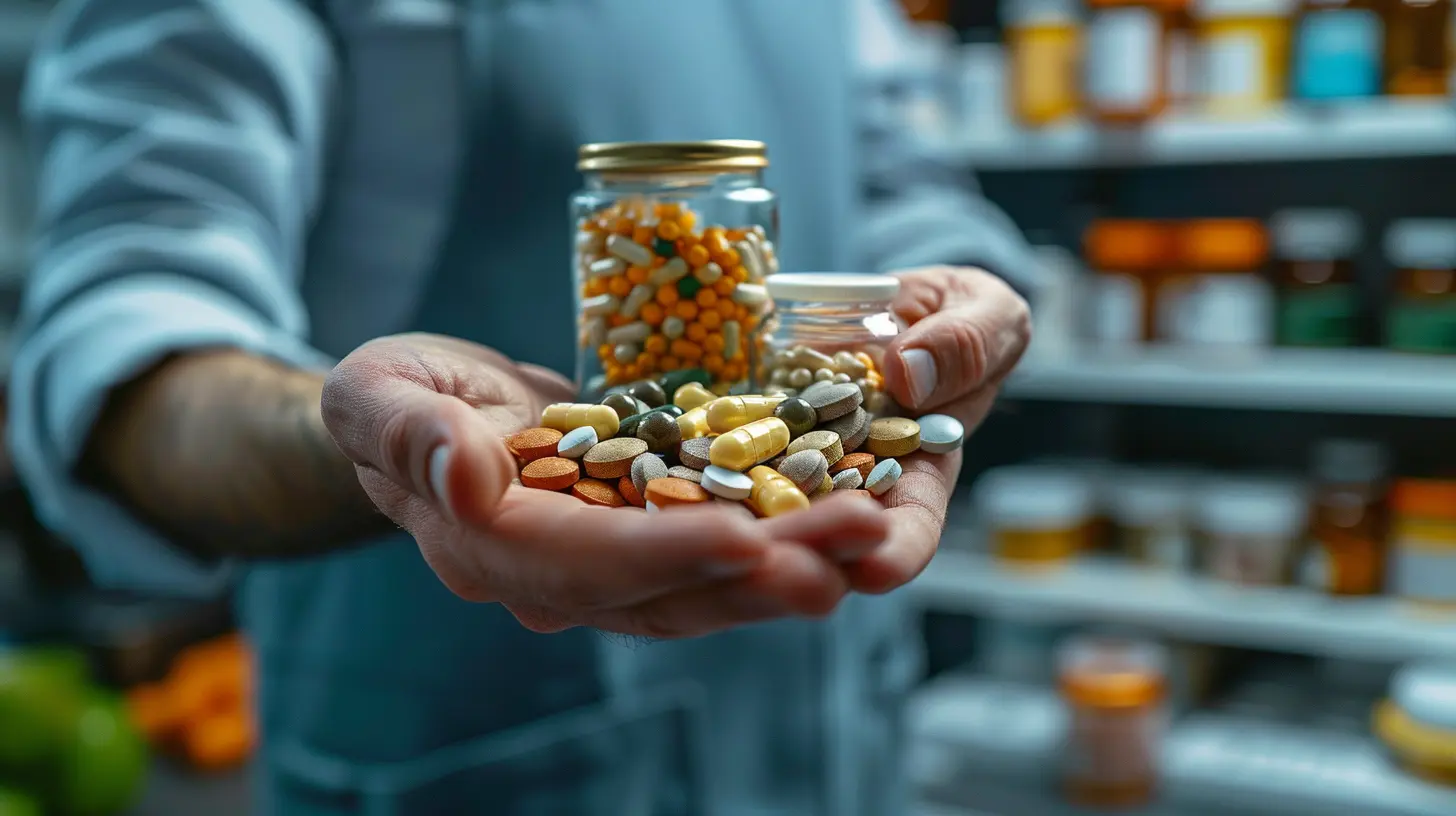
Practical Ways to Relieve Medication-Induced Constipation
1. Drink More Water (Like, A Lot More!)
Dehydration is one of the biggest culprits behind constipation. Medications can zap moisture from your stool, making it hard and difficult to pass. The simple solution? Drink more water!Try to:
- Drink at least 8-10 glasses of water per day
- Start your morning with a glass of warm water (add lemon for extra benefits)
- Keep a water bottle with you at all times
Think of your digestive system like a water slide—without enough water, nothing moves smoothly!
2. Load Up on Fiber-Rich Foods
Fiber is your gut’s best friend when it comes to keeping things moving. It adds bulk to your stool and helps it pass more easily.Here are some fiber-packed foods to add to your diet:
- Fruits: Apples, pears, berries, bananas, prunes
- Vegetables: Spinach, broccoli, carrots, Brussels sprouts
- Whole grains: Oats, brown rice, quinoa, whole wheat bread
- Beans & Legumes: Lentils, chickpeas, black beans
A simple trick? Aim for 25-30 grams of fiber per day. If you're not used to high-fiber foods, increase your intake gradually to avoid bloating.
3. Get Moving—Literally!
Regular physical activity can do wonders for digestion. If you spend all day sitting, your intestines move at a sluggish pace too.Try these simple ways to stay active:
- Take a 10-15 minute walk after meals
- Do light stretching or yoga (some poses help digestion!)
- Opt for stairs instead of the elevator
Think of exercise like a massage for your intestines—movement keeps everything flowing smoothly.
4. Try a Natural Laxative (But Don’t Overdo It)
Nature has gifted us with some fantastic, mild laxatives that help relieve constipation without harsh side effects. Some of the best options include:- Prunes or prune juice – A natural remedy that works like magic
- Psyllium husk (Metamucil) – A fiber supplement that adds bulk to stool
- Flaxseeds and chia seeds – Loaded with fiber and healthy fats
- Aloe vera juice – Gentle and effective for some people
Use these in moderation—too much can lead to cramping or diarrhea.
5. Cut Back on Problem Foods
Some foods make constipation worse, so it’s best to limit or avoid them. These include:- Dairy products (cheese, milk, heavy cream)
- Processed foods (fast food, chips, frozen meals)
- Red meat (harder to digest and low in fiber)
- Refined carbs (white rice, white bread, pastries)
Instead, swap these for whole, fiber-rich foods that support digestion.
6. Consider Magnesium Supplements
Magnesium plays a key role in muscle function—including the muscles in your intestines. If you’re struggling with constipation, magnesium supplements can help relax your bowels and ease things out.Great sources of magnesium include:
- Leafy greens (spinach, kale)
- Nuts and seeds (almonds, pumpkin seeds)
- Dark chocolate (yes, really!)
You can also try magnesium citrate supplements, which are known for their gentle laxative effects.
7. Talk to Your Doctor About Alternatives
If your medication is causing persistent constipation and nothing seems to help, talk to your doctor. There may be alternatives that don’t have the same digestive side effects.Some medications can be switched, adjusted, or combined with stool softeners or fiber supplements to make them easier on your system. Never stop taking a prescribed medication without consulting your healthcare provider. 
When to Seek Medical Help
Sometimes, constipation can signal something more serious. Seek medical attention if you experience:- Constipation lasting more than three weeks
- Severe abdominal pain or bloating
- Blood in your stool
- Unexplained weight loss
- Vomiting
These symptoms could indicate an underlying issue that needs medical attention. Always trust your gut—literally! 
Final Thoughts
Medication-induced constipation is annoying, but it doesn’t have to control your life. By staying hydrated, eating fiber-rich foods, moving your body, and incorporating gentle natural remedies, you can keep your digestive system happy.And remember—listen to your body. If something feels off, don’t hesitate to reach out to a healthcare professional for guidance.
Small lifestyle changes can make a huge difference. You've got this!
all images in this post were generated using AI tools
Category:
Bowel HealthAuthor:

Sophia Wyatt
Discussion
rate this article
2 comments
Bellamy McKenzie
Sometimes, the solutions for our ailments hide in the shadows of medication. Finding relief from this unexpected side effect might lead you on an unexpected journey... Are you ready to explore?
August 19, 2026 at 5:01 PM
Sophia Wyatt
Absolutely, exploring all options can lead to better solutions. Let's dive into these alternatives together.
Susan McGhee
Thank you for this helpful article. It's comforting to know that I'm not alone in facing constipation as a side effect of medication. Your practical tips on diet changes and hydration are a great reminder. I plan to try some of these suggestions to find relief. Appreciate your insights!
May 16, 2026 at 3:15 AM
Sophia Wyatt
I'm glad you found the article helpful! Wishing you relief with those tips. You're definitely not alone in this.