The Science Behind Omega-3s: How They Fight Inflammation
1 May 2026
Let’s talk about fats — yes, fats! The kind that have been labeled as "bad" for decades. But hold on, not all fats are villains in your health story. In fact, some are straight-up superheroes, and at the top of that list? Omega-3 fatty acids.
You've probably seen omega-3s on supplement bottles, in health blogs, or maybe heard your doc mention them once or twice. But what are they, really? And how exactly do they help your body, specifically when it comes to battling inflammation?
Grab a comfy seat, maybe a green smoothie (with flaxseeds, perhaps?), and let’s unpack the fascinating science behind omega-3s and their natural power to fight inflammation.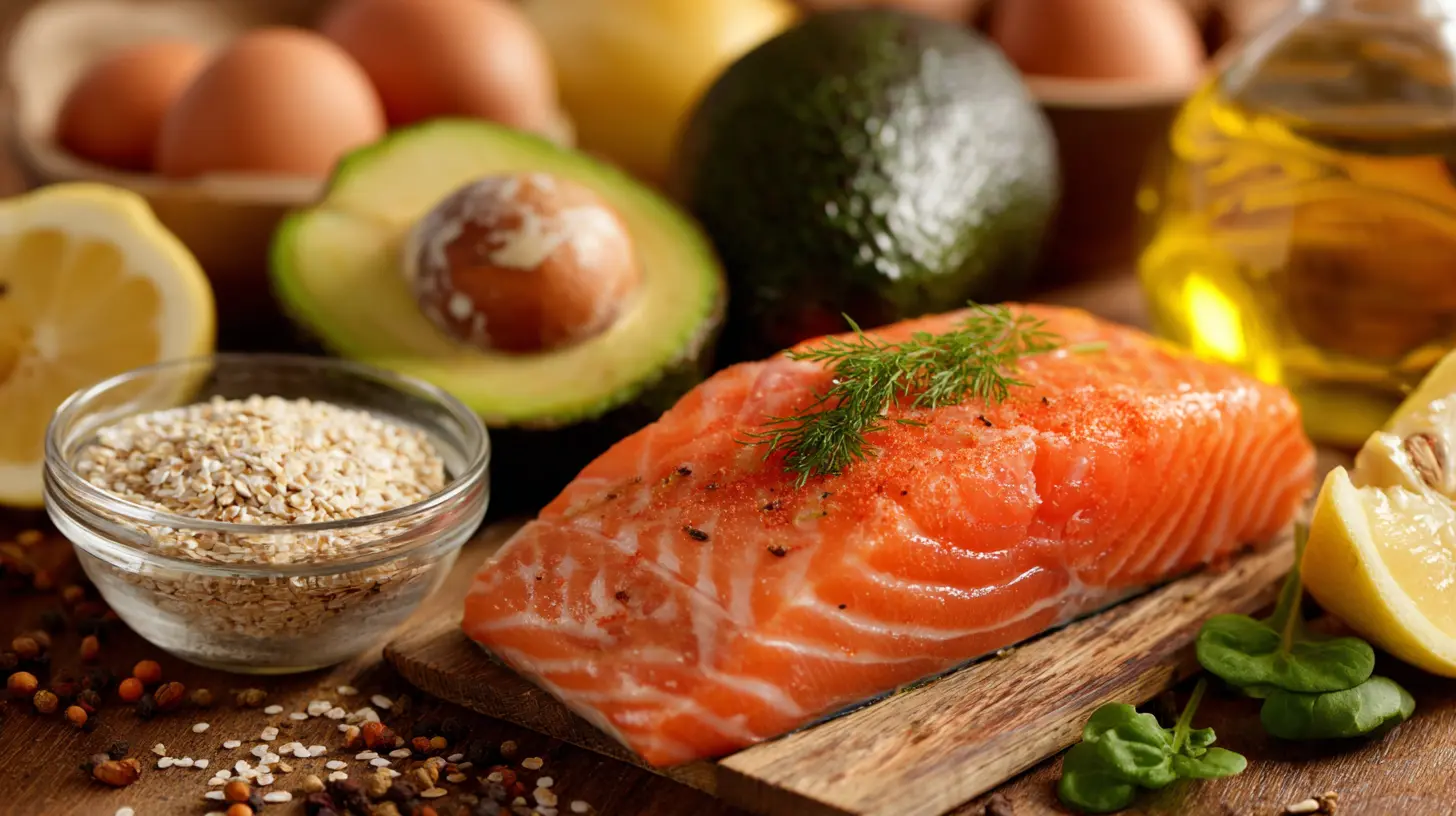
What Are Omega-3 Fatty Acids, Anyway?
Omega-3s are a type of polyunsaturated fat — one of the "good guys.” They're essential fats, which is a fancy way of saying our bodies can’t make them on their own. So, we need to get them from food or supplements.There are three main types of omega-3s:
- ALA (Alpha-linolenic acid): Found mostly in plant oils like flaxseed, chia seeds, hemp, and walnuts.
- EPA (Eicosapentaenoic acid): Present in fatty fish like salmon, mackerel, and sardines.
- DHA (Docosahexaenoic acid): Also found in fatty fish and crucial for brain health.
Think of ALA as the rookie with potential — your body can try to convert it into EPA and DHA, but the process is super inefficient. That's why most experts suggest getting EPA and DHA directly from your diet or fish oil supplements.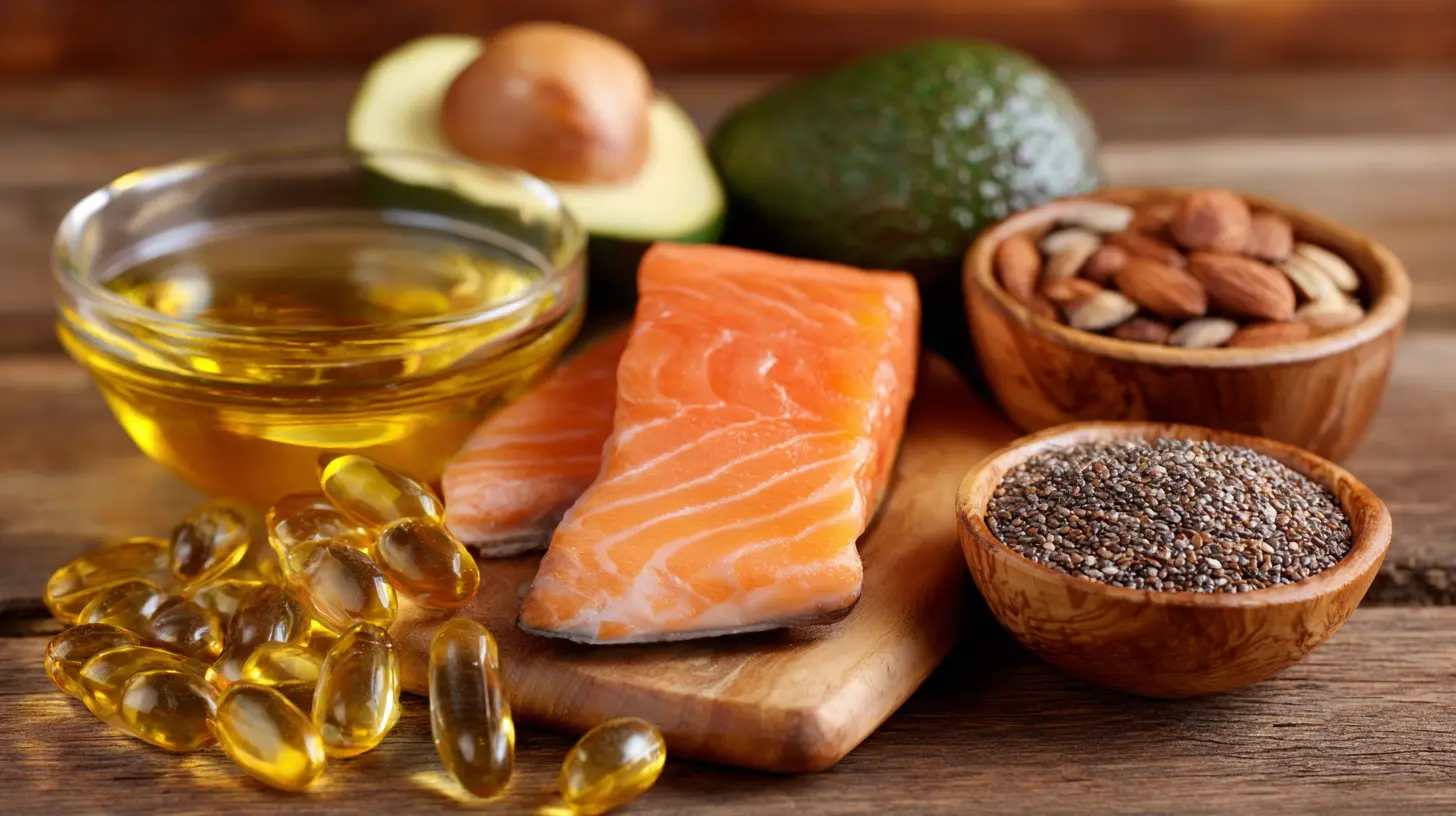
The Inflammation Breakdown: Friend or Foe?
Alright, let’s have a quick heart-to-heart about inflammation.Inflammation isn’t always a bad thing. It’s your body’s built-in alarm system. When you stub your toe or catch a virus, your immune system jumps into action, sending white blood cells to repair the damage. That’s acute inflammation, and it’s completely normal.
The problem starts when inflammation lingers too long — this is called chronic inflammation. It’s like having your body’s alarm system stuck in panic mode. Over time, chronic inflammation can lead to serious conditions like:
- Heart disease
- Type 2 diabetes
- Alzheimer’s
- Certain cancers
- Arthritis
Now here's the kicker — chronic inflammation often flies under the radar. You might not even know it's there until it’s already done some damage. That's where omega-3s come in.
So, How Do Omega-3s Actually Fight Inflammation?
This is where the science gets seriously cool — but don’t worry, I won’t throw a bunch of jargon at you.? The Biochemical Magic
When your body detects a threat (like injury or infection), it releases signaling molecules called cytokines and eicosanoids. These little guys are like text messages to your immune system, saying, “Hey, we’ve got a problem here!”Now, some of these molecules are inflammatory, and some are anti-inflammatory. Omega-3s — particularly EPA and DHA — help reduce the production of those pro-inflammatory ones. They also increase the levels of molecules that actively resolve inflammation, called resolvins and protectins.
So basically, omega-3s don’t just "block" inflammation — they help your body turn off inflammation when it’s no longer needed. Think of them as peacekeepers that prevent your immune system from going rogue.
? Lower Inflammatory Markers
Want some hard proof? Studies have shown that higher omega-3 intake is associated with lower levels of markers like C-reactive protein (CRP) and interleukin-6 (IL-6) — both of which are red flags for inflammation in your body.
Benefits of Omega-3s Beyond Inflammation
Yes, omega-3s are inflammation-fighting champions, but that’s just one of their superpowers. Here’s what else they can do:❤️ Heart Health
EPA and DHA have been shown to:- Reduce triglycerides
- Lower blood pressure
- Decrease the risk of plaque buildup in arteries
- Reduce the chance of heart attacks and strokes
Basically, they give your heart a big ol’ hug from the inside.
? Brain Boost
Our brains are nearly 60% fat, and DHA makes up a large chunk of that. It’s crucial for brain function, memory, and even mood. Low omega-3 levels have been linked to depression, ADHD, and cognitive decline.?️ Eye Health
DHA isn’t just great for your brain — it’s also found in high amounts in the retina. That means omega-3s play a big role in maintaining vision and may even help prevent macular degeneration.? Joint Pain Reduction
Got creaky knees or stiff joints? Omega-3s have been shown to relieve symptoms of rheumatoid arthritis and reduce morning stiffness. They're like WD-40 for your joints!Where to Get Your Omega-3 Fix
Alright, so now you’re probably wondering, “How do I get more of these magical fatty acids into my life?”? Fatty Fish
Your best bet for EPA and DHA is cold-water fatty fish. Aim for at least two servings per week. Some top picks:- Salmon
- Mackerel
- Tuna
- Herring
- Sardines
(Pro tip: Go for wild-caught when possible. They tend to have higher omega-3 content.)
? Plant-Based Options
If you’re vegan or vegetarian, don’t worry — you’re not out of luck. Focus on ALA sources like:- Flaxseeds (ground, not whole)
- Chia seeds
- Walnuts
- Hemp seeds
- Brussels sprouts (yep, those too!)
While ALA doesn’t convert to EPA and DHA super efficiently, every bit helps — especially if you’re consistent.
? Supplements
If you’re not a big fish fan or just want to be sure you’re hitting your omega-3 goals, consider a supplement. Look for:- Fish oil
- Krill oil
- Algae oil (great for vegans)
Just make sure the supplement is tested for purity, especially mercury and heavy metals, which can be a concern with fish-based options.
How Much Do You Actually Need?
There’s no official RDA (Recommended Daily Allowance) for omega-3s, but most health organizations suggest:- 250–500 mg of combined EPA + DHA per day for healthy adults
- Higher doses (2,000–4,000 mg) may be recommended for specific conditions like high triglycerides or rheumatoid arthritis — but always check with your doc first!
Omega-3s vs. Omega-6s: The Balancing Act
Here’s something most people don’t know — the ratio of omega-3s to omega-6s in your diet matters a lot.Omega-6s are another type of fat found in vegetable oils, processed foods, and fried snacks. While they’re not inherently bad, most people are eating way too many of them, and not enough omega-3s. This imbalance can actually increase inflammation.
The ideal ratio? Somewhere between 1:1 and 4:1 (omega-6 to omega-3).
Right now, most Western diets are closer to 20:1. Yikes.
So, the goal isn’t to eliminate omega-6s — just to increase your omega-3 intake to bring things back into balance.
Tips to Boost Your Omega-3 Intake (Without Losing Your Mind)
- Swap vegetable oil for olive or avocado oil- Toss chia or flaxseeds into smoothies, oatmeal, or yogurt
- Choose fatty fish instead of red meat a couple times a week
- Try an omega-3 supplement if you’re not into fish
- Snack on walnuts instead of chips (your brain will thank you)
Final Thoughts: Omega-3s and You
Here’s the bottom line — chronic inflammation is sneaky, harmful, and linked to almost every major chronic disease. Omega-3s are like nature’s anti-inflammatory fire extinguisher. They get in there, cool things down, and help your body return to a balanced state of calm.Adding omega-3s to your life doesn’t have to be complicated. A few simple swaps here and there, a little more awareness, and boom — you're giving your body one of the best tools it has to stay strong and healthy.
So, next time you’re grocery shopping or deciding what to eat, think about those mighty omega-3s. Your joints, brain, and heart will quietly high-five you.
all images in this post were generated using AI tools
Category:
Healthy FatsAuthor:

Sophia Wyatt
Discussion
rate this article
2 comments
George McQuillan
Omega-3s are a powerhouse for your health. By tackling inflammation, they support everything from heart health to mood improvement. Embrace the benefits of these essential fatty acids in your diet and take a step toward a healthier, happier you. Keep thriving!
May 3, 2026 at 4:44 PM
Sophia Wyatt
Absolutely! Omega-3s play a crucial role in reducing inflammation and boosting overall health. Incorporating them into your diet can lead to significant benefits. Thanks for highlighting their importance!
Eli Carrillo
This article offers insightful explanations on the role of omega-3 fatty acids in reducing inflammation. The science is clearly presented, making it accessible for anyone looking to improve their health. A great read for those interested in nutrition and wellness.
May 3, 2026 at 3:59 AM
Sophia Wyatt
I appreciate your feedback! I'm glad you found the article clear and helpful for understanding omega-3s and their benefits.