How Much Cholesterol Is Too Much? Understanding the Numbers
5 May 2026
Cholesterol—it’s like that one friend who can be super helpful but also a total troublemaker when you least expect it. Your body needs it, but too much can spell disaster for your heart.
So, how much cholesterol is too much? What do all those numbers on your blood test even mean? Let’s break it all down like a detective solving a case—only this time, it’s about your health! 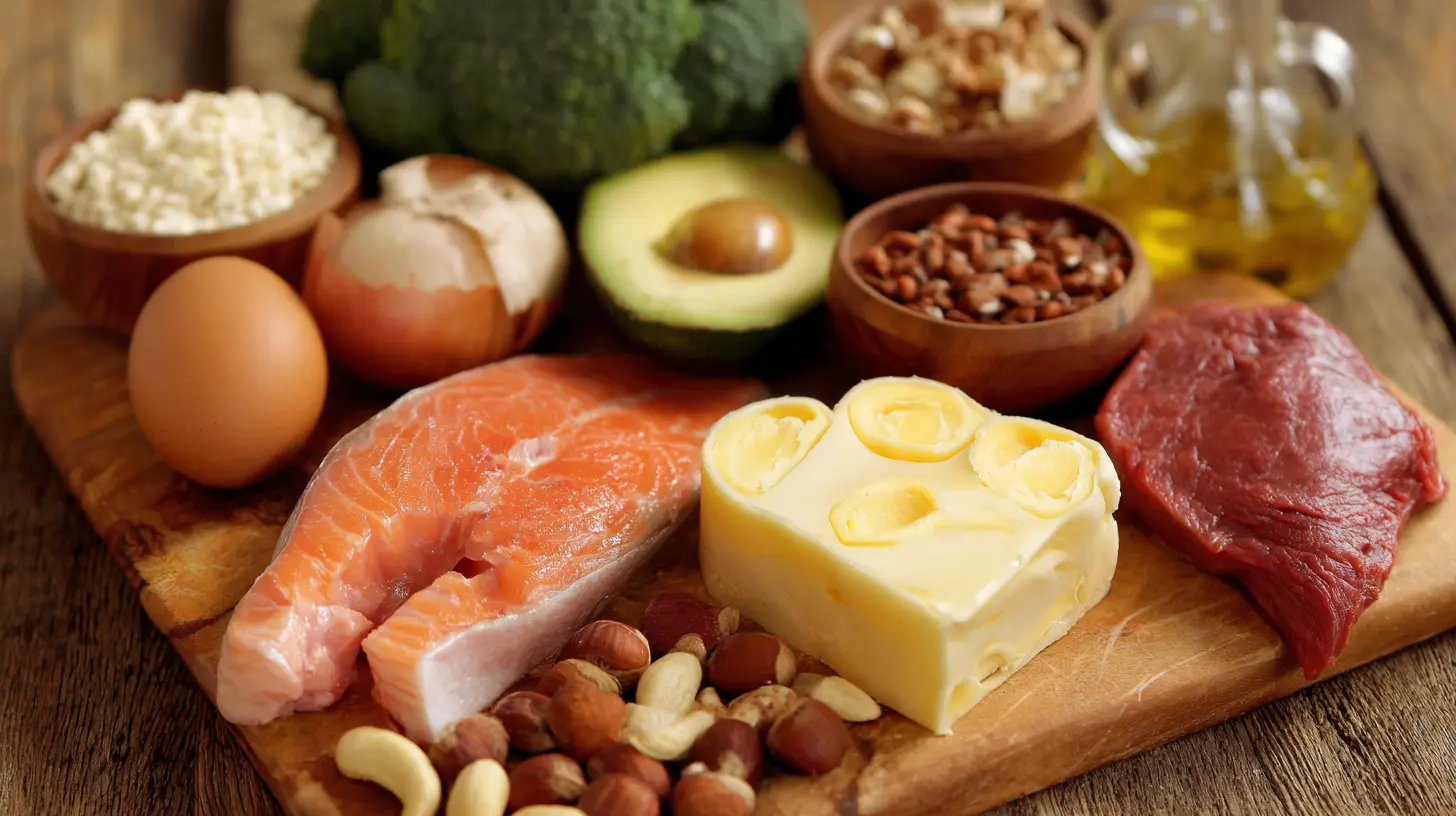
What Is Cholesterol, Anyway?
Before we start throwing numbers around, let’s get one thing straight: cholesterol isn’t inherently bad. Your body actually makes it naturally, and it plays a crucial role in building cells and producing certain hormones.There are two main types:
- LDL (Low-Density Lipoprotein): Often called "bad cholesterol," LDL can build up in your arteries and cause blockages.
- HDL (High-Density Lipoprotein): The "good cholesterol," HDL helps remove bad cholesterol from your bloodstream.
It’s all about balance. Too much LDL? Bad news. Plenty of HDL? That’s what we want! 
Breaking Down the Numbers: How Much Is Too Much?
When you get a cholesterol test (also called a lipid panel), you’ll see a bunch of numbers. Here’s how to decode them:1. Total Cholesterol
This number is the sum of your LDL, HDL, and 20% of your triglycerides (another type of fat in your blood).- Good: Less than 200 mg/dL
- Borderline High: 200-239 mg/dL
- High: 240 mg/dL and above
If your total cholesterol is creeping past 200, your doctor may want to keep an eye on it. But this number alone isn’t the full story!
2. LDL (The Bad One)
This is the number you really don’t want getting too high. Too much LDL can cause plaque buildup in your arteries, leading to heart disease.- Optimal: Less than 100 mg/dL
- Near Optimal: 100-129 mg/dL
- Borderline High: 130-159 mg/dL
- High: 160-189 mg/dL
- Very High: 190 mg/dL and above
If your LDL is climbing past 130, it’s time to start thinking about lifestyle tweaks.
3. HDL (The Good One)
This is the cholesterol you actually want more of! HDL helps clear out excess cholesterol from your bloodstream.- Optimal: 60 mg/dL and above (higher is better!)
- Okay-ish: 40-59 mg/dL
- Low (Risky): Less than 40 mg/dL (for men), Less than 50 mg/dL (for women)
Low HDL levels can increase heart disease risk, so boosting this number should be a priority.
4. Triglycerides
Not exactly cholesterol, but closely linked. High triglycerides often come hand-in-hand with high LDL and low HDL.- Normal: Less than 150 mg/dL
- Borderline High: 150-199 mg/dL
- High: 200-499 mg/dL
- Very High: 500 mg/dL and above
High triglycerides can be a red flag for metabolic syndrome, a cluster of conditions that raise your risk of heart disease, stroke, and diabetes. 
What Happens If You Have Too Much Cholesterol?
Picture your arteries like highways. When cholesterol (especially LDL) builds up, it’s like traffic congestion—except instead of cars, it’s fatty deposits clogging up the road. This condition is called atherosclerosis.Over time, clogged arteries can lead to:
- Heart attacks (when a blocked artery stops blood flow to the heart)
- Strokes (when a blockage cuts off blood supply to the brain)
- Peripheral artery disease (PAD) (which restricts blood flow to the limbs)
Yikes. Nobody wants that. 
How Can You Keep Cholesterol in Check?
Alright, so now that we know what the numbers mean, how can you make sure your cholesterol stays at a healthy level?1. Eat Smart
Food plays a massive role in cholesterol levels. Stick to:✅ Healthy fats: Found in avocados, nuts, and olive oil.
✅ Fiber-rich foods: Oats, beans, fruits, and veggies help lower cholesterol.
✅ Lean proteins: Fish, chicken, and plant-based options are better than red meats.
And avoid:
❌ Trans fats: Found in processed snacks and fried foods. These are LDL-boosting monsters.
❌ Excess sugar: It’s not just fats—sugar can elevate triglycerides.
❌ Too much saturated fat: Found in butter, cheese, and fatty meats.
2. Get Moving
Exercise doesn’t just burn calories—it helps raise HDL (the good cholesterol) and lower LDL. Aim for:?♂️ 30 minutes a day of moderate exercise like walking, cycling, or swimming.
?️♀️ Strength training at least twice a week.
Even small changes, like taking the stairs instead of the elevator, can help!
3. Quit Smoking
Smoking lowers your HDL (the good cholesterol) and damages blood vessels, making cholesterol problems even worse. Quitting can improve your numbers fast.4. Watch Your Alcohol Intake
A little wine might be okay, but too much alcohol can raise triglycerides and contribute to weight gain. Stick to moderation (one drink per day for women, two for men).5. Consider Medication (If Needed)
If lifestyle changes aren’t enough, doctors may prescribe statins or other cholesterol-lowering drugs. These help prevent cholesterol from clogging up your arteries.The Bottom Line
So, how much cholesterol is too much? The answer depends on which number we’re looking at!- Keep total cholesterol under 200 mg/dL
- Aim for LDL under 100 mg/dL
- Try to keep HDL above 60 mg/dL
- Keep triglycerides under 150 mg/dL
If your numbers look a little off, don’t panic! Small lifestyle tweaks can make a huge difference. And if needed, your doctor can guide you toward the best steps to keep your heart happy and healthy.
Your arteries will thank you!
all images in this post were generated using AI tools
Category:
CholesterolAuthor:

Sophia Wyatt
Discussion
rate this article
2 comments
Rhea Flores
Cholesterol matters... know your numbers.
May 14, 2026 at 2:41 AM
Sophia Wyatt
Absolutely, knowing your numbers is key to managing cholesterol effectively.
Bear Mathews
Great article! Understanding cholesterol numbers can be confusing, but you broke it down so clearly. This information is so important for taking control of our health. Keep up the great work!
May 6, 2026 at 3:36 AM
Sophia Wyatt
Thank you for the kind words! I'm glad you found it helpful. Your health matters, and I'm here to share what I can.