How Fatty Foods Affect Your Digestive System
17 June 2026
Let’s be honest — fatty foods are delicious. That buttery croissant, crispy fried chicken, or a slice of cheesy pizza? Yeah, our taste buds throw a party every time. But what about your gut? Is your digestive system dancing along or groaning in protest?
We're diving deep (but not deep-frying) into what fatty foods really do to your digestive system. Spoiler alert: while fat is essential for your health, too much of the greasy kind can stir up some serious trouble in your belly.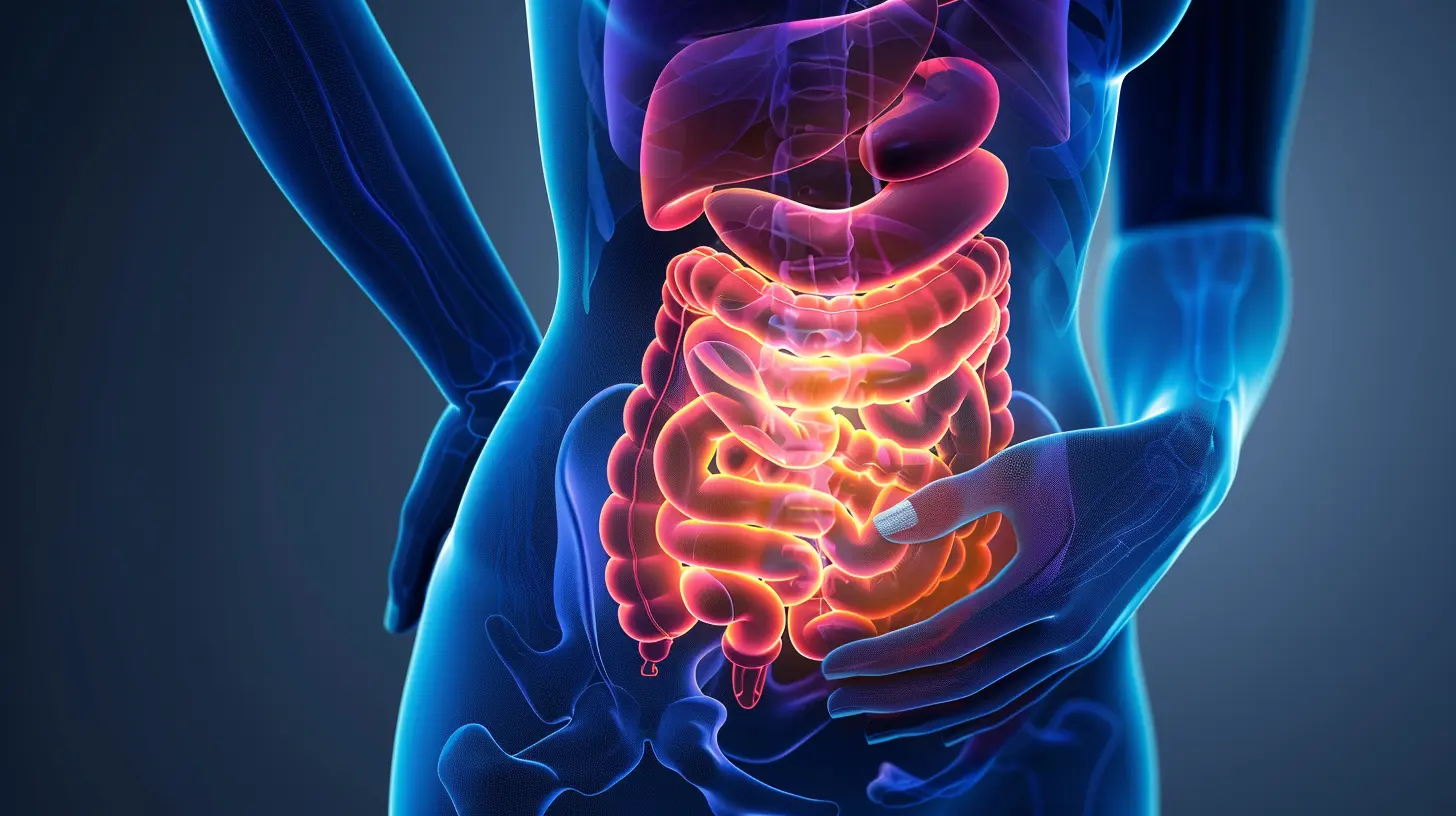
What Are Fatty Foods, Anyway?
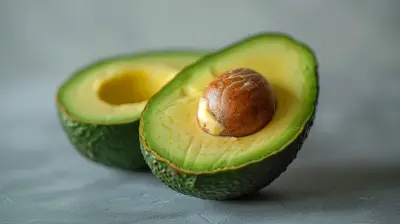
Before we go down the digestive rabbit hole, let's define fatty foods. There are three main types of fats:- Unsaturated Fats (the good guys) – Found in foods like avocados, nuts, seeds, and olive oil.
- Saturated Fats – Found in butter, cheese, red meat, and other animal products.
- Trans Fats (the villains) – Mostly found in processed and fried foods; they raise bad cholesterol and lower good cholesterol.
Not all fats are created equal. Your body needs some fats to function properly, but consuming too many bad fats? That’s where the problems start.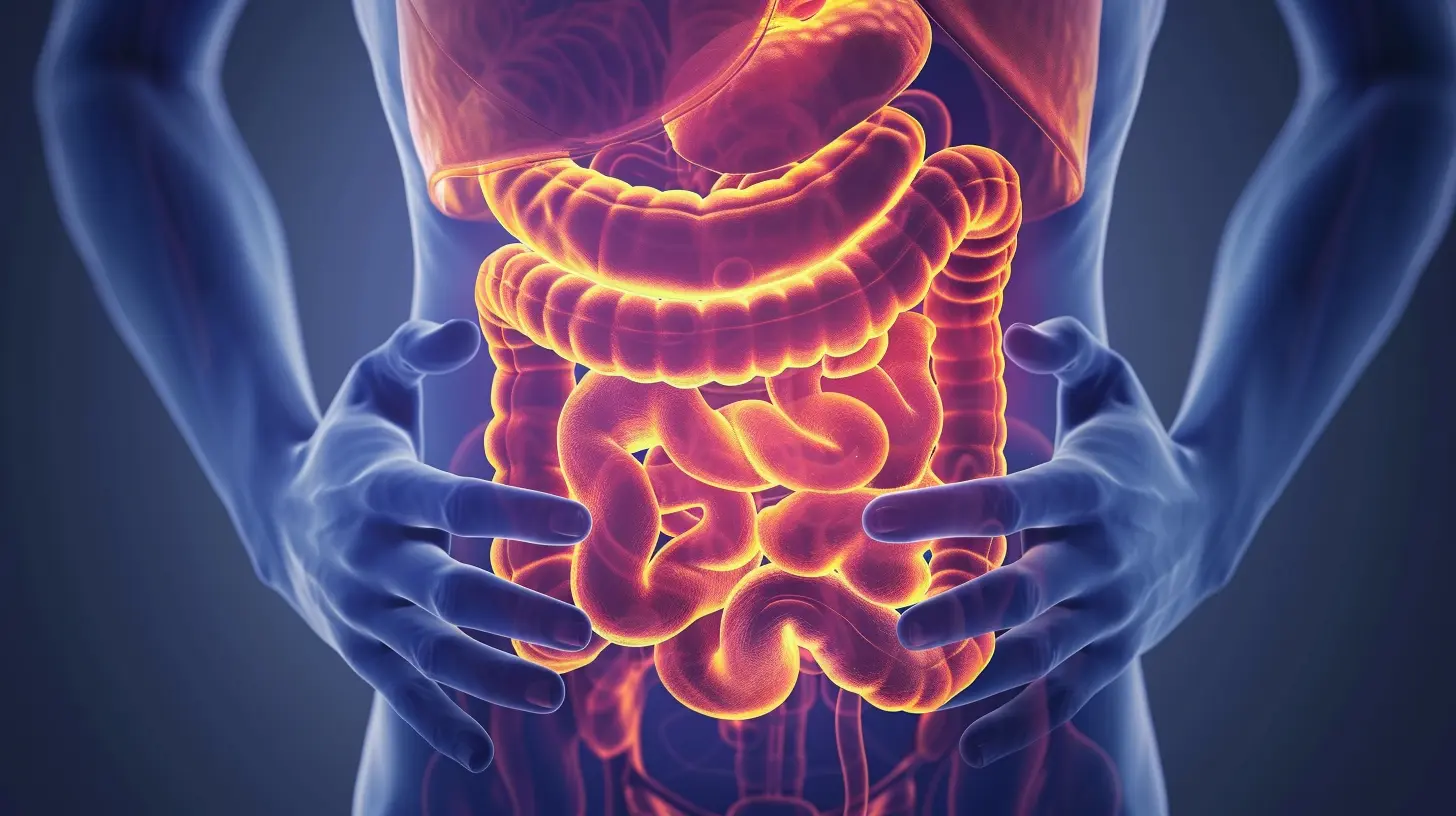
Your Digestive System: A Quick Refresher
Imagine your digestive system as a long, twisty water slide. When you eat, food takes a ride starting from the mouth, through the esophagus, into the stomach, then swirls through the intestines, before finally exiting the body.Along the way, various organs — like the liver, pancreas, and gallbladder — pitch in to break down the food so your body can absorb nutrients. When it comes to fat, digestion takes a bit more effort.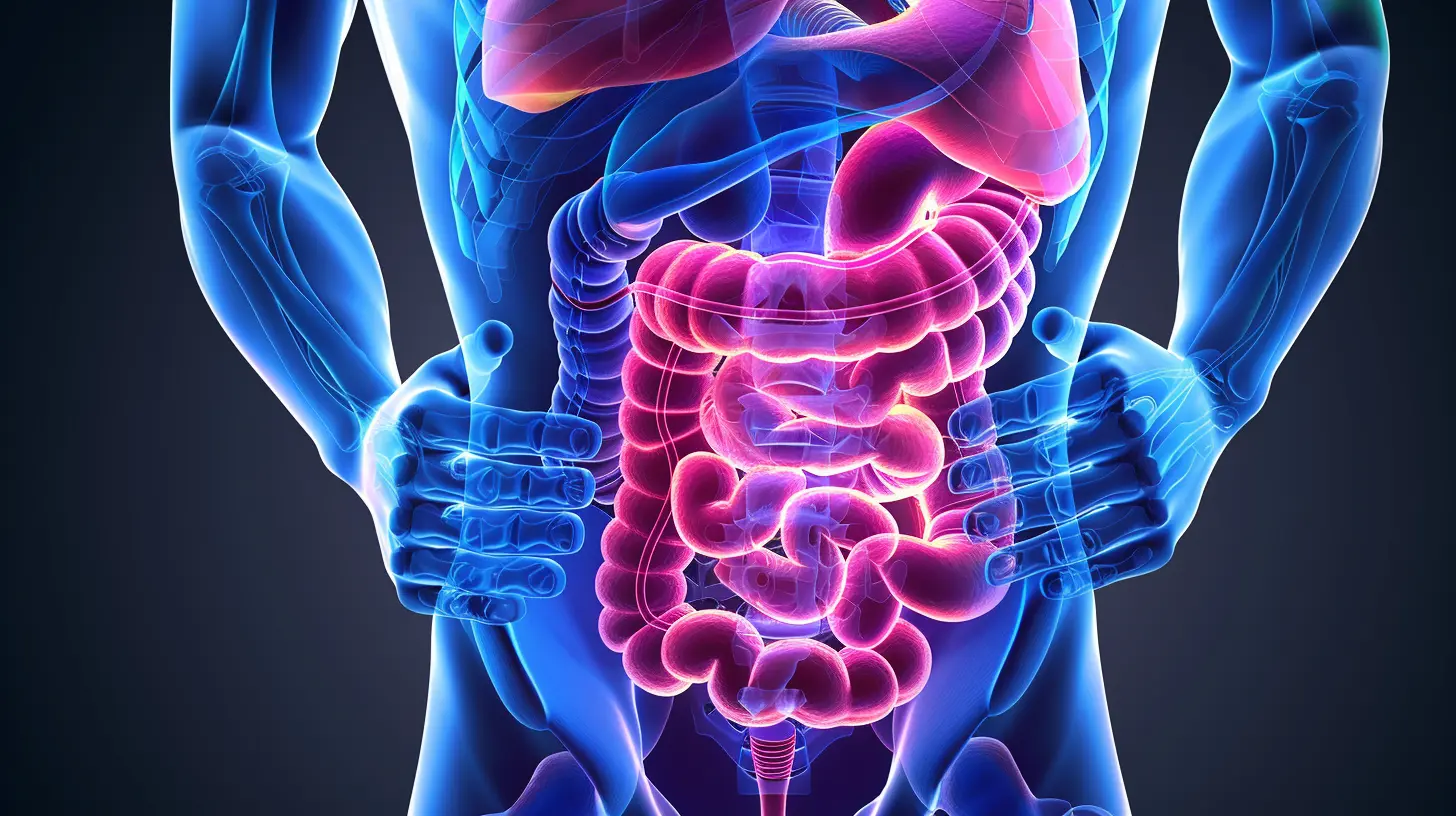
The Role of Fat in Digestion
Your body actually loves fat — in moderation. Here's why:- Fat is a concentrated source of energy.
- It helps absorb fat-soluble vitamins (A, D, E, K).
- It supports cell growth and hormone production.
But here’s the catch: fat is harder to digest than carbs or protein. Why? Because it doesn’t dissolve in water. Remember that science class experiment when oil floated on top of water? That’s fat for you — slippery and stubborn.
Your digestive system has to work overtime to process it.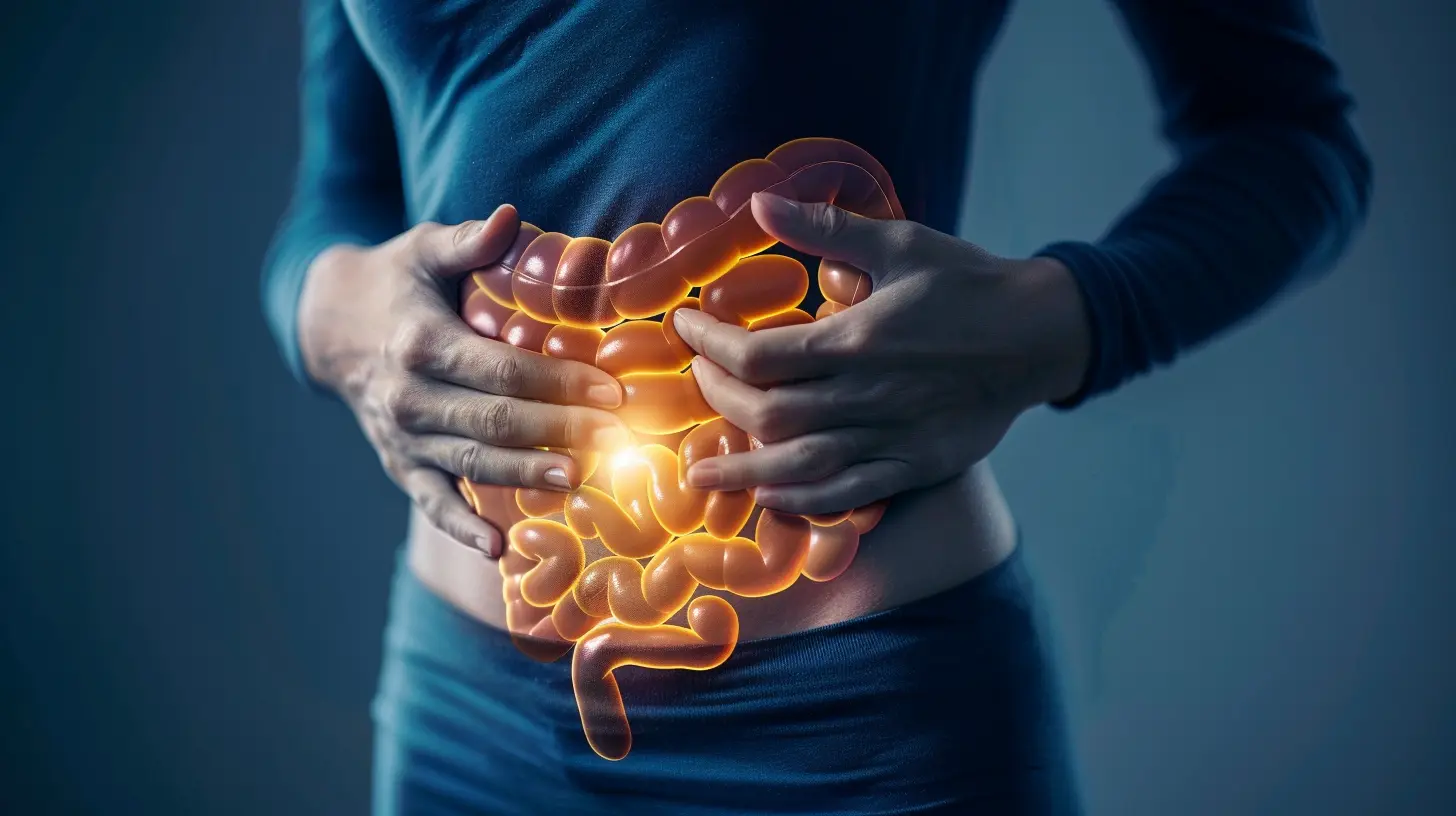
How the Body Breaks Down Fat
Here’s what happens when fatty food hits your stomach:1. Digestion Begins in the Small Intestine
Unlike carbs and proteins, fat mostly skips digestion in the stomach. It waits until it reaches the small intestine.
2. Bile to the Rescue
The liver makes bile (a greenish-yellow fluid), which is stored in the gallbladder. When fat enters the small intestine, bile is released to help break fat into smaller droplets — like dish soap cutting through grease.
3. Pancreatic Enzymes Step In
Next, the pancreas releases digestive enzymes (lipases) that chop those fat droplets into fatty acids and glycerol — forms your body can actually absorb.
It’s a lot of work. Imagine trying to clean a pan coated in bacon grease — hot water and soap can help, but it still takes extra elbow grease. Same goes for your gut.
The Short-Term Impact of Eating Fatty Foods
So what happens right after you crush that double cheeseburger?1. Sluggish Digestion
Fat slows digestion. Literally. It lingers in your stomach longer than other nutrients, which is why fatty meals make you feel full — or bloated. That heavy, "food baby" feeling? Yup, that's fat hanging around in your stomach.2. Indigestion & Heartburn
When food stays in the stomach too long, it increases stomach acid, which can creep upward into the esophagus. Hello, heartburn.3. Stomach Pain & Cramps
Excess fat can overwhelm the digestive system, especially if your body isn't used to it. This can lead to cramps, discomfort, or even nausea.4. Loose Stools or Diarrhea
If your body struggles to break down all that fat, it may pass through the intestines too quickly — leading to diarrhea. Sometimes the fat remains undigested and makes your stool greasy or foul-smelling. Not fun.Long-Term Effects of a High-Fat Diet
Now, if fatty meals are a once-in-a-while indulgence, your body can usually handle it. But eating high-fat meals regularly? That can set you up for more serious digestive (and overall health) issues.1. Gallstones
Your gallbladder releases bile to digest fat. A high-fat diet can overwork it, leading to gallstones — hard deposits that can cause sharp abdominal pain, nausea, and even require surgery.2. Pancreatitis
Eating tons of fatty foods can inflame the pancreas. Pancreatitis is no joke — it can cause severe pain, vomiting, and may lead to long-term damage.3. Irritable Bowel Syndrome (IBS) Flares
Fatty foods are known to trigger IBS symptoms in sensitive individuals. If you have IBS, high-fat foods might cause gas, bloating, cramping, and irregular bowel movements.4. Leaky Gut Syndrome
Though still being researched, some experts believe that a diet high in bad fats can damage the lining of the intestines, allowing toxins and undigested food to "leak" into the bloodstream — a potential root of inflammation and autoimmune problems.Fat and Gut Flora: The Forgotten Piece
Let’s talk gut bacteria — the tiny, invisible army that keeps your digestive system happy. Your gut has trillions of microbes that help with digestion, immune support, and even your mood.But a diet heavy in unhealthy fats (especially trans fats) can:
- Reduce good bacteria
- Promote bad bacteria growth
- Increase gut inflammation
Think of it like a garden. Feed it junk, and weeds grow. Feed it right, and you get thriving, colorful blooms. Your gut deserves a lush, balanced garden.
Not All Fats Are Bad: The Healthy Alternatives
So, should you ditch all fats? Definitely not. Your body needs fat — just not the deep-fried kind.Here’s how you can make fats work for your digestion (not against it):
✅ Swap Saturated and Trans Fats for Unsaturated Fats:
- Instead of butter → use avocado or olive oil- Instead of margarine → try nut butters
- Ditch the fried burger → grill salmon or chicken
✅ Add Fiber-Rich Foods:
Fiber helps digestion and balances fats in the gut. Load your plate with vegetables, fruits, whole grains, and legumes.✅ Eat Smaller Portions:
If you’re indulging in fattier meals, keep the portions small. Think of it as enjoying a treat, not making it your main fuel.✅ Drink Plenty of Water:
Water helps move food through the digestive tract. It’s like giving your internal plumbing a good flush.Tips to Help Your Digestive System Handle Fats Better
Already had that oily meal and feeling the aftermath? Here are a few quick tips:- Take a gentle walk: It helps food move along the digestive tract.
- Sip warm herbal tea: Ginger or peppermint can soothe bloating or cramps.
- Avoid lying down right after eating: It can worsen acid reflux or heartburn.
- Use digestive enzymes: Supplements can help if you have trouble digesting fats, but ask your doctor first.
Final Thoughts
Look, food is meant to be enjoyed. And yes, that includes the occasional fried treat or cheesy delight. But when fatty foods become the norm rather than the exception, your digestive system starts to protest — loudly.Fat requires more from your body to digest. It slows things down, can cause bloating, diarrhea, and even lead to long-term problems like gallstones or gut inflammation. But with a few smart swaps and some mindful eating, you can enjoy fat without wrecking your digestion.
Because at the end of the day, your gut deserves to feel as good as your taste buds do.
all images in this post were generated using AI tools
Category:
Bowel HealthAuthor:

Sophia Wyatt
Discussion
rate this article
1 comments
Jocelyn McCaffrey
Choose wisely-healthy choices lead to a happier, thriving gut!
June 21, 2026 at 4:09 PM
Sophia Wyatt
Absolutely, making mindful choices is key to supporting gut health. A balanced diet truly makes a difference!