Gut Health and Autoimmune Diseases: Understanding the Link
27 July 2026
Let’s talk about your gut—yep, that rumbling, grumbling, finicky friend that does more than digest your pizza. Believe it or not, your gut might just be the unsung hero (or villain) behind your immune system acting like it’s auditioning for a soap opera. Spoiler alert: the connection between gut health and autoimmune diseases is real—and it’s wild.
So grab a snack (maybe a probiotic one?), get comfy, and let’s dive gut-first into how your everyday belly blues might be messing with your immune system.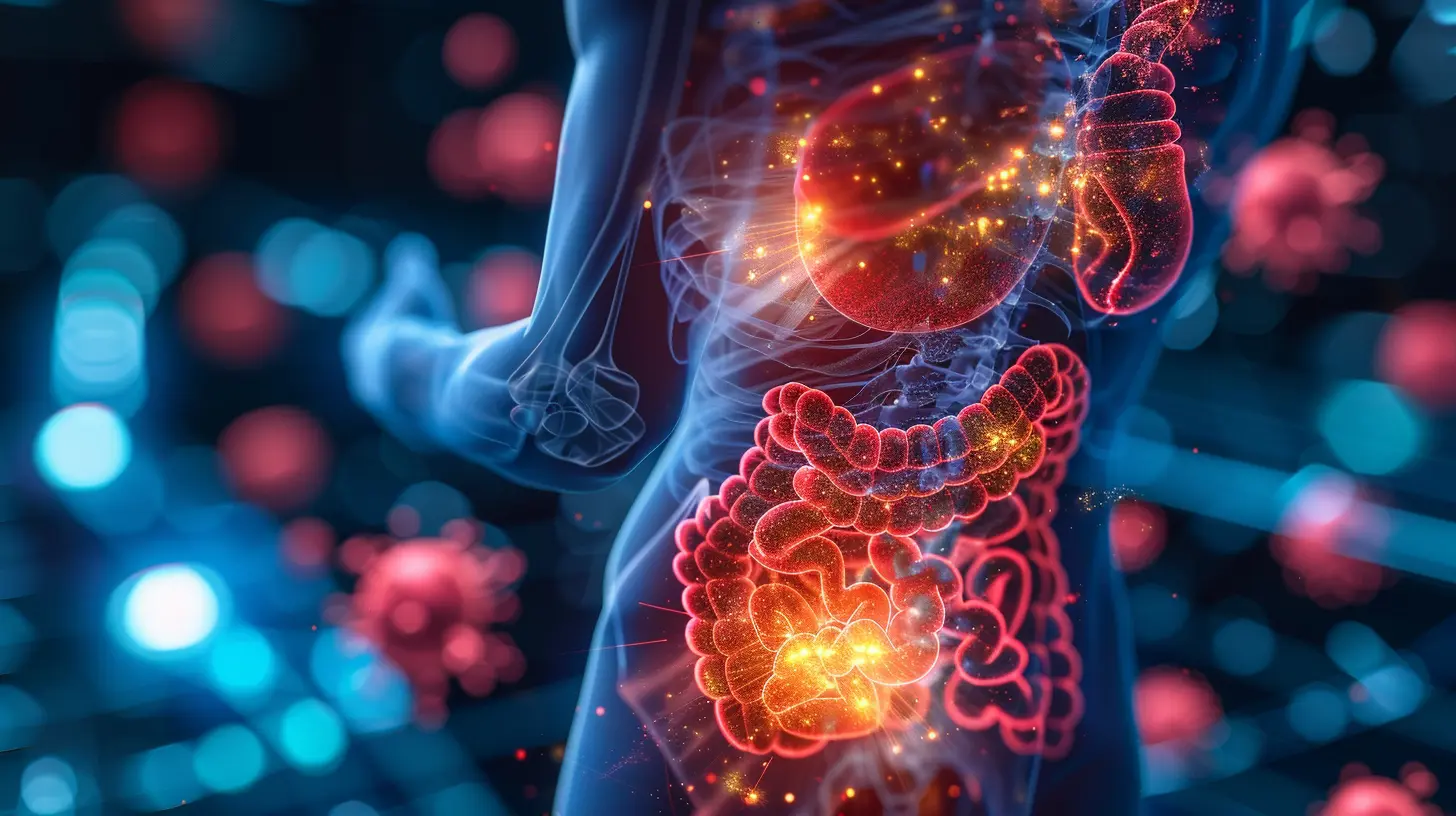
Meet Your Microscopic Roommates: The Gut Microbiome
Okay, time for a quick biology lesson. Don’t worry—it’ll be more “gut-busting comedy” than “high-school science horror.”Inside your intestines lives a bustling metropolis of bacteria, viruses, fungi, and other tiny creatures. This microbial community is called the gut microbiome, and it’s basically the party zone of your digestive system.
And no, not all bacteria are bad. Some are like your loyal sidekicks—they help digest food, produce vitamins, keep harmful invaders out, and even help manage your mood (hello, serotonin!).
But like any party, if the guest list gets out of whack (think rowdy freeloaders showing up uninvited), things can go downhill—fast.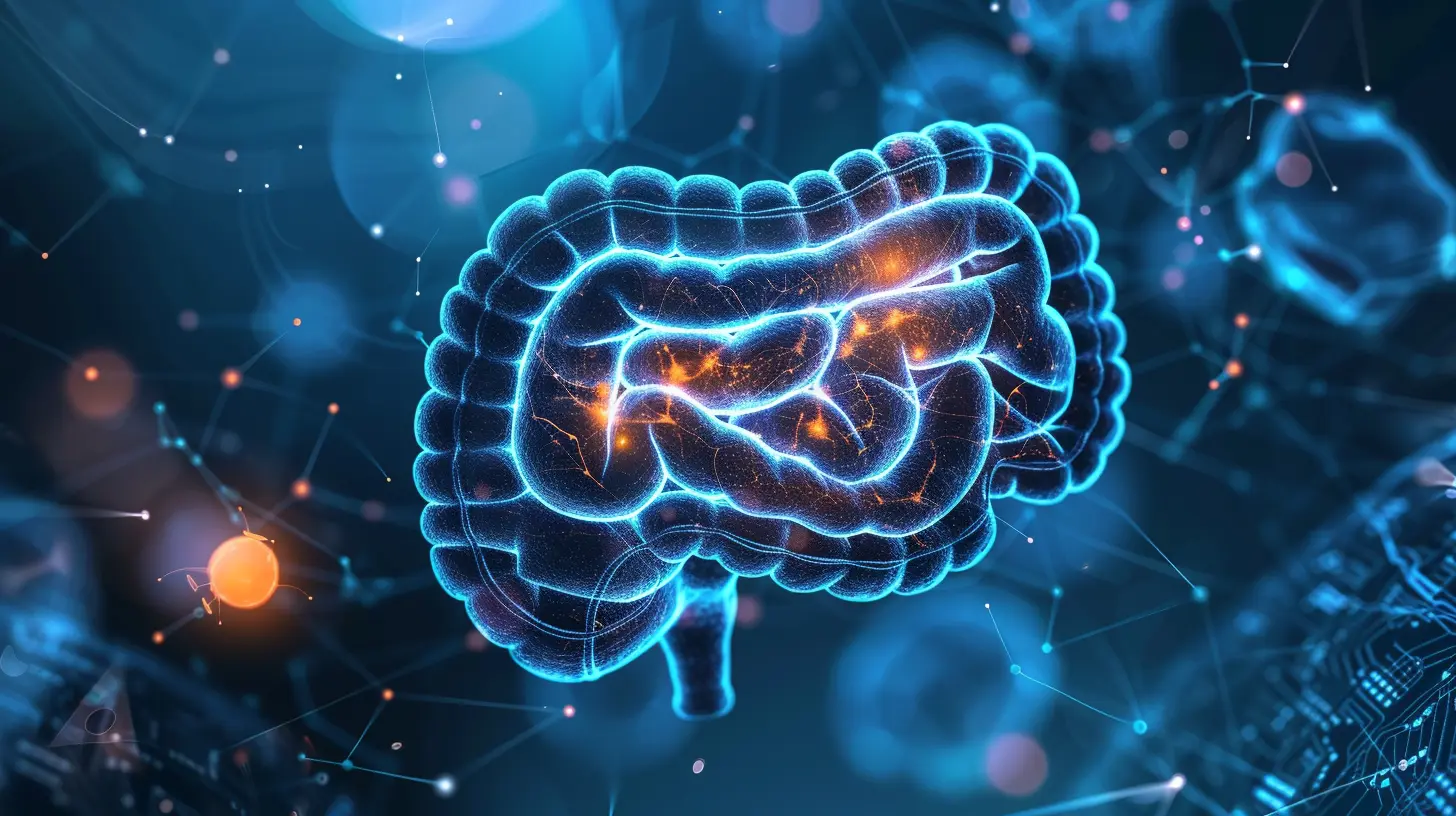
Autoimmune Diseases: When Your Immune System Loses the Plot
Imagine your immune system as a superhero team. Normally, it fights off villains like viruses, bacteria, and that dodgy sushi you probably shouldn’t have eaten. But sometimes, it gets confused and starts attacking you—your joints, skin, intestines, thyroid, you name it.Enter autoimmune diseases. These include conditions like:
- Rheumatoid arthritis
- Lupus
- Type 1 diabetes
- Celiac disease
- Multiple sclerosis
- Hashimoto’s thyroiditis
- Inflammatory bowel disease (okay, that one’s a two-for-one gut/autoimmune mess)
Over 80 autoimmune diseases exist, and they’re not here to play nice.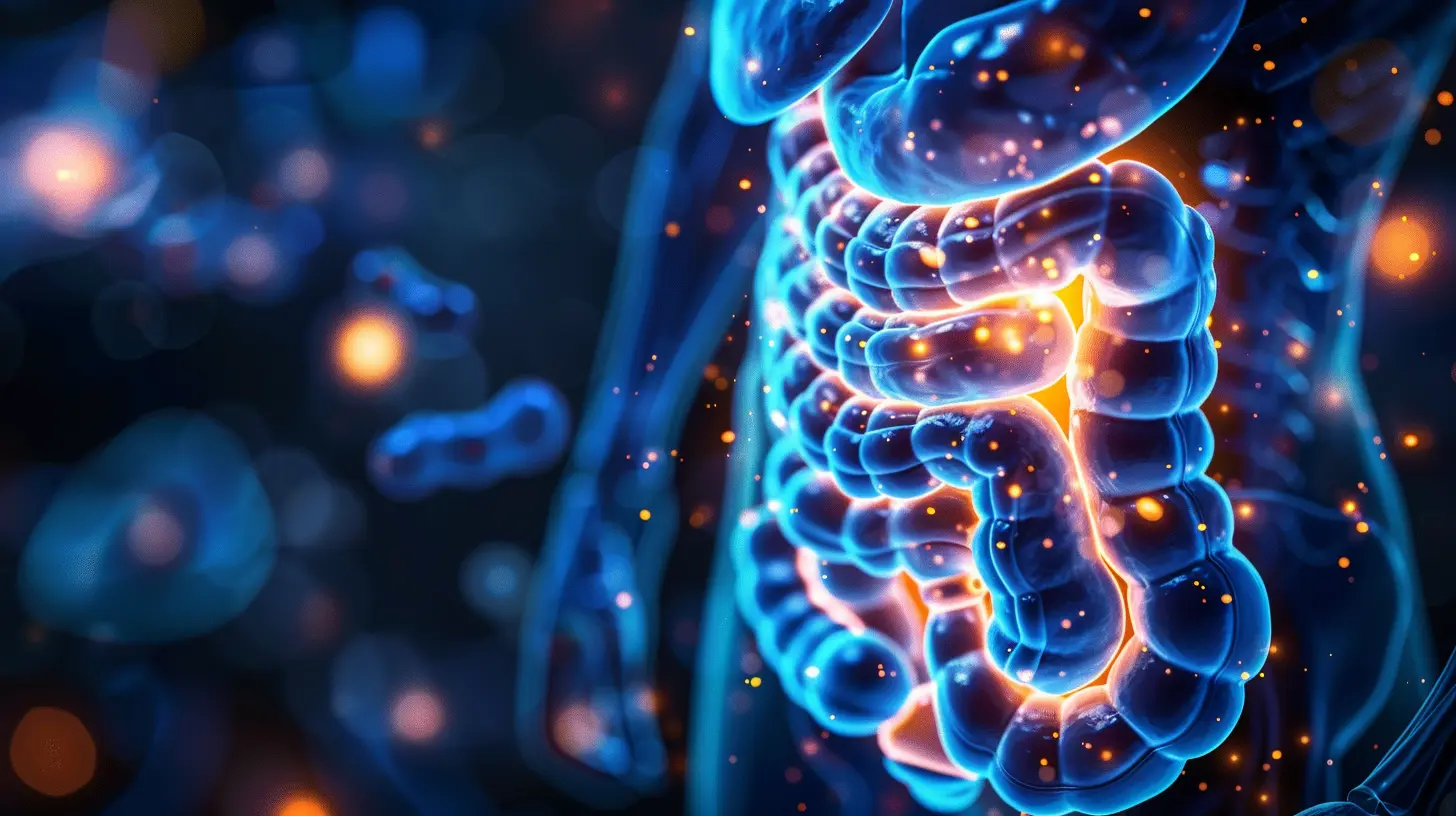
The Gut-Autoimmune Plot Thickens: What's the Deal?
So what’s the real link here? How does your gut go from digesting tacos to triggering systemic inflammation and autoimmunity?Let’s break it down.
1. Leaky Gut: When the Gut Wall Gets Sloppy
Your intestines aren’t just pipes. They’ve got walls that are supposed to be tight—like your nosy neighbor’s windows when you’re mowing the lawn shirtless.But sometimes, due to stress, poor diet, infections, or even too many ibuprofen tablets, those walls become porous. This is called intestinal permeability, or what the cool kids (and researchers) call “leaky gut.”
Now, when the gut wall leaks, bad stuff that should’ve stayed inside the intestines (like toxins, undigested food bits, and bacteria) slips into your bloodstream. Your immune system freaks out and starts throwing punches at anything that looks even mildly suspicious.
Sometimes, your actual organs get caught in the crossfire.
Cue autoimmune drama.
2. Molecular Mimicry: The Most Diabolical Identity Theft
Here’s where things get downright sneaky.Some bacteria or viruses look eerily similar to your body’s own cells. So when your immune system launches an attack on the invaders, it accidentally tags your own tissues as “Public Enemy #1.”
It’s kind of like mistaking your cousin for a celebrity stalker just because they wore sunglasses indoors.
This phenomenon—molecular mimicry—is one way researchers believe gut imbalances might trigger autoimmunity.
3. Gut Bugs = Immune Trainers
Your gut microbiota aren’t just digesting your kale salad—they're constantly talking to your immune system, training it like little microbial senseis.A healthy gut teaches your immune troops to stay calm and focus. An unhealthy gut? Well, it’s like teaching them to go berserk at the drop of a hat.
Studies have shown that people with autoimmune diseases often have reduced microbial diversity. Translation: too many of the wrong bacteria, not enough of the peacekeepers.
Chaos ensues.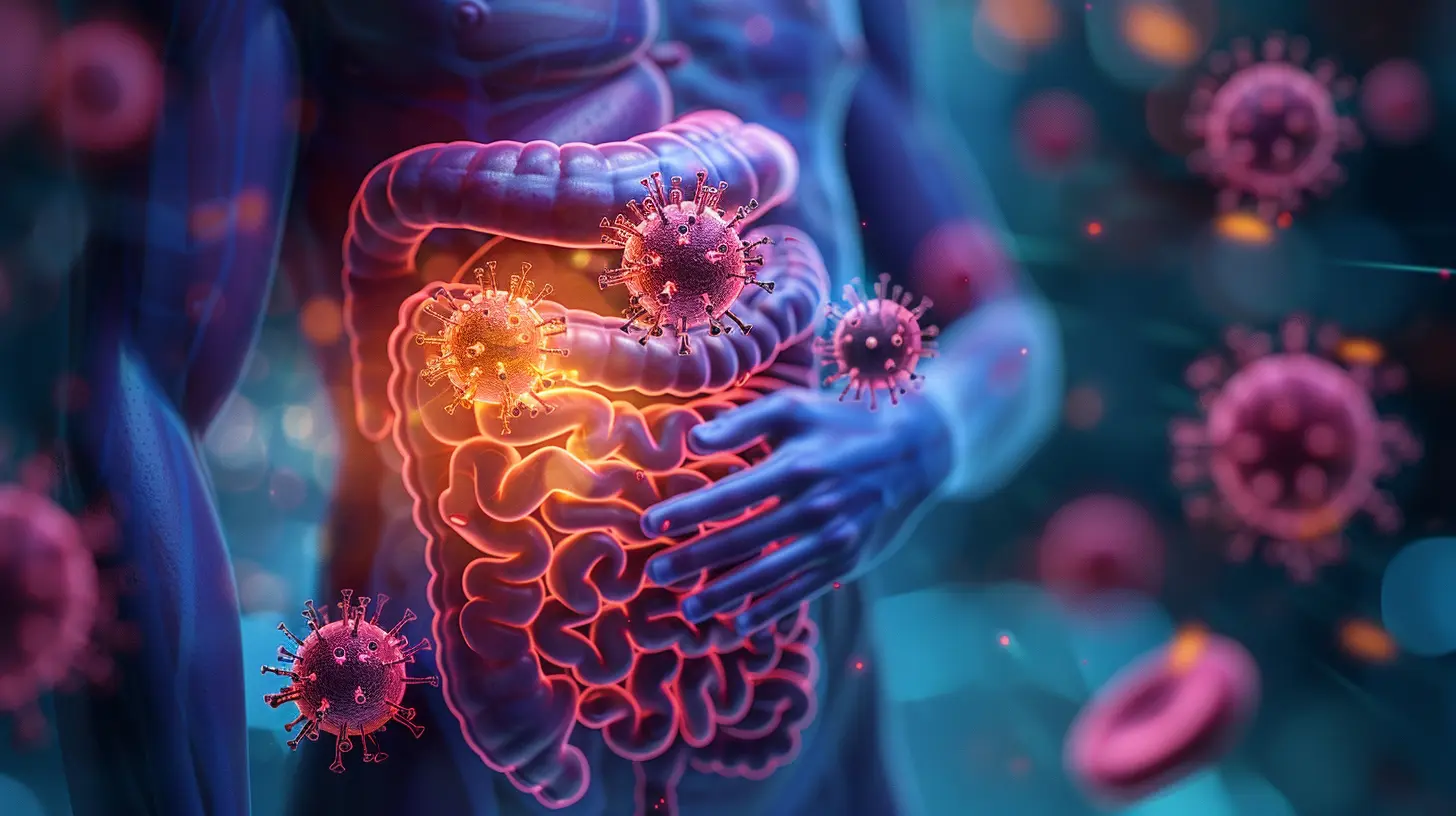
Gut Health Game Plan: How to Keep Your Gut from Going Rogue
So, how do we tame the gut beast and keep autoimmune flare-ups at bay (or at least try)? Let’s get practical.1. Eat More Fiber (AKA Gut Fodder)
Your good gut bugs are obsessed with fiber. It’s literally their favorite food. Feed them right and they’ll reward you with short-chain fatty acids (SCFAs)—fancy little compounds that reduce inflammation and keep your gut lining strong.Load up on:
- Leafy greens
- Beans
- Berries
- Whole grains
- Root veggies (sweet potatoes, carrots)
Seriously, your microbes will throw a fiber parade.
2. Probiotics and Prebiotics: The Dynamic Duo
Probiotics = the good bacteria you can eatPrebiotics = the food those bacteria love
Together, they’re like peanut butter and jelly—or Batman and Robin for your gut.
Good sources of probiotics:
- Yogurt (make sure it’s low sugar!)
- Kefir
- Sauerkraut
- Kimchi
- Miso
- Tempeh
Prebiotics include:
- Garlic
- Onions
- Bananas
- Asparagus
- Oats
Add 'em to your meals and let the symbiotic magic happen.
3. Ditch the Gut Bombs
Some foods and habits are basically carpet bombs for your gut. Try to limit or avoid:- Processed foods (RIP, neon-orange cheese puffs)
- Refined sugar
- Excess alcohol
- Artificial sweeteners
- NSAIDs (like ibuprofen)
- Chronic stress (because your gut feels your anxiety too)
Trust me, your gut doesn’t want to binge on soda and stress.
4. Chill Out: Stress Wrecks Your Gut
Speaking of stress—yeah, it's not just in your head. Chronic stress alters your gut bacteria and increases inflammation. Has anyone ever told you that “you are what you stress”? Because that’s basically true.Meditation, yoga, dancing like nobody’s watching, screaming into a pillow—it all helps. Your immune system will thank you with fewer freakouts.
5. Sleep: The Gut-Healing Superpower
Lack of sleep messes with your gut like a raccoon in your trash can. Aim for 7–9 hours a night. And no, scrolling TikTok until 2 a.m. doesn’t count as bedtime reading.Your gut microbes have their own circadian rhythm, and messing it up makes them cranky—and inflammatory.
Can Healing Your Gut Really Reverse Autoimmune Disease?
Here’s the juicy question.Can improving your gut health cure autoimmune diseases?
Well… not exactly. But it can help manage them, reduce flares, and in some cases, lead to symptom remission. Think of it like calming a cranky toddler instead of going full WWE every day.
Many people report significant improvement in symptoms after making gut-friendly changes. Functional medicine docs are all over this connection—and traditional docs are starting to pay attention too.
When to Call in the Experts
If you suspect your gut is staging a rebellion and you’re dealing with autoimmune symptoms (like constant fatigue, joint pain, unexplained rashes, or digestive issues), it’s cool to play detective.But don’t try to solve the autoimmune puzzle solo if it’s driving you nuts.
Get tested. Work with a health professional who understands the gut-immune link (shout-out to integrative or functional medicine peeps!).
Tests like:
- Stool analysis
- Food sensitivity panels
- SIBO breath test
- Zonulin (aka leaky gut marker)
- Comprehensive gut microbiome sequencing
…can help you get to the bottom (pun totally intended) of what’s going on.
Wrapping It Up: Trust Your Gut (Literally)
If your immune system is acting like a drama queen, your gut might be the bad influence whispering in its ear. The connection between gut health and autoimmune disease is like a backstage pass to understanding your body’s wildest mysteries.Take care of your gut like it’s your weird but lovable roommate—because, honestly, it kind of is. Feed it right, let it rest, reduce its stress, and maybe toss it a fermented treat now and then.
Oh, and next time you have a “gut feeling”? You might really want to listen.
all images in this post were generated using AI tools
Category:
Bowel HealthAuthor:

Sophia Wyatt
Discussion
rate this article
1 comments
Diesel Russell
Understanding gut health can truly empower your journey with autoimmune diseases. Stay hopeful!
July 27, 2026 at 4:17 PM
Sophia Wyatt
Thank you for your insightful comment! Gut health plays a crucial role, and hope is key in this journey.