Foods That Support a Healthy Gut and Improve Digestion
27 June 2026
Let’s talk about your gut. Not exactly the topic that comes up at dinner parties, right? But here’s the thing—your gut is kind of a big deal. It’s not just about digestion; it's where much of your immune system lives, it affects your mood, your energy, and yes, even how well you sleep.
If you've ever felt bloated, sluggish, or just "off," there’s a good chance your gut has something to say about it. The good news? Your fork holds the power to heal.
In this post, we’re serving up a hearty helping of insight into the foods that support a healthy gut and improve digestion. Ready to give your digestive system a little love? Let’s dig in.
Why Gut Health Matters More Than You Think
Your gastrointestinal tract isn’t just a food-processing assembly line. It’s a complex ecosystem—home to trillions of bacteria, both good and not-so-good, collectively known as your gut microbiome.These microscopic buddies:
- Help digest food
- Produce essential vitamins (like B vitamins and vitamin K)
- Regulate immune function
- Influence brain chemistry (ever heard of the gut-brain connection?)
So, when your gut's thriving, chances are, the rest of you is too. But when it's out of whack—hello, inflammation, fatigue, brain fog, skin problems, and... let’s not even talk about bathroom issues.
Now, how do you keep this internal world balanced? It starts with what’s on your plate.
Signs of Poor Gut Health
Before we jump into the gut-friendly foods, let’s chat quickly about the red flags that your digestive system might not be in its happy place:- Bloating or gas
- Constipation or diarrhea
- Food intolerances
- Frequent colds or infections
- Skin irritation like eczema or breakouts
- Mood swings or anxiety
Sound familiar? Don't worry. You’re about to arm yourself with knowledge that can turn things around.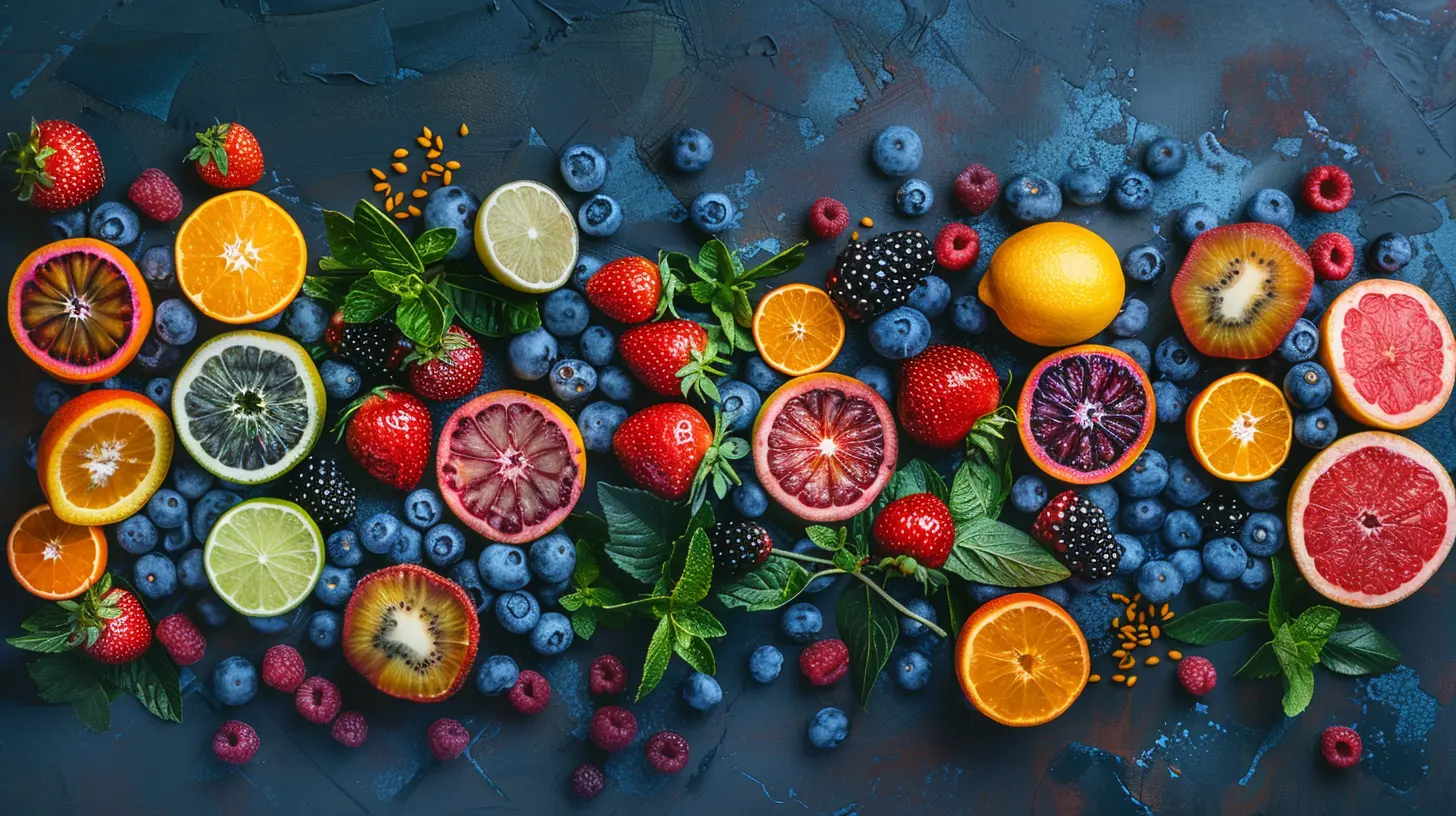
The Best Foods That Support a Healthy Gut and Improve Digestion
Let’s break it down, food group by food group. These aren’t magic cures, but they sure are mighty when combined with good habits.1. Fermented Foods: Your Gut’s BFFs
Fermented foods are like sending little reinforcements to your gut. They’re packed with probiotics—those friendly bacteria that help keep the gut flora balanced.Here are some champions:
- Yogurt (with live cultures): Not all yogurts are created equal. Look for "live and active cultures” on the label.
- Kefir: Think of it as drinkable yogurt on steroids—loaded with probiotics.
- Sauerkraut & Kimchi: These fermented veggies are tangy, tasty, and teeming with life.
- Miso & Tempeh: Fermented soy products that not only help your gut but are also solid plant-based protein sources.
- Kombucha: A fizzy, tangy fermented tea that feels like a treat and acts like a tonic.
? Little tip: Start slow with fermented foods if you're new to them. They’re powerful and might cause a bit of digestive surprise if overdone right away.
2. Fiber-Rich Foods: Feeding the Good Guys
Probiotics are important, but they need food too. That’s where prebiotics come in—fiber-rich foods that “feed” your good gut bacteria.Foods that are prebiotic powerhouses:
- Garlic & Onions: Not just flavor bombs, they’re loaded with inulin—a type of prebiotic fiber.
- Asparagus: A veggie that flies under the radar but is surprisingly great for your gut.
- Bananas (especially slightly green ones): They contain resistant starch, which acts like fiber and feeds healthy bacteria.
- Leeks, Chicory Root, and Jerusalem Artichokes: Not your everyday fare, but worth seeking out for their gut-boosting powers.
- Oats & Barley: Whole grains that offer beta-glucan and other prebiotic fibers.
It’s like throwing a banquet for your gut microbes—and they’ll thank you by keeping your digestion smooth.
3. Bone Broth: The Gut Healer
This warm, savory liquid is more than just a comfort food. Bone broth is full of gelatin, collagen, and amino acids (like glutamine) that may help rebuild the intestinal lining.If you’ve ever experienced leaky gut, where the gut lining becomes damaged and leads to inflammation, bone broth might be your digestive knight in shining armor.
Plus, sipping on it feels like a hug from the inside out.
4. Low-FODMAP Foods: Gentle on Sensitive Stomachs
If you suffer from IBS or feel bloated after eating, certain fermentable carbs (collectively known as FODMAPs) can be problematic. Going low-FODMAP doesn’t mean low-nutrition.Some good digestion-friendly options include:
- Zucchini
- Spinach
- Carrots
- Quinoa
- Blueberries
- Strawberries
These foods are generally easier to digest and less likely to trigger symptoms.
Remember: It’s not about restricting forever—it’s about identifying triggers and giving your gut time to recover.
5. Polyphenol-Rich Foods: Antioxidants for the Microbiome
Polyphenols are plant compounds that have antioxidant properties. Sounds fancy, but basically, they help you fight inflammation and also support beneficial gut bacteria.Foods high in polyphenols:
- Green Tea: Swap that second coffee for a gut-loving cup of green tea.
- Berries: Packed with fiber and polyphenols? Yes, please.
- Dark Chocolate (70%+ cocoa): This isn’t a drill—dark chocolate is good for your gut. In moderation, of course.
- Olive Oil: Go extra virgin. Use it generously in salads or drizzle over roasted veggies.
Pretty tasty way to improve your microbiome, huh?
6. Hydration: The Unsung Hero of Digestion
Okay, water isn’t technically food—but it’s critical. Your digestive tract needs proper hydration to keep things moving.Imagine your gut as a water slide— without water, everything slows to a crawl. But with enough hydration, the digestive process smoothly flows along.
So, drink up. Herbal teas, broths, and water-rich fruits (like watermelon and cucumber) count too.
What to Limit—The Gut Saboteurs
It's not just about what you eat. It’s also about what to avoid if you want that digestive system to purr like a well-fed kitten.- Sugar and Artificial Sweeteners: These can feed harmful bacteria and throw off your gut balance.
- Highly Processed Foods: They lack fiber, are hard to digest, and often include preservatives that irritate the gut.
- Alcohol: A little now and then is fine, but too much disrupts gut bacteria and damages the lining.
- Too Many Antibiotics: They wipe out bad and good bacteria alike. Only take them when necessary.
Your gut’s like a garden. Treat it well, and it blossoms. Neglect it, and weeds take over.
Tips to Boost Gut Health Beyond Food
Now that you know what to eat, here are a few bonus tips to keep your gut happy:- Slow down while eating: Digestion starts in the mouth. Chew your food well.
- Manage stress: Chronic stress can mess with gut function big time. Try deep breathing, yoga, or even just a walk.
- Move your body: Regular exercise helps your digestive system stay efficient.
- Sleep well: Your gut resets during sleep. Aim for 7–9 quality hours.
- Listen to your body: If something doesn’t sit right, it probably isn’t right for your gut.
A Sample Gut-Friendly Daily Menu
Curious how this all plays out in real life? Here's a sample day of gut-loving meals:Breakfast: Overnight oats with banana, chia seeds, and a dollop of yogurt
Snack: Handful of blueberries and green tea
Lunch: Grilled chicken over mixed greens with olive oil dressing and a side of kimchi
Snack: Carrot sticks with hummus
Dinner: Baked salmon, quinoa, and steamed asparagus
Evening Sip: Warm bone broth or chamomile tea
Tasty, satisfying, and your gut will be doing a happy dance.
Final Thoughts: Heal Your Gut, Help Your Whole Body
Your gut is more than just a food processor—it’s the foundation of overall wellness. And while digestion can be complex, supporting it doesn’t have to be.Start simple. Add a scoop of sauerkraut here, swap regular oil for olive oil there. It's those small, consistent changes that create big shifts over time.
Remember, every bite you take is either feeding disease or fighting it. So why not make it count?
Here’s to happier bellies and smoother digestion—one bite at a time ?️.
all images in this post were generated using AI tools
Category:
Bowel HealthAuthor:

Sophia Wyatt
Discussion
rate this article
1 comments
Annabelle Wood
Eating happy foods for a happy gut? Yes, please! From yogurt to fiber-rich veggies, these tasty treats are here to help us feel great inside and out. Now that's a reason to dig in!
June 30, 2026 at 3:49 PM
Sophia Wyatt
Absolutely! Happy foods like yogurt and fiber-rich veggies are a delicious way to boost gut health. Let's enjoy every bite!