Exploring Anti-Inflammatory Diets for Age-Related Conditions
19 January 2026
Aging is inevitable, but the way we age is something we can influence. Ever wondered why some people seem to maintain their energy, mobility, and overall health even as they grow older? A big part of the secret lies in the foods they eat.
Inflammation is at the core of many age-related conditions, from arthritis to heart disease. Thankfully, an anti-inflammatory diet can help slow down the effects of aging and keep your body functioning at its best. Let’s dive into what an anti-inflammatory diet is, why it matters, and how you can incorporate it into your daily life.
What is an Anti-Inflammatory Diet?
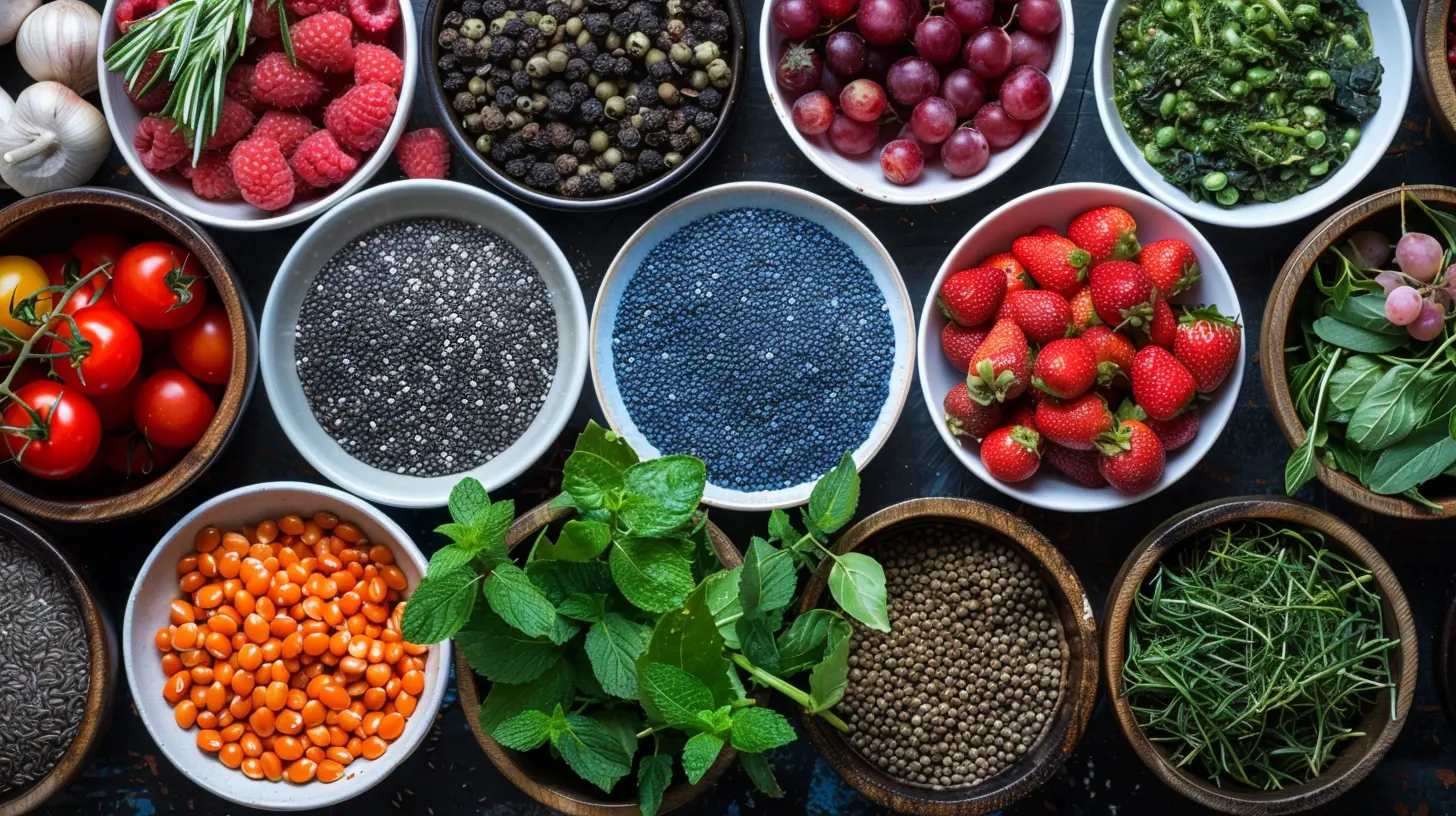
Simply put, an anti-inflammatory diet is a way of eating that focuses on foods known to reduce inflammation in the body. Chronic inflammation has been linked to several age-related conditions, including Alzheimer's, diabetes, and cardiovascular diseases.The basic idea of an anti-inflammatory diet is to load up on whole, nutrient-rich foods while avoiding processed junk that can trigger inflammation. Think fresh fruits, vegetables, nuts, and fatty fish instead of sugary snacks, fried foods, and processed meats.
Why Inflammation Increases with Age
As we age, our bodies become more prone to a condition called chronic low-grade inflammation, often referred to as "inflammaging." This is the gradual increase of inflammatory markers in the body over time, leading to a greater risk of diseases like arthritis, diabetes, and heart issues.Several factors contribute to inflammaging, including:
- Cellular damage – Over time, our cells accumulate damage, leading to an immune response that keeps inflammation high.
- Gut health imbalance – A poor diet can impact gut bacteria, increasing inflammation.
- Stress and lack of sleep – Chronic stress and poor sleep can trigger an inflammatory response.
The good news? Making small but powerful dietary changes can significantly reduce inflammation and promote healthy aging.
Key Benefits of an Anti-Inflammatory Diet for Aging
1. Supports Joint Health
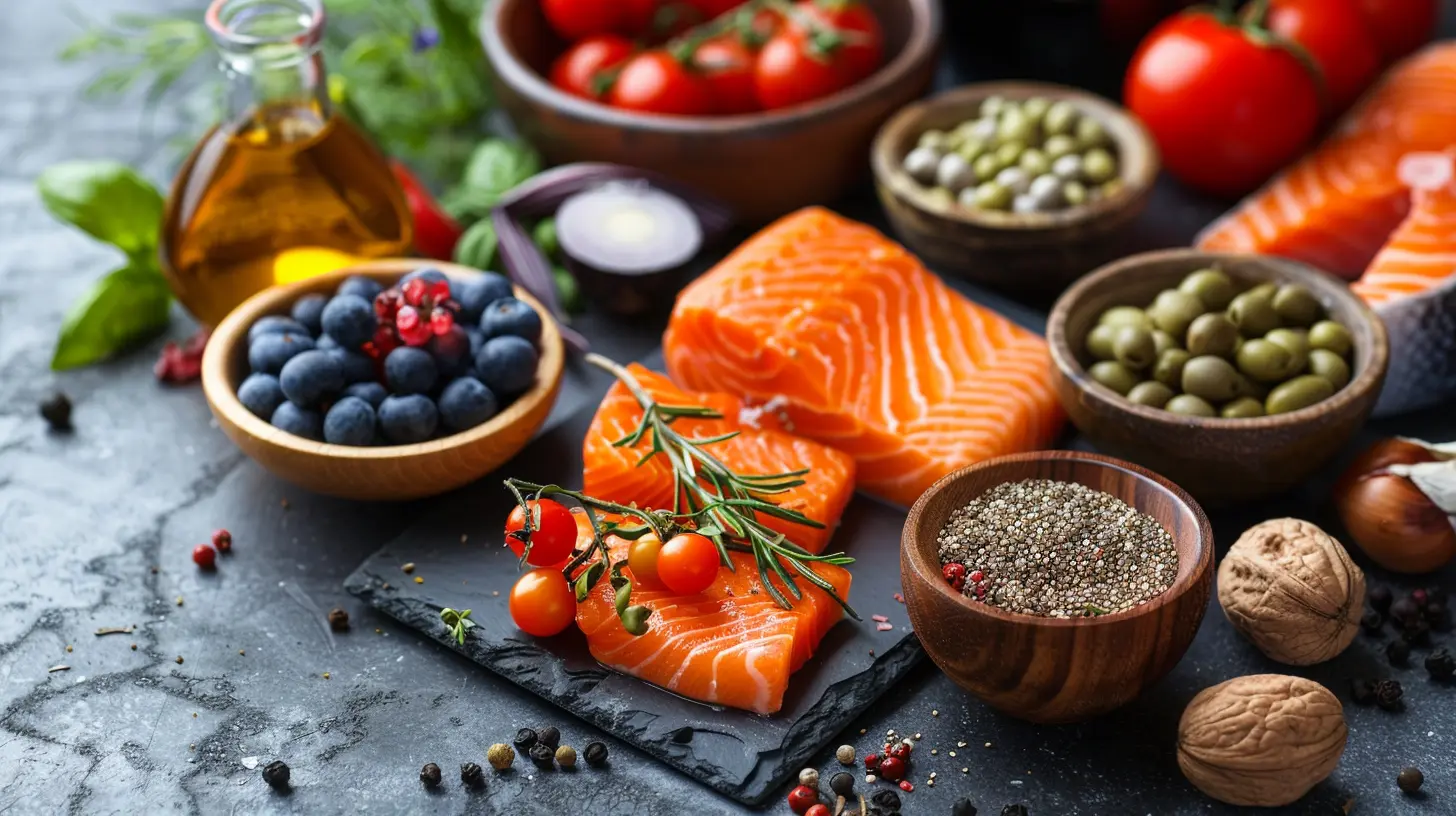
If you're dealing with arthritis or general joint pain, an anti-inflammatory diet can be a game changer. Omega-3 fatty acids from fish, flaxseeds, and walnuts help reduce joint stiffness and pain.2. Boosts Heart Health
Heart disease is one of the leading causes of death in older adults, and inflammation is a major contributor. Foods rich in antioxidants, like berries, leafy greens, and olive oil, help protect the heart by keeping inflammation at bay.3. Protects Brain Function
Ever noticed how some older adults stay sharp while others struggle with memory loss? Inflammation plays a big role in cognitive decline. Eating anti-inflammatory foods—especially those rich in healthy fats and antioxidants—can help keep your brain in top shape.4. Improves Gut Health
A happy gut means a happy body. Probiotic-rich foods like yogurt, kefir, and fermented vegetables support a balanced gut microbiome, which plays a crucial role in managing inflammation and preventing age-related digestive issues.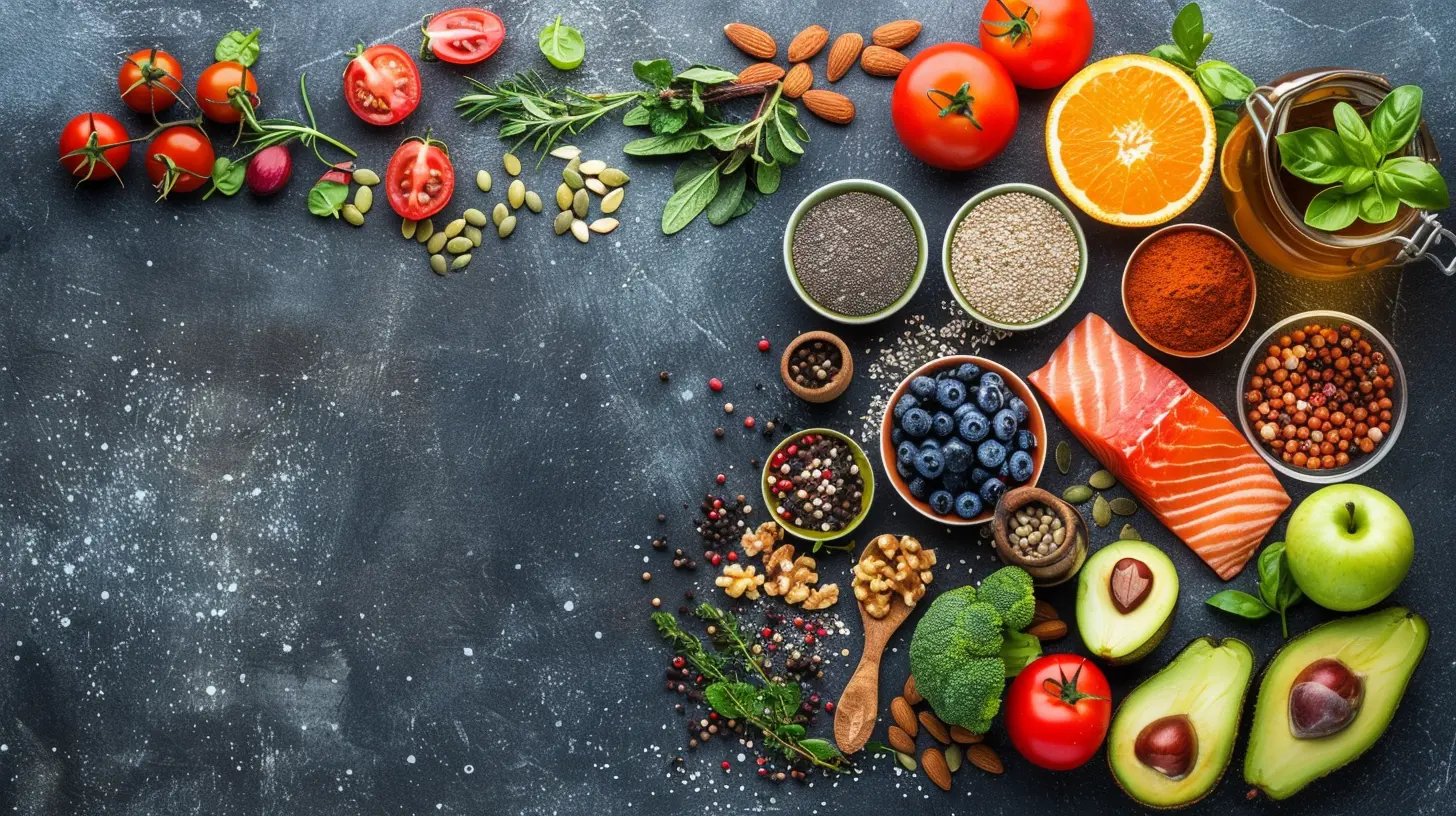
Top Anti-Inflammatory Foods to Include in Your Diet
Not sure where to start? Here are some of the best anti-inflammatory foods you should be eating:1. Fatty Fish
Salmon, mackerel, sardines, and trout are packed with omega-3 fatty acids, which help combat chronic inflammation.2. Leafy Greens
Spinach, kale, and Swiss chard are loaded with vitamins, minerals, and antioxidants that fight inflammation and boost overall health.3. Berries
Strawberries, blueberries, and raspberries are packed with polyphenols and antioxidants that protect cells from damage.4. Nuts and Seeds
Walnuts, almonds, chia seeds, and flaxseeds supply healthy fats and anti-inflammatory compounds.5. Olive Oil
Extra virgin olive oil contains powerful antioxidants and healthy fats that support heart health.6. Turmeric and Ginger
Both turmeric and ginger have strong anti-inflammatory properties. Curcumin, the active ingredient in turmeric, is known to relieve arthritis symptoms and pain.7. Green Tea
Packed with catechins, green tea is one of the healthiest beverages for reducing inflammation and boosting metabolism.Foods That Trigger Inflammation (Avoid These!)
Just as important as eating the right foods is avoiding the wrong ones. Some foods can trigger inflammation and contribute to faster aging. Here’s what to limit or cut out completely:- Processed and fried foods – Think fast food, chips, and deep-fried snacks.
- Refined carbs – White bread, pastries, and sugary cereals can spike blood sugar and increase inflammation.
- Sugary drinks – Sodas, energy drinks, and excessive fruit juices contribute to inflammation and weight gain.
- Excessive alcohol – Moderate consumption may be okay, but too much alcohol leads to inflammation and other health problems.
- Processed meats – Bacon, sausages, and deli meats contain preservatives and advanced glycation end products (AGEs) that fuel inflammation.
Simple Tips for Adopting an Anti-Inflammatory Diet
1. Start Small
You don’t have to overhaul your entire diet overnight. Begin by adding more anti-inflammatory foods while gradually cutting back on processed junk.2. Cook at Home
Restaurant meals often contain unhealthy fats, sugar, and excessive salt. Cooking at home gives you full control over what goes into your food.3. Hydrate Smartly
Drink plenty of water and swap sugary drinks for herbal teas, green tea, or infused water.4. Spice It Up
Incorporate turmeric, ginger, cayenne pepper, and garlic into your meals. They not only add flavor but also fight inflammation.5. Listen to Your Body
Everybody reacts differently to food. If certain foods make you feel sluggish, bloated, or achy, consider cutting them out and seeing how you feel.Sample Anti-Inflammatory Meal Plan
Breakfast:
- Oatmeal with chia seeds and blueberries- Green tea or warm lemon water
Lunch:
- Grilled salmon with quinoa and roasted vegetables- A handful of walnuts or almonds
Dinner:
- Stir-fried leafy greens with tofu and turmeric- Side of avocado and olive oil dressing
Snacks:
- Sliced apples with almond butter- Greek yogurt with flaxseeds and honey
Final Thoughts
Aging doesn’t have to mean constant aches, fatigue, or chronic illness. By switching to an anti-inflammatory diet, you can protect your joints, heart, brain, and overall well-being. Small dietary changes today can lead to a healthier, more vibrant future.So, why wait? Start by adding more whole, anti-inflammatory foods to your plate and feel the difference in your body and mind. Your future self will thank you!
all images in this post were generated using AI tools
Category:
Healthy AgingAuthor:

Sophia Wyatt
Discussion
rate this article
2 comments
Caelestis McDougal
Who knew kale could be a superhero in disguise? 🥬 Unleashing its anti-inflammatory powers while battling age-related gremlins — it’s like a delicious cape for our insides! Let’s chow down on wellness!
February 7, 2026 at 3:52 AM
Sophia Wyatt
Absolutely! Kale truly is a powerhouse, delivering nutrients that help us fight off those pesky age-related issues while keeping our meals tasty. Let's embrace the wellness journey!
Simone McAdoo
This article beautifully highlights the importance of anti-inflammatory diets in managing age-related conditions. It's a gentle reminder that what we eat can significantly impact our well-being as we age.
January 21, 2026 at 5:24 AM
Sophia Wyatt
Thank you for your thoughtful comment! I'm glad you found the article insightful—our diet truly plays a crucial role in our health as we age.