Cooking Oils that Help or Hurt Your Cholesterol Levels
15 December 2025
Let’s talk about something that’s a staple in nearly every kitchen – cooking oil. Whether you're drizzling it on your salad, using it to sauté veggies, or deep-frying those golden crispy French fries (no judgment here), oil is everywhere in our diets. But have you ever stopped to wonder if the oil you're using is helping or hurting your cholesterol levels?
Yeah, I didn’t either—until my doctor gave me that "we need to talk" look over my cholesterol readings. Spoiler alert: not all oils are created equal.
In this guide, we’re going to break down the good, the bad, and the greasy when it comes to cooking oils and your cholesterol. Buckle up, buttercup—it’s going to be slick ride!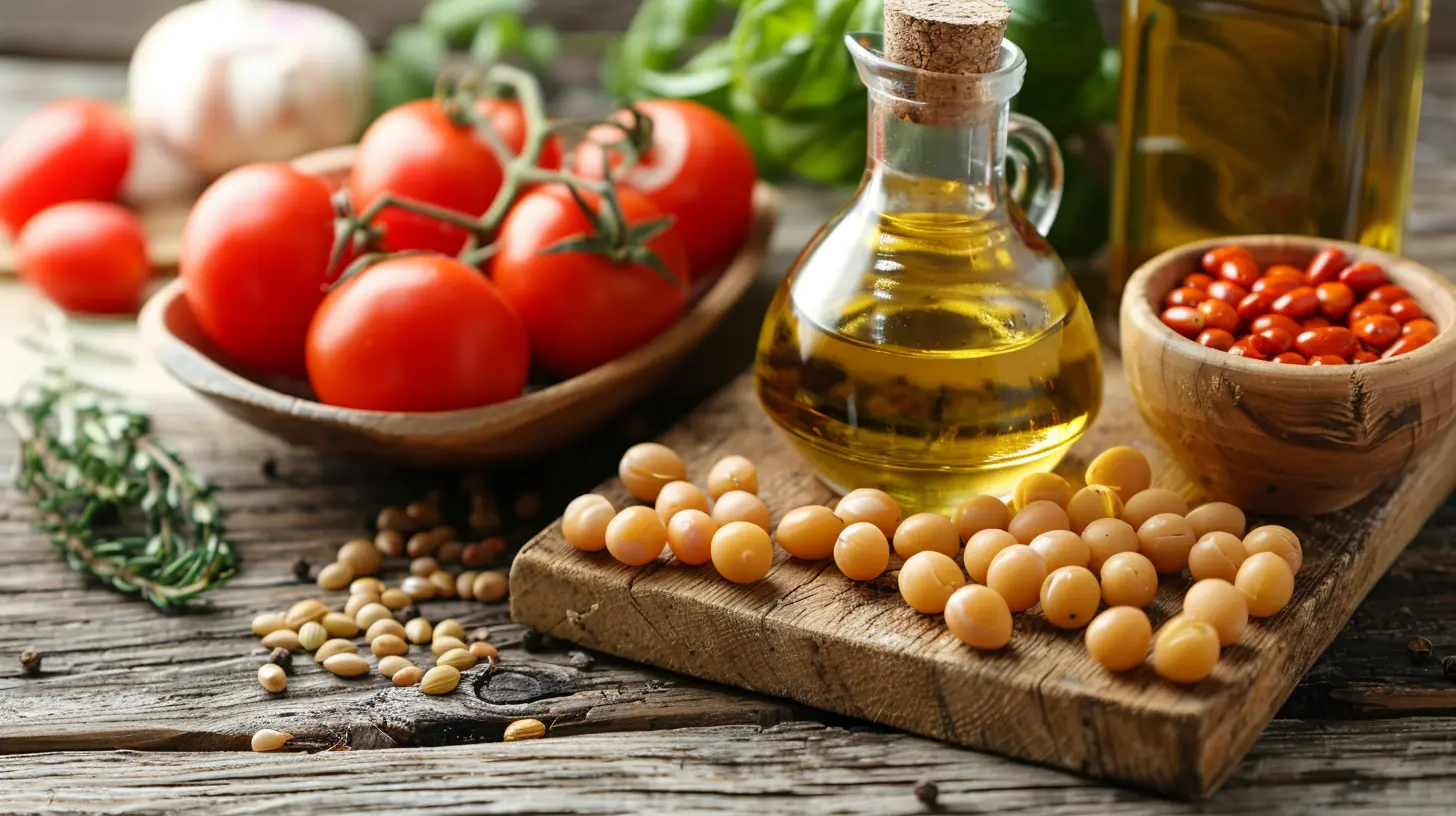
🧠 First, Why Does Cholesterol Even Matter?
Before diving into the oily ocean, let’s get one thing straight—cholesterol isn't the villain it’s often made out to be. Your body actually needs cholesterol to build cells and make hormones. But like that friend who overstays their welcome, too much of it can cause problems.There are two main types:
- LDL (Low-density lipoprotein) – a.k.a. the "bad" cholesterol. Think of it like traffic on your arteries—too much, and things get clogged.
- HDL (High-density lipoprotein) – the "good" cholesterol. It’s like the cleanup crew that helps remove that sticky LDL from your bloodstream.
Some fats in your diet can boost HDL, while others pump up LDL. And guess what? Your choice of cooking oil plays a major role.
🥑 Oils That Help Your Cholesterol (a.k.a. The Good Guys)
Let’s start with the oils that are practically wearing a superhero cape when it comes to heart health.1. Olive Oil – The Mediterranean Miracle
Say hello to the Beyoncé of cooking oils. Olive oil, especially extra virgin, is loaded with monounsaturated fats and antioxidants.- Why it helps: It lowers LDL without lowering your HDL. Win-win!
- Pro tip: Use it for salad dressings, drizzling over veggies, or light sautéing.
Think of olive oil as that friend who always brings a healthy snack to the party—but still knows how to have fun.
2. Avocado Oil – Creamy, Dreamy, and Heart-Happy
Avocados aren’t just for toast. Their oil is just as smooth and beneficial.- Why it helps: It's rich in heart-healthy monounsaturated fats that can lower LDL and raise HDL.
- Bonus: It has a high smoke point, so go ahead and sear that steak or stir-fry those veggies.
Avocado oil is like olive oil’s laid-back cousin—still classy, just a little more chill.
3. Canola Oil – The Underrated MVP
Canola gets a bad rap sometimes, but when it comes to cholesterol, it’s not too shabby.- Why it helps: Low in saturated fats and high in omega-3s, which reduce LDL.
- How to use: Great for baking, frying, and general-purpose cooking.
If olive oil is Beyoncé, canola is the underrated indie band you didn’t know you needed.
4. Flaxseed Oil – Plant-Based Power
Okay, so you probably won’t be frying chicken in flaxseed oil, but it’s still worth keeping around.- Why it helps: Packed with alpha-linolenic acid (a type of omega-3 fatty acid), which supports heart health.
- Best use: Add it to smoothies, salad dressings, or drizzle over oatmeal.
This one’s niche, but powerful—kind of like that quiet genius everyone wants on their trivia team.
5. Walnut Oil – Nutty and Nice
Another omega-3-rich oil, walnut oil is a gourmet option that your heart will appreciate.- Why it helps: Contains healthy fats and antioxidants.
- How to enjoy: Use it cold in salads, drizzled over cooked dishes, or to add a nutty punch to desserts.
High five to walnuts for being delicious and heart-smart!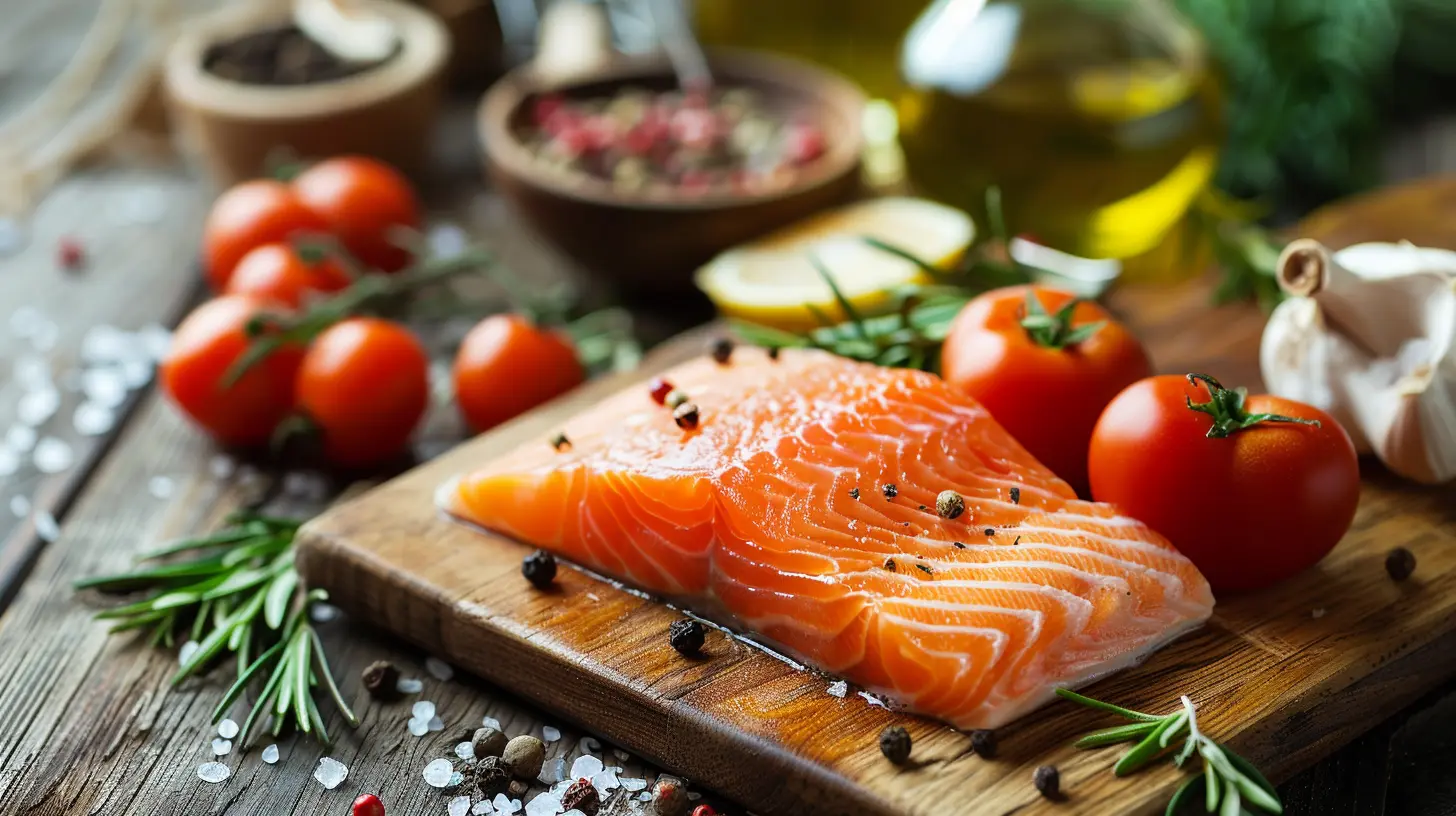
🔥 Oils That Hurt Your Cholesterol (a.k.a. The Bad Apples)
Now, onto the cooking oils that make your arteries cringe.1. Coconut Oil – The Trendy Frenemy
It smells great. It tastes great. But coconut oil might not be doing your heart any favors.- Why it hurts: It's crazy high in saturated fats—over 80%!
- What it does: Raises LDL levels—sometimes even more than butter.
Sure, it’s popular in keto circles, but when it comes to cholesterol, coconut oil's more like a sweet talker with bad intentions. Use it occasionally, not daily.
2. Palm Oil – The Environmental (and Cardiovascular) Villain
Common in packaged foods and baked goods, palm oil is best approached with caution.- Why it hurts: Contains saturated fats that can hike up your LDL levels.
- Bonus downside: Its production is linked to deforestation. Double yikes.
It’s like that friend who throws trash out the car window but insists they care about the planet.
3. Vegetable Oil Blends – The Mystery Mix
If your cooking oil is just labeled “vegetable oil,” it’s probably a blend of several oils like soybean, corn, and even palm oil.- Why it hurts: High amounts of omega-6 fatty acids can lead to inflammation when consumed in excess.
- The twist: Not all are harmful, but the lack of clarity makes them sketchy.
It’s like eating a “mystery meat” sandwich—do you really know what’s inside?
4. Partially Hydrogenated Oils – The Villain in Disguise
Thankfully, the FDA banned trans fats in 2020, but it’s still good to watch out for any products that might sneak them in under different names.- Why it hurts: Trans fats raise LDL and lower HDL—double trouble.
- Where to find them: Some margarines, baked goods, or fast foods.
Avoid these like you avoid spoilers for your favorite show—seriously.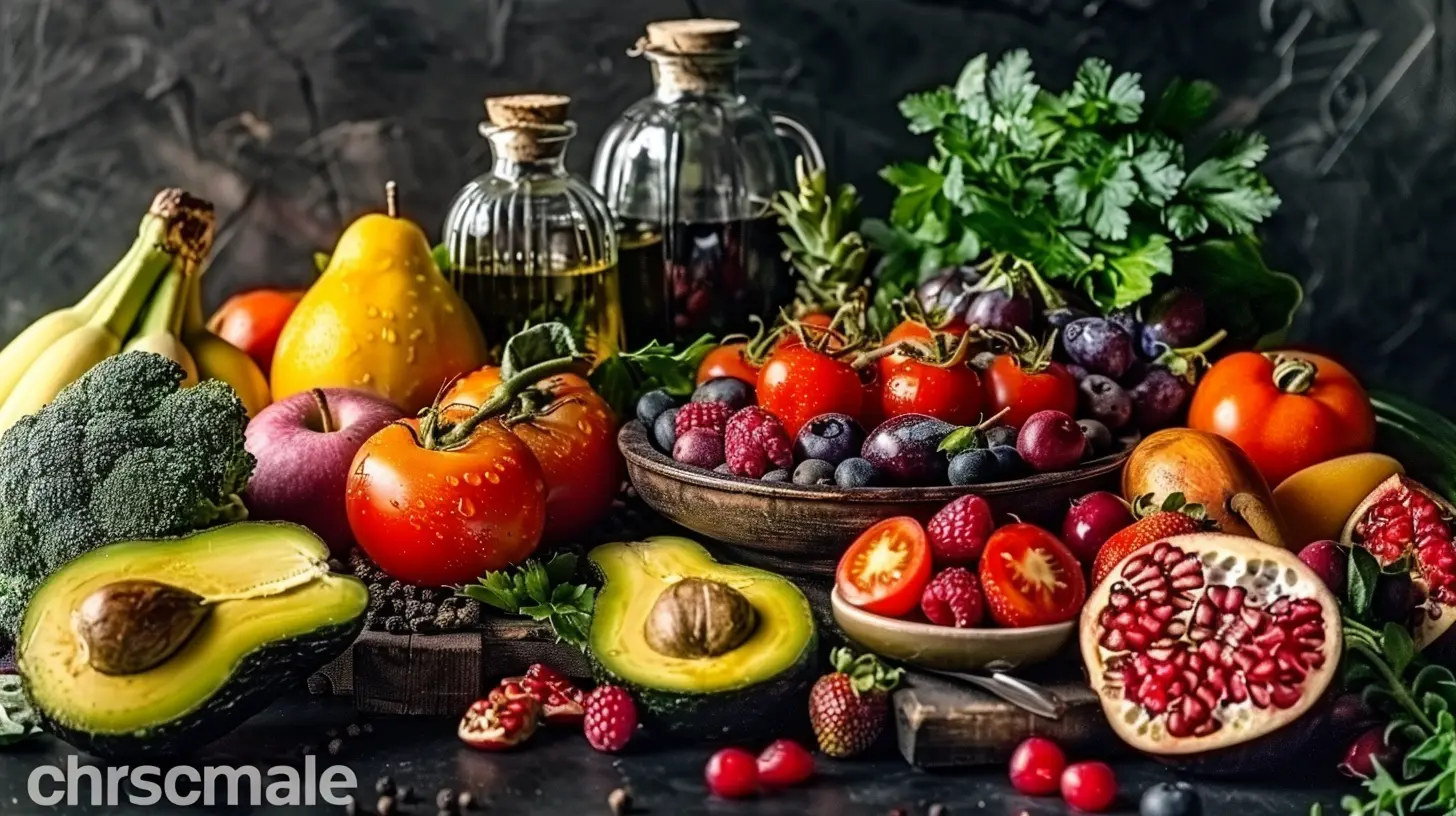
🧪 Saturated, Unsaturated, Trans – Decoding the Fat Lingo
Let’s clear up the confusion about different types of fat found in oils.- Unsaturated fats (good fats): These are your monounsaturated and polyunsaturated fats. They help reduce bad cholesterol and keep your heart happy.
- Saturated fats (meh fats): These aren’t the worst in small doses, but too much raises LDL.
- Trans fats (evil fats): These guys are just bad news. Even in tiny amounts, they can mess up your cholesterol big time.
The trick is to use more unsaturated fats and less of the other two.
🧁 How to Make Heart-Smart Swaps in Your Kitchen
Think of your cooking oil like an accessory—choose the one that matches the dish and your health goals. Here are some easy swaps:| Instead of... | Try This... |
|--------------------|---------------------|
| Butter or shortening | Olive or avocado oil |
| Coconut oil for baking | Canola oil or apple sauce (for moisture) |
| Vegetable oil in dressings | Flaxseed or walnut oil |
| Deep frying in palm oil | Air fryer + a spray of avocado oil |
Tiny changes can lead to big health wins. Your arteries will send you a thank-you card!
🕵️♂️ Tips for Shopping and Storing Oils
- Read the label: If it says “partially hydrogenated,” drop it like it’s hot.- Go for cold-pressed or extra virgin: These are less processed and retain more nutrients.
- Store it right: Keep oils in a cool, dark place. Light and heat can make them go rancid faster than week-old guac.
🧠 Quick Recap: What Should You Remember?
Let’s sum it all up so you never get lost in the oil aisle again:- Best buddies: Olive oil, avocado oil, canola oil, flaxseed oil, walnut oil.
- Frenemies: Coconut oil (sometimes okay, but don’t overdo it).
- Enemies: Palm oil, vegetable oil blends, partially hydrogenated oils.
Your heart works hard for you—give it some love back through smarter oil choices!
🧡 Final Thoughts: Oil Be There for You
Cooking oils might seem insignificant compared to the rest of your diet, but they pack a punch when it comes to cholesterol and heart health. The good news? You don’t have to overhaul your entire lifestyle. Just swap out the bad guys for heart-friendly heroes, and you’re already on the path to better health.So next time you reach for an oil, ask yourself: Is this going to make my heart sing... or clog up the chorus line?
Happy (and healthy) cooking!
all images in this post were generated using AI tools
Category:
CholesterolAuthor:

Sophia Wyatt
Discussion
rate this article
2 comments
Arianth Gray
This article provides a concise overview of how different cooking oils impact cholesterol levels. It’s crucial to choose healthy options like olive or avocado oil for heart health while avoiding oils high in saturated fats. A valuable read for anyone looking to improve their diet!
January 14, 2026 at 4:56 AM
Sophia Wyatt
Thank you for your thoughtful comment! I'm glad you found the article helpful for making informed choices about cooking oils and heart health.
Ian McLanahan
Choose heart-healthy oils wisely!
December 17, 2025 at 5:59 AM
Sophia Wyatt
Absolutely! Opt for oils like olive, avocado, and canola to support heart health while avoiding those high in saturated fats.