Cholesterol and Inflammation: What's the Connection?
15 February 2026
We’ve all heard about cholesterol—usually followed by warnings about heart disease and being told to avoid certain foods. But there’s another player most people don’t hear about as often, even though it’s equally crucial: inflammation. Now hold on—a little inflammation isn’t necessarily bad. It’s your body's natural defense response. But like a house guest who overstays their welcome, chronic inflammation can wear down the very systems it’s supposed to protect.
So, what’s the deal with cholesterol and inflammation? Are they tag-team partners in crime when it comes to heart disease and other health issues? You bet. Let’s dive deeper into how these two are connected, why it matters, and what you can actually do about it.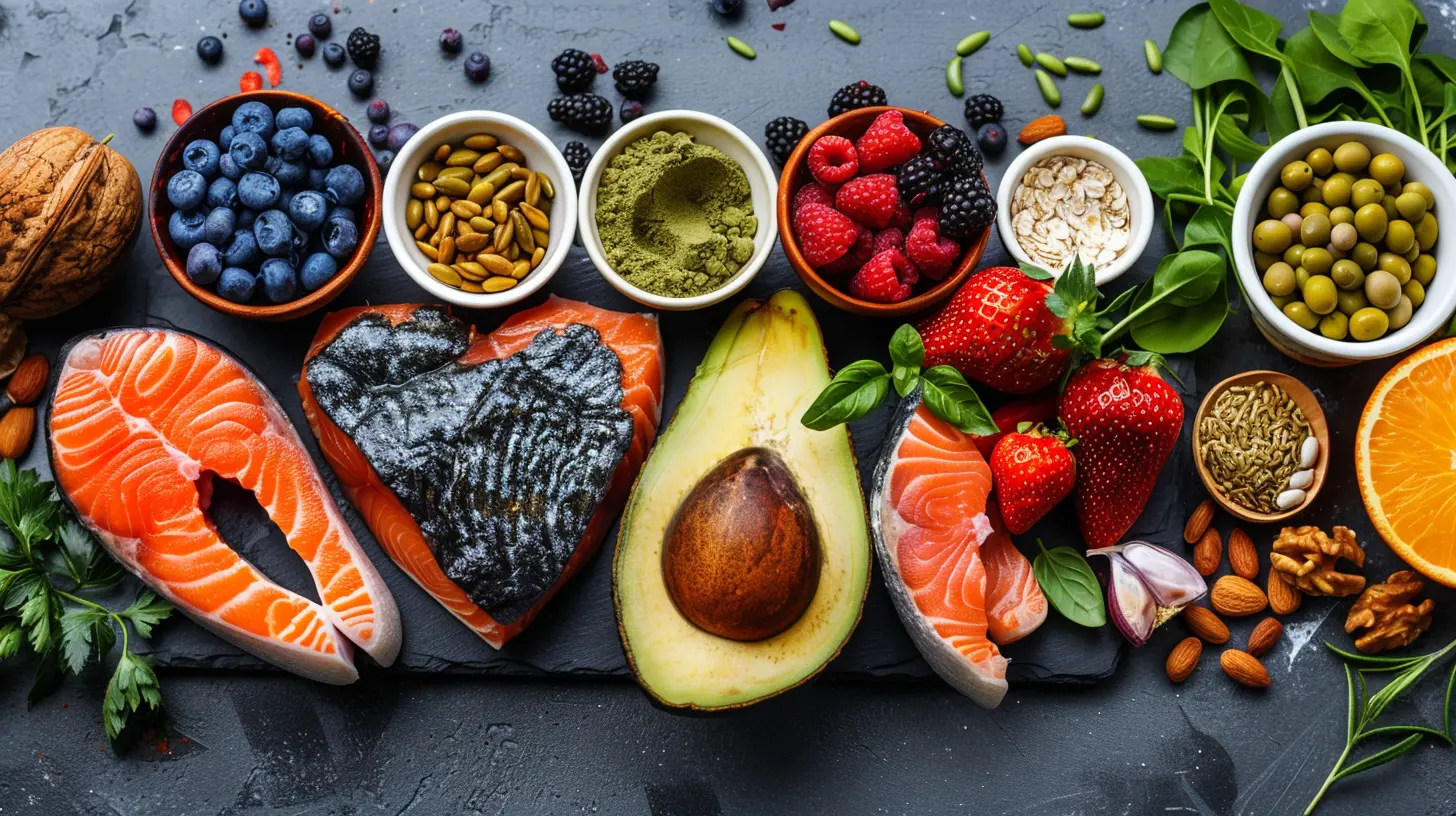
The Basics: What Is Cholesterol, Really?
Before we throw cholesterol under the bus, let’s clear something up. Cholesterol isn’t the villain it’s made out to be. In fact, your body needs it.Cholesterol is a waxy, fat-like substance that’s found in all your cells. It’s essential for building cell membranes, making hormones like estrogen and testosterone, and producing vitamin D. So yeah, not evil.
There are two main types of cholesterol:
- LDL (Low-Density Lipoprotein): Often dubbed “bad cholesterol,” this can build up in the walls of your arteries, making them hard and narrow.
- HDL (High-Density Lipoprotein): The “good” guy that carries LDL away from the arteries and to the liver, where it’s broken down and eliminated.
Your goal isn’t to ditch all cholesterol—just to keep the balance tilted in favor of the good stuff.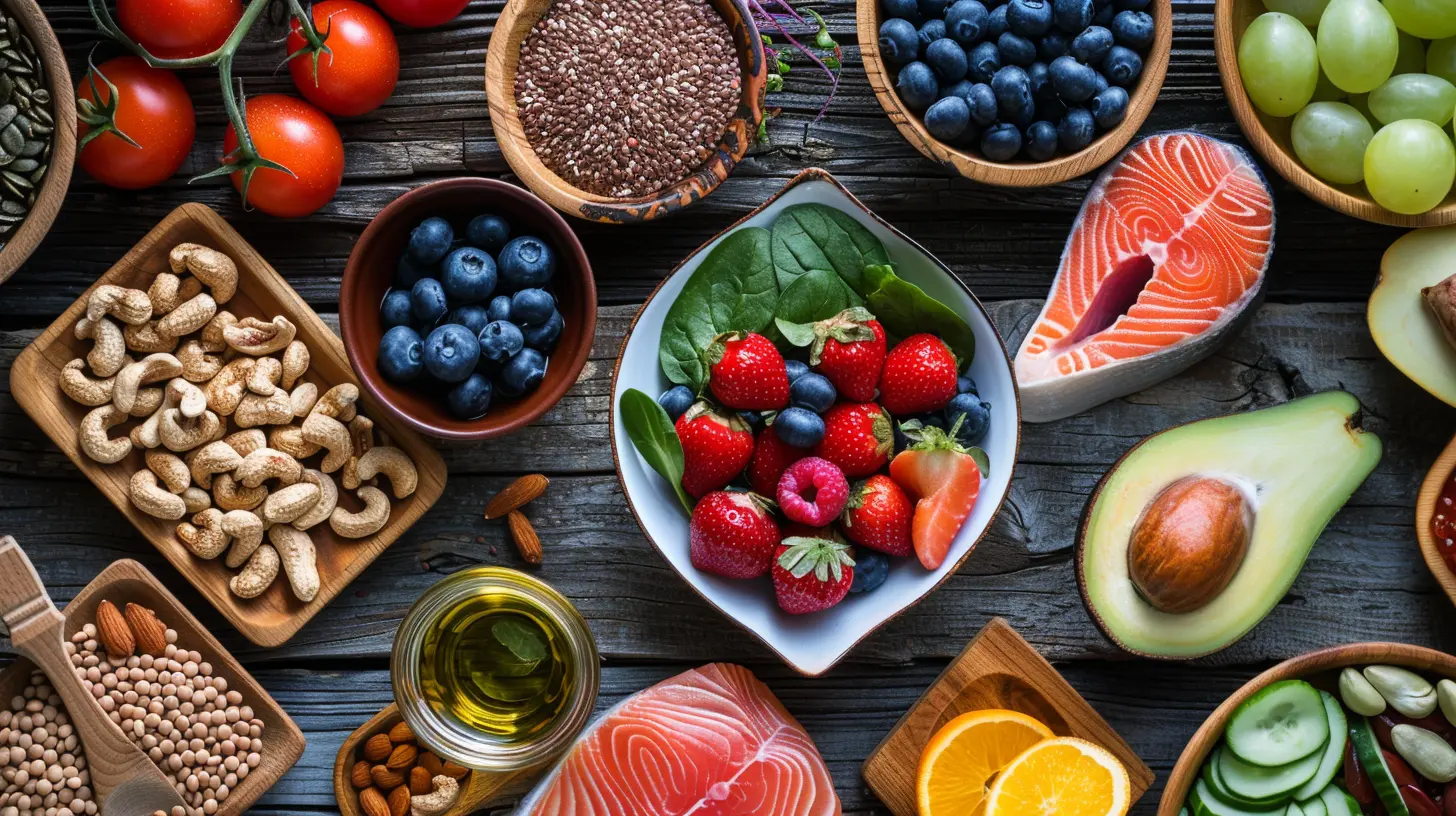
Inflammation: The Silent Saboteur
Now, let’s talk about inflammation. You sprain your ankle? It gets red, swollen, and sore—that’s acute inflammation, and it’s your body’s way of healing. It’s totally normal and even helpful.Chronic inflammation, however, is a different beast. It simmers silently, possibly for years, damaging tissues and organs. Think of it as a slow-burning fire in your body. You may not see the flames, but it’s causing harm from the inside.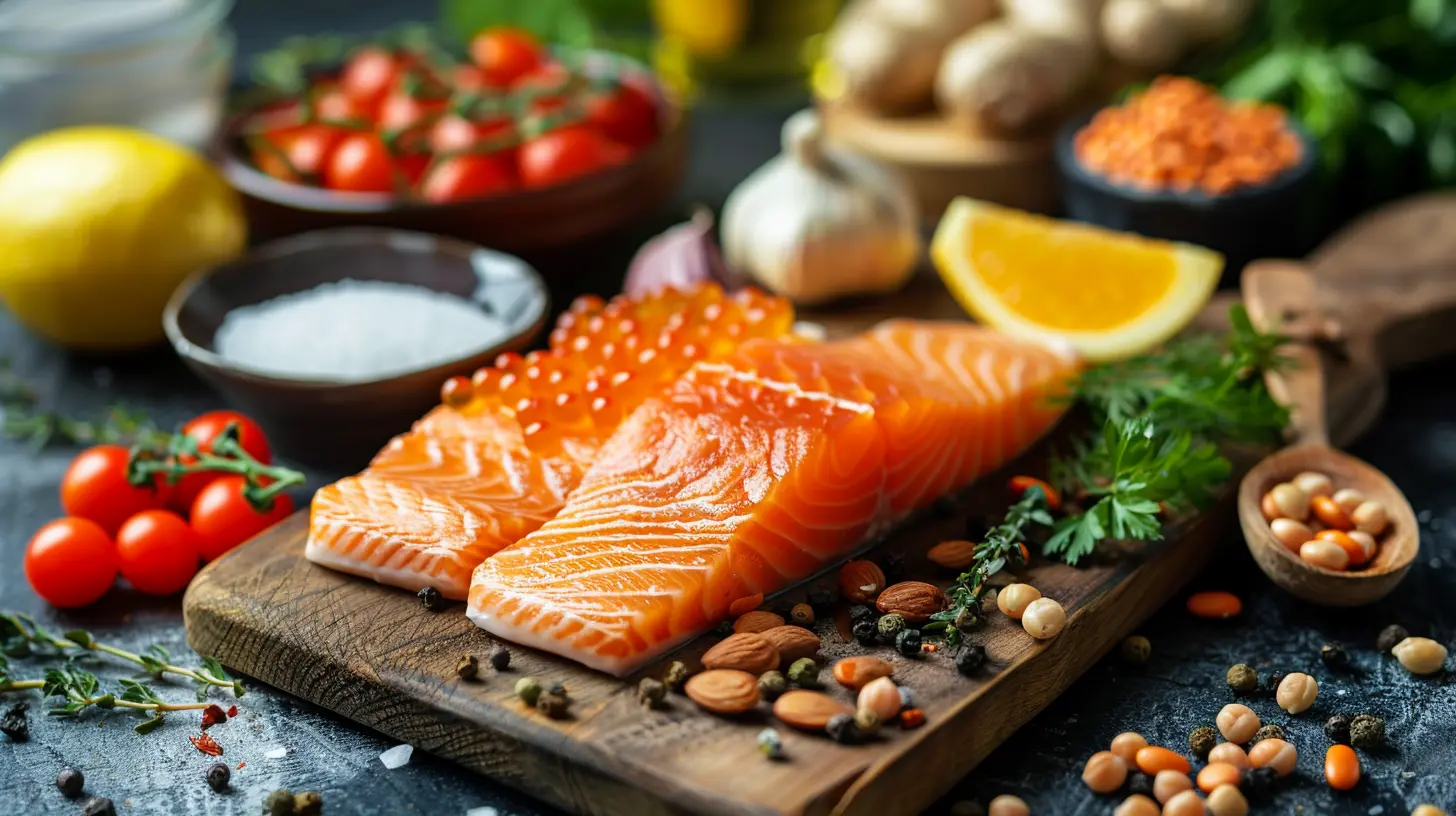
The Link Between Cholesterol and Inflammation
So where do these two intersect? The real danger kicks in when high levels of LDL cholesterol meet chronic inflammation. Here’s how it unfolds:1. LDL gets damaged – When LDL particles hang around in your bloodstream for too long, they can get oxidized by free radicals (those pesky unstable molecules).
2. Your immune system reacts – Oxidized LDL is seen as "foreign" by your immune system. It sends white blood cells to attack it.
3. Inflammation kicks in – This immune response creates inflammation within the walls of your arteries, leading to plaque buildup.
4. Plaque = Trouble – These plaques can narrow your arteries (a condition called atherosclerosis), restrict blood flow, and ultimately lead to heart attacks or strokes if a plaque ruptures.
So yeah—cholesterol isn’t dangerous all by itself. But when it’s teamed up with inflammation? That’s when you’ve got a problem.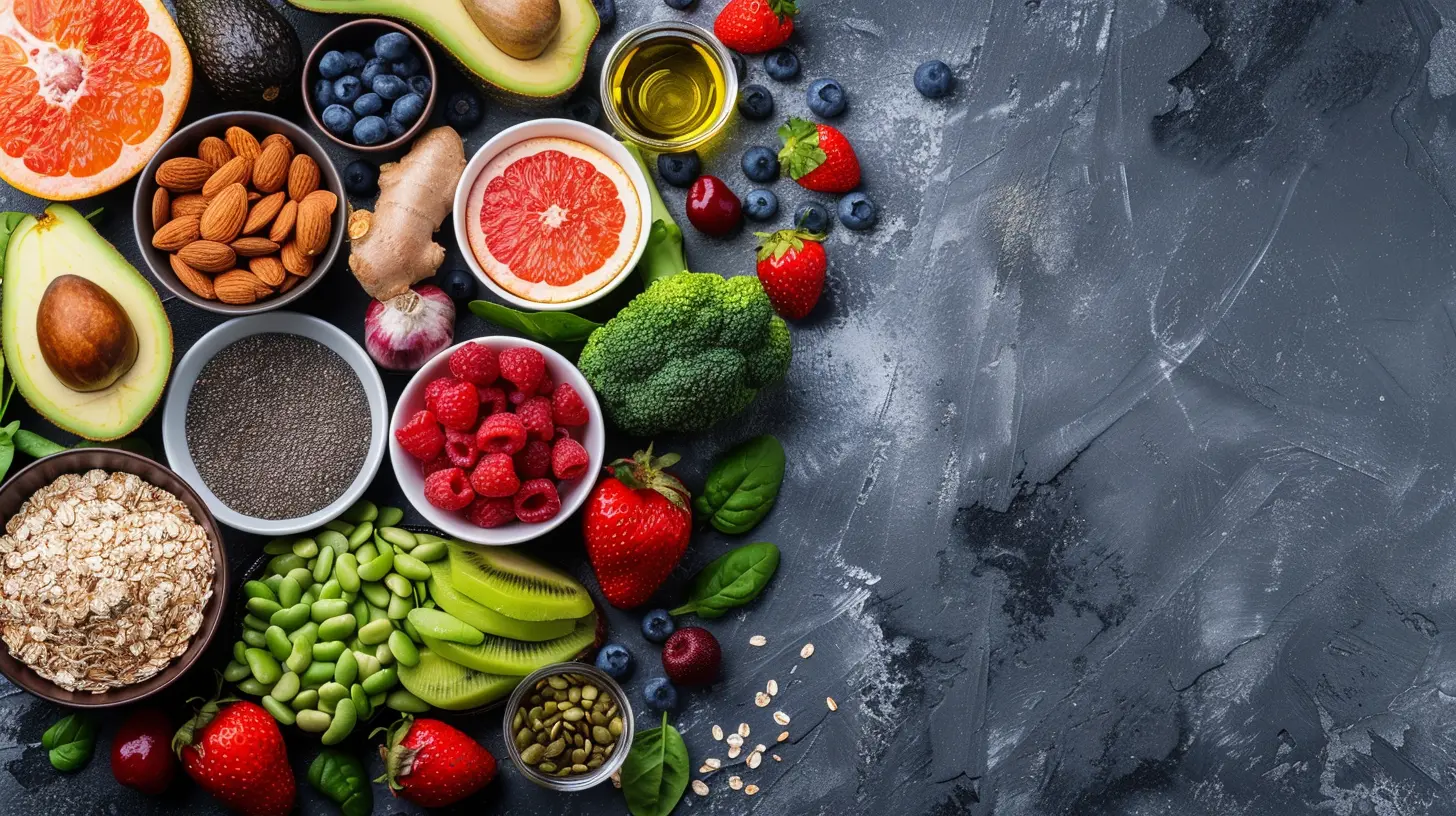
Why You Should Care About This Connection
Most of us only get our cholesterol levels checked during yearly physicals, and even then, unless the numbers are sky-high, it doesn’t usually set off alarm bells. But here’s the truth: you could have “normal” cholesterol levels and still be at risk if your body is experiencing chronic inflammation.That’s why more doctors are now paying attention to inflammatory markers like:
- C-reactive protein (CRP) – A marker made by the liver in response to inflammation.
- Interleukin-6 (IL-6) – A cytokine (protein) that plays a key role in inflammation.
- Tumor necrosis factor-alpha (TNF-α) – Another cytokine involved in systemic inflammation.
If those are elevated, it's a pretty clear sign your body is under chronic inflammatory stress—and that stress could be making your cholesterol more dangerous.
Signs You Might Have Chronic Inflammation
Here’s the frustrating part: chronic inflammation is sneaky. It doesn't always show up with obvious symptoms. But some signs that your body might be dealing with it include:- Fatigue, even when you’re getting enough sleep
- Joint pain or stiffness
- Digestive issues like bloating or constipation
- Brain fog or mood swings
- Skin problems (acne, eczema, psoriasis)
If any of that sounds familiar, it might be worth digging deeper with your healthcare provider.
Foods That Fuel the Fire
Let’s talk about something we all love—food. Unfortunately, not all of it loves us back. Some foods are known to fuel chronic inflammation and throw your cholesterol into chaos. Top culprits include:- Trans fats – Found in fried stuff, margarine, and processed snacks.
- Refined carbs – Think white bread, pastries, and sugary cereals.
- Sugar – It's in everything from soda to salad dressings.
- Processed meats – Bacon, sausages, and deli meats.
These foods not only raise your LDL levels but also trigger an inflammatory response in your body. Double whammy.
Foods That Fight Back
Thankfully, there are a ton of heart-loving, inflammation-busting foods you can load up on:- Fatty fish – Salmon, mackerel, and sardines are high in omega-3 fatty acids.
- Leafy greens – Spinach, kale, and Swiss chard are antioxidant-rich.
- Berries – Packed with polyphenols and fiber.
- Nuts and seeds – Almonds, walnuts, flaxseeds, and chia seeds do wonders.
- Olive oil – A healthy fat that helps lower inflammation.
- Whole grains – Oats, quinoa, and brown rice are full of fiber.
Think of your plate as your body’s defense squad. The better the recruits, the stronger your health army.
Lifestyle Changes That Make a Huge Impact
Food’s only part of the equation. Your lifestyle habits play a massive role too. Let’s break down a few inflammation-reducing and cholesterol-friendly moves:1. Get Moving
Exercise isn't just about losing weight. It boosts your HDL (good) cholesterol and lowers CRP levels. Aim for 30 minutes a day—even a brisk walk counts.2. Sleep Like You Mean It
Chronic sleep deprivation messes with hormones, increases stress, and ramps up inflammation. Shoot for 7–9 hours a night.3. Manage Stress
Easier said than done, right? But stress increases cortisol, which promotes inflammation. Meditation, deep breathing, or even daily journaling can help keep stress in check.4. Quit Smoking
Cigarette smoke inflames the lining of your arteries and lowers HDL. Kicking the habit has immediate benefits.5. Limit Alcohol
A little red wine might help (thanks to resveratrol), but too much alcohol adds fuel to the inflammation fire. Keep it moderate.Medications and Supplements: Friend or Foe?
Sometimes, lifestyle changes aren’t enough, especially if you’re genetically predisposed to high cholesterol or inflammation. In those cases, doctors may recommend:- Statins – Not only do they lower LDL, but they also have anti-inflammatory effects.
- Omega-3 Supplements – If fish isn’t your thing, these are a solid backup.
- Niacin – A B-vitamin that may improve HDL levels and lower inflammation.
- Curcumin – The active ingredient in turmeric, known for its anti-inflammatory powers.
Always talk to your doctor before diving into supplements or medications. You want to make sure they’re right for your situation.
Is It All About Numbers?
Here’s the thing: health isn’t just about hitting ideal cholesterol levels. It's about context. What’s your lifestyle like? Are you inflamed on the inside, even if your blood work looks decent?Instead of obsessing over LDL levels alone, focus on the bigger picture:
- Are you eating whole, anti-inflammatory foods?
- Are you moving your body regularly?
- Are you getting restful sleep and managing stress?
If the answer is yes, you’re already stacking the deck in your favor.
Final Thoughts
So, cholesterol and inflammation—it's not just one or the other. They're like mischievous twins that, when joined, can really stir up long-term trouble. But don’t panic; this isn’t about perfection. It’s about progress.Your choices matter. Every meal, every walk, every stress-reducing activity—it all counts. And now that you understand the deep connection between cholesterol and inflammation, you’ve got the power to shift the balance in your favor.
Live like your arteries are listening. Because they are.
all images in this post were generated using AI tools
Category:
CholesterolAuthor:

Sophia Wyatt
Discussion
rate this article
2 comments
Azurael Henderson
Understanding the link between cholesterol and inflammation is crucial for heart health; small changes can lead to significant benefits.
March 10, 2026 at 5:24 AM
Sophia Wyatt
Thank you for your insightful comment! Indeed, recognizing the connection between cholesterol and inflammation is essential for improving heart health through manageable lifestyle changes.
Sylas McClary
Cholesterol and inflammation—like an odd couple! Don't let them crash your health party. Keep the balance for a happier heart and vibrant life!
February 16, 2026 at 3:30 PM
Sophia Wyatt
Thank you! Maintaining a balance between cholesterol and inflammation is indeed crucial for heart health and overall wellness. Your insight captures the essence of this important relationship!