Can Meditation Improve Your Gut Health? Exploring the Connection
22 May 2026
Ever feel those “butterflies” in your stomach before a big event? Or notice your digestion goes haywire when you’re stressed out? That’s not just your imagination—there’s real science behind the gut-brain connection. In recent years, researchers and health enthusiasts have taken a closer look at how mental practices like meditation can impact your gut health.
So, let’s dive into this fascinating connection. Can calming your mind really improve your digestion and overall gut function? The answer might just surprise you.

Understanding the Gut-Brain Connection
Okay, let’s start with the basics: your brain and your gut are in constant conversation. Yep, they’re basically besties who text each other all day via something called the gut-brain axis. This is a complex communication network involving your central nervous system, enteric nervous system (that’s like the brain of your gut), and a bunch of hormones and neurotransmitters.Think of it like a high-speed internet connection between your head and your belly. When you’re stressed, anxious, or overwhelmed, your brain sends “alert” signals to your gut. That can cause bloating, constipation, cramping, or even diarrhea. Not fun, right?
But guess what? This connection works both ways. An unhappy gut can send distress signals back to your brain, raising your anxiety levels. It’s a two-way street, and traffic moves fast.
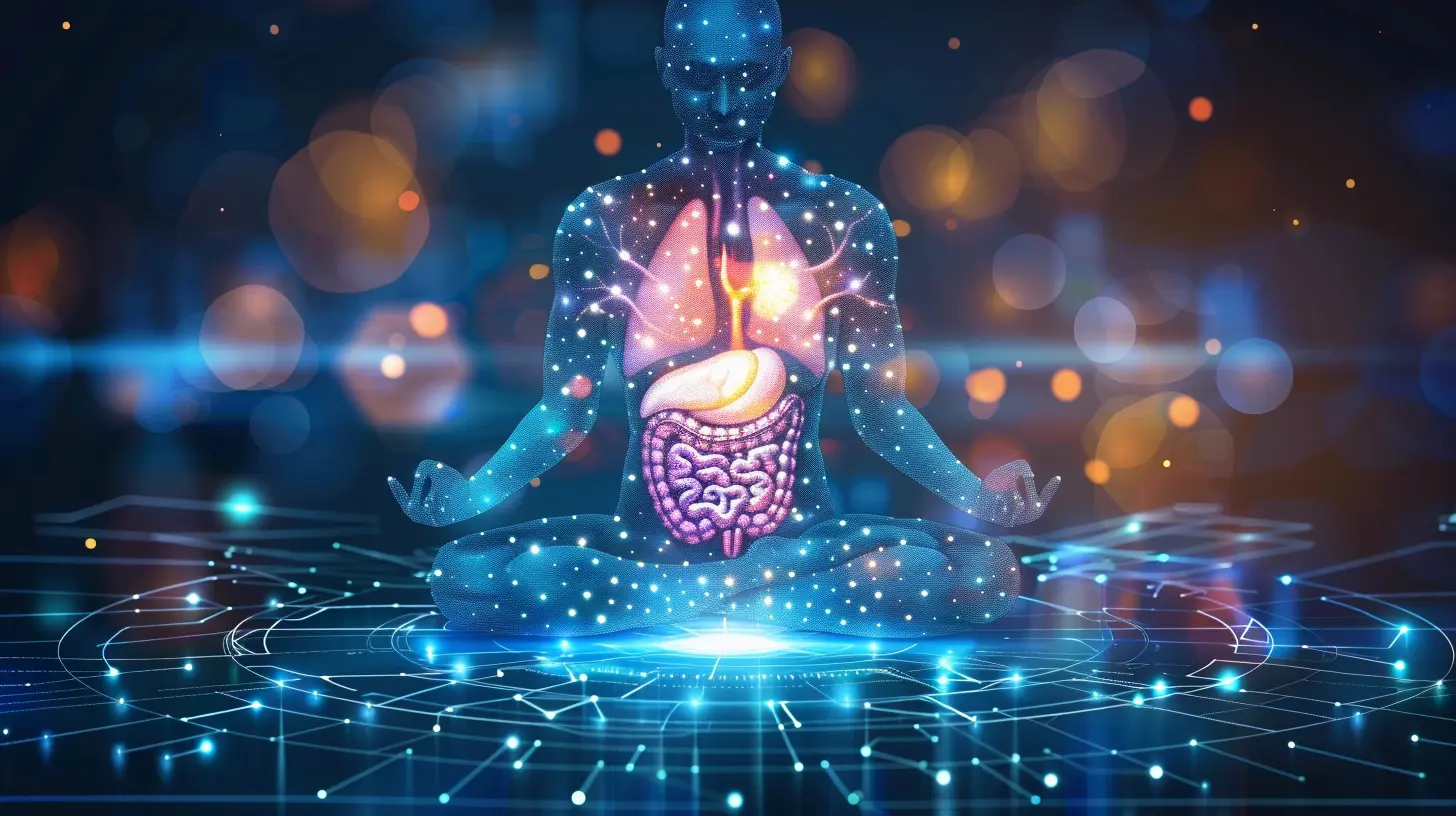
What Is Meditation, Really?
Before we jump into how meditation might boost gut health, let’s get clear on what meditation actually is. No, you don’t need to sit cross-legged on a mountaintop chanting “ommm” (unless that’s your jam, of course).Meditation is all about training your mind to focus and find a sense of calm. There are tons of different styles—like mindfulness meditation, body scan, transcendental meditation, and loving-kindness meditation. But at its core, it’s about slowing down and being present.
Think of it like defragmenting your brain’s hard drive. You clear the clutter, reduce noise, and focus your mental energy. Pretty powerful stuff!

The Link Between Stress and Gut Issues
Let’s be real—modern life is stressful. Deadlines, traffic, social media, bills. Stress is everywhere, and for many people, it shows up in the gut. That’s because stress triggers the fight-or-flight response, which diverts energy away from digestion.Instead of digesting your lunch smoothly, your body is prepping for battle. Blood flow to your gut decreases, enzyme production slows down, and your stomach becomes a battleground of discomfort.
Chronic stress doesn’t just make you feel crappy—it can actually change the composition of your gut microbiome, the community of bacteria living in your digestive tract. And when your microbiome is out of whack, issues like IBS (Irritable Bowel Syndrome), leaky gut, and inflammation can pop up.
So, managing stress isn’t just about mental peace—it’s about digestive harmony too.
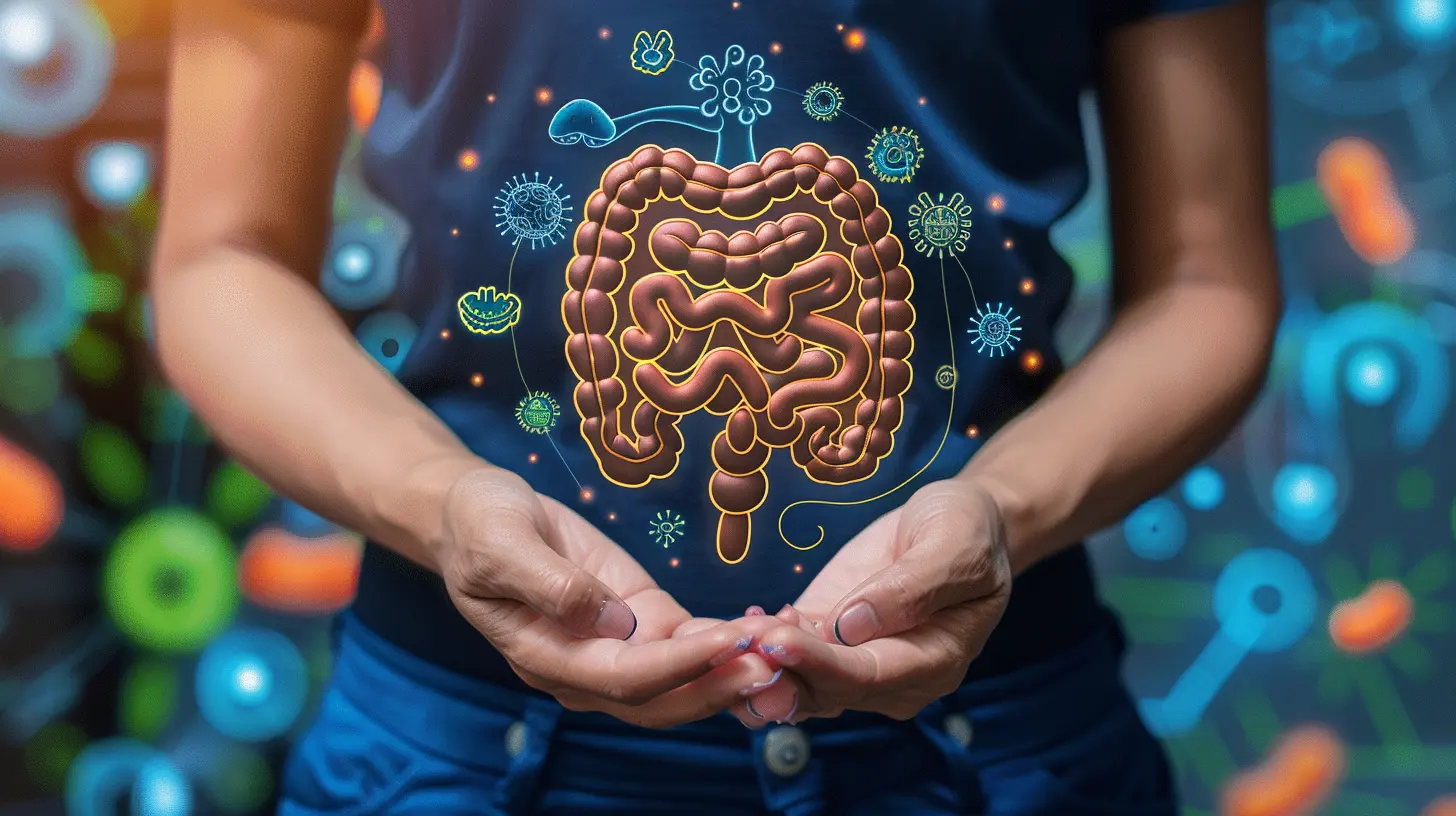
How Meditation Affects Your Gut Health
Alright, here’s where it gets juicy. So many people think of meditation as a mental health tool (and it is!), but its reach goes much deeper—like belly deep.1. Reduces Stress, Improves Digestion
Meditation helps shift your body from “fight-or-flight” mode into “rest-and-digest” mode, governed by your parasympathetic nervous system. This is the system that promotes relaxation, slows your heart rate, and supports proper digestion.With regular meditation, your body gets better at switching gears and staying calm. That means your gut can actually do its job—breaking down food, absorbing nutrients, and keeping things moving.
Imagine your gut as a high-performing kitchen. Meditation is like the head chef who makes sure everything runs smoothly and nothing burns.
2. Balances the Gut Microbiome
Here’s something wild—meditation may actually help balance the trillions of bacteria in your gut. Studies show that chronic stress can disrupt the microbiome, but relaxation techniques like meditation may help restore balance.A healthier microbiome means better digestion, stronger immunity, and even improved mood. It’s all connected!
3. Reduces Inflammation
Chronic stress and anxiety are linked to inflammation, which is a major culprit behind many gut disorders. Meditation has been shown to lower inflammatory markers in the body. Think of inflammation as fire, and meditation as a soothing rain that cools it all down.When inflammation decreases, your gut lining stays healthier, and you’re less likely to experience things like bloating, food sensitivities, or IBS flare-ups.
4. Enhances Mindfulness Around Eating
Ever scarf down a burrito while binge-watching Netflix and then wonder why your stomach feels like a brick? We’ve all been there.Meditation improves mindfulness, which can totally shift your relationship with food. When you’re more aware of your eating habits, you're less likely to overeat, eat too fast, or reach for junk food during emotional moments—all of which can upset your gut.
A more mindful approach to eating = happier belly.
Types of Meditation Techniques for Gut Health
Not all meditation styles are created equal, but several have shown promise when it comes to improving gut health. Here are a few you can try:1. Mindfulness Meditation
This is the most well-known and researched style. It involves focusing on the present moment without judgment. You can start by paying attention to your breath, bodily sensations, or even the sensation of hunger and fullness.Perfect for reducing stress and tuning into your body’s signals.
2. Body Scan Meditation
A slow, deliberate “scan” of each part of your body while noticing tension or discomfort. This technique helps you become more aware of how emotional stress shows up physically—often in the gut.Great for relaxation and body awareness.
3. Loving-Kindness Meditation
Also known as “Metta,” this practice involves sending love and compassion to yourself and others. It’s shown to increase positive emotions and reduce self-criticism—both of which can lower anxiety and stress levels.A happy heart = a calm gut.
4. Breathing Exercises (Pranayama)
While technically part of yogic practices, breathing exercises alone can be incredibly effective in regulating your nervous system. Slower, deeper breaths help stimulate the vagus nerve—an essential player in the gut-brain connection.Try inhaling for 4 seconds, holding for 4, exhaling for 4, and holding again for 4 (called Box Breathing).
How Often Should You Meditate for Gut Health?
You don’t need to meditate for hours every day to see benefits. Even 10-15 minutes a day can make a noticeable difference over time. The key? Consistency.Think of it like watering a plant. A little bit every day is better than drenching it once a week. Start small and build up as it becomes part of your daily routine.
Real People, Real Results
Many people who suffer from digestive issues like IBS, GERD, or bloating report major improvements after incorporating meditation into their lives. One study published in the journal Gut found that participants who practiced mindfulness-based stress reduction (MBSR) experienced significant relief from IBS symptoms—even more than some medical treatments.That’s powerful. And the best part? Meditation has zero side effects.
Pairing Meditation with Gut-Healthy Habits
While meditation is a fantastic tool, it's not a magic bullet. Your gut thrives when it gets a combo of healthy habits. Consider adding the following to your routine:- Eat probiotic-rich foods: Like yogurt, kimchi, sauerkraut, and kefir.
- Balance your diet with fiber: Whole grains, fruits, and veggies keep things moving.
- Stay hydrated: Water is essential for digestion.
- Exercise regularly: Movement helps keep your digestive system active.
- Get enough sleep: Your gut does some serious repair work while you snooze.
Add meditation on top of all that? You’ve got a recipe for serious gut happiness.
Final Thoughts: Can Meditation Improve Your Gut Health?
In short—yes. Meditation isn't just for monks and yogis anymore. It's a powerful, accessible tool that can improve your mental well-being and your physical digestion. By lowering stress, reducing inflammation, and improving mindfulness, meditation strengthens the gut-brain connection and fosters a healthier, happier belly.So next time your stomach's in a twist, before you reach for an antacid, maybe take a few deep breaths and sit quietly for a few minutes. Your gut just might thank you.
all images in this post were generated using AI tools
Category:
Bowel HealthAuthor:

Sophia Wyatt
Discussion
rate this article
2 comments
Solaria McMichael
In stillness, whispers of wellness flow. Meditation's gentle touch may nurture the gut, weaving harmony within body and soul.
September 15, 2026 at 3:12 AM
Sophia Wyatt
Absolutely! Meditation fosters a calm state that can positively impact gut health, promoting balance in both body and mind.
Angie McCool
Meditation offers more than mental clarity; it may positively influence gut health by reducing stress and promoting a balanced mind-body connection. A calm mind often leads to a healthier gut, enhancing overall well-being.
May 25, 2026 at 4:10 PM
Sophia Wyatt
Absolutely! Meditation's impact on stress and the mind-body connection can truly benefit gut health. It's fascinating how a calm mind supports overall well-being.